Cleaning Pearls Inspired by a Famous Painting with a Necklace
Discover expert care, cleaning, and restringing tips for pearl necklaces inspired by classical art. Preserve your nacre and silk threads flawlessly.

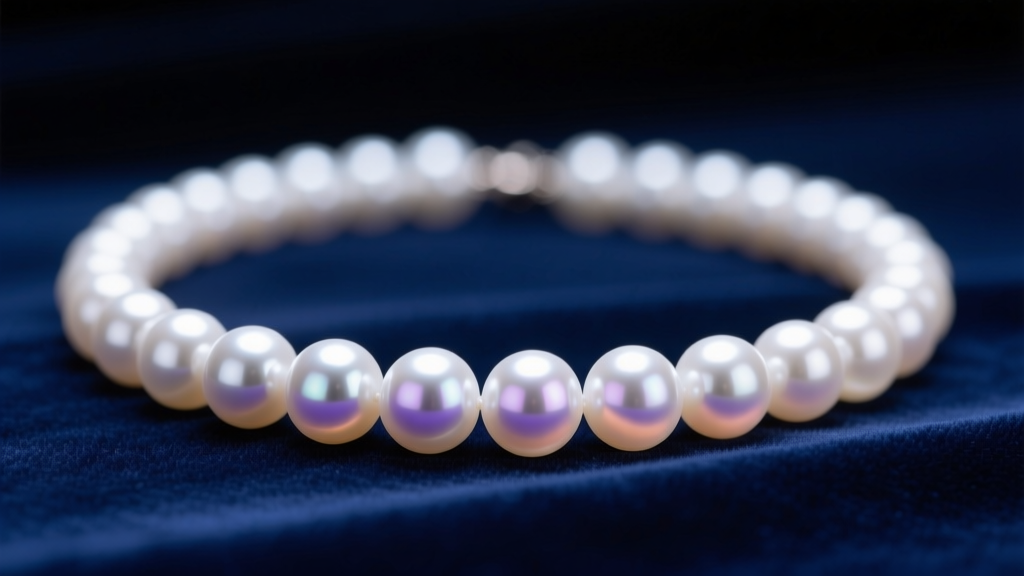
When you study a famous painting with a necklace—such as the luminous pearl strands depicted in 17th-century Dutch Golden Age portraits by Vermeer or Hals—you are witnessing the masterful capture of light reflecting off pristine, unblemished nacre. The soft, glowing orient of a well-maintained pearl strand has captivated artists and collectors for centuries. However, achieving and preserving that museum-quality luster in real life requires a meticulous understanding of organic gemstone chemistry. Unlike diamonds or sapphires, pearls are delicate, porous, and highly reactive to their environment.
As we navigate the jewelry landscape in 2026, modern wearers often inherit or invest in heirloom-quality pearl strands without fully grasping the maintenance required to keep the nacre intact. This comprehensive guide dives deep into the science of pearl preservation, offering actionable, professional-grade cleaning protocols and structural maintenance tips to ensure your necklace retains its historical brilliance.
The Science of Nacre: Why Pearls Degrade
To properly care for a pearl necklace, you must first understand its microscopic architecture. Nacre, the iridescent material that forms a pearl, is a composite matrix consisting of roughly 90% crystalline calcium carbonate (aragonite) and 10% organic protein (conchiolin). This unique structure is responsible for the pearl's overtone and orient, but it is also the source of its vulnerability.
Hardness and Chemical Sensitivities
On the Mohs scale of mineral hardness, pearls rank between 2.5 and 4.5. This means they can be easily scratched by everyday dust, which often contains microscopic quartz particles (hardness 7). More critically, the calcium carbonate in pearls is highly susceptible to acidic degradation. Human sweat typically has a pH ranging from 4.5 to 7.0. The lactic acid and urea present in perspiration will slowly etch the aragonite crystals, leading to a permanent loss of luster, surface pitting, and a chalky appearance over time.
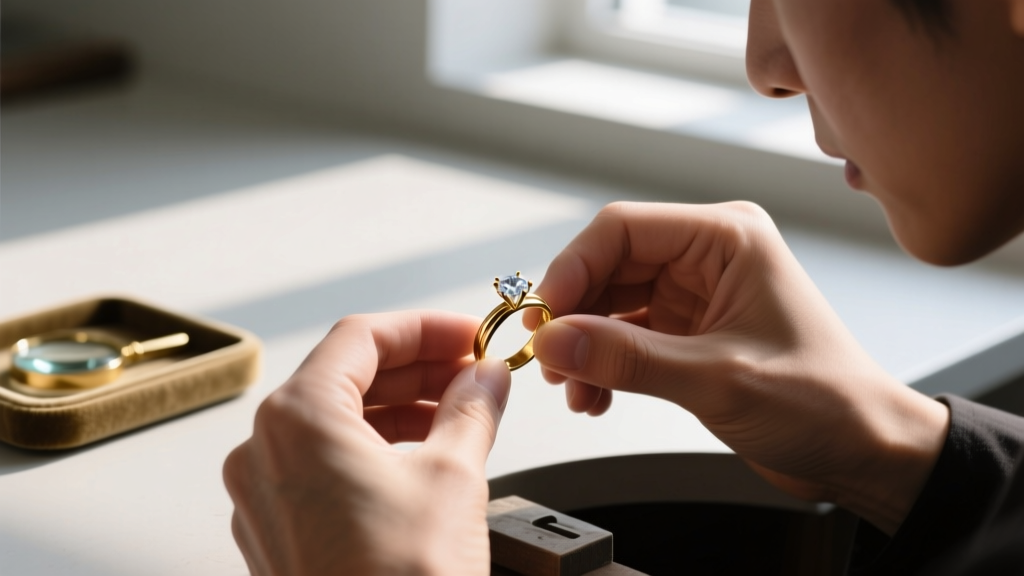
The Definitive Pearl Cleaning Protocol
Forget the aggressive ultrasonic machines and chemical dips used for metallic jewelry. Cleaning a pearl strand requires a gentle, methodical approach that lifts sebum and cosmetic residue without compromising the silk thread or the conchiolin matrix. Follow this professional protocol after every few wears.
Step 1: The Dry Microfiber Wipe
Before introducing any moisture, gently wipe each individual pearl with a clean, lint-free microfiber cloth. This removes superficial dust and skin oils. Never use paper towels or tissues, as the wood pulp fibers can inflict micro-scratches on the nacre over time.
Step 2: Targeted Damp Cleaning
If the pearls have visible buildup, particularly around the drill holes, prepare a solution of lukewarm distilled water and a single drop of pH-neutral, unscented castile soap. Dip a soft, natural-bristle brush (such as a clean makeup blending brush or a baby hairbrush) into the solution, shake off the excess, and lightly sweep the bristles around the drill holes and the surface of the pearls. Distilled water is crucial here; tap water contains chlorine and hard minerals that can leave a dulling film on the nacre.
Step 3: Proper Drying Techniques
Use a damp cloth with pure distilled water to rinse off any soap residue, then pat the strand dry with a soft cotton towel. Crucial Rule: Never hang a wet pearl necklace. The moisture weakens the silk thread, and the weight of the wet pearls will cause the silk to stretch permanently, resulting in unsightly gaps between the knots. Always lay the strand flat on a dry towel in a well-ventilated area until completely dry.
Chemical Agents: What to Avoid at All Costs
The most common way heirloom pearls are ruined is through the use of commercial jewelry cleaners. Below is a breakdown of common cleaning agents and their catastrophic effects on organic gemstones.
| Cleaning Agent | Chemical Composition | Effect on Nacre (Calcium Carbonate) | Verdict |
|---|---|---|---|
| Ultrasonic Cleaners | High-frequency sound waves | Causes microscopic fracturing, peeling, and shattering of the nacre layers. | NEVER USE |
| Ammonia / Glass Cleaner | Alkaline solvent | Strips the organic conchiolin, permanently dulling the pearl's orient. | NEVER USE |
| Baking Soda Paste | Sodium bicarbonate (abrasive) | Scratches the surface, creating micro-fissures that trap future dirt and oils. | NEVER USE |
| Mild Castile Soap | pH-neutral surfactant | Safely lifts oils and sebum without dissolving the aragonite crystals. | SAFE (Diluted) |
| Distilled Water | H2O (neutral pH) | Rinses debris safely without leaving hard water mineral deposits. | SAFE |
For more foundational guidelines on organic gemstone maintenance, the Gemological Institute of America (GIA) provides extensive warnings against ultrasonic and steam cleaning, emphasizing that pearls require a uniquely gentle touch compared to crystalline gems.
Silk Thread, Knotting, and Hardware Maintenance
A pearl necklace is only as strong as its stringing material. High-quality strands are knotted between every single pearl. This serves two purposes: it prevents the loss of multiple pearls if the strand breaks, and it prevents the pearls from rubbing against one another, which would cause friction wear on the nacre.
The Restringing Schedule
Silk is a natural protein fiber that degrades, stretches, and absorbs oils from your skin. If you wear your pearl necklace weekly, it should be professionally restrung every 12 to 18 months. If worn occasionally, a 3-to-5-year interval is acceptable. Inspect the strand by gently pulling the pearls apart; if you see stretched, discolored, or frayed silk between the knots, it is time for a restring.
Protecting the Clasp and French Wire
The area where the silk meets the metal clasp is the highest point of mechanical stress. Professional stringers use 'French wire' (also known as gimp)—a tiny, coiled metal spring—threaded over the silk at the clasp connection to prevent the metal from cutting through the thread. When cleaning the gold or silver clasp, use a dedicated silver polishing cloth or a gold-safe dip, but ensure the chemical does not touch the adjacent pearls. Mask the pearls with a soft cloth while polishing the hardware.
Archival Storage Techniques for Organic Gems
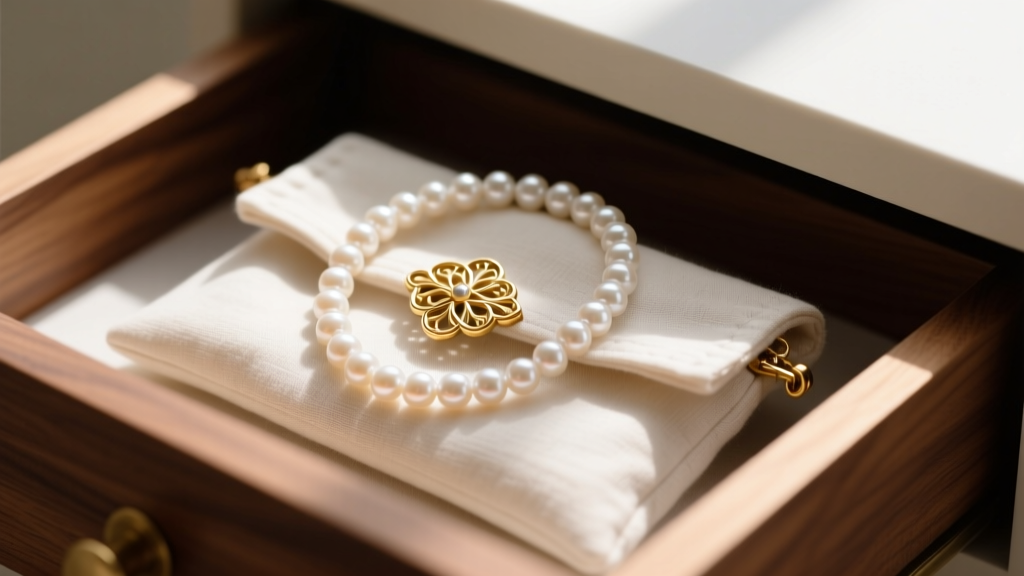
How you store your pearls is just as critical as how you clean them. Unlike silver, which tarnishes in the presence of moisture and sulfur, pearls actually require a certain level of ambient humidity to maintain their structural integrity. Storing pearls in an airtight plastic bag or a safety deposit box for extended periods will cause the conchiolin to dry out, leading to crazing (surface cracking) and peeling.
- The 'Last On, First Off' Rule: Always put your pearls on after applying makeup, perfume, and hairspray. Remove them before changing clothes to prevent snagging the silk on fabric threads.
- Breathable Enclosures: Store your necklace in a soft, untreated cotton or linen pouch. Avoid synthetic fabrics that can trap static and moisture.
- Isolation from Harder Gems: Never toss a pearl strand into a jewelry box compartment alongside diamond or sapphire pieces. The harder stones will easily gouge the soft nacre.
- Wear Them Often: Ironically, the best way to preserve pearls is to wear them. The natural, mild oils from your skin help keep the nacre hydrated and luminous, provided you wipe them down afterward.
By treating your pearl jewelry with the same reverence a conservator applies to classical art, you ensure the strand's longevity. For additional industry standards on heirloom maintenance, refer to the Jewelers of America care guidelines, which reinforce the necessity of specialized storage and chemical avoidance for organic materials.
Conclusion
Maintaining the ethereal glow of a pearl strand requires shifting your mindset from traditional jewelry care to organic artifact preservation. By understanding the delicate chemistry of nacre, adhering to a strict, non-abrasive cleaning protocol, and committing to regular silk restringing, your necklace will continue to capture the light just as beautifully as the pearls immortalized in a famous painting with a necklace. Treat them with scientific precision, and they will remain a luminous heirloom for generations to come.


