Witches Necklace Trends 2026: The Whimsigoth & Dark Academia Guide
Discover the 2026 witches necklace trend. Explore whimsigoth and dark academia styles, raw gemstones, oxidized silver, and expert layering techniques.

The Evolution of the Witches Necklace: From Subculture to High Jewelry
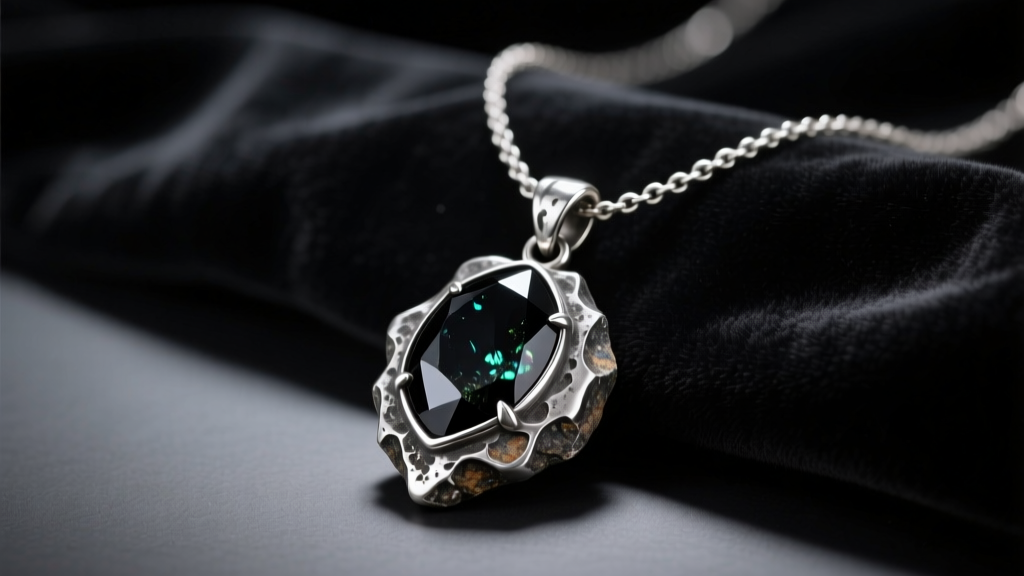
The concept of the witches necklace has undergone a radical metamorphosis. In the early 2010s, 'witchy' jewelry was largely confined to fast-fashion alloys, laser-cut pentagrams, and mass-produced Halloween aesthetics. As we navigate 2026, the narrative has shifted dramatically toward elevated whimsigoth and dark academia. Today's witches necklace is a masterclass in metallurgy, raw gemology, and antique revival techniques, appealing to collectors who demand both esoteric symbolism and heirloom-quality construction.
Modern dark aesthetics rely on the tension between decay and elegance. Rather than shiny, polished finishes, the 2026 trend heavily favors oxidized metals, unrefined crystal structures, and motifs drawn from Victorian mourning jewelry and botanical poison gardens. Understanding the material science behind these pieces is critical for building a collection that lasts beyond a single season.
Metallurgy and Patina: The Science of Dark Silver
A genuine witches necklace relies on shadow and contrast to highlight intricate engravings and gothic motifs. Jewelers achieve this through two primary methods, and knowing the difference is vital for long-term wear and skin safety.
Oxidized Sterling Silver vs. Black Rhodium
- Liver of Sulfur Oxidation: This traditional method involves exposing 925 sterling silver to potassium sulfide, creating a dark silver sulfide patina. The piece is then selectively polished to leave the recesses dark and the high points bright. While authentic, surface oxidation can wear off over time and may temporarily stain the skin green or black if the wearer's pH levels are highly acidic.
- Black Rhodium Plating: For high-end whimsigoth pieces, black rhodium (a platinum group metal) is electroplated over the silver. This provides a deep, gunmetal-black finish that is highly resistant to tarnish and skin discoloration. According to industry standards tracked by Jewelers of America, rhodium plating significantly increases the durability and hypoallergenic properties of the jewelry, though it commands a 30-40% premium in price.
Buyer Beware: Avoid pieces labeled 'Tibetan Silver' or 'Antique Silver Alloy.' These are frequently zinc, copper, and nickel blends that contain zero actual silver and can cause severe contact dermatitis. Always look for a '925' hallmark stamped on the clasp or pendant bail.
Raw Gemology: Embracing the Unfaceted
Polished, faceted gemstones reflect light, but raw, unfaceted crystals absorb and scatter it, creating the moody, earthbound energy essential to a modern witches necklace. However, raw stones present unique structural challenges for jewelers.
Setting Mechanics and Mohs Hardness
Because raw crystals lack the symmetrical geometry of cut stones, traditional prong settings are a failure point; the prongs cannot grip uneven crystal structures securely, leading to lost stones. The GIA Gem Encyclopedia notes that raw stones require custom-fitted bezel settings or heavy wire-wrapping to ensure longevity.
When selecting raw gemstones for daily wear, consider the Mohs scale of hardness:
- Raw Black Tourmaline (7-7.5): Excellent for daily wear. Highly resistant to scratching and chipping. Its natural striations catch the light beautifully in dark metal settings.
- Raw Moldavite (5.5-6.5): Highly sought after in esoteric circles, but its natural pitted texture and lower hardness make it prone to cracking if struck against hard surfaces. Requires a protective, deep-bezel setting.
- Raw Opal (5.5-6.5): Extremely fragile and sensitive to temperature changes. Best reserved for occasional-wear reliquary lockets rather than everyday pendants.
2026 Trend Forecast: Three Dominant Archetypes
The whimsigoth and dark academia movements have fractured into three distinct design archetypes this year. Each serves a different stylistic purpose and utilizes specific material combinations.
| Archetype | Primary Motif | Material & Stone Pairing | Avg. Price Range (925 Silver) |
|---|---|---|---|
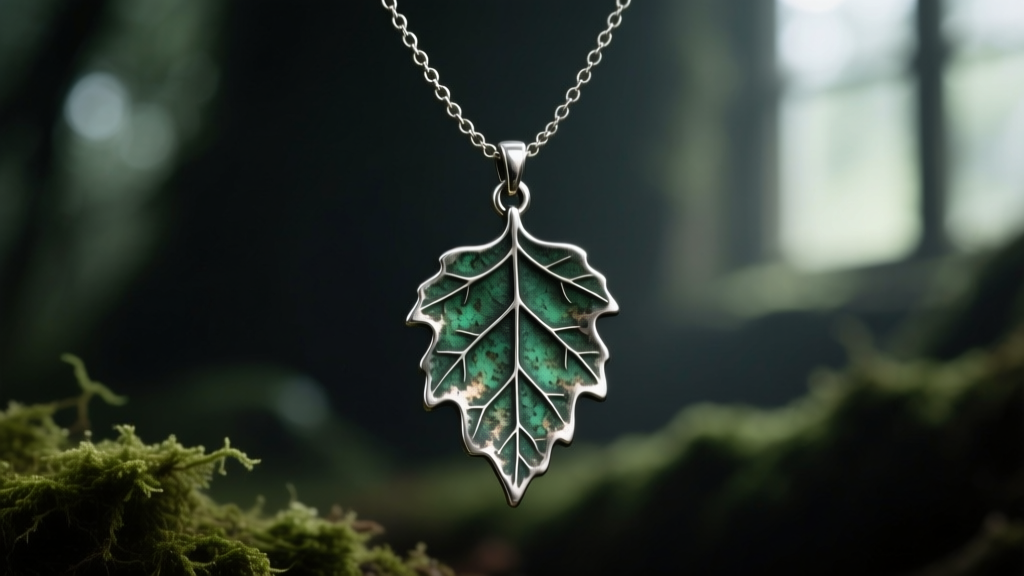
| The Poison Garden | Hemlock, Belladonna, Thorns | Oxidized Silver + Raw Green Tourmaline | $85 - $160 |
| The Celestial Astrolabe | Moon Phases, Tarot, Star Maps | Black Rhodium + Lapis Lazuli or Obsidian | $120 - $250 |
| The Reliquary Locket | Pierced Filigree, Urns, Cages | Antiqued Silver + Raw Herkimer Diamond | $150 - $300+ |
The most compelling witches necklaces in 2026 do not rely on overt, aggressive symbolism. Instead, they utilize subtle botanical references and historical mourning motifs that invite a second, closer look.
Chain Selection: Gauge and Tensile Strength
A heavy cast-silver pendant will easily snap a delicate chain. The structural integrity of your witches necklace depends entirely on selecting the correct chain style and gauge (thickness).
- Wheat (Spiga) Chains (1.5mm - 2.0mm): The undisputed champion for heavy pendants. The woven, interlocking oval links distribute weight evenly and resist kinking. A 1.5mm solid 925 silver wheat chain can comfortably support pendants weighing up to 35 grams.
- Rolo Chains (1.2mm - 2.5mm): Featuring uniform, round interlocking links. Rolo chains offer a vintage, Victorian aesthetic that perfectly complements dark academia lockets. However, the round links can catch on clothing if the gauge is too thin.
- Snake Chains (Avoid for Heavy Pendants): While they offer a sleek, liquid-metal look, snake chains are notorious for kinking and snapping under the dynamic stress of a heavy, swinging pendant. Reserve these only for lightweight chokers.
Layering Framework: The Rule of Odd Numbers
Layering is foundational to the whimsigoth aesthetic, but improper layering leads to a tangled, chaotic mess. To achieve a curated, intentional look, follow the structural rule of odd numbers and varying textures.

The 16-20-24 Inch Cascade
The most visually balanced layering technique utilizes three necklaces with a strict four-inch drop between each layer.
- Layer 1 (16 inches): A close-fitting choker or collar. Opt for a simple, textured chain (like a 1.2mm cable chain) or a small, flat celestial motif (e.g., a crescent moon or ouroboros).
- Layer 2 (20 inches): The focal point. This is where your primary witches necklace pendant rests—ideally a raw stone bezel setting or a botanical motif resting right at the collarbone.
- Layer 3 (24 inches): The anchor. A long, heavier wheat chain featuring a subtle, elongated drop, such as a silver spike, a small glass vial, or a simple unadorned link.
Pro-Tip for Tangling: Never layer chains of the exact same link style. A cable chain layered over another cable chain will act like a gear mechanism, twisting and knotting within minutes. Always mix textures: pair a smooth snake choker with a rolo mid-layer and a wheat long-layer to minimize friction.
Final Thoughts on Sourcing Authentic Pieces
As the dark academia and whimsigoth trends peak in 2026, the market is flooded with dropshipped, mass-produced zinc alloys disguised as artisan silver. True witches necklaces are investments in metallurgy and lapidary art. Always verify the 925 hallmark, inquire about the specific oxidation or plating method used, and ensure raw stones are secured in custom bezels rather than fragile prongs. By prioritizing structural integrity and historical design motifs, you can build a dark jewelry wardrobe that is as enduring as it is enchanting.


