Styling the Classic Woman in Pearl Necklace: A Beginner's Guide
Discover how to curate the timeless woman in pearl necklace look. Our beginner's guide covers pearl types, grading, lengths, and care.

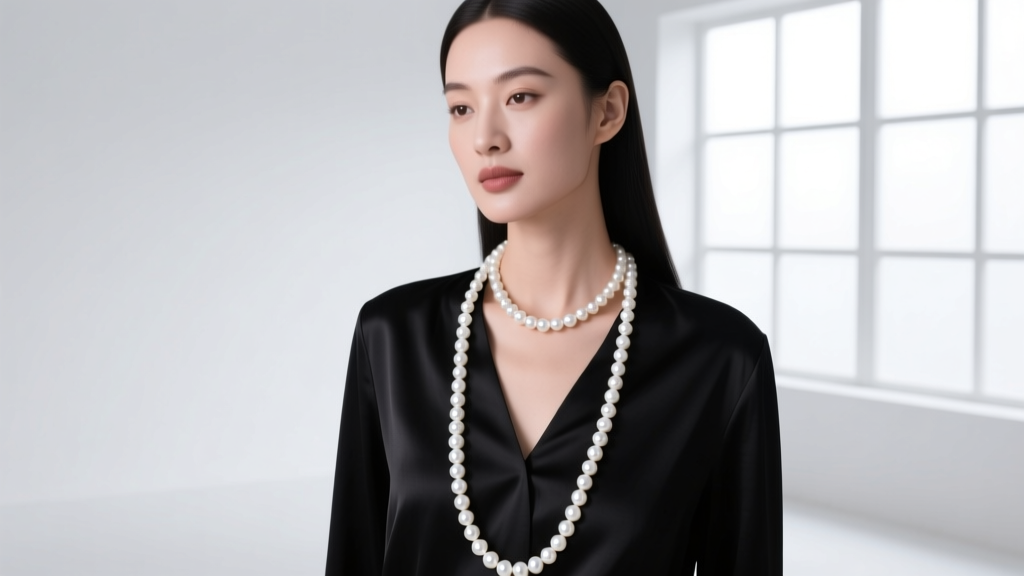
There are few images in the world of jewelry as enduring and universally recognized as the woman in pearl necklace. From Audrey Hepburn in Breakfast at Tiffany’s to modern style icons pairing baroque strands with oversized blazers, pearls have transcended fleeting trends to become a permanent fixture of elegance. Yet, for beginners, the world of pearls can feel intimidating. Between luster grades, nacre thickness, and the vast price discrepancies between saltwater and freshwater varieties, buying your first fine pearl strand requires a bit of education.
This beginner-friendly explainer will demystify the process. Whether you are looking to invest in a heritage piece or curate a modern, layered aesthetic, understanding the anatomy of a pearl necklace is the first step toward mastering this timeless look.
Decoding the Archetype: Why Pearls Endure
The appeal of the classic pearl strand lies in its unique interaction with light. Unlike faceted gemstones that refract light internally, pearls reflect and diffuse light across their microscopic layers of aragonite crystals. This creates luster—the soft, glowing illumination that acts as a natural reflector plate against the skin, brightening the complexion.
In 2026, the "woman in pearl necklace" archetype has evolved. While the perfectly matched, round white strand remains a staple for formalwear, contemporary styling heavily embraces the organic, asymmetric beauty of baroque and keshi pearls. Understanding how to choose the right pearl type for your personal style is critical.
The Pearl Primer: Saltwater vs. Freshwater
Not all pearls are created equal. The environment in which they are cultivated dictates their size, shape, luster, and ultimately, their price point. Here is a breakdown of the four primary pearl types you will encounter when shopping for a necklace.
| Pearl Type | Origin | Typical Size | Luster Profile | Price Range (18" Strand) |
|---|---|---|---|---|
| Akoya | Saltwater (Japan/China) | 6.0mm - 9.0mm | Sharp, mirror-like | $800 - $5,000+ |
| Freshwater | Freshwater (China) | 5.0mm - 12.0mm | Soft, satiny | $150 - $1,500 |
| Tahitian | Saltwater (French Polynesia) | 8.0mm - 16.0mm | Metallic, peacock overtones | $1,200 - $15,000+ |
| South Sea | Saltwater (Australia/Philippines) | 10.0mm - 20.0mm | Deep, satiny glow | $3,000 - $30,000+ |
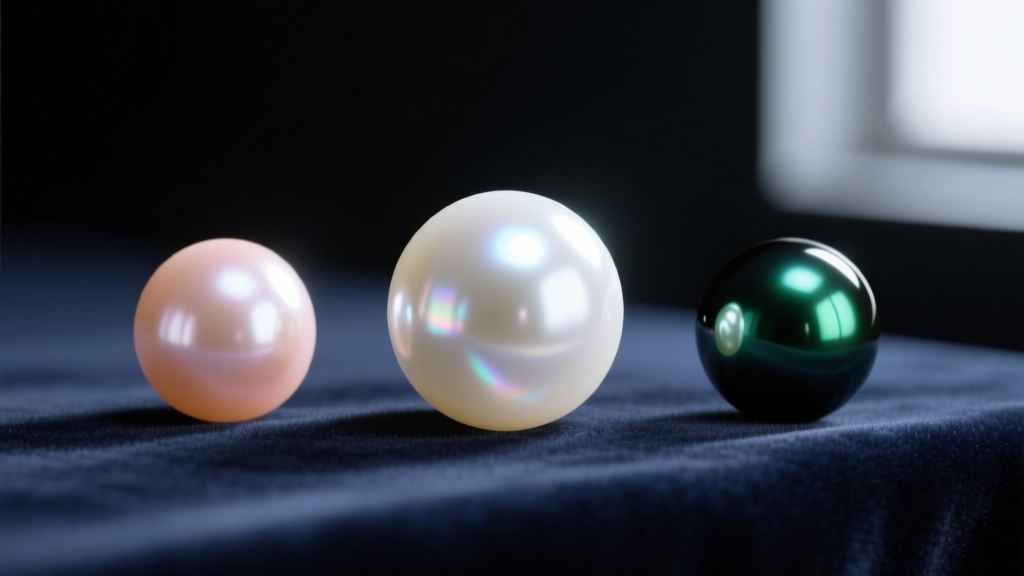
For a beginner seeking the quintessential, high-luster "classic" look, Akoya pearls are the gold standard. If you are on a stricter budget but still want a beautiful, durable strand, high-grade Freshwater pearls (specifically those labeled "Edison" or "Metallic" freshwater) offer incredible value and have improved drastically in roundness and luster over the last decade.
Selecting the Perfect Strand Length
The length of your pearl necklace completely changes its visual weight and the necklines it complements. The industry uses specific terminology to describe these lengths:
- Collar (10-13 inches): Sits tightly against the throat. Best paired with V-necks or off-the-shoulder gowns. Often worn in multi-strand configurations.
- Choker (14-16 inches): Rests at the base of the neck. A 16-inch strand is the most versatile, universally flattering length for the modern woman in pearl necklace aesthetic.
- Princess (17-19 inches): Falls just below the collarbone. Ideal for high necklines, crew necks, and business attire.
- Matinee (20-24 inches): Hits the top of the bust. Excellent for casual or business-casual wear, drawing the eye downward and elongating the torso.
- Opera (28-36 inches): Falls below the bust. Can be worn long or doubled up (knotted) to create a layered choker effect.
Evaluating Quality: The GIA Framework
Unlike diamonds, pearls do not have a single, universally standardized grading system. However, the Gemological Institute of America (GIA) utilizes a comprehensive Pearl Description System that evaluates seven key factors: Size, Shape, Color, Luster, Surface, Nacre, and Matching.
The Critical Importance of Nacre Thickness
As a beginner, you might focus entirely on luster and surface cleanliness, but nacre thickness is the ultimate determinant of a pearl's longevity. Nacre is the crystalline substance the oyster secretes around the nucleus. If the nacre is too thin (common in low-grade, mass-produced Akoya pearls), it will eventually chip, peel, or crack, revealing the dull shell bead underneath.
Expert Rule of Thumb: For Akoya pearls, always seek a nacre thickness of at least 0.4mm. For South Sea and Tahitian pearls, look for a minimum of 0.8mm to 1.0mm. Reputable jewelers should be able to provide an X-ray report or a guarantee of nacre thickness upon request.
When evaluating surface quality, remember that pearls are organic gems. A flawless surface is exceptionally rare and commands a massive premium. According to the American Gem Society, minor blemishes or "growth marks" are acceptable and actually serve as proof of authenticity, provided they do not compromise the structural integrity of the pearl or severely dull the luster.
Hardware and Construction Details
A high-quality pearl necklace is defined by what holds it together just as much as the pearls themselves. When inspecting a strand, check the following construction details:
- Knotting: Every single pearl should be individually knotted. This prevents the pearls from rubbing against one another (which damages the nacre) and ensures that if the strand breaks, you only lose one pearl. High-end strands use pure silk thread, though modern synthetic nylon threads are increasingly popular due to their resistance to stretching and moisture degradation.
- French Wire: The final few inches of silk thread near the clasp should be wrapped in a delicate metal coil known as French wire. This protects the silk from fraying against the metal clasp ring.
- Clasp Type: Traditional ball clasps with a tongue-and-groove mechanism are secure and elegant, but modern magnetic clasps or locking lobster clasps are gaining traction in 2026 for their ease of use, especially for those with limited dexterity.
Care Protocol: Preserving the Luster
Pearls rank at a mere 2.5 to 3.0 on the Mohs Hardness Scale, making them incredibly susceptible to scratching and chemical damage. To maintain the pristine glow of your necklace, adopt the following care regimen:
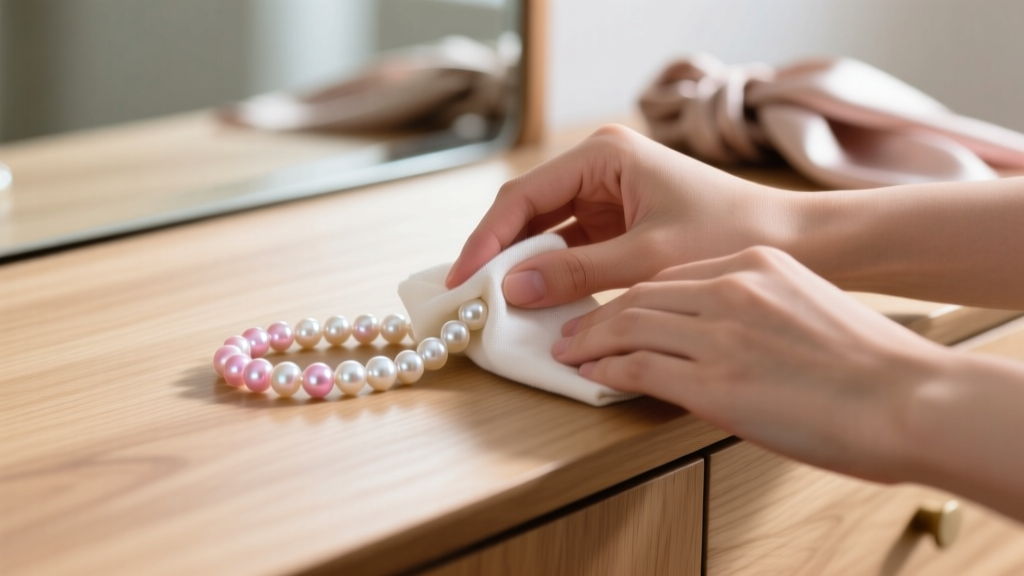
- Last On, First Off: Pearls should be the very last thing you put on after applying cosmetics, perfumes, and hairspray, and the first thing you take off when you return home. The alcohol and acids in cosmetics can dissolve the nacre over time.
- Never Use Ultrasonic Cleaners: The high-frequency vibrations will shatter the nacre layers. Avoid steam cleaners and harsh chemical dips as well.
- The Microfiber Wipe: After each wear, gently wipe the strand with a clean, damp microfiber cloth to remove body oils and environmental pollutants. Allow them to air dry completely before storing.
- Proper Storage: Never store pearls in a plastic bag or an airtight safe deposit box; they require a slight amount of ambient moisture to prevent the nacre from cracking. Store them flat in a soft cloth pouch, separate from harder gemstones that could scratch them.
- Restringing Schedule: If you wear your pearl necklace weekly, have it professionally restrung every 12 to 18 months. If you notice the silk thread stretching, darkening, or if there is visible slack between the knots, it is time for immediate restringing.
Final Thoughts on Curating Your Look
Becoming the quintessential woman in pearl necklace is less about adhering to rigid, old-fashioned rules and more about understanding the material. By prioritizing nacre thickness over sheer size, selecting a length that complements your daily wardrobe, and committing to proper organic care, your pearl strand will not just be an accessory—it will be a lasting, luminous heirloom.


