Xmas Light Bulb Necklace Materials: Glass vs Resin vs Enamel
Compare borosilicate glass, epoxy resin, and vitreous enamel for your xmas light bulb necklace. Discover durability, optics, and pricing insights.

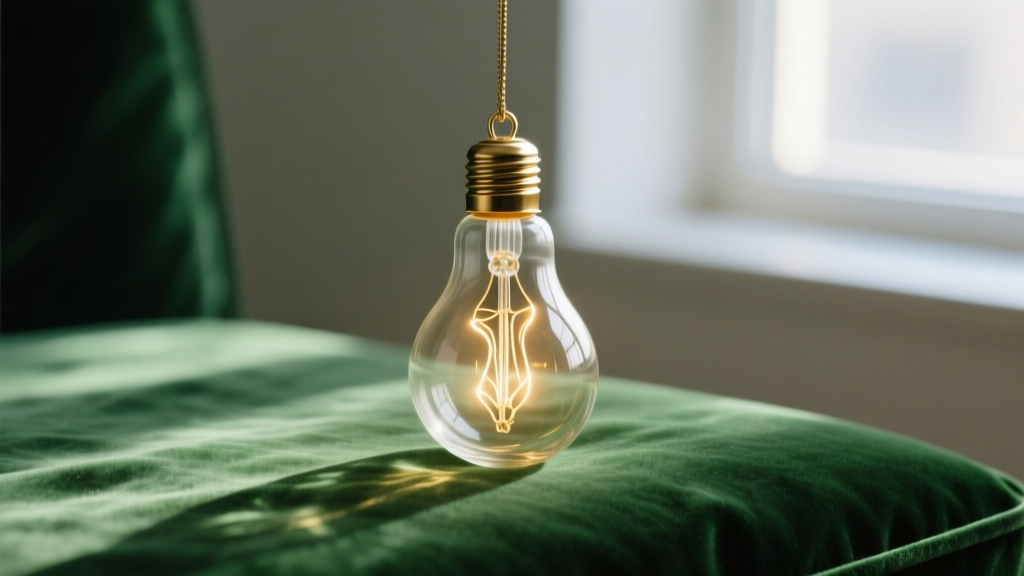
The Evolution of the Xmas Light Bulb Necklace
Once relegated to the realm of cheap plastic holiday novelties, the xmas light bulb necklace has undergone a dramatic artisanal renaissance. As we navigate the 2026 holiday season, independent jewelers and lampworkers are elevating this whimsical silhouette into a serious study of material science and optical physics. Whether you are a collector of novelty pendants or a jewelry maker looking to expand your seasonal catalog, understanding the specific properties of the materials used to craft these miniature bulbs is critical. The choice between borosilicate glass, cycloaliphatic epoxy resin, and vitreous enamel dictates not only the price point but the pendant's refractive brilliance, shatter resistance, and long-term wearability.
In this comprehensive material comparison, we dissect the physical properties, failure modes, and hardware pairing requirements for the three dominant materials used in high-end xmas light bulb necklaces today.
The Physics of the Glow: Refractive Index Matters
The defining characteristic of any light bulb pendant is how it manipulates light. Even when unlit, a high-quality xmas light bulb necklace should capture ambient illumination and scatter it through its internal 'filament' structure. This optical behavior is governed by the material's Refractive Index (RI). According to optical data from the Gemological Institute of America (GIA), a higher RI means light bends more sharply as it enters the material, creating greater brilliance and internal reflection. When evaluating materials for a light bulb silhouette, the RI is just as important as the color or clarity of the medium.
Borosilicate Glass: The Luminescent Standard
For artisan lampworkers, borosilicate glass (often known by the brand name Pyrex) is the undisputed gold standard for crafting xmas light bulb necklaces. Unlike soft soda-lime glass, borosilicate features a low Coefficient of Expansion (COE 33), meaning it is highly resistant to thermal shock. A glassblower can heat the neck of the bulb to seal it without the entire piece cracking as it cools to room temperature.
The internal 'filament' in a glass bulb is typically created by encasing a fine wire or a thin stringer of colored glass inside a clear cylinder before the final bulb shape is blown and shaped on a graphite marver. The resulting optical clarity is unmatched, with an RI of approximately 1.47.
Failure Modes and Annealing
The primary vulnerability of a borosilicate glass xmas light bulb necklace is impact trauma. While it survives extreme temperature shifts, a drop from just three feet onto a ceramic tile floor will shatter the pendant. Furthermore, if the artisan fails to properly anneal the glass in a kiln at 960°F (515°C) to relieve internal molecular stress, the pendant can spontaneously fracture months later simply from the thermal expansion caused by body heat.

Epoxy Resin: The Shatterproof Contender
For wearers who require extreme durability—such as those buying for active teenagers or outdoor holiday events—epoxy resin offers a shatterproof alternative. In 2026, the market has largely shifted away from cheap polyurethane resins toward advanced cycloaliphatic epoxy systems. These specialized resins boast an RI of 1.55, which actually exceeds that of borosilicate glass, resulting in a remarkably brilliant, high-gloss finish that mimics fine crystal.
Resin allows for incredible internal inclusions. Artisans frequently suspend genuine 24k gold leaf flakes, crushed turquoise, or even miniature dried botanicals inside the bulb cavity to simulate a glowing, magical filament. Because it is cast in silicone molds rather than blown, the production time is significantly lower, making resin xmas light bulb necklaces highly accessible, typically retailing between $25 and $60.
The UV Degradation Factor
The Achilles heel of epoxy resin is ultraviolet degradation. Standard bisphenol-A resins will develop an opaque, yellowish tint after just one year of exposure to sunlight. When sourcing or crafting a resin bulb, it is imperative to use formulations fortified with Hindered Amine Light Stabilizers (HALS). Even with UV inhibitors, resin is highly susceptible to micro-scratching from everyday dust and fabric friction, which will eventually dull the surface polish.
Vitreous Enamel: The Heirloom Approach
For the collector seeking a true heirloom piece, the vitreous enamel xmas light bulb necklace represents the pinnacle of traditional metalsmithing. Utilizing the plique-à-jour technique—a process akin to stained glass where the enamel has no metal backing to allow light to pass through—artisans create translucent, jewel-toned bulbs that are nothing short of breathtaking.
The process begins with a sterling silver or fine gold bezel shaped like a light bulb, intricately divided by cloisonné wires. Finely ground glass frit is packed into the cells and fired in a kiln at roughly 1450°F (788°C). The enamel melts, fusing to the metal and creating a translucent, ruby-red or emerald-green 'glow' when held to the light. As noted by the metalworking experts at Rio Grande, plique-à-jour is one of the most technically demanding enameling techniques, which is why these pendants command premium prices ranging from $110 to over $280.
Thermal Shock and Chipping
While enamel will not shatter like blown glass, it is vulnerable to thermal shock and blunt force. Plunging an enamel pendant into cold water immediately after wearing it against warm skin can cause the glass frit to pop out of the silver cells. Furthermore, dropping the piece on a hard surface will chip the enamel edges, a damage that is nearly impossible to repair seamlessly.
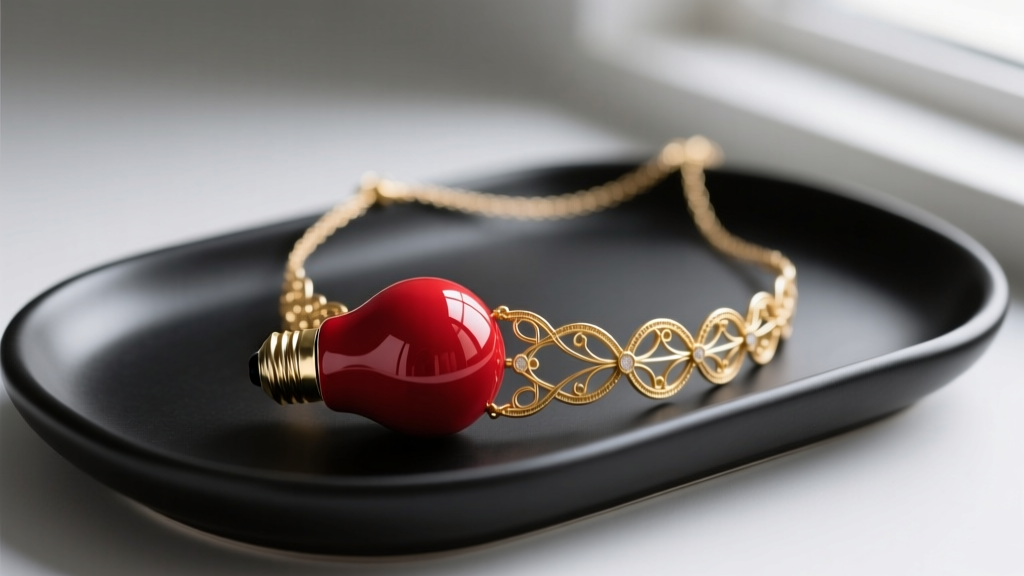
Comprehensive Material Comparison Matrix
To help you make an informed purchasing or crafting decision, review the empirical data comparing the three primary materials used in premium holiday pendants.
| Material | Refractive Index | Shatter / Break Risk | UV Stability | 2026 Avg. Price Range |
|---|---|---|---|---|
| Borosilicate Glass | 1.47 | High (Impact Shatter) | Excellent | $45 - $120 |
| Cycloaliphatic Resin | 1.55 | None (Scratches Only) | Good (w/ HALS) | $25 - $60 |
| Plique-à-jour Enamel | N/A (Translucent) | Medium (Chipping/Thermal) | Excellent | $110 - $280 |
Hardware Mechanics: Securing the Bulb
A critical, often overlooked aspect of the xmas light bulb necklace is the hardware used to attach the pendant to the chain. The 'base' of the light bulb must house a bail loop. There are two primary methods for this:
- Screw-Top Caps with O-Rings: The most secure method for glass and resin bulbs. A threaded metal cap screws onto a corresponding thread built into the neck of the bulb. A tiny silicone O-ring sits between the cap and the glass, absorbing kinetic shock and preventing the metal from cracking the glass when tightened.
- Cyanoacrylate Glue-On Caps: Frequently used in mass-produced or lower-tier artisan pieces. A metal cap is adhered to the flat top of the bulb using industrial super glue. This is a major failure point; the differing thermal expansion rates of metal and glass/resin will cause the glue bond to fail, usually resulting in the pendant snapping off the chain and falling to the floor.
Always inspect the bail connection before purchasing. If you see a visible seam of dried glue, opt for a screw-top alternative.
Chain Selection and Weight Distribution
The material of your bulb dictates the necessary chain gauge. A solid borosilicate glass bulb can weigh anywhere from 18 to 35 grams. Pairing this with a delicate 0.8mm thread chain is a recipe for a broken clasp or a snapped link.
For glass and heavy resin bulbs, utilize a 1.2mm to 1.5mm cable chain or a 1.5mm box chain crafted from sterling silver or gold-filled wire. These gauges provide the necessary tensile strength to support the pendant's swing weight without compromising the delicate, festive aesthetic of the necklace. For the lighter, hollow metal-framed enamel bulbs, a 1.0mm rope chain offers sufficient support while adding a vintage, textural element that complements the cloisonné wire work.
Long-Term Care and Maintenance
Maintaining the brilliance of your xmas light bulb necklace requires material-specific care routines. Borosilicate glass should be cleaned with a simple solution of warm water and mild dish soap, dried immediately with a microfiber cloth to prevent water spots. Never use ultrasonic cleaners on glass bulbs with internal wire filaments, as the high-frequency vibrations can rattle the internal components loose.
Resin pendants should never be exposed to alcohol-based perfumes or hand sanitizers, which will chemically etch the surface, leaving a permanent cloudy haze. Enamel pieces require the most delicate touch: store them flat in a velvet-lined box, separated from harder gemstones that could scratch the glass surface or catch on the delicate silver cloisonné wires. By respecting the unique material properties of your chosen pendant, your holiday jewelry will remain a luminous staple for decades to come.


