Yahweh Necklace Value Guide: Budget & Material Assessment
Discover how to assess the true value of a Yahweh necklace. Compare material grades, fair pricing tiers, and chain durability for smart buying.
The True Cost of Spiritual Jewelry
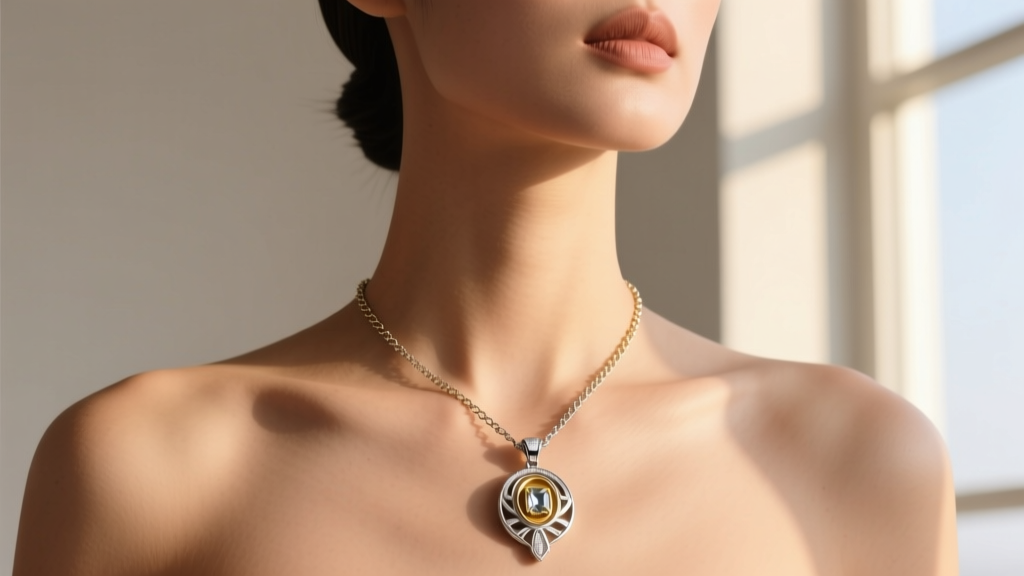
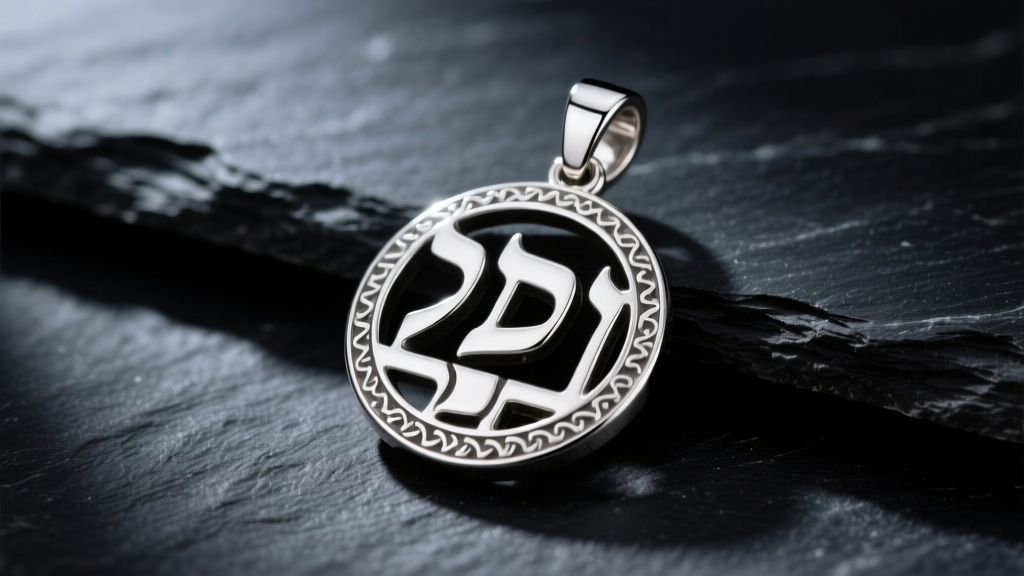
When shopping for a yahweh necklace, buyers are often caught between deep spiritual significance and confusing retail markups. The Tetragrammaton (יהוה), representing the sacred name of God, is a profoundly meaningful motif, but the jewelry market frequently capitalizes on this emotional connection by inflating prices on subpar materials. A piece of religious jewelry should be an enduring heirloom, not a fast-fashion accessory that turns your skin green after a month of daily wear. To make a sound investment, you must separate the spiritual value of the symbol from the metallurgical reality of the metal. This comprehensive budget and value assessment will equip you with the exact metrics, material grades, and pricing frameworks needed to evaluate any Yahweh pendant on the market today.
Decoding Material Grades and Real Market Value
The foundation of any pendant's value lies in its base metal. Many online boutiques sell 'silver-toned' or 'antique silver' Hebrew letter pendants without disclosing the actual alloy. These are often zinc, brass, or 'Tibetan Silver' (a copper-nickel-zinc alloy containing no actual silver), which frequently cause contact dermatitis and degrade rapidly. For a piece you intend to wear against your skin daily, you must demand precise metallurgical standards.
According to the Federal Trade Commission Jewelry Guides, retailers are legally required to accurately represent the precious metal content of their products. Look for the '925' stamp for sterling silver or the '14K'/'18K' stamp for gold. Below is a realistic breakdown of what you should expect to pay for a standard 2.5 to 4.0-gram Yahweh pendant based on current precious metal markets and fair craftsmanship premiums.
| Material Grade | Typical Weight | Fair Market Price | Expected Lifespan |
|---|---|---|---|
| 925 Sterling Silver | 2.5g - 4.0g | $45 - $85 | Lifetime (with polish) |
| 14k Gold Vermeil (over 925) | 2.5g - 4.0g | $90 - $140 | 2 - 5 Years |
| Solid 14k Yellow Gold | 3.0g - 5.0g | $350 - $600 | Lifetime (Heirloom) |
| Zinc/Brass Alloy (Plated) | 5.0g - 8.0g | $15 - $30 | Less than 1 Year |
Notice that gold vermeil offers the aesthetic of gold at a fraction of the cost, but it is a temporary solution. The friction of daily wear, combined with the natural oils and pH levels of your skin, will eventually wear away the 2.5-micron gold layer, especially on the raised, high-friction edges of the Hebrew characters.
The Chain Factor: Where Budget Buyers Lose Money
A common mistake when purchasing a yahweh necklace is focusing 90% of the budget on the pendant and treating the chain as an afterthought. The chain bears the mechanical stress of your movement, catching on clothing, and the weight of the pendant itself. If you pair a heavy, solid cast silver pendant with a flimsy 0.8mm cable chain, the chain will inevitably snap at the solder ring or the clasp jump ring.
Optimal Chain Specifications for Daily Wear
- Thickness: Always opt for a minimum of 1.2mm to 1.5mm width for pendants weighing over 3 grams.
- Style: Box chains and wheat (spiga) chains offer superior structural integrity compared to standard cable or curb chains. The interlocking geometric links of a box chain distribute tension evenly, preventing kinking and snapping.
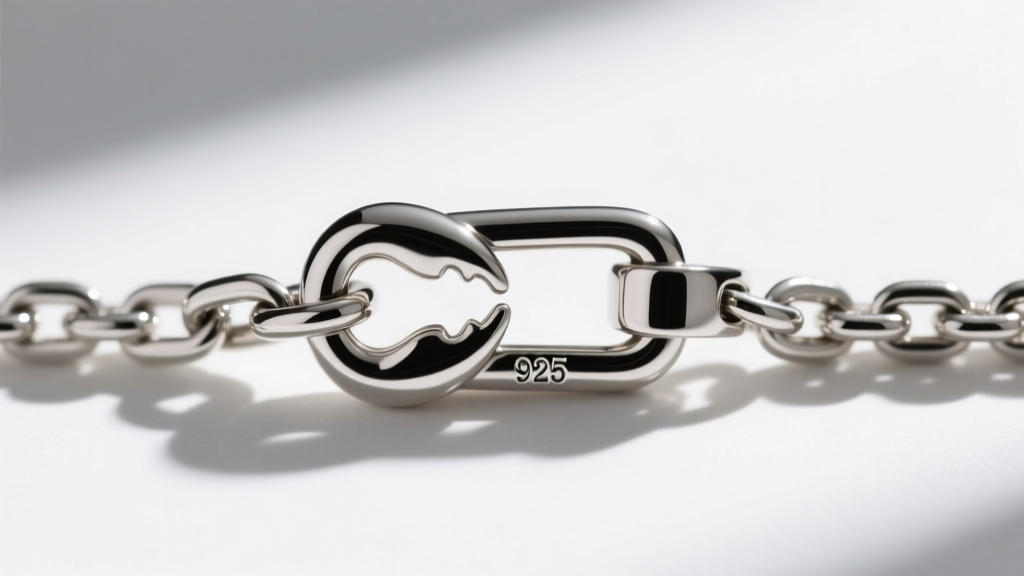
- Clasp Mechanics: Discard spring-ring clasps immediately. They are notorious for failing due to weak internal springs. Insist on a lobster claw clasp, which features a more robust internal tension mechanism and a wider gate for secure attachment to your pendant's bail.
Spotting Overpriced 'Boutique' Markups
How do you know if a $250 sterling silver Yahweh pendant is a masterpiece of artisan craftsmanship or simply a $30 mass-produced casting with a $220 'spiritual markup'? The answer lies in calculating the melt value alongside the manufacturing method.
First, determine the raw material cost. If silver is trading at roughly $0.90 per gram, a 4-gram sterling silver pendant contains approximately $3.60 worth of raw silver. Next, assess the manufacturing technique. Most commercial religious pendants are produced via lost-wax casting or die-striking. Die-striking uses immense pressure to stamp thin sheets of metal, resulting in lightweight, hollow-backed pendants that are cheap to produce. Lost-wax casting yields heavier, solid pieces with better three-dimensional depth.
A fair retail markup for a quality cast piece from an independent jeweler typically ranges from 3x to 5x the raw material cost to cover labor, overhead, and design. Therefore, a 4-gram cast silver pendant should retail between $40 and $75. If a boutique is charging $250 for a simple, cast 925 silver pendant with no gemstones or intricate hand-engraving, you are paying for their marketing budget, not their metallurgy. Always check the hallmark; as verified by institutions like The Goldsmiths' Company Assay Office, a legitimate hallmark guarantees the precious metal purity, ensuring you are at least getting the base value you paid for.
Preserving the Detail: Care and Oxidation
The aesthetic appeal of a Yahweh necklace relies heavily on the legibility of the Hebrew letters (Yod, He, Vav, He). To make these characters stand out against the metal background, jewelers frequently use a technique called oxidation. The pendant is exposed to sulfur compounds to blacken the entire piece, and then the high points are polished away, leaving the dark patina only in the recessed grooves of the letters.
This creates a beautiful, high-contrast vintage look, but it requires specific maintenance. Never put an oxidized silver pendant in an ultrasonic cleaner or use liquid silver dip. These harsh chemical and sonic processes will strip the intentional oxidation from the grooves, leaving you with a flat, entirely bright silver pendant where the letters are difficult to read.
The Proper Cleaning Protocol
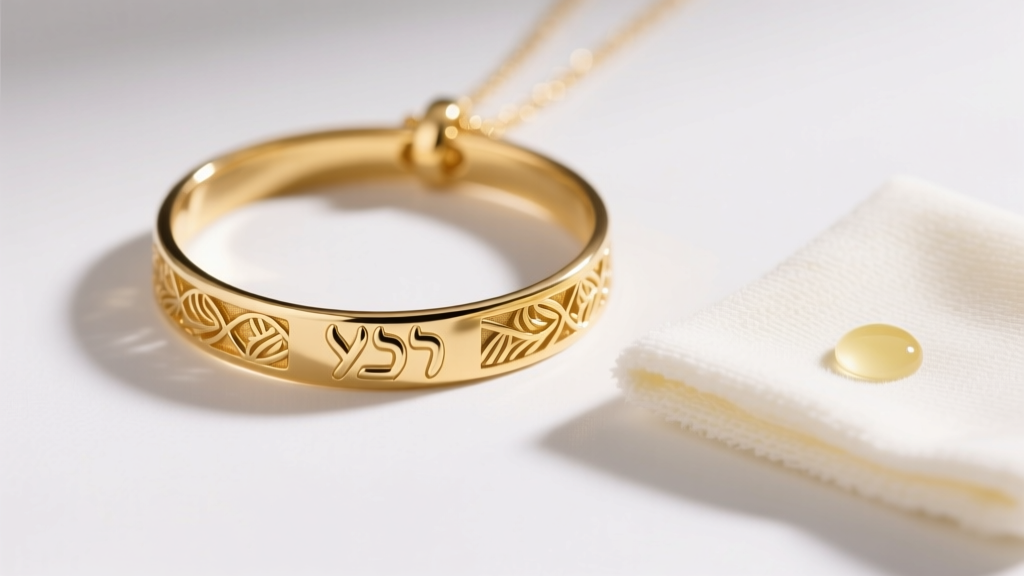
- Use a dry, treated silver polishing cloth (impregnated with micro-abrasives and anti-tarnish agents).
- Gently rub only the raised, flat surfaces and the edges of the pendant.
- Avoid pressing the cloth deep into the engraved lines of the Tetragrammaton to preserve the dark contrast.
- Store the necklace in an anti-tarnish ziplock bag with a silica gel packet to control ambient humidity, which is the primary catalyst for silver sulfide formation (tarnish).
Final Verdict on Maximizing Your Budget
Investing in a yahweh necklace is a deeply personal decision, but it should not be a financial blind spot. By prioritizing solid 925 sterling silver or 14k gold, demanding robust 1.2mm box chains with lobster clasps, and calculating the fair market value based on weight and casting methods, you can acquire a beautiful, durable piece of spiritual jewelry without falling victim to inflated boutique pricing. True value in jewelry is found where transparent metallurgy meets meaningful design.


