Yamamoto Blue Necklace: 2026 Gift Guide & Occasion Matching
Discover the ultimate 2026 gift guide for the avant-garde fashion lover. Learn how to select, style, and source a rare Yamamoto blue necklace.

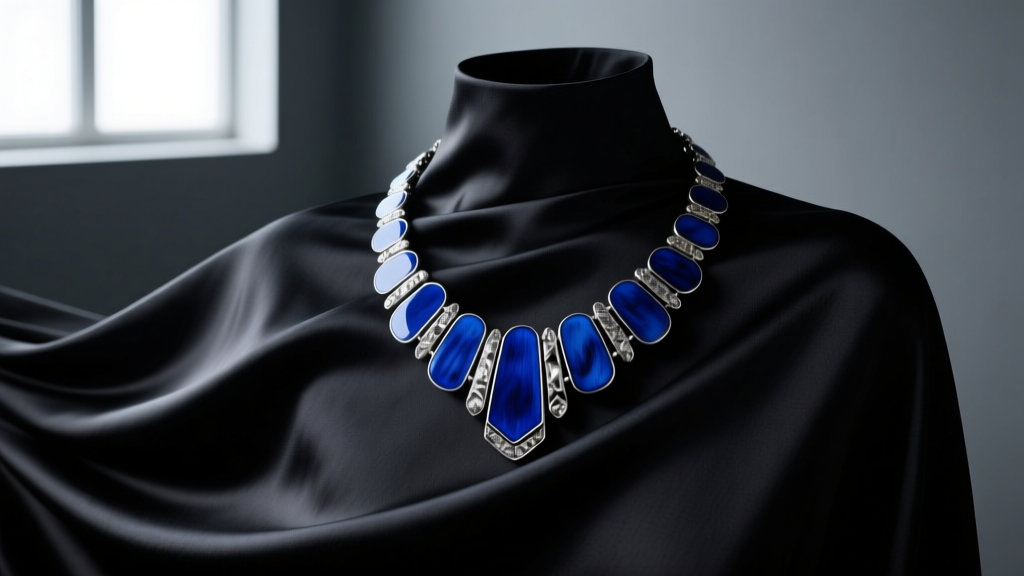
Gifting jewelry to a true fashion intellectual requires moving beyond traditional gold chains and standard diamond solitaires. In 2026, the ultimate statement piece for the avant-garde recipient is the Yamamoto blue necklace. Inspired by the moody, structural, and deeply philosophical aesthetics of Japanese avant-garde design, this specific category of jewelry relies on deep indigo tones, oxidized metals, and asymmetrical architecture. Whether you are shopping for a creative director, an art curator, or a fashion archivist, understanding the nuances of this aesthetic is crucial for selecting a piece that resonates on an emotional and sartorial level.
Decoding the Yamamoto Blue Aesthetic in Jewelry
While traditional fine jewelry chases brilliance and high-polish finishes, the Yamamoto blue aesthetic embraces melancholy, texture, and shadow. The 'blue' in question is rarely a bright sapphire or cheerful turquoise. Instead, it manifests as deep, bruised indigo, raw lapis lazuli with heavy pyrite inclusions, or midnight cobalt cold enamel. According to Vogue's Designer Directory, the avant-garde movement has always prioritized the space between the garment and the body, and the jewelry that accompanies it must reflect that same architectural rebellion.
A true Yamamoto blue necklace features intentional imperfections. You will frequently encounter 925 sterling silver that has been heavily oxidized using sulfur compounds to achieve a gunmetal or blackened finish, providing a stark, moody contrast to the deep blue focal points. The chains are rarely delicate; they favor heavy, structural links that mimic industrial hardware or samurai armor articulation.
The 2026 Occasion Matching Matrix
Because of its bold, unconventional nature, a Yamamoto blue necklace is not an everyday staple for the minimalist. It is a highly targeted gift. Use the matrix below to determine if this piece aligns with your recipient's lifestyle and the occasion at hand.
| Occasion | Recipient Archetype | Ideal Material Composition | Estimated 2026 Market Price |
|---|---|---|---|
| Milestone Birthday (30th/40th) | Art Curator / Gallery Owner | Oxidized silver with raw, unpolished lapis lazuli | $850 - $1,400 |
| Avant-Garde Wedding | Alternative Bride / Groom | Black rhodium-plated brass with midnight indigo resin | $450 - $750 |
| Fashion Industry Award | Creative Director / Stylist | Sterling silver with champlevé cobalt enamel | $1,800 - $2,800 |
| Anniversary (Non-Traditional) | Architect / Industrial Designer | Matte titanium with anodized deep blue sapphire accents | $1,200 - $2,100 |
Material Specifications & Sourcing Authenticity
When investing in high-end avant-garde jewelry, material integrity is paramount. Mass-produced costume jewelry often mimics this look using cheap alloys and painted resins that chip within months. To ensure you are gifting a piece of lasting value, you must scrutinize the metallurgy and gemology.
Gemological Depth: The Role of Lapis Lazuli
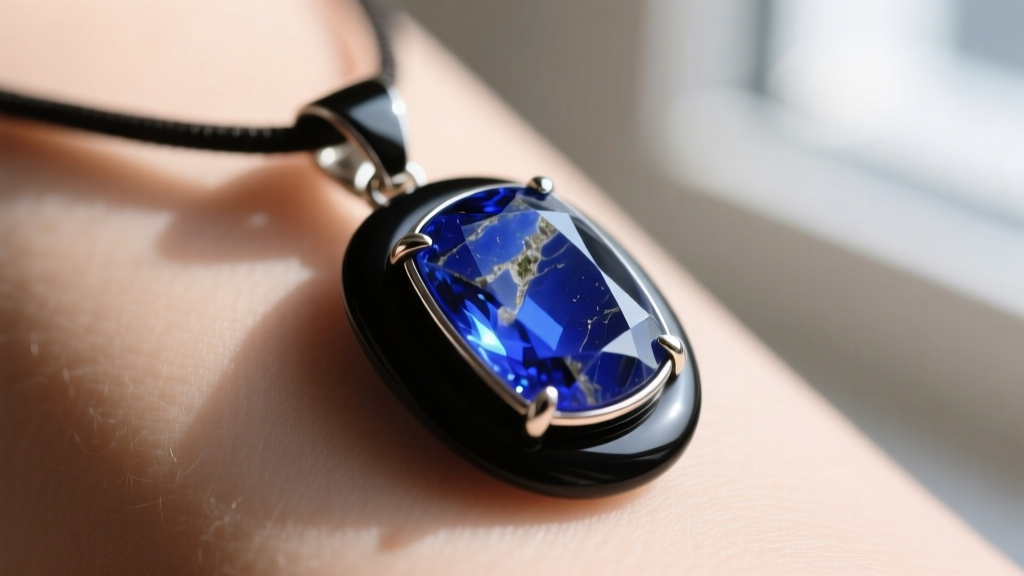
The most common gemstone used to achieve the authentic Yamamoto blue is high-grade lapis lazuli. However, unlike commercial jewelry that seeks uniform, dyed blue stones, avant-garde designers specifically source untreated Afghan or Chilean lapis that retains its natural white calcite veins and golden pyrite flecks. The Gemological Institute of America (GIA) notes that the presence of pyrite actually increases the value and authenticity of the stone in collector markets, as it proves the gem has not been synthetically reconstituted. When inspecting a piece, look for a deep, complex blue with metallic gold specks—this is the hallmark of a designer-grade stone.
Chain Gauge and Clasp Mechanics
The structural integrity of the necklace relies heavily on the chain gauge. Authentic avant-garde pieces utilize heavy curb or Cuban links ranging from 3.5mm to 5.0mm in thickness. These chains are typically finished with a black rhodium plating over sterling silver to prevent the oxidation from rubbing off onto the wearer's skin. Furthermore, traditional lobster clasps are eschewed in favor of custom-machined toggle clasps or hidden neodymium magnetic clasps that maintain the unbroken, sculptural line of the necklace.
Styling the Gift: A Guide for the Recipient
Gifting a Yamamoto blue necklace also means gifting a styling philosophy. This piece demands specific necklines to truly shine. It is easily overwhelmed by busy patterns or competing statement pieces.

- The Mandarin Collar: A high, structured mandarin collar in black or charcoal wool provides the perfect architectural frame for an asymmetrical blue pendant.
- The Deep Asymmetrical V-Neck: For evening wear, a draped, asymmetrical silk top allows the heavy oxidized chain to rest directly against the skin, creating a striking contrast between the moody metal and the wearer's complexion.
- The Rule of Isolation: Advise the recipient to wear this necklace in isolation. It should not be layered with delicate gold chains or pearl strands. It is a soloist, not a chorus member.
Authentication and Long-Term Care Instructions
To ensure your gift lasts a lifetime, include a care guide with your presentation. The very elements that make the Yamamoto blue necklace beautiful—oxidation and raw stones—make it highly sensitive to traditional jewelry cleaning methods.
- Never Use Silver Dip: Commercial silver polishing liquids are designed to strip oxidation. Using them on an avant-garde piece will ruin the intentional blackened finish, leaving it looking cheap and overly bright.
- Avoid Ultrasonic Cleaners: Raw lapis lazuli and cold enamels are porous and brittle. The high-frequency vibrations of an ultrasonic cleaner can cause micro-fractures in the stone or shatter the enamel.
- Use Renaissance Wax: For maintenance, the recipient should lightly buff the metal components with a microfiber cloth and a dab of museum-grade Renaissance Wax. This seals the oxidation and protects the enamel from skin oils and environmental humidity.
By understanding the deep material specifications, the precise styling requirements, and the specific occasions that warrant such a bold gift, you elevate the act of gifting from a simple transaction to a profound acknowledgment of the recipient's unique aesthetic identity. The Yamamoto blue necklace is more than an accessory; it is a wearable piece of fashion philosophy.