Yarn Necklace Buying Guide: Materials, Styles & Care
Discover how to choose the perfect yarn necklace. Our expert buying guide covers fiber types, hardware durability, styling tips, and proper care.

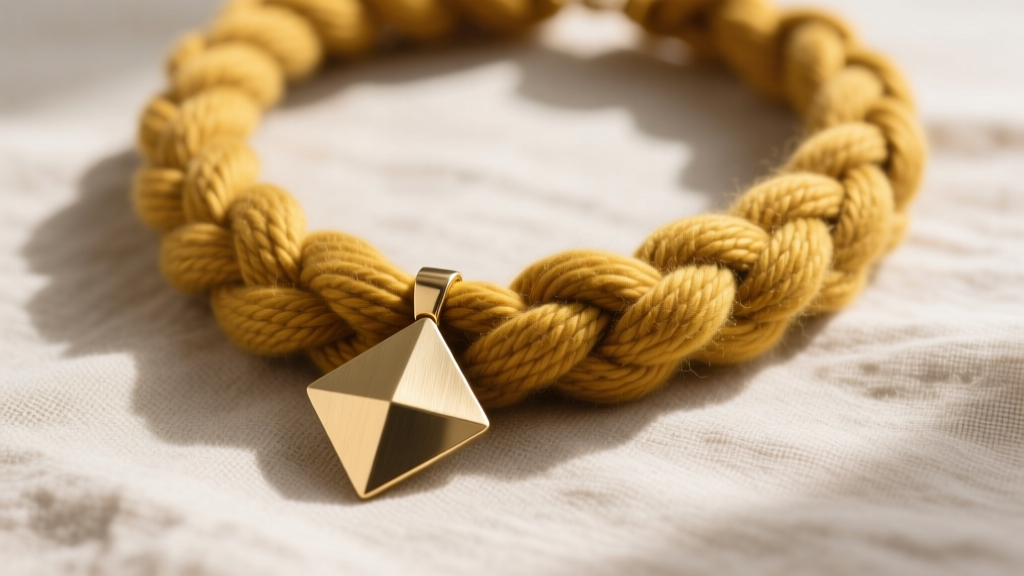
The Renaissance of Textile Jewelry
Once relegated to bohemian craft fairs, the yarn necklace has evolved into a sophisticated staple in contemporary jewelry design. As consumers in 2026 increasingly prioritize tactile, lightweight, and sustainable accessories, textile-based jewelry has surged in popularity. However, buying a yarn necklace requires a completely different evaluation framework than purchasing gold or gemstones. You are not just evaluating aesthetics; you are assessing tensile strength, fiber micron counts, structural ply, and hardware integration.
Whether you are looking for a chunky, braided winter statement piece or a delicate, lace-weight silk layering chain, this comprehensive buying guide will help you navigate the complexities of fiber composition, hardware durability, and long-term care. Understanding these nuances ensures your investment remains vibrant, structurally sound, and comfortable against your skin.
Decoding Fiber Composition: What to Wear Against Your Skin
The foundation of any yarn necklace is the fiber itself. Unlike inert metals, natural fibers are organic, reactive, and possess unique thermal and textural properties. Choosing the right material is critical for both drape and skin sensitivity.
Merino Wool and Animal Fibers
Not all wool is created equal. When evaluating a wool-based yarn necklace, the most critical metric is the micron count—the diameter of the individual fiber. Standard wool can exceed 30 microns, causing severe itching and contact dermatitis. High-end jewelry makers utilize superfine merino wool, which typically measures between 17.5 and 21.5 microns. This ultra-fine diameter allows the fibers to bend upon contact with the skin rather than prick it, providing a cashmere-like feel. Furthermore, look for superwash merino, which has been treated to remove the microscopic scales on the fiber, preventing the necklace from felting or shrinking if exposed to moisture.
Mercerized Cotton and Plant Fibers
For warmer climates or buyers with lanolin allergies, cotton is the premier choice. However, standard matte cotton lacks the luster required for fine jewelry. Seek out mercerized cotton. This yarn undergoes a sodium hydroxide treatment under tension that swells the fibers, increasing their light reflection and resulting in a silky, almost metallic sheen. According to textile experts at Interweave, mercerization also increases the yarn's tensile strength by up to 20%, making it highly resistant to the pulling and stretching that necklaces endure.
Silk and Luxury Blends
Silk yarn offers unparalleled drape and a natural temperature-regulating effect. Silk noil (often mistakenly called raw silk) provides a beautiful, nubby texture that grips pendants securely, while spun silk offers a smooth, high-gloss finish. Be cautious of silk-wool blends; while they offer the best of both worlds, they require meticulous care to avoid ruining either fiber component during cleaning.
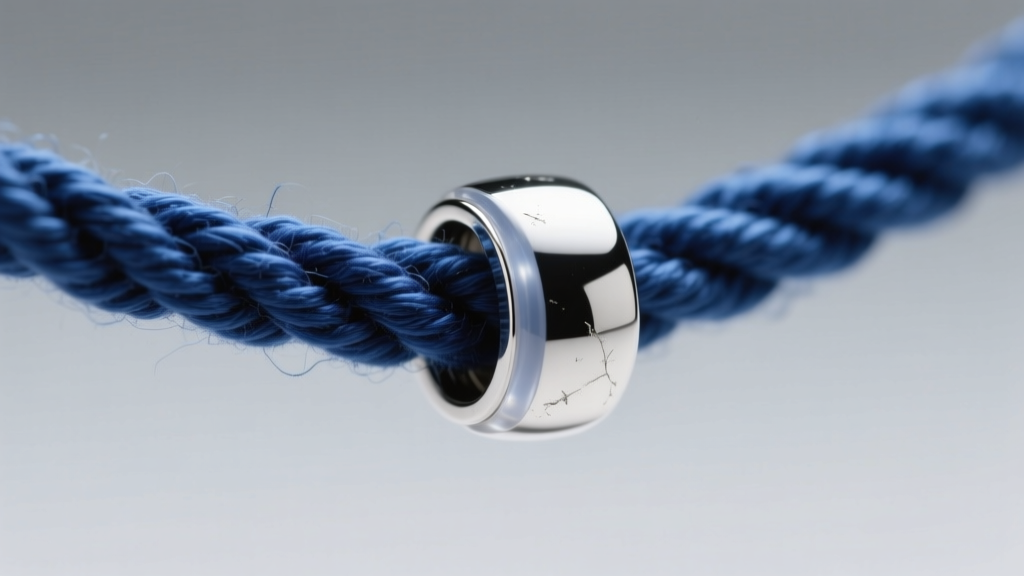
Yarn Weight, Ply, and Structural Integrity
A common mistake buyers make is judging a yarn necklace solely by its thickness. In textile arts, thickness is categorized by weight, but ply dictates structural integrity. The Craft Yarn Council standardizes these weights, but understanding how they translate to jewelry is vital.
- Lace (0) and Super Fine (1): Ideal for delicate, multi-strand layering necklaces. These require secure bead-knotting techniques to prevent gems from sliding.
- Fine (2) and Light (3): The sweet spot for everyday yarn necklaces. They offer enough body to hold a medium-sized pendant without stretching out of shape.
- Medium (4) and Bulky (5): Best for bold, winter statement pieces, often utilized in macrame or thick braiding techniques.
The Importance of Ply
Ply refers to the number of individual strands twisted together to make the yarn. A single-ply yarn (roving) is incredibly soft but highly prone to pilling, fraying, and biasing (twisting on itself). For a durable yarn necklace, always opt for a balanced 3-ply or 4-ply construction. The counter-twist of multiple plies neutralizes the yarn's natural torque, ensuring the necklace hangs straight and resists the friction of daily wear.
Hardware and Finishing: The Hidden Dealbreakers
The transition point where the soft textile meets the metal clasp is the most common failure point in yarn jewelry. A poorly finished end will unravel, snap, or slip out of its casing within weeks.
Crimp Ends and Adhesives
High-quality yarn necklaces utilize specialized hardware to secure the fibers. Ribbon crimps (toothed metal clamps) are excellent for flat, braided yarns, while fold-over cord ends are necessary for bulky, rounded braids. The hardware alone is not enough; it must be paired with a flexible, jewelry-grade adhesive. Makers should use E6000 or G-S Hypo Cement, which dry with a slight flexibility. Avoid cyanoacrylate (Super Glue), which dries brittle and will shatter when the yarn naturally flexes against the collarbone.
Clasp Selection
Lobster clasps are standard, but for thicker yarn necklaces, a magnetic toggle clasp is vastly superior. It reduces the strain on the yarn ends caused by fumbling with tiny jump rings and prevents the metal from snagging the delicate fibers.
Fiber Comparison Matrix
| Material | Micron / Texture | Durability | Skin Sensitivity | Price Range |
|---|---|---|---|---|
| Superfine Merino | 17.5 - 21.5 microns | Medium | Low (if superwash) | $$ |
| Mercerized Cotton | Smooth, high luster | High | Very Low | $ |
| Spun Silk | High gloss, sleek | Medium-High | Very Low | $$$ |
| Silk Noil | Nubby, matte texture | High | Low | $$ |
| Acrylic Blend | Variable, synthetic | Low (pills easily) | Medium (traps heat) | $ |
Dye Lots, Colorfastness, and Skin Safety
Because yarn is highly porous, it absorbs dyes deeply. However, poorly set dyes can bleed onto your skin or clothing, especially when exposed to sweat or humidity. When purchasing a hand-dyed yarn necklace, inquire about the maker's dye-setting process. Professional fiber artists use acid dyes for protein fibers (wool, silk) and fiber-reactive dyes for cellulose fibers (cotton, linen), both of which require heat and chemical fixatives to bond the color permanently to the molecular structure of the fiber.
Always perform a spot test on a discrete section of a brightly colored yarn necklace with a damp white cloth before wearing it over light-colored silk or linen garments to ensure the dye is fully fixed.
Furthermore, individuals prone to contact dermatitis should be wary of mass-produced, synthetic yarn necklaces. As noted by the American Academy of Dermatology, certain disperse dyes used in cheap synthetic textiles are common triggers for allergic contact dermatitis. Opting for naturally dyed or OEKO-TEX certified yarns mitigates this risk significantly.
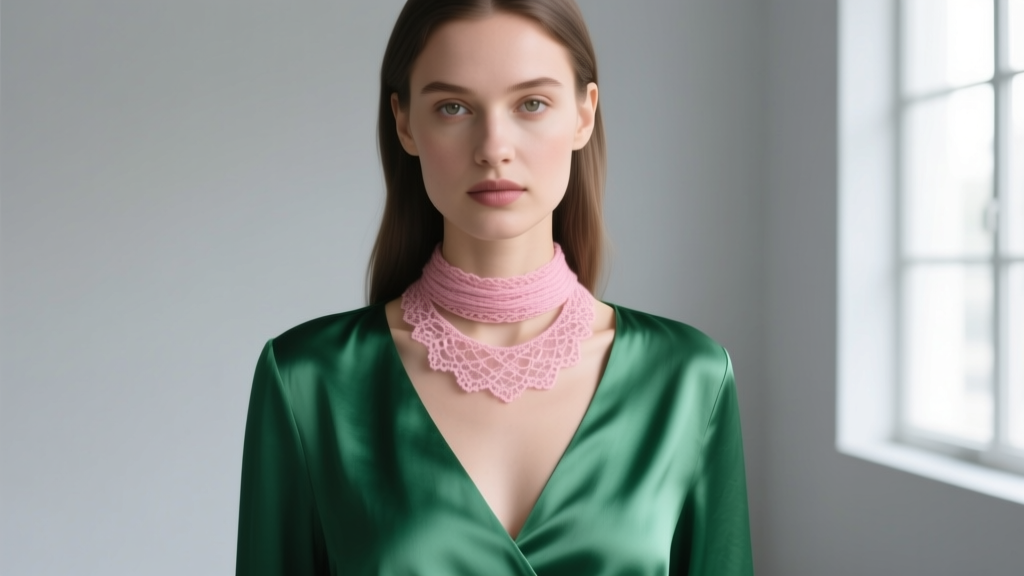
Styling Frameworks for Yarn Necklaces
Styling a yarn necklace requires balancing the visual weight of the textile with your neckline. The matte or semi-matte texture of yarn absorbs light, meaning it relies on contrast and scale to make an impact.
The V-Neck and Plunge
For deep V-necks, utilize a long, 28-to-32-inch yarn lariat or a pendant necklace featuring a heavy, polished stone. The smooth, reflective surface of the stone contrasts beautifully with the matte texture of the yarn, drawing the eye downward and elongating the torso.
The Crew Neck and Turtleneck
When wearing high necklines, opt for a shorter, 16-to-18-inch chunky, multi-ply yarn necklace. A tightly braided, bulky wool necklace worn over a fine-gauge merino turtleneck creates a rich, monochromatic textural play that is highly sophisticated for autumn and winter wardrobes.
Layering with Metals
Mixing media is a major trend. Pair a delicate, lace-weight silk yarn choker with a rigid, 14k gold-filled serpentine chain. The juxtaposition of the organic, fluid silk against the structured, luminous metal creates a curated, avant-garde aesthetic.
Care, Maintenance, and Storage
Textile jewelry requires a proactive maintenance routine to preserve its structural integrity and vibrancy.
- Cleaning: Never machine wash a yarn necklace. Submerge it in cool water with a pH-neutral wool wash (like Eucalan) for 15 minutes. Gently press out excess water in a microfiber towel and lay it flat to dry, reshaping the braid or twist as it dries.
- Friction Management: Avoid wearing wool or cotton yarn necklaces with rough fabrics like raw denim or sequined tops, which will cause rapid pilling and fraying.
- Storage: Store your necklaces flat or loosely coiled in a breathable cotton bag. Never hang a heavy yarn necklace, as the constant gravitational pull will permanently stretch the fibers and distort the ply. For animal fibers, include a cedar block or dried lavender sachet in the storage bag to naturally repel clothing moths without the use of harsh chemical mothballs.
Final Thoughts
A well-crafted yarn necklace is a testament to the intersection of traditional fiber arts and modern jewelry design. By scrutinizing the micron count, demanding balanced ply constructions, and ensuring professional-grade hardware integration, you can curate a collection of textile jewelry that is as durable as it is beautiful. Approach your next purchase with an eye for these technical details, and your yarn necklaces will remain cherished, wearable art for years to come.


