YVL Necklace Review 2026: Budget, Materials & True Value
Is the viral YVL necklace worth the price tag? We break down its 2026 retail cost, PVD plating longevity, and raw material value to help you decide.

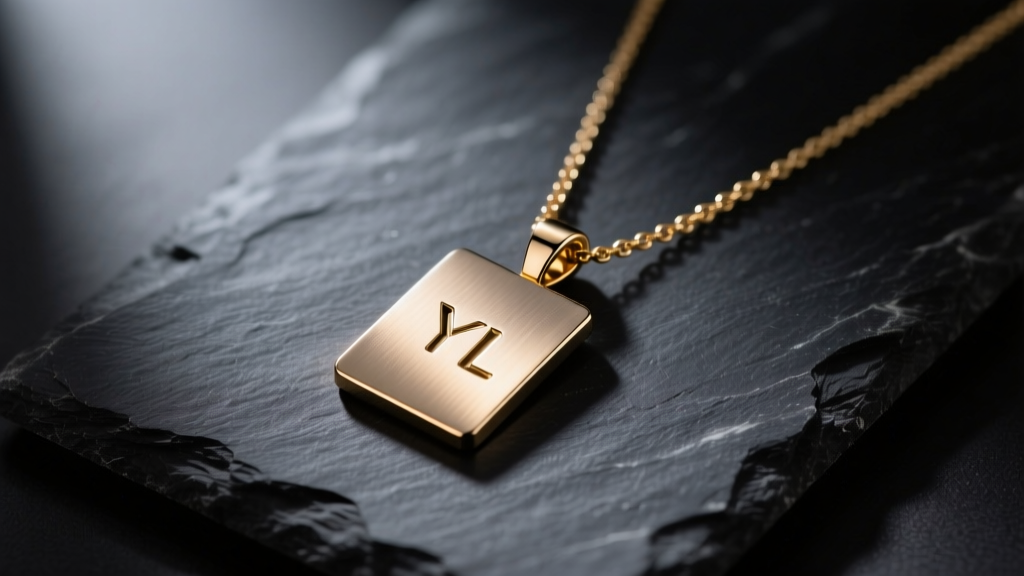
The Hype vs. The Hardware: What is the YVL Necklace?
In the crowded landscape of contemporary streetwear and minimalist jewelry, the YVL necklace has carved out a massive footprint by 2026. Frequently spotted on influencers, athletes, and style curators, it has become a staple accessory for those seeking a rugged yet refined aesthetic. But when a piece of jewelry transitions from a niche indie brand to a viral sensation, the inevitable question arises: are you paying for exceptional craftsmanship, or just a highly effective marketing algorithm?
Retailing anywhere from $85 to $145 depending on the specific pendant drop and chain length, the YVL necklace sits in a precarious middle ground. It is significantly more expensive than fast-fashion alloy alternatives, yet far cheaper than solid 14k or 18k gold pieces from legacy jewelers. To determine its true value, we must strip away the social media hype and evaluate the metallurgy, manufacturing processes, and mechanical longevity of the piece. This comprehensive budget and value assessment will reveal whether the YVL necklace deserves a permanent spot in your daily rotation or your shopping cart.
Material Breakdown: 316L Steel and the PVD Advantage
The foundation of the standard YVL necklace is 316L surgical stainless steel. Unlike the 304-grade steel used in cheaper department store jewelry, 316L contains an added 2-3% molybdenum, which drastically increases its resistance to pitting and corrosion from chlorides (like sweat and seawater). From a raw material standpoint, stainless steel is incredibly affordable. A 22-inch, 4mm Cuban link chain made of 316L steel contains roughly $2 to $4 worth of raw metal. Therefore, the $100+ price tag is not justified by the intrinsic value of the base metal.
However, the value proposition shifts when we examine the manufacturing and finishing processes. YVL utilizes CNC (Computer Numerical Control) machining for their pendants, ensuring microscopic precision in their geometric designs and brand hallmarks. The edges are hand-polished to prevent snagging on garments, a labor-intensive step that mass-market brands routinely skip.
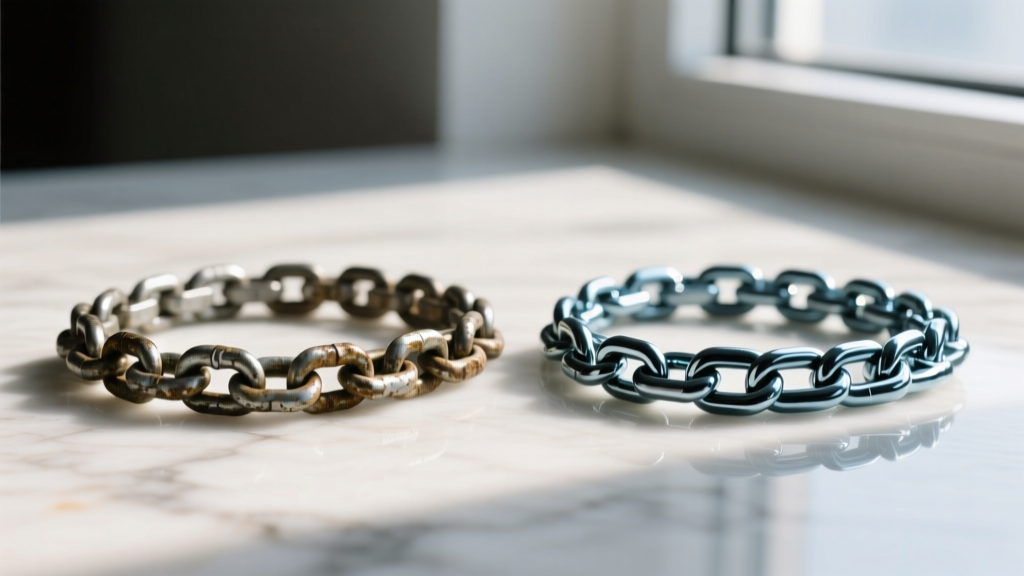
The Truth About 18k PVD Gold Coating
If you opt for the gold-toned version of the YVL necklace, you are not getting traditional electroplating. Instead, the brand uses Physical Vapor Deposition (PVD). In a vacuum chamber, titanium nitride (TiN) is vaporized and bonded to the steel at a molecular level, followed by an 18k gold color layer. According to the Federal Trade Commission's Jewelry Guides, brands must be transparent about plating thickness and methods. While traditional electroplating yields a gold layer of about 0.05 to 0.1 microns that flakes and tarnishes within months, PVD coatings typically range from 0.3 to 1.5 microns.
This molecular bond makes PVD up to five times more resistant to friction and UV degradation. You can wear a PVD-coated YVL necklace in the gym or the shower without the immediate dread of the chain turning your skin green or fading to a brassy copper tone. For buyers who want the look of gold without the $2,000+ investment of solid 14k gold, PVD-coated 316L steel represents the absolute pinnacle of budget-friendly durability.
Cost Analysis: Are You Paying for the Brand or the Metal?
To accurately assess the budget value of the YVL necklace, we must compare it against the broader market spectrum. The jewelry industry operates on massive markups, but direct-to-consumer brands like YVL generally operate on a 4x to 6x markup from the factory floor to the retail price, compared to the 10x to 20x markup seen in traditional mall jewelers. Below is a comparative breakdown of where the YVL necklace sits in the 2026 market landscape.
| Jewelry Tier | Base Material | Plating / Finish | Expected Lifespan | Avg. Price Range | Tarnish Resistance |
|---|---|---|---|---|---|
| Fast Fashion | Zinc/Brass Alloy | Flash Electroplating (<0.05µm) | 1 - 6 Months | $15 - $35 | Very Low |
| Mid-Tier (YVL) | 316L Stainless Steel | PVD Coating (0.5 - 1.5µm) | 2 - 5+ Years | $85 - $145 | High |
| Premium Indie | 925 Sterling Silver | Rhodium / Heavy Vermeil | 5 - 10 Years | $150 - $300 | Medium (Requires Polish) |
| Fine Jewelry | Solid 14k / 18k Gold | Solid Alloy (No Plating) | Lifetime / Heirloom | $800 - $2,500+ | Very High |
As highlighted by the Gemological Institute of America (GIA), precious metals like sterling silver and gold require specific care to maintain their luster, whereas steel alloys offer a 'wear-and-forget' convenience. When you buy the YVL necklace, you are paying for the CNC design, the PVD vacuum processing, and the brand's cultural cachet—not the raw steel. If your primary goal is pure intrinsic metal value, the YVL necklace is a poor investment. If your goal is a highly durable, design-forward accessory that won't degrade in the rain, the value proposition is exceptionally strong.
Durability, Clasps, and Mechanical Failure Points
A necklace is only as strong as its weakest mechanical link. In budget jewelry, the failure point is almost always the jump ring—the small circular wire that connects the chain to the clasp. Standard jump rings are simply bent wire with a slit; under roughly 3 to 5 pounds of tension (such as getting snagged on a door handle), the slit pulls apart, and the pendant is lost.
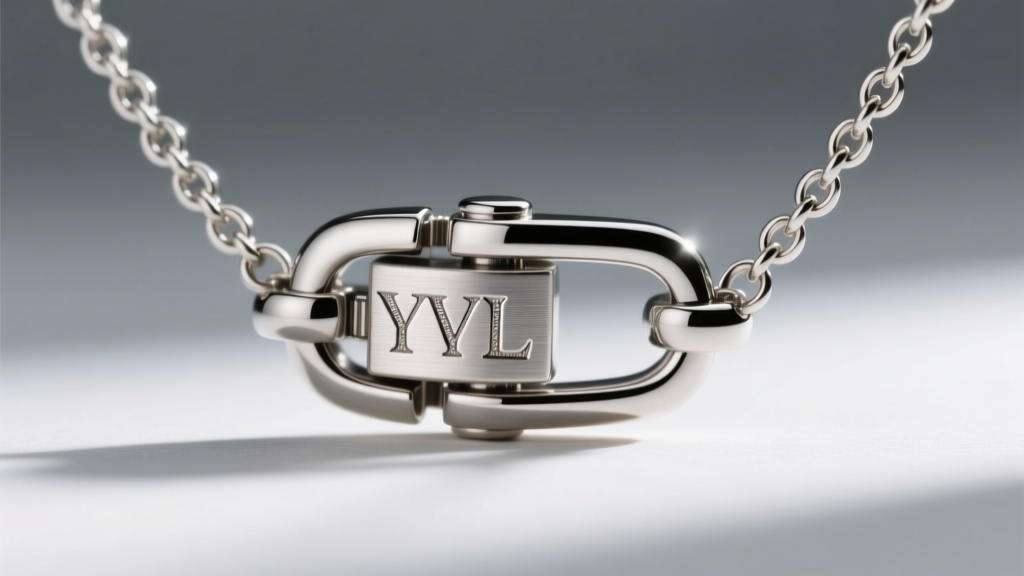
YVL addresses this structural vulnerability by utilizing laser-welded jump rings on their premium chains and custom-machined lobster clasps. The lobster clasp features a reinforced internal spring mechanism that prevents the lever from bending backward over time, a common issue with cheap cast clasps. Furthermore, the brand laser-engraves their hallmark on the clasp plate rather than the pendant bail, ensuring that the branding remains visible even if the wearer swaps out the pendant for a different chain.
However, it is worth noting that while 316L steel is incredibly tough, it is difficult to resize or repair. If a link breaks or the chain snaps, traditional jewelers often refuse to solder stainless steel due to the high melting point and the risk of contaminating their gold/silver soldering benches. You are effectively buying a highly durable, but ultimately unrepairable, item.
Maintenance and Cost-Per-Wear Framework
To truly evaluate the budget of the YVL necklace, we must apply a Cost-Per-Wear (CPW) framework. A $120 necklace worn 4 times a week for two years (roughly 416 wears) equates to a CPW of $0.28. Compare this to a $30 fast-fashion chain that turns your neck green after 15 wears (CPW of $2.00), and the YVL necklace actually emerges as the more economical choice over time.
Maintenance is virtually non-existent. Unlike sterling silver, which requires regular polishing with a jeweler's cloth to remove silver sulfide tarnish, PVD-coated steel only requires an occasional wipe with a damp microfiber cloth to remove skin oils and lotion buildup. Avoid ultrasonic cleaners, as the high-frequency vibrations can occasionally cause micro-fractures in the PVD layer over extended periods, but otherwise, the piece is entirely waterproof.
Final Verdict: Who Should Buy the YVL Necklace?
The YVL necklace is a masterclass in modern, accessible luxury. It bridges the gap between disposable trend pieces and unattainable fine jewelry. You should buy it if: you want a waterproof, sweat-proof daily driver with a contemporary streetwear aesthetic, and you value precision CNC machining and PVD longevity over intrinsic precious metal value. You should skip it if: you are a precious metal purist who demands the warmth and resale value of solid 14k gold, or if you prefer the vintage, oxidizing patina that only raw sterling silver can provide.
Ultimately, for the $85 to $145 price bracket in 2026, the YVL necklace offers an outstanding ratio of design, durability, and brand prestige, making it a highly rational purchase for the modern wardrobe.


