Material Guide: Choosing Metal for a Zodiac Sign Necklace
Compare metals for your zodiac sign necklace. Discover durability, tarnish resistance, and pricing for gold, silver, and titanium astrological pendants.

The Intersection of Astrology and Metallurgy
A zodiac sign necklace is more than a fleeting fashion accessory; it is a deeply personal talisman that represents your cosmic identity. Because these pieces carry sentimental weight, they are often worn 24/7, subjected to the rigors of daily life, skin pH fluctuations, and environmental exposure. As we navigate the jewelry landscape in 2026, the demand for astrological pendants has surged, but many buyers overlook the most critical factor in their purchase: metallurgy. Choosing the right metal dictates not only the aesthetic of your constellation or astrological glyph but also its longevity, skin compatibility, and maintenance requirements. This comprehensive guide breaks down the material properties of the most popular metals used in zodiac jewelry, providing you with the technical knowledge needed to make an informed investment.
Precious Metals: Gold Karats and Astrological Pendants
Gold remains the premier choice for fine zodiac jewelry, but understanding karatage is essential for balancing color depth with structural integrity. Pure 24k gold is far too soft (approx. 25-30 on the Vickers hardness scale) for daily wear pendants, as intricate engravings like the scales of Libra or the twin faces of Gemini would quickly wear smooth.
14k vs. 18k Gold: Durability vs. Color Depth
According to the Gemological Institute of America (GIA), the alloy metals mixed with pure gold determine both its color and its hardness. 18k gold (75% pure gold) offers a rich, buttery yellow hue but sits at roughly 125 HV (Vickers Hardness). 14k gold (58.5% pure gold), alloyed with higher percentages of copper and zinc, achieves a hardness of approximately 150 HV. For a zodiac sign necklace featuring deep relief casting or sharp laser-engraved star maps, 14k gold is the superior choice. It holds crisp edge details significantly better over decades of wear. Furthermore, a 14k gold zodiac pendant typically ranges from $350 to $800 depending on weight, offering a more accessible entry point into fine jewelry compared to 18k counterparts, which often exceed $1,000 for solid cast pieces.
White Gold and Rhodium Plating
If your zodiac aesthetic leans toward modern or celestial silver tones, white gold is a common choice. However, buyers must understand that white gold is naturally a pale yellow-grey alloy. It requires rhodium plating (usually 0.1 to 0.3 microns thick) to achieve a brilliant white finish. Over 12 to 18 months of daily wear, friction against the skin and clothing will wear this plating down, requiring professional re-dipping. For low-maintenance wearers, platinum or palladium alternatives are vastly superior, though they come with a 40-60% price premium.
Sterling Silver and Oxidation: The Tarnish Factor
Sterling silver (stamped 925) is the most popular metal for accessible zodiac sign necklaces, typically priced between $45 and $150. It consists of 92.5% pure silver and 7.5% copper. While the copper provides necessary structural rigidity, it is also the culprit behind silver's notorious tendency to tarnish. Copper reacts with sulfur compounds in the atmosphere, as well as the natural acids and lotions on your skin, forming a layer of silver sulfide.
Intentional Oxidation for Constellation Details
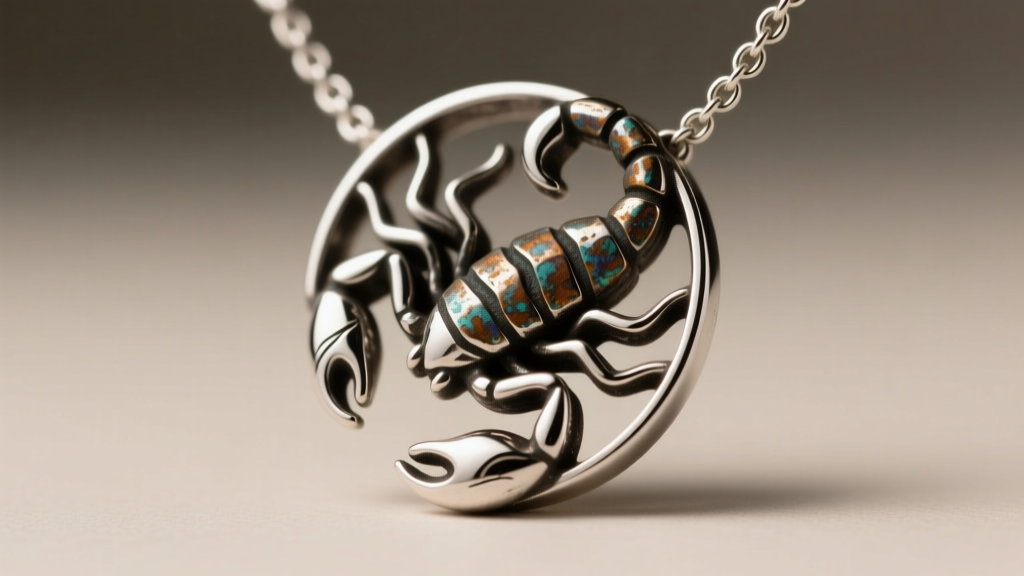
Many artisan jewelers turn this chemical vulnerability into an aesthetic advantage through intentional oxidation, also known as antiquing. By applying liver of sulfur to the finished zodiac pendant, the jeweler forces rapid tarnishing, turning the recessed areas of a star map or zodiac glyph pitch black. The high points are then hand-polished, creating a striking, high-contrast vintage look. The Silver Institute notes that oxidized silver requires specific care: you must avoid ultrasonic cleaners and harsh liquid silver dips, as these will strip the intentional darkening from the crevices, ruining the pendant's depth and contrast.
- Care Tip: Use a treated jeweler's cloth (like a Sunshine cloth) to gently buff only the raised, polished areas of your zodiac pendant.
- Storage: Store silver astrological necklaces in anti-tarnish zip bags with silica gel packets to arrest the oxidation process when not in use.
- Coatings: Some mass-market silver zodiac necklaces are flashed with e-coating or clear lacquer to prevent tarnish. While effective short-term, these coatings eventually peel and cannot be easily repaired at home.
Alternative Metals: Titanium and Stainless Steel
For those seeking maximum durability, hypoallergenic properties, and a contemporary industrial aesthetic, alternative metals have carved out a significant niche in the 2026 zodiac jewelry market. These metals are particularly favored for men's zodiac sign necklaces or for individuals with severe nickel allergies.
316L Surgical Steel vs. Grade 2 Titanium
316L surgical stainless steel is incredibly hard (approx. 200 HV) and highly resistant to scratching and bending. However, it is heavy (density of 8.0 g/cm³) and can occasionally cause reactions in highly sensitive individuals due to trace nickel content. Grade 2 Titanium, on the other hand, is the ultimate biological metal. It is 100% nickel-free, completely impervious to tarnish, and roughly 45% lighter than steel (density of 4.5 g/cm³). When laser-engraved, titanium yields a stark, dark grey contrast that is perfect for minimalist constellation dot-matrices. While titanium cannot be resized or easily soldered if a jump ring breaks, its sheer indestructibility makes it a 'buy it for life' option for daily-wear talismans.
| Metal | Hardness (HV) | Density | Tarnish Risk | Avg. Price Range |
|---|---|---|---|---|
| 14k Yellow Gold | ~150 | 13.0 g/cm³ | None | $350 - $800 |
| 925 Sterling Silver | ~65 | 10.3 g/cm³ | High | $45 - $150 |
| 316L Steel | ~200 | 8.0 g/cm³ | Low | $25 - $75 |
| Grade 2 Titanium | ~160 | 4.5 g/cm³ | None | $60 - $180 |
Chain Mechanics: Matching Gauge to Pendant Weight
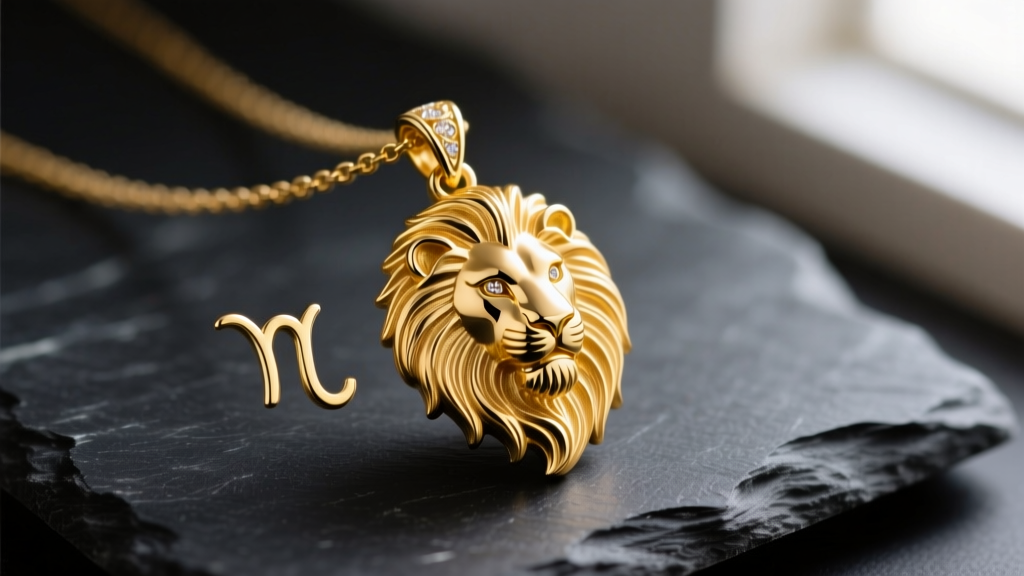
A common failure point in zodiac jewelry is not the pendant itself, but the chain supporting it. The material properties of your chain must be matched to the mass of your zodiac pendant. A delicate 0.8mm cable chain in 925 silver will easily stretch, kink, or snap under the weight of a solid cast 15-gram gold Leo pendant.
The 1:10 Weight Ratio Rule
Expert jewelers recommend that the pendant should not weigh more than 10 times the weight of the chain. For heavy, solid-metal zodiac pendants, opt for structural chain styles like the Wheat chain, Rope chain, or Box chain, ideally in a 1.2mm to 1.5mm gauge. Furthermore, always inspect the clasp. Spring ring clasps are notoriously fragile and prone to internal spring failure; a solid lobster clasp with a properly soldered jump ring is mandatory for securing valuable astrological heirlooms.
Expert Verdict: Matching Metal to Your Zodiac Element
Beyond pure metallurgy, many buyers in 2026 are aligning their material choices with their astrological elements to create a cohesive energetic profile. While personal preference always reigns supreme, here is a structural framework for matching metal properties to elemental archetypes:
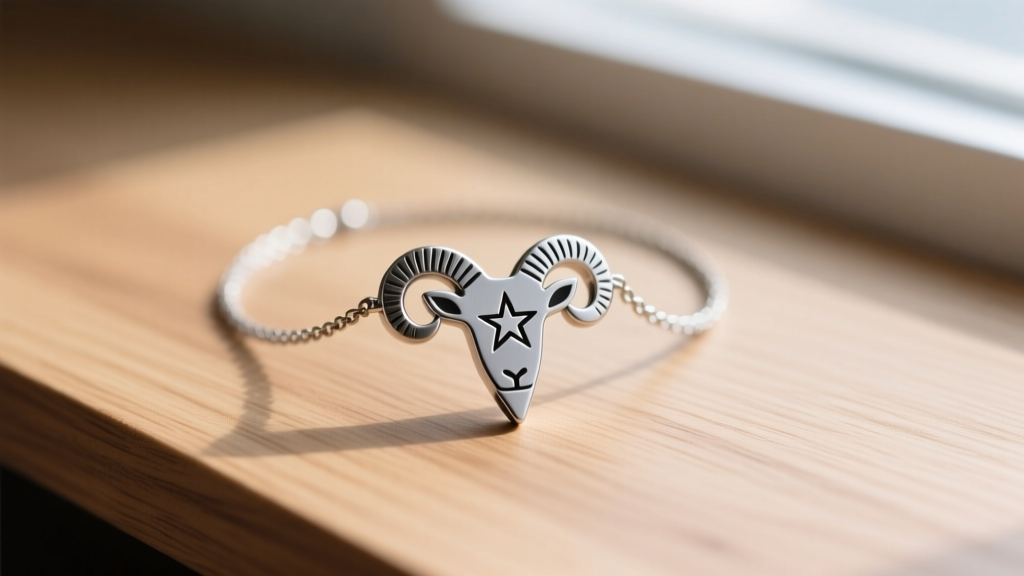
Fire Signs (Aries, Leo, Sagittarius): Best paired with 14k Yellow Gold. The warm, reflective properties of yellow gold complement the bold, high-polish finishes often used in fire sign iconography. The hardness of 14k gold ensures sharp, aggressive design elements remain intact.
Earth Signs (Taurus, Virgo, Capricorn): Ideal in Oxidized Sterling Silver or Bronze. The grounded, textured, and antiqued finishes reflect the natural, enduring qualities of the earth element. Bronze develops a unique, organic patina over time, mirroring the earth sign's connection to natural cycles.
Air Signs (Gemini, Libra, Aquarius): Suited for White Gold or Platinum. The cool, sleek, and highly polished surfaces of white metals align with the intellectual, modern, and ethereal nature of air signs. Platinum's extreme density provides a substantial feel for intricate, geometric air sign glyphs.
Water Signs (Cancer, Scorpio, Pisces): Beautifully expressed in Rose Gold or High-Polish Silver. The subtle warmth and fluid color of rose gold mimic the emotional depth and adaptability of water signs, while its copper content provides excellent durability for intricate, flowing pendant designs.
Conclusion
Selecting the right metal for your zodiac sign necklace requires looking past the initial aesthetic and evaluating the metallurgical realities of daily wear. Whether you prioritize the crisp engraving retention of 14k gold, the high-contrast vintage appeal of oxidized sterling silver, or the indestructible, hypoallergenic nature of Grade 2 titanium, understanding these material properties ensures your astrological talisman will endure. By matching the metal's physical characteristics—and its elemental resonance—to your lifestyle, you secure a piece of cosmic jewelry that will faithfully reflect your identity for decades to come.


