Why The Annika Witt Jewelry Bracelet Defines 2026 Wrist Trends
Discover why the Annika Witt jewelry bracelet defines 2026 wrist trends. Explore sculptural minimalism, material grades, and expert stacking guides.

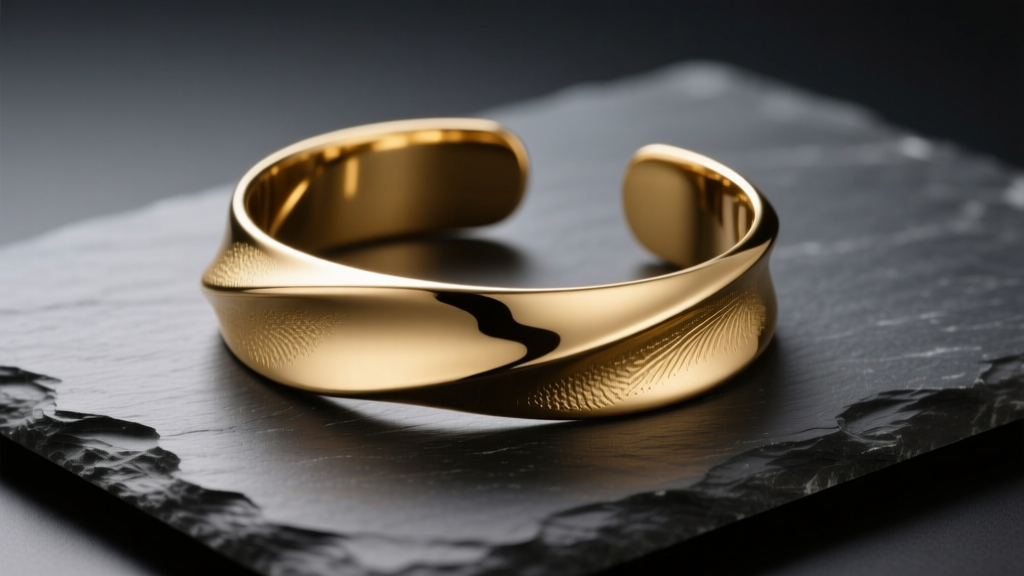
The landscape of luxury wristwear has undergone a seismic shift as we move deeper into 2026. Gone are the days when the ultimate flex was a whisper-thin, diamond-encrusted chain. Today, the modern collector craves substance, architectural integrity, and a profound connection to material origins. At the absolute epicenter of this movement is the Annika Witt jewelry bracelet, a masterclass in contemporary, sculptural minimalism that has effectively rewritten the rules of wrist styling. As a leading authority on jewelry trends, Jewel Style Radar has analyzed the metallurgical, aesthetic, and cultural factors that elevate this specific design ethos from a mere accessory to a definitive 2026 style benchmark.
The Anatomy of an Annika Witt Jewelry Bracelet
To understand the cultural cachet of the Annika Witt jewelry bracelet, one must first deconstruct its physical anatomy. Unlike mass-market bangles that rely on high-polish finishes to mask inferior casting techniques, Witt’s designs embrace the raw, unyielding nature of precious metals. The signature cuffs typically feature an 11mm to 14mm width with a substantial 3.2mm gauge thickness, resulting in a piece that carries a deliberate, grounding weight on the wrist—often hovering between 38 and 45 grams depending on the exact wrist circumference.
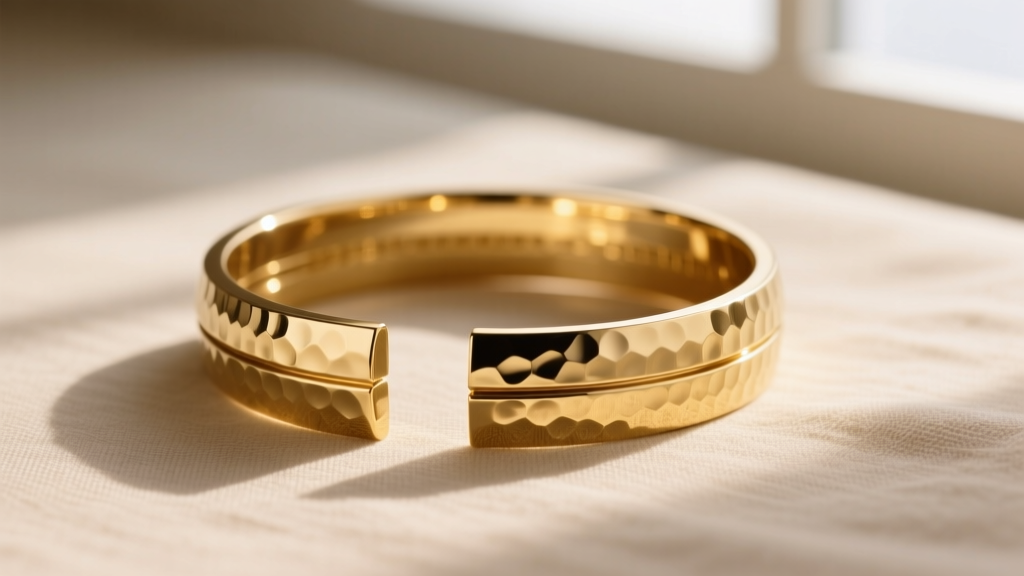
The finishing technique is where the true artistry lies. Instead of a mirror polish, these pieces utilize a micro-sandblasted matte finish. This texture not only diffuses light in a way that highlights the organic, brutalist-inspired contours of the metal but also serves a highly practical purpose: it masks the micro-scratches that inevitably accumulate on daily-wear gold, ensuring the bracelet ages with a dignified patina rather than looking worn.
Metallurgy and Sustainable Material Sourcing
The modern luxury consumer demands transparency, and the 2026 trend cycle heavily penalizes brands that cannot verify their supply chains. The Annika Witt jewelry bracelet is predominantly cast in SCS-Certified 100% recycled 14k and 18k gold. But the specific alloy composition is what separates artisanal mastery from commercial jewelry.
- 14k Palladium White Gold: Rather than using nickel (which causes contact dermatitis and requires rhodium plating that wears off), high-end sculptural cuffs utilize palladium as the whitening agent. This creates a naturally warm, grayish-white hue that requires no plating and develops a beautiful, soft luster over time.
- Vickers Hardness (HV): A standard cast 14k gold bangle sits at roughly 120 HV, making it prone to warping if squeezed. The architectural cuffs defining this trend are work-hardened post-casting to achieve a 150-160 HV rating, providing the structural rigidity required for a hinge-less, tension-fit cuff.
- Traceability: According to the Responsible Jewellery Council, the demand for fully traceable, recycled precious metals has grown by over 40% in the luxury sector over the last three years, a metric that independent designers like Witt have capitalized on to build immense brand trust.
'The weight of a bracelet is no longer just a measure of its gold content; it is a measure of its intentionality. Sculptural pieces demand that the wearer acknowledge the metal's presence.' — Contemporary Jewelry Design Quarterly, 2025
2026 Trend Analysis: The Shift to Architectural Minimalism
Why has the Annika Witt jewelry bracelet captured the zeitgeist right now? The answer lies in the broader macroeconomic and fashion shifts of the mid-2020s. Following the 'Quiet Luxury' trend of 2023-2024, which favored understated, logo-less goods, 2026 has ushered in 'Architectural Minimalism.' Consumers are buying fewer items, but demanding that each piece possess a distinct, almost brutalist physical presence.
Market Shift: Delicate Chains vs. Sculptural Cuffs
Data from luxury retail analysts indicates a stark pivot in consumer spending habits regarding wristwear. The table below illustrates the shifting preferences in the fine jewelry market over the last 36 months.
| Metric | 2023-2024 (Quiet Luxury) | 2025-2026 (Architectural Minimalism) |
|---|---|---|
| Dominant Silhouette | Delicate tennis bracelets, 2mm chains | Solid cuffs, 10mm+ hinged bangles |
| Primary Finish | High-polish, rhodium-plated | Sandblasted matte, brushed, hammered |
| Visual Weight | Ethereal, skin-baring | Grounding, structural, opaque |
| Consumer Priority | Versatility, layering potential | Standalone impact, artisanal origin |
| Average Price Point | $800 - $2,500 | $2,800 - $6,500 |
As noted by Vogue Business, the modern luxury buyer views heavy, sculptural jewelry as a portable asset class. The substantial gram weight of an Annika Witt jewelry bracelet inherently ties its aesthetic value to its intrinsic melt value, providing a psychological safety net for the consumer's investment.
Mastering the Sculptural Stack
While a standalone architectural cuff is a statement in itself, the 2026 styling paradigm embraces calculated, asymmetrical stacking. However, stacking heavy, sculptural pieces requires a strict adherence to visual weight ratios to avoid looking cluttered.
The 70/30 Visual Weight Rule
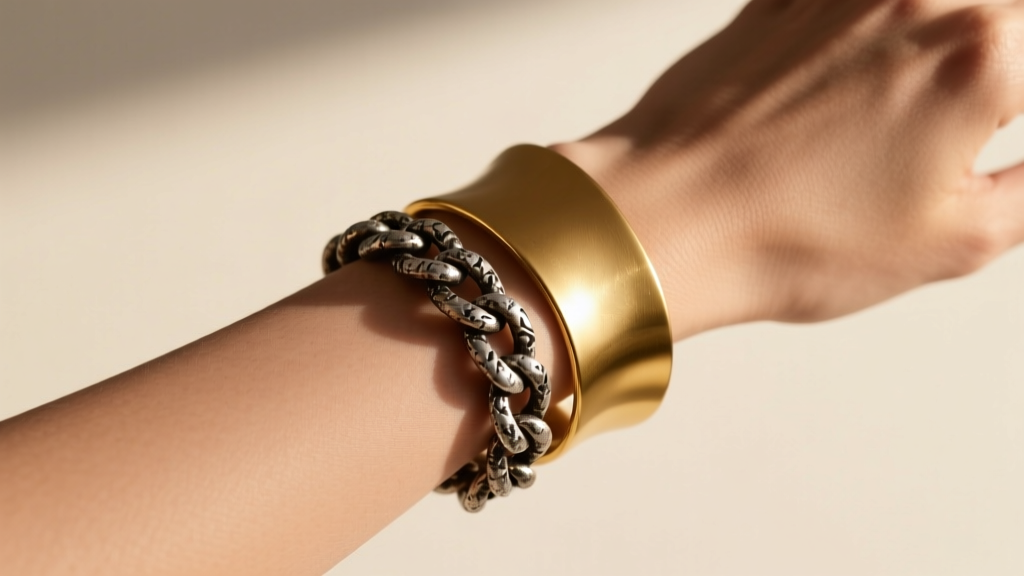
When styling an Annika Witt jewelry bracelet alongside other wristwear, apply the 70/30 rule. The sculptural cuff should command 70% of the visual real estate, while the accompanying pieces make up the remaining 30%.
- The Anchor: Your 12mm matte gold Witt cuff sits at the base of the wrist, just above the ulnar styloid process (the wrist bone).
- The Bridge: Add a 3mm oxidized sterling silver cable chain. The dark, textured silver provides a high-contrast backdrop that makes the matte gold appear richer and more luminous.
- The Accent: Finish with a single, 4mm bezel-set diamond solitaire on a near-invisible 18k gold wire. This introduces a singular point of light refraction without competing with the brutalist texture of the main cuff.
Avoid stacking multiple heavy cuffs on the same wrist. The friction between sandblasted or hammered surfaces will result in severe abrasive wear, effectively sanding down the artisanal finishes you paid a premium for.
Investment Value and Pricing Tiers
Entering the market for contemporary artisanal jewelry requires an understanding of pricing structures. Unlike heritage houses that apply a 400% brand markup, independent designers operating in the architectural space price primarily on material weight, labor intensity, and limited-edition scarcity.
- Entry-Level Artisanal (14k Gold, 25-30g): $1,800 – $2,600. Ideal for first-time buyers of sculptural wristwear.
- Mid-Tier Signature (18k Gold, 35-45g): $3,200 – $5,500. This is the sweet spot for the classic Annika Witt jewelry bracelet aesthetic, offering the perfect balance of karat richness and structural durability.
- Haute Sculptural (Platinum or Mixed-Metal, 50g+): $7,000 – $12,000+. Reserved for bespoke, one-of-one pieces featuring complex hinge mechanisms and mixed-metal inlays.
For those tracking the secondary market, The Business of Fashion has reported that signed, limited-run pieces from independent sustainable jewelers are holding their value remarkably well, often appreciating 10-15% above retail on verified resale platforms once the initial production run sells out.
Conclusion: The Legacy of Weight and Intention
The Annika Witt jewelry bracelet is not merely a passing fad; it is a symptom of a much larger correction in the luxury jewelry market. As consumers become increasingly fatigued by mass-produced, algorithmic trends, they are gravitating toward pieces that feel forged, intentional, and deeply connected to the earth. By prioritizing advanced metallurgy, sustainable sourcing, and unapologetic structural weight, these sculptural cuffs have secured their place as the definitive wristwear of 2026 and beyond. Whether worn as a solitary armor or carefully integrated into a curated stack, investing in architectural minimalism is an investment in the future of enduring style.


