Sourcing Wholesale Wrist Watches Jewelry for Resale Cheap (2026)
Learn how to source wholesale wrist watches jewelry for resale cheap without sacrificing quality. Discover material grades, margins, and supplier vetting.

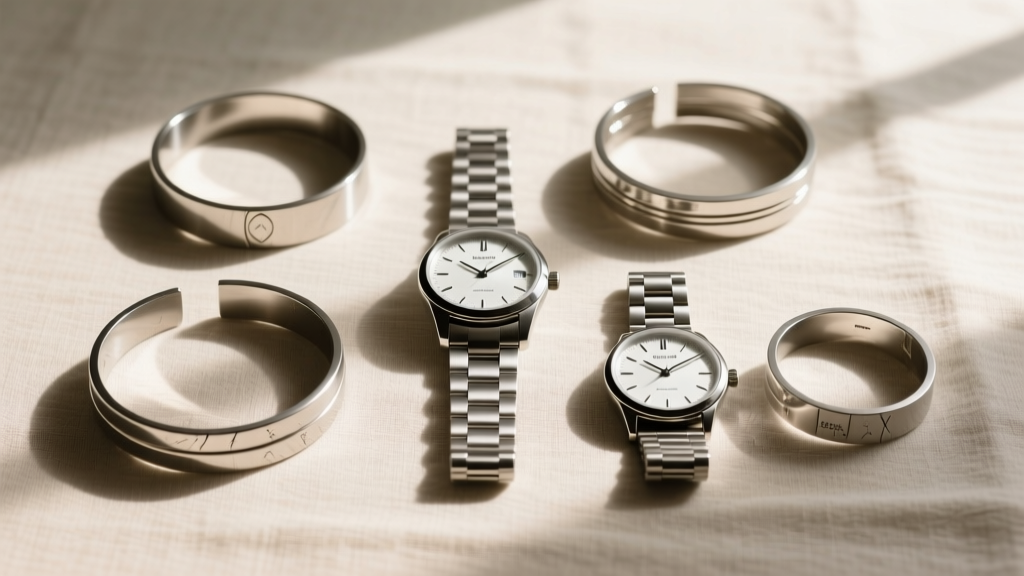
The wristwear resale market has evolved dramatically by 2026. Consumers are no longer just looking for basic accessories; they demand curated, layered looks that blend minimalist analog watches with textured bangles and cuffs. For new boutique owners and e-commerce flippers, the initial instinct is often to search for wholesale wrist watches jewelry for resale cheap. However, this exact phrasing frequently leads to a minefield of low-grade alloys, seized watch movements, and high return rates. Sourcing affordably does not mean you have to compromise on structural integrity or skin safety.
In this beginner-friendly explainer, we will deconstruct the economics of wristwear sourcing, break down the metallurgy of 'cheap' jewelry, and provide a concrete framework for vetting suppliers so your resale business builds a reputation for quality, not complaints.
The Economics of Wristwear Resale: Margin Breakdown
When building an inventory of bracelets, bangles, and fashion watches, understanding your true landed cost is critical. 'Cheap' wholesale pricing often hides exorbitant shipping fees, customs duties, and high defect rates. Below is a realistic 2026 margin breakdown for three common wristwear categories sourced from overseas manufacturers.
| Item Category | Avg. Wholesale Cost | Suggested Retail | Gross Margin | Return/Defect Risk |
|---|---|---|---|---|
| Zinc Alloy Charm Bracelets | $0.80 - $1.50 | $14.00 | 85%+ | High (Tarnish/Breakage) |
| 316L Stainless Steel Cuffs | $3.50 - $6.00 | $32.00 | 75% - 80% | Very Low |
| Miyota Quartz Analog Watches | $9.00 - $15.00 | $48.00 | 65% - 70% | Low (If vetted properly) |
While zinc alloy offers the highest theoretical margin, the actual profit is often eroded by customer refunds due to skin discoloration. Stainless steel and entry-level branded quartz watches offer the sweet spot for sustainable resale growth.
Material Grades: What 'Cheap' Actually Means
The term 'cheap' in wholesale jewelry usually refers to base metals like Zamak (a zinc alloy) or low-grade brass. These materials are cast cheaply but require heavy electroplating to look appealing. The failure mode here is rapid: once the microscopic layer of silver or gold plating wears off from friction and sweat, the porous base metal oxidizes, turning the customer's skin green and causing contact dermatitis.
The 316L Stainless Steel Standard
If you are sourcing metal bangles, cuffs, or watch cases, insist on 316L surgical stainless steel. It is highly resistant to corrosion, hypoallergenic, and does not require plating to maintain its silver tone. According to the Federal Trade Commission Jewelry Guides, sellers must accurately represent metal compositions. Mislabeling a zinc alloy as 'surgical steel' can result in severe platform penalties on marketplaces like Amazon or Etsy.
PVD vs. Wet Electroplating
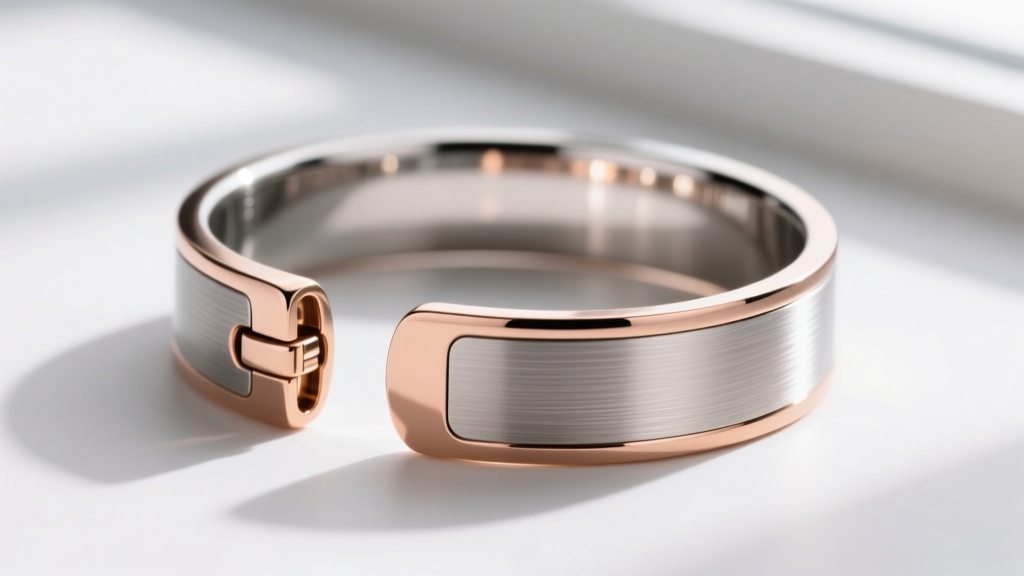
If you want to sell gold or rose gold-toned wristwear, you must understand the coating process. Traditional wet electroplating dips the metal in a chemical bath, resulting in a thin layer that flakes within months. PVD (Physical Vapor Deposition) is a vacuum-based process that bonds the color to the steel at a molecular level. PVD-coated 316L steel costs about 15-20% more at wholesale but lasts up to 10 times longer in real-world wear conditions. Always ask your supplier for a 'PVD coating certificate' before placing a bulk order.
The Heartbeat of Resale Watches: Movements Matter
When sourcing wholesale wrist watches, the exterior case might look identical across two suppliers, but the internal movement dictates your brand's longevity. The cheapest wholesale watches use unbranded pin-lever mechanical movements or generic, unshielded quartz modules that fail when exposed to minor magnetic fields or moisture.
For a reliable, low-cost fashion watch, specify a Miyota 2035 or an Epson VX12 quartz movement in your supplier negotiations. These Japanese movements cost the manufacturer roughly $1.50 to $3.00 each but offer a battery life of 3-5 years and an accuracy of +/- 20 seconds per month. You can verify the movement by asking the supplier for a macro photo of the open case back. As detailed by Miyota Watch Movements, authentic modules will have clear branding and copper coils, whereas generic knockoffs often feature plastic spacers and unmarked circuit boards.
Water Resistance Failure Modes
Never market a cheap wholesale watch as 'waterproof.' Instead, look for watches rated to 3 ATM (30 meters), which simply means they can withstand accidental splashes. The most common failure point in wholesale watches is the crown (the dial on the side). Ensure your supplier uses a screw-down crown with a rubber O-ring gasket, rather than a simple push-pull crown, to prevent moisture from seeping into the dial and fogging the glass. For deeper technical standards, refer to the ISO 22810 Water Resistance Standards.
Sizing & Inventory Strategy for Wristwear
Unlike rings, which require a massive spread of sizes from 4 to 12, wristwear is highly forgiving, allowing you to keep your SKU count low and your capital tied up in fewer variations. However, you must adhere to standard anatomical sizing to avoid high return rates.
- Women's Bracelets: The standard length is 7 inches, but always source pieces with a 1-inch extender chain. This single feature reduces sizing complaints by over 80%.
- Bangles: Standard inner diameter is 2.5 inches (approx. 65mm). If sourcing rigid cuffs, ensure they are made of malleable metals like aluminum or thin brass so the customer can gently squeeze them to fit.
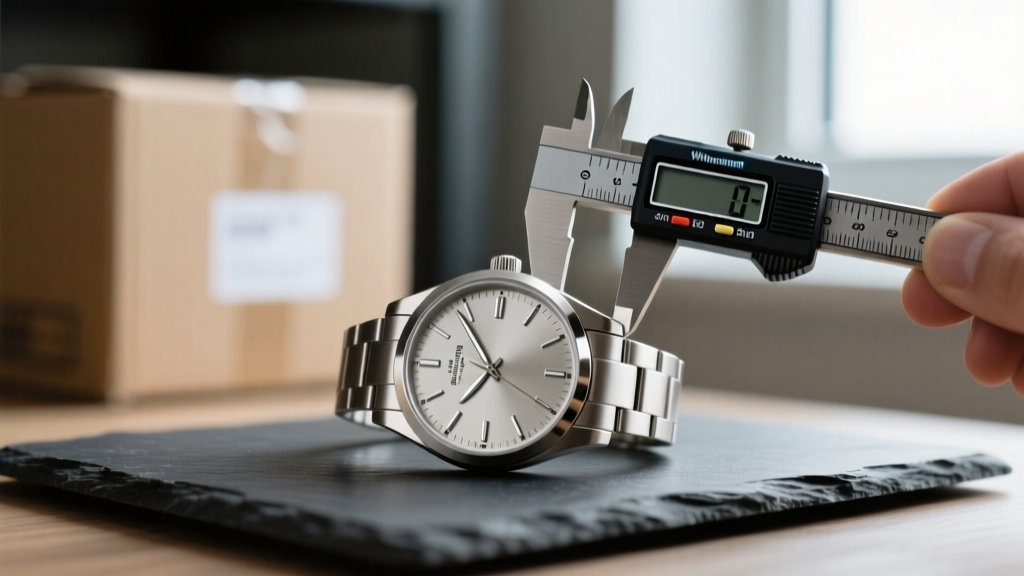
- Watch Cases: The current 2026 trend favors moderate proportions. Source 36mm to 38mm cases for women's styles, and 40mm to 42mm for men's. Avoid ultra-thin lugs, as they require specialized, hard-to-find replacement straps.
Vetting Suppliers: Red Flags and Green Lights
When negotiating on platforms like Alibaba or Global Sources, your communication will quickly reveal the supplier's manufacturing maturity. Here is a practical decision framework for vetting wristwear factories.
Red Flags (Walk Away)
- Refusal to provide SGS or RoHS reports: If they cannot prove their metals are free of lead and nickel, do not risk your business reputation.
- Blurry movement photos: If they won't open the case back for a high-res photo, they are hiding a $0.20 plastic movement.
- 'One size fits all' bracelets: Suppliers who don't understand the difference between a 16cm and 19cm wrist circumference are trading companies, not manufacturers.
Green Lights (Proceed to Sampling)
- Willingness to sell mixed MOQs: Good factories will allow a Minimum Order Quantity of 100 pieces, split across 5 different bangle styles, to help you test the market.
- Laser engraving capabilities: A true manufacturer will offer to laser-engrave your boutique's logo on the watch case back or the inside of a cuff for a negligible setup fee.
- Spring bar quality: They use 1.5mm thick stainless steel spring bars for watch straps, rather than the easily-snapped 1.0mm brass alternatives.
Final Thoughts on Building a Wristwear Brand
Sourcing wholesale wrist watches and jewelry for resale cheaply is entirely possible, provided you redefine 'cheap' from meaning 'low-grade materials' to meaning 'efficient manufacturing.' By anchoring your inventory to 316L stainless steel, PVD coatings, and reliable Japanese quartz movements, you can offer highly competitive retail prices while maintaining a premium unboxing experience. Always order physical samples, test the clasps and crowns yourself, and measure the exact dimensions before committing your capital to a bulk run.


