Safe Cleaning and Care for a Vintage Krementz Jewelry Bracelet
Learn how to safely clean, polish, and store your vintage Krementz jewelry bracelet without damaging its delicate gold overlay or enamel finishes.

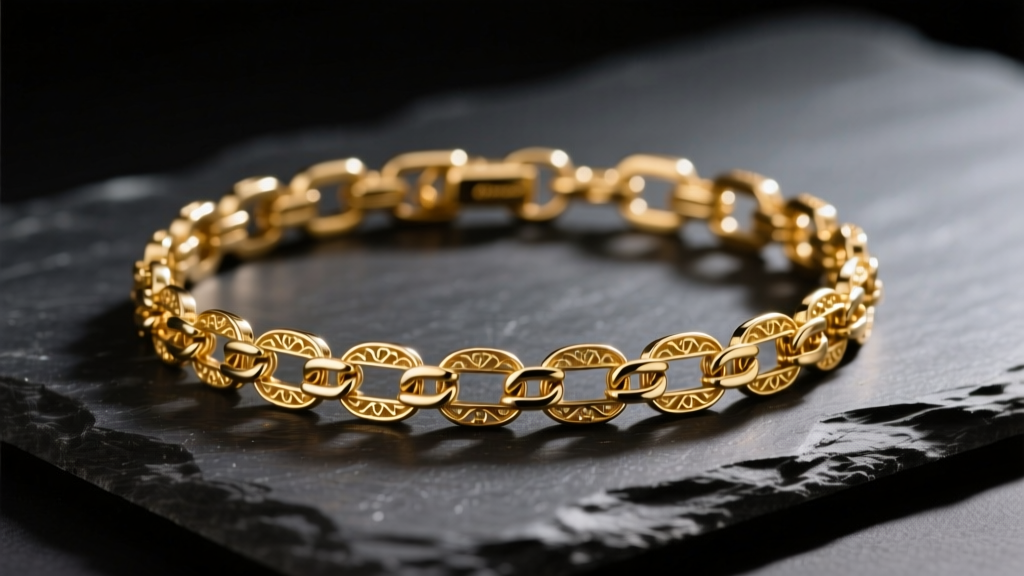
The Legacy and Construction of Krementz Bracelets
Owning a vintage krementz jewelry bracelet means holding a piece of American manufacturing history. Founded in Newark, New Jersey, in 1866, Krementz & Co. became synonymous with exceptional quality, particularly in their gold-filled and enamel link bracelets. However, caring for these mid-century and antique pieces requires a fundamentally different approach than cleaning modern solid gold or sterling silver jewelry. Standard commercial jewelry dips, ultrasonic machines, and abrasive polishing pastes can permanently destroy the historical integrity and material structure of a Krementz piece.
To properly maintain your bracelet, you must first understand its unique metallurgical construction. Unlike modern flash-plated jewelry, which features a microscopically thin layer of gold applied via electroplating, vintage Krementz pieces typically utilize a mechanical 'gold overlay' or gold-filled process. A thick sheet of 14k gold was bonded to a brass or base-metal core under extreme heat and pressure. While this makes the gold layer significantly more durable than standard plating, it is still a finite, bonded layer that can delaminate if exposed to harsh chemicals or thermal shock. Furthermore, many Krementz link bracelets feature exquisite guilloché enamel, a glass-like finish fused over engine-turned metal, which is notoriously fragile and susceptible to micro-fractures.
Identifying Your Krementz Hallmarks and Materials
Before applying any cleaning solution, examine the clasp and interior links for hallmarks. Authentic vintage Krementz pieces often bear the company name, an arrowhead symbol, or specific purity stamps. You will frequently encounter stamps such as '1/20 14K G.F.' (Gold Filled) or '14K Gold Overlay.' Identifying these marks confirms the presence of a brass core beneath the gold. If the bracelet features translucent, brightly colored panels over a textured metal background, you are dealing with guilloché enamel. Recognizing these materials dictates your cleaning protocol; treating a gold-overlay and enamel bracelet like solid gold will result in irreversible damage, including the clouding of the enamel and the peeling of the gold layer.
Step-by-Step Cleaning Guide for Gold-Overlay Links
When cleaning the gold-filled links of your Krementz bracelet, the goal is to lift oils and environmental grime without abrading the gold surface or allowing moisture to penetrate microscopic seams. According to the Gemological Institute of America (GIA), gentle mechanical action with mild surfactants is the safest method for vintage gold jewelry.
The Safe Cleaning Solution
Avoid tap water, which contains chlorine and dissolved minerals that can react with exposed brass cores. Instead, mix three drops of phosphate-free, lotion-free dish soap (such as original blue Dawn) into eight ounces of lukewarm distilled water. The water should be no warmer than 85°F (29°C). Hot water can cause thermal shock to the enamel panels and soften the adhesives used in older stone-set clasps.
The Cleaning Technique
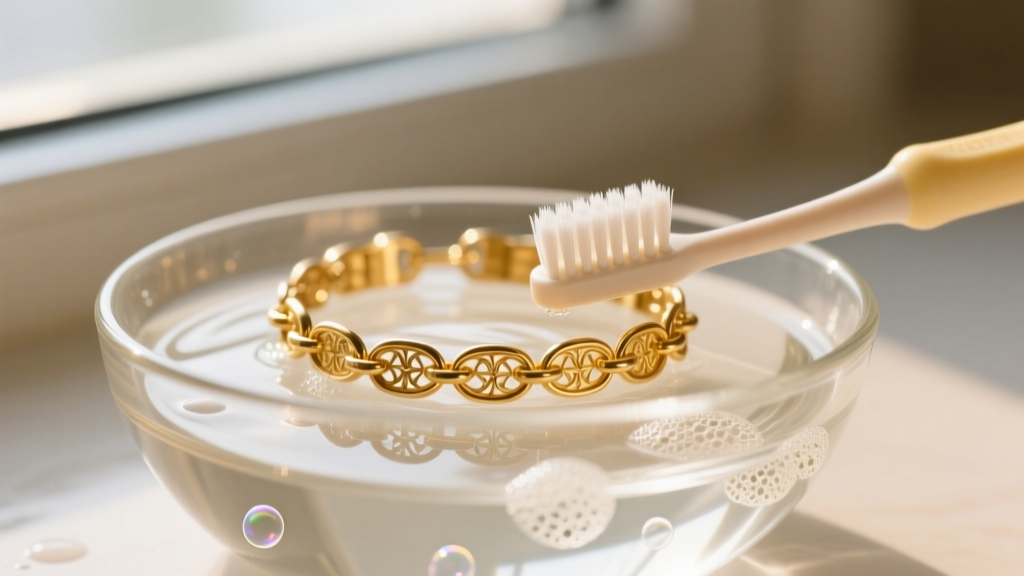
Submerge the bracelet for no more than three to five minutes. This brief soak loosens sebum and cosmetic buildup. Using an ultra-soft baby toothbrush, gently sweep the bristles across the links in one direction. Do not scrub aggressively at the seams where the links connect, as this is where the gold overlay is thinnest and most prone to wear. Pay special attention to the underside of the bracelet, which accumulates the most sweat and dead skin cells. Rinse the bracelet briefly under a slow stream of cool distilled water to remove all soap residue.
Specialized Care for Guilloché Enamel Panels
If your Krementz bracelet features guilloché enamel, you must exercise extreme caution. Enamel is essentially powdered glass fired onto a metal base. It is impervious to mild soap but highly vulnerable to physical impact, sudden temperature changes, and ultrasonic vibrations. Never use an ultrasonic cleaner on an enameled Krementz bracelet; the high-frequency vibrations will cause the glass to craze (develop microscopic cracks) or shatter entirely, completely ruining the piece's value and aesthetic.
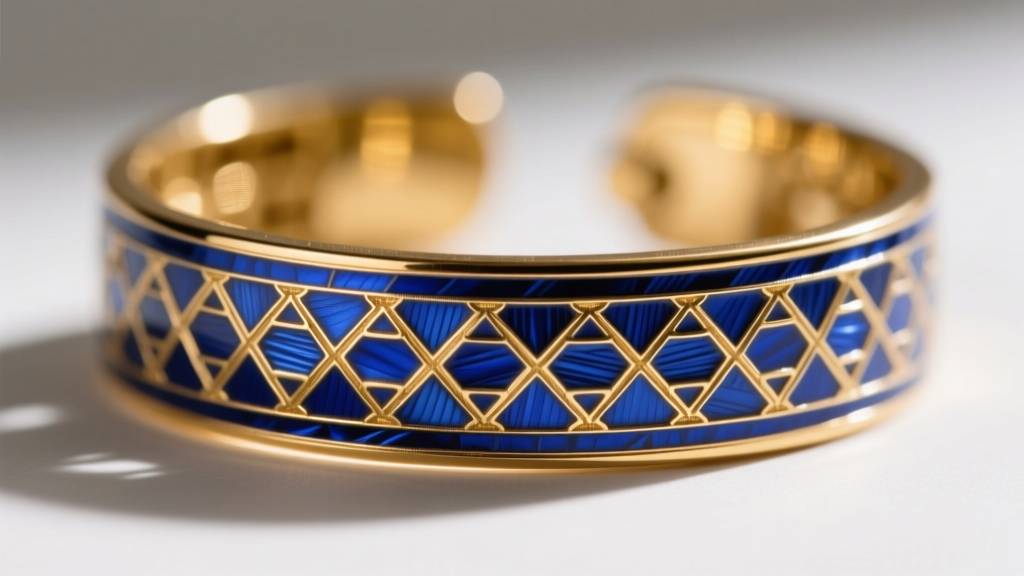
To clean enamel panels, use a lint-free microfiber cloth lightly dampened with distilled water. Wipe the surface gently. If there is stubborn grime in the crevices of the engine-turned metal beneath the enamel, use a wooden wooden toothpick or a soft, dry makeup brush to dislodge the dirt. Never use metal tools or stiff bristles, which can scratch the glass surface or chip the edges where the enamel meets the gold bezel.
Safe vs. Destructive Cleaning Methods
Understanding what to avoid is just as critical as knowing the proper techniques. The following table outlines common cleaning methods and their specific risks to vintage Krementz construction.
| Cleaning Method | Risk Level | Impact on Krementz Bracelets |
|---|---|---|
| Mild Soap & Distilled Water | Safe | Effectively removes oils without harming gold overlay or enamel. |
| Ultrasonic Cleaners | Extreme | Shatters enamel; vibrates gold overlay loose from the brass core. |
| Commercial Silver/Gold Dips | High | Contains thiourea and acids that strip the gold layer and cloud enamel. |
| Baking Soda Paste | High | Highly abrasive; creates micro-scratches that dull the gold finish. |
| Ammonia-Based Cleaners | Moderate | Can cause stress corrosion cracking in the base metal core. |
| Steam Cleaners | Extreme | Thermal shock will instantly crack guilloché enamel and opal accents. |
Drying and Clasp Maintenance: Preventing Hidden Rust
One of the most common failure modes in vintage link bracelets is a seized or rusted box clasp. Krementz utilized intricate box clasps with figure-8 safety catches. Inside these clasps are tiny steel springs. If water is trapped inside the clasp mechanism after cleaning, the steel spring will rust, causing the clasp to fail or the safety catch to snap. Furthermore, trapped moisture against the brass core can initiate galvanic corrosion, leading to the dreaded 'green skin' effect and the formation of verdigris.
After rinsing your bracelet, pat it dry with a microfiber cloth. Do not rub the links. To ensure the interior of the box clasp and the link seams are completely dry, use a can of compressed air (held at least six inches away) or a hairdryer set to the 'cool' and 'low' settings. Blow air directly into the clasp mechanism until all moisture is evacuated. Never leave the bracelet to air-dry on a towel, as water will pool in the lowest points of the links and cause water spots or internal corrosion.
Treating Exposed Brass and Verdigris
If your vintage Krementz bracelet has areas where the gold overlay has worn through to the brass core, you may notice green or brown corrosion (verdigris). To safely remove this without damaging the surrounding gold, dip a cotton swab in 90% isopropyl alcohol and gently roll it over the affected area. Avoid scrubbing the adjacent gold-filled areas. Once the corrosion is removed and the area is dry, apply a microscopic layer of Renaissance Wax (a micro-crystalline wax used by museum conservators) using a soft cloth. This seals the exposed brass from oxygen and moisture, halting further corrosion and protecting your skin from discoloration.
Polishing and Restoring the Luster
Over time, the 14k gold overlay on a Krementz bracelet may develop a light patina or tarnish, especially in the recessed areas of the links. Because you cannot use liquid polishes or abrasive dips, mechanical polishing with a treated cloth is the only safe option. Use a high-quality jeweler's polishing cloth, such as a Sunshine cloth, which contains embedded micro-abrasives and polishing compounds. Gently wipe the flat surfaces of the gold links. Avoid pulling the cloth through the tight spaces between links, as the cloth can snag and bend the delicate jump rings. Never use a polishing cloth on the enamel panels or any gemstone accents, as the mild abrasives will permanently dull the glass and scratch softer stones like turquoise or pearls.
Proper Storage to Prevent Delamination
How you store your Krementz jewelry bracelet when not wearing it dictates its longevity. According to antique jewelry preservation guidelines outlined by Lang Antiques, gold-filled items must be protected from high humidity and airborne sulfur, which can tarnish the gold alloy and accelerate the corrosion of the brass core if any micro-scratches are present.
Store the bracelet in an individual, airtight polyethylene bag. Before sealing the bag, place a 3M anti-tarnish strip or a small piece of Pacific Silvercloth inside to absorb environmental pollutants. Do not store the bracelet in a communal jewelry box where it can rub against harder gemstones (like diamonds or sapphires) or heavier metal pieces. Diamond rings and solid platinum bangles will easily scratch and gouge the relatively soft 14k gold overlay, accelerating wear and exposing the base metal beneath. Keep the bracelet flat or gently coiled; sharp bends can cause the rigid gold overlay to crack or flake away from the flexible brass core. By adhering to these meticulous care protocols, your vintage Krementz bracelet will retain its historical charm, structural integrity, and brilliant luster for generations to come.


