The Ultimate Bracelet Jewelry Display Gift Guide 2026
Discover the 2026 gift guide for the perfect bracelet jewelry display. Match materials and styles to bangles, tennis chains, and cuffs for any occasion.

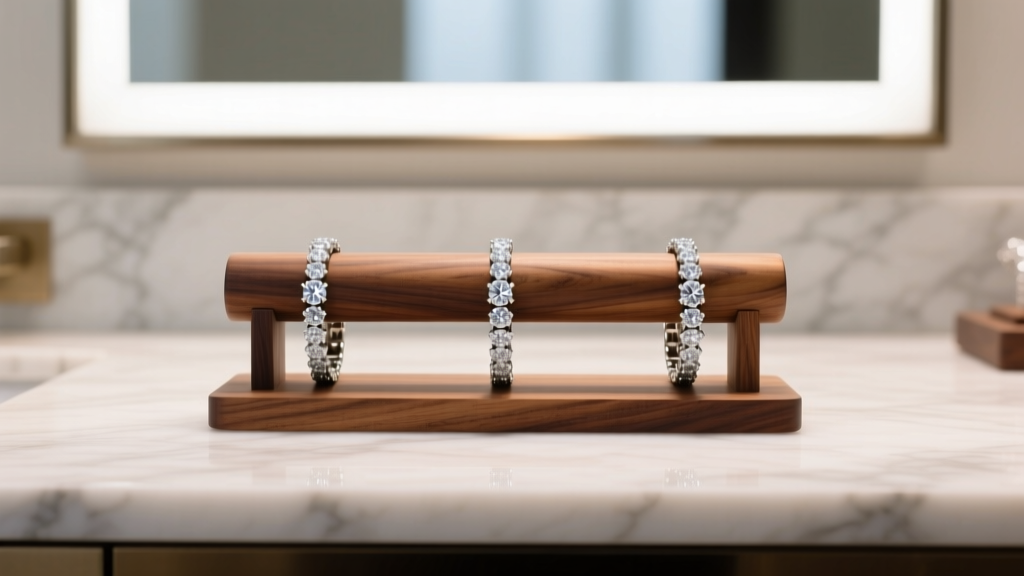
Why a Bracelet Jewelry Display is the Ultimate 2026 Gift
Gifting fine jewelry is a timeless gesture, but as collections grow, the challenge of storing and showcasing these pieces becomes a genuine pain point for enthusiasts. In 2026, the most thoughtful and highly sought-after accessory isn't another piece of jewelry—it is a premium bracelet jewelry display. Bracelets, by their very nature, are notoriously difficult to store. Tennis bracelets can kink and stretch, rigid bangles can scratch one another when piled in drawers, and charm bracelets easily transform into tangled knots. A high-quality display system solves these issues while transforming a private collection into a curated vanity exhibit. Whether you are shopping for a seasoned collector, a minimalist professional, or an emerging jewelry maker, understanding the structural and material nuances of display units is critical to selecting a gift that genuinely enhances their daily routine.
Matching the Display Architecture to the Bracelet Style
The most common mistake gifters make is buying a generic "one-size-fits-all" jewelry box. Bracelets require specialized architectural support based on their closure type, rigidity, and weight. Here is how to match the display to the specific wristwear in your recipient's collection.
Tennis and Line Bracelets: Flat Channels and Trays
Tennis bracelets, characterized by their continuous line of prong-set gemstones, are highly flexible but structurally vulnerable. Hanging a heavy diamond or sapphire tennis bracelet on a hook can cause gravity to pull on the delicate wire links or stretch the silk threading used in vintage pieces. The ideal bracelet jewelry display for tennis styles is a flat, velvet-lined tray featuring individual horizontal channels. Look for trays with channel widths of approximately 0.75 inches to 1 inch. This allows the bracelet to lay completely flat, maintaining its structural memory and preventing the prongs from catching on adjacent pieces. For a gift, a modular, stackable flat tray system (like those offered by high-end organization brands) allows the collector to expand their storage as their collection grows.
Bangles and Cuffs: Cylindrical Forms and T-Bars
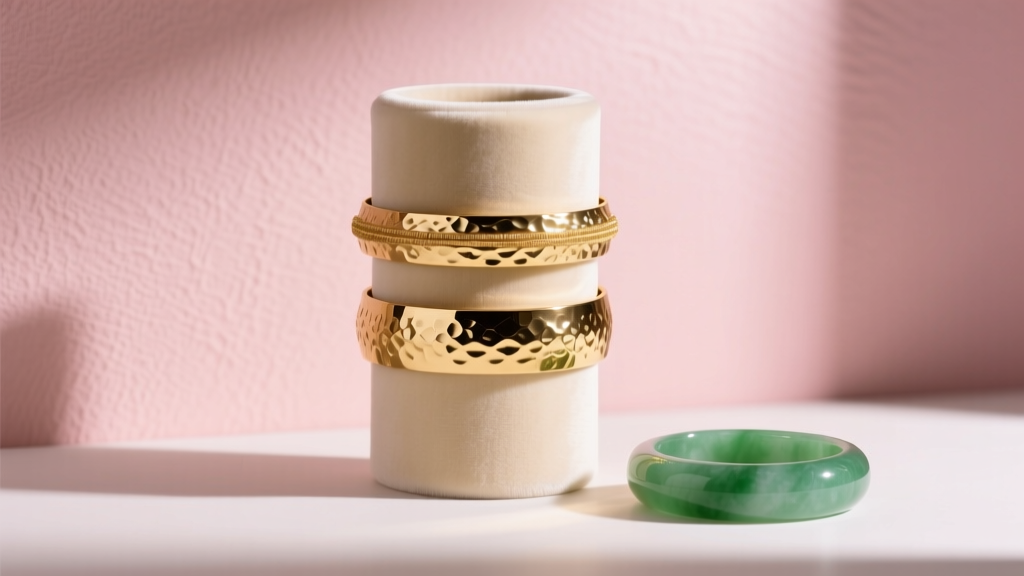
Rigid bangles and open cuffs require entirely different support. Stacking bangles flat risks chipping delicate materials like jade, enamel, or carved onyx. The gold standard for bangle storage is the cylindrical bust or T-bar stand. However, sizing is paramount. The standard inner diameter for a women's bangle is roughly 2.5 inches (US Size 8). Therefore, a display cylinder should measure between 2.1 and 2.3 inches in diameter. This specific taper allows the bangle to slide over the top easily without requiring force that could warp soft metals or crack gemstone inlays. For open cuffs, a T-bar with a wide, padded horizontal crossbar is ideal, as it supports the C-curve of the metal without placing outward pressure on the hinges or open ends.
Charm and Chain Bracelets: Hanging Trees and Multi-Hook Stands
Charm bracelets and lightweight paperclip chains are notorious for tangling. The clasp of one chain will inevitably find the link of another if stored in a drawer. A hanging tree or a wall-mounted multi-hook stand is the ultimate solution. When selecting a hanging display as a gift, pay close attention to the spacing between the hooks. Hooks should be spaced at least 2.5 inches apart horizontally to prevent dangling charms from interlocking. Additionally, ensure the hooks themselves are smooth, rounded, and preferably coated in a soft silicone or velvet to prevent micro-scratches on soft gold or polished silver clasps.
Material Science: Selecting the Right Finish
The exterior material of a bracelet jewelry display dictates not only its aesthetic appeal but also its longevity and the safety of the metals it holds. Below is a comparison of the top materials used in premium displays for 2026.
| Material | Best Suited For | Pros & Cons | Average Price Range |
|---|---|---|---|
| Lustrous Velvet | High-carat gold, vintage pieces, formal vanity setups. | Pros: Luxurious feel, excellent grip to prevent sliding. Cons: Attracts dust and pet hair, difficult to clean. |
$45 - $120 |
| Cast Acrylic (Lucite) | Modern minimalists, retail photography, colorful gemstones. | Pros: UV-stable, crystal clear, easy to wipe down. Cons: Can scratch if abrasive cleaners are used. |
$30 - $90 |
| Solid Walnut Wood | Earth-toned jewelry, jade, rustic or mid-century interiors. | Pros: Timeless aesthetic, heavy and stable base. Cons: Must be properly sealed to prevent acidic off-gassing. |
$60 - $150 |
| PU Leather (Polyurethane) | Everyday wear, travel displays, modern leather-wrap bracelets. | Pros: Water-resistant, easy to clean, modern look. Cons: Can peel over time if exposed to high heat/humidity. |
$25 - $75 |
Occasion Matching: Who Gets What?
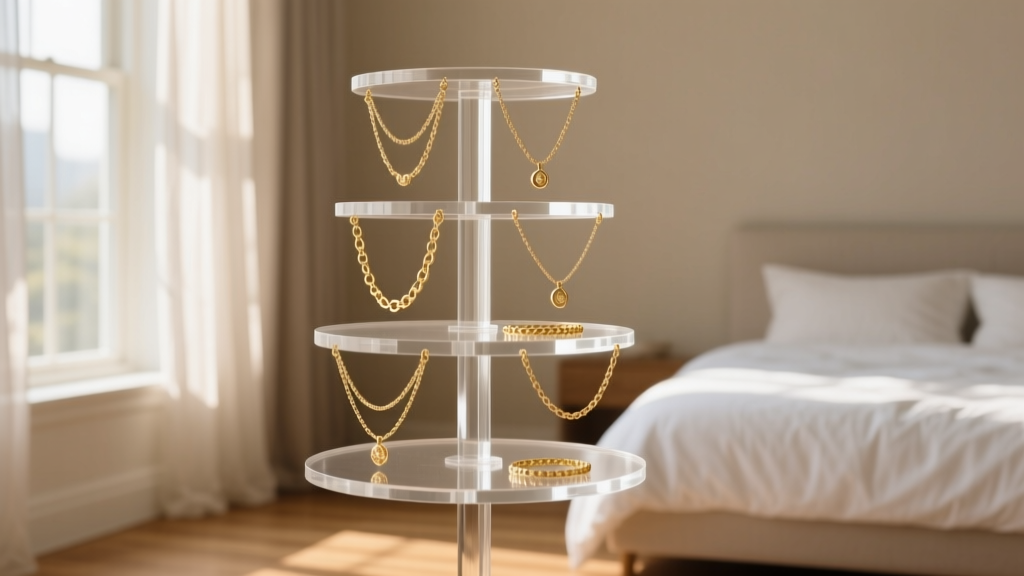
Matching the display to the occasion elevates the gift from a mere utility item to a deeply personal gesture. Here is a framework for matching the bracelet jewelry display to the recipient's milestone.
- The 2026 College Graduate (The Minimalist): Opt for an architectural, single-piece brass or matte black metal T-bar. Graduates moving into smaller apartments or dorms need footprint-efficient displays that double as modern desk or vanity art. A heavy, weighted base is crucial here to prevent tipping when removing pieces quickly in the morning.
- The Anniversary Milestone (The Collector): For a partner with a growing collection of tennis bracelets and bangles, gift a modular, glass-topped watch and bracelet drawer insert. These fit seamlessly into existing bedroom dressers and feature individual velvet pillows that cradle rigid bangles while keeping flexible chains flat and separated.
- The Small Business Launch (The Maker/Etsy Seller): If your recipient designs or sells their own jewelry, gift them a set of stackable, neutral-toned cast acrylic risers and flat lay trays. Cast acrylic is essential here because it does not yellow under the UV lights used for product photography, ensuring their bracelet displays look pristine in every social media post.
The Hidden Science of Tarnish and Off-Gassing
A truly expert-level gift takes the chemical preservation of the jewelry into account. According to the Gemological Institute of America (GIA), improper storage is a leading cause of premature tarnishing and metal degradation. Many consumers do not realize that certain untreated woods, particularly oak and cedar, emit acetic acid vapors over time. When these vapors interact with sterling silver or copper alloys, they rapidly accelerate the formation of silver sulfide, resulting in stubborn black tarnish.
When selecting a wooden bracelet jewelry display, ensure the product description explicitly states that the wood has been sealed with a water-based, archival-grade polyurethane, or that the interior is lined with an anti-tarnish barrier. Furthermore, the Jewelers of America recommends storing silver pieces in environments with low humidity and minimal air circulation. If you are gifting an open-air display like a T-bar or a hanging tree, consider pairing it with a beautifully packaged set of Pacific SilverCloth pouches or activated charcoal anti-tarnish strips that the recipient can discreetly tuck behind the display base. This combination of aesthetic display and chemical preservation demonstrates a profound understanding of jewelry care that any aficionado will deeply appreciate.
Final Gifting Considerations: Footprint and Lighting
Before making your final purchase, consider the physical footprint of the display. A standard multi-tiered bracelet tree requires a base diameter of at least 6 inches to remain stable, while a flat bangle tray might require 14 x 9 inches of drawer or counter space. If your recipient lives in a compact urban environment, vertical hanging displays that mount to the inside of a closet door or the back of a vanity mirror are brilliant, space-saving alternatives. Finally, consider the lighting in their space. If the display will sit near a sunlit window, avoid extruded plastics or dyed silks that will fade or yellow over the year. Instead, lean into UV-stable cast acrylic, solid brass, or sealed hardwoods. By paying attention to these granular details, your gift of a bracelet jewelry display will not only organize their cherished pieces but will actively protect and showcase them for decades to come.


