Troubleshooting James Avery Jewelry Charm Bracelets: Expert Fixes
Expert troubleshooting for James Avery jewelry charm bracelets. Fix stiff clasps, chain stretch, charm tangling, and protect antiqued silver finishes.

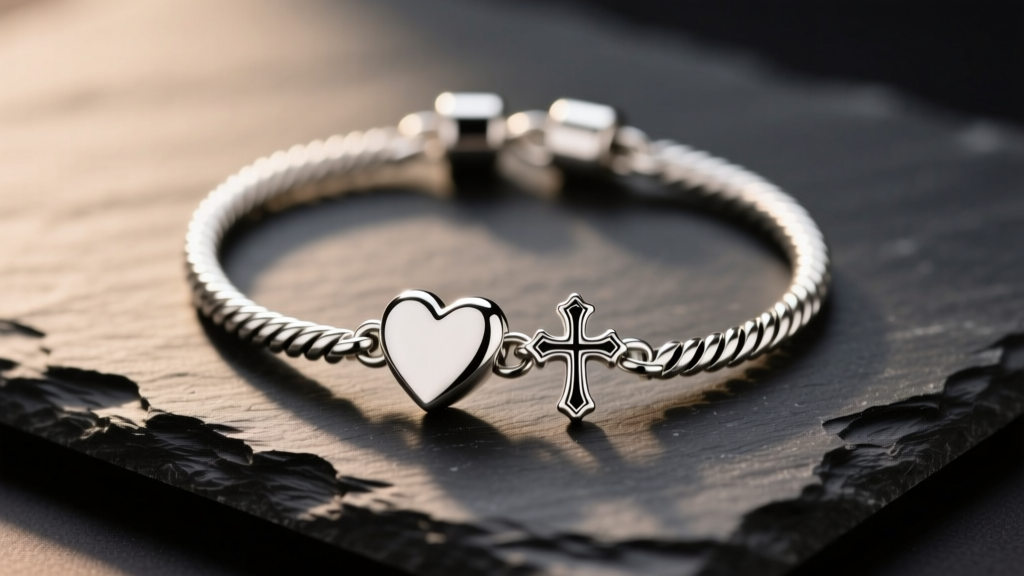
The Anatomy of a James Avery Bracelet: Why Issues Arise
Owning James Avery jewelry charm bracelets is a rite of passage for many, often marking milestones, graduations, and cherished memories. However, the very nature of a charm bracelet—a flexible chain bearing multiple moving metal components—makes it inherently prone to mechanical wear and tear. Unlike a solid bangle or a simple link chain, a charm bracelet endures constant friction, uneven weight distribution, and exposure to environmental pollutants.
Most James Avery bracelets are crafted from 925 sterling silver, 14k gold, or a combination of both. Sterling silver is an alloy consisting of 92.5% pure silver and 7.5% copper. While the copper adds necessary tensile strength, it also introduces vulnerabilities, including oxidation, work hardening, and susceptibility to chemical tarnishing. When you begin to notice your bracelet stretching, the clasp sticking, or the charms tangling into an unwearable knot, it is rarely a defect in manufacturing. Instead, it is usually a predictable metallurgical response to daily wear. Understanding the mechanics behind these common failures is the first step toward effective troubleshooting and long-term preservation.
Troubleshooting Clasp Stiffness and Spring Failures
The standard lobster claw clasp used on most James Avery cable chains is a marvel of miniature engineering, relying on a tiny internal steel spring and a precision-milled trigger. When the clasp becomes stiff, refuses to snap shut, or fails to open, owners often assume the spring is broken. In 80% of cases, the issue is actually debris accumulation or lubrication loss.
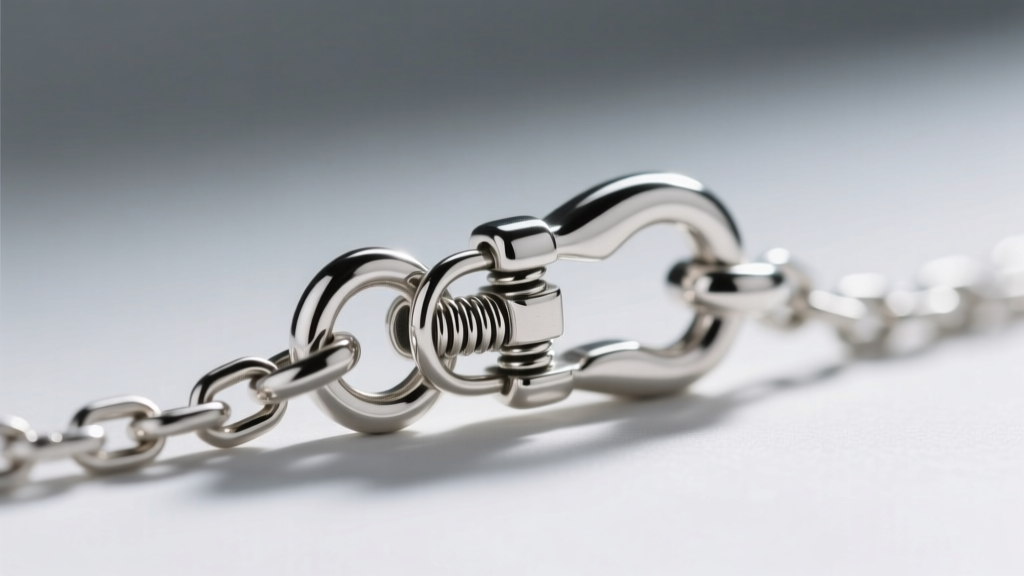
Step-by-Step Clasp Rehabilitation
- The Debris Flush: Lotions, dead skin cells, and soap scum frequently lodge in the microscopic gap between the trigger and the clasp body. Dip a soft-bristled toothbrush in a mild solution of warm water and Dawn dish soap, and gently scrub the trigger mechanism while repeatedly pressing it.
- Graphite Lubrication: If flushing fails, avoid oil-based lubricants like WD-40, which attract dust and turn into a gritty paste. Instead, use a mechanical pencil to deposit a tiny amount of dry graphite powder directly into the trigger seam. Work the trigger back and forth to distribute the graphite.
- Spring Fatigue Assessment: If the trigger moves smoothly but the clasp arm does not snap back with a crisp, audible click, the internal steel spring has suffered from metal fatigue. This is not a DIY fix. The clasp must be replaced by a professional jeweler to prevent catastrophic failure and loss of the bracelet.
Managing Chain Stretch and Link Distortion
One of the most frequent complaints regarding James Avery jewelry charm bracelets is chain elongation. Sterling silver is a relatively soft metal. When heavy solid-silver charms are suspended from a delicate cable chain, the continuous downward gravitational pull causes the circular links to slowly deform into ovals. This process, known as 'creep,' is accelerated by the kinetic energy of your wrist movements.
Chain Type vs. Charm Weight Capacity
To prevent irreversible stretching, you must match the chain gauge to the total weight of your charms. Below is a functional framework for loading your bracelet safely:
| Chain Style | Wire Gauge (Approx) | Max Charm Weight | Best For |
|---|---|---|---|
| Standard Cable | 2.0mm - 2.5mm | 15-20 grams | 1-3 lightweight or hollow-backed charms |
| Heavy Cable | 3.0mm - 4.0mm | 35-45 grams | 4-6 medium solid silver charms |
| Box Chain | 2.5mm - 3.5mm | 25-30 grams | Geometric charms, high structural integrity |
| Leather Cord | 3.0mm - 5.0mm | 10-15 grams | Single focal slider charms |
If your standard cable chain has already stretched, a jeweler can sometimes compress the links using specialized chain-stretching pliers, though replacing the chain is often the more secure option for heavily distorted links.
Solving the Tangled Charm Dilemma
There is nothing more frustrating than pulling your bracelet out of a jewelry box to find the charms twisted into an impenetrable metallic bird's nest. Tangling occurs when the jump rings (the small split rings attaching the charm to the chain) rotate freely, allowing the charm bodies to pass through the gaps in the chain links.
Expert Insight: The standard factory jump rings on many silver charms are 14-gauge to 16-gauge wire. If the charm is heavy, the tension of daily wear can slowly pull the jump ring open, creating a gap that easily catches on adjacent links.
The Fix: Take the bracelet to a jeweler and request that the jump rings be soldered closed. A jeweler will use a micro-torch and silver solder to fuse the seam of the jump ring permanently. This eliminates the gap entirely, reducing tangling by up to 90% and ensuring your most sentimental charms never slip off the chain unnoticed. Alternatively, you can ask the jeweler to replace standard jump rings with heavy-duty 'split rings' (which look like miniature keychains), though these can be bulky and difficult to open when you want to rearrange your charms.
Oxidation vs. Tarnish: Restoring the Antiqued Finish
Perhaps the most critical troubleshooting topic for James Avery collectors is understanding the difference between unwanted tarnish and intentional oxidation. James Avery is famous for its 'antiqued' finishes, where the recessed areas of a charm are deliberately darkened using a chemical bath (typically liver of sulfur) to create high contrast and highlight the intricate relief details.
The Danger of Liquid Silver Cleaners
Never use liquid silver dips or ultrasonic cleaners on James Avery jewelry charm bracelets. Products containing thiourea or harsh acids will instantly strip the intentional oxidation from the crevices, leaving the charm looking flat, stark white, and entirely devoid of its original artistic depth. According to the Gemological Institute of America (GIA), chemical dips are highly aggressive and should be avoided for any jewelry with intentional patinas or porous gemstones.
The Proper Polishing Protocol
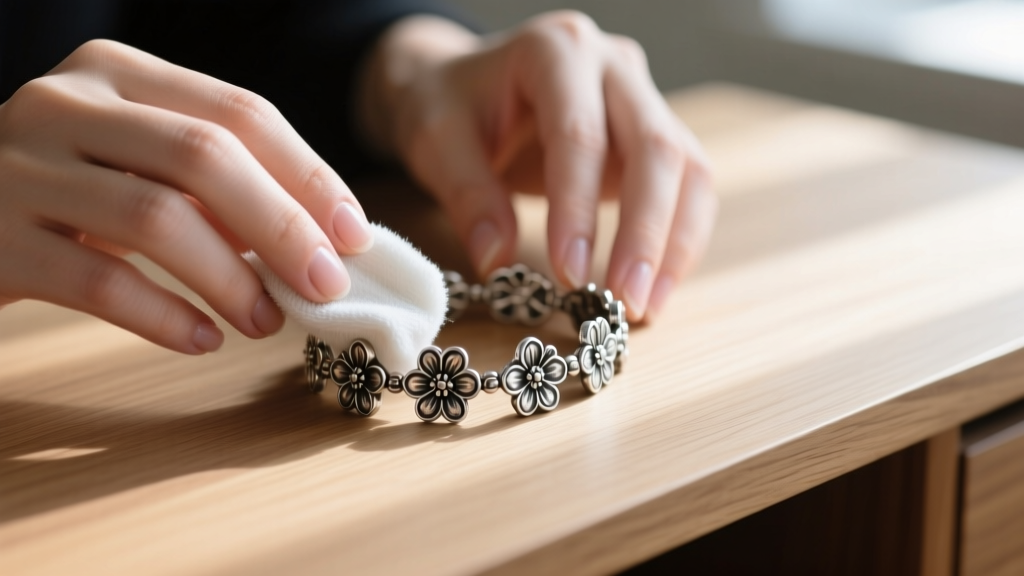
To remove yellow or black environmental tarnish without ruining the antiqued finish, you must use a dry, treated polishing cloth (such as a Sunshine cloth or the official James Avery Polishing Cloth). Gently rub only the raised, high-relief areas of the charm. The mild abrasives in the cloth will lift the tarnish from the high points while leaving the dark, oxidized crevices completely untouched. For deep crevices that have accumulated dirt, use a dry, soft-bristled makeup brush to sweep out the dust without introducing moisture.
When to Visit a James Avery Store for Professional Repair
While many maintenance tasks can be handled at home, certain structural failures require professional intervention. James Avery offers robust repair services, and leveraging their in-store expertise is often the most cost-effective route for authentic pieces.
- Soldering Broken Links: If a cable chain link snaps, do not attempt to bend it back into place with pliers. This work-hardens the silver, making it brittle and guaranteed to snap again. A jeweler must solder the link.
- Ring Replacements: If the loop on the charm itself (the bail or the hole through which the jump ring passes) has worn thin from years of friction against the chain, it must be built up with silver solder or fitted with a new sterling silver loop.
- Leather Cord Degradation: If your charms are on a leather cord, the cord should be replaced every 18 to 24 months. Sweat and moisture cause the leather fibers to rot from the inside out, often snapping without warning. James Avery stores can restring your existing charms onto a fresh, conditioned cord in minutes.
By approaching your James Avery jewelry charm bracelets with a preventative mindset and an understanding of metallurgical realities, you can ensure that these wearable scrapbooks remain structurally sound and visually stunning for generations to come.


