How to Size, Engrave, and Style a DBJ Jewelry Bracelet
Learn how to perfectly size, choose metals, and engrave your custom DBJ Jewelry bracelet with our expert step-by-step styling and care guide.

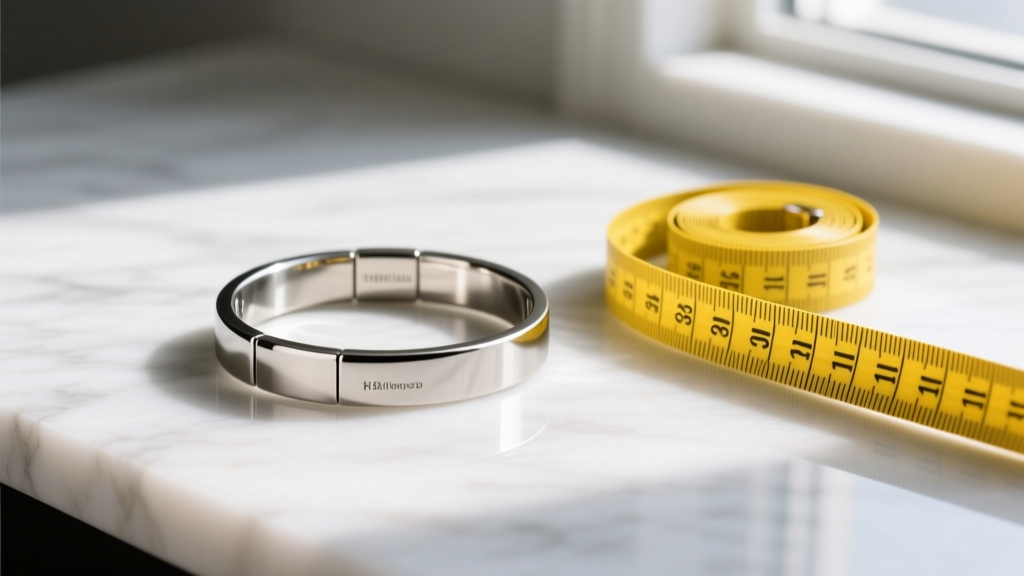
The Rise of Personalized Wristwear
Personalized jewelry has transitioned from a niche sentimental market to a dominant force in everyday luxury styling. At the forefront of this movement is the custom DBJ Jewelry bracelet, a piece celebrated for its blend of minimalist aesthetics, durable metallurgy, and deeply personal engraving options. Whether you are opting for a classic Cuban link ID chain or a sleek, modern bar bracelet, ordering a custom piece requires a precise approach to sizing, material selection, and typographic design. Unlike off-the-rack accessories, a made-to-order wrist piece demands that you act as both the client and the creative director. This comprehensive, step-by-step guide will walk you through the exact technical specifications and styling frameworks needed to ensure your custom bracelet fits flawlessly and lasts a lifetime.
Step 1: Precision Wrist Sizing for Custom Orders
The most common failure point in custom jewelry ordering is incorrect sizing. A bracelet that is too tight will restrict blood flow and damage the clasp mechanism, while one that is too loose will slide over the hand and risk loss. According to the sizing standards outlined by Jewelers of America, accurate wrist measurement requires accounting for both the physical circumference and the desired 'drape' or fit profile.
The Tailor Tape Method
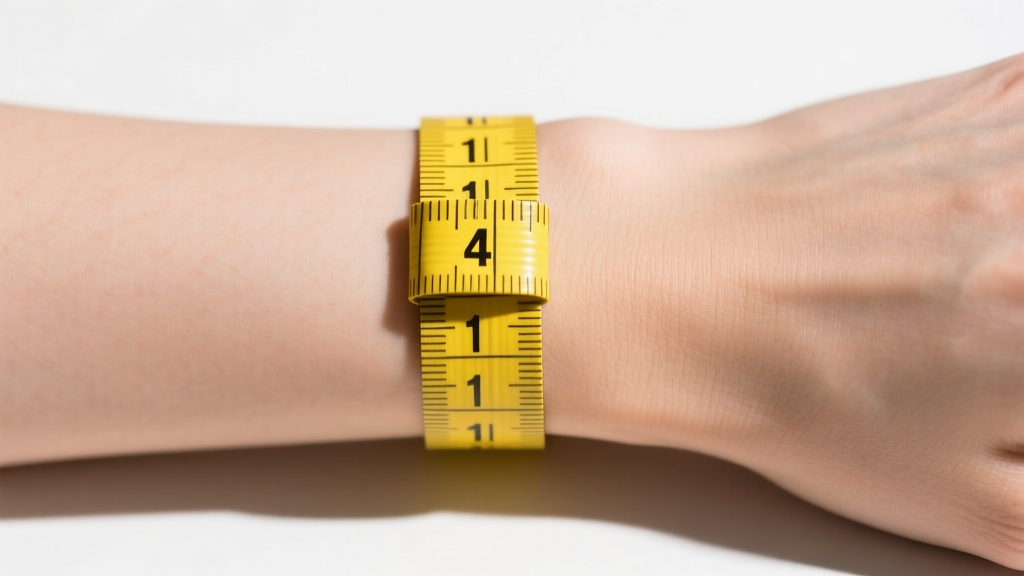
To achieve a professional-grade measurement at home, you need a flexible fiberglass tailor's measuring tape. Avoid using metal construction tapes or rigid rulers, as they cannot conform to the oval shape of the human wrist.
- Locate the Ulnar Styloid Process: Find the prominent bone on the outside of your wrist. Your bracelet should sit just below this bone, closer to your hand, to prevent it from sliding up your forearm.
- Measure Snugly: Wrap the tape measure around this exact spot. Ensure it is flush against the skin without indenting it. Note this number—this is your 'true wrist size'.
- Calculate the Drape Allowance: Add a specific allowance based on your preferred fit. For a snug fit (ideal for watches or tight cuffs), add 0.25 inches. For a standard, comfortable drape (the most popular choice for DBJ Jewelry bracelets), add 0.5 inches. For a loose, relaxed fit that moves freely, add 0.75 to 1.0 full inches.
Step 2: Selecting Your Metal Alloy and Plating
DBJ Jewelry typically offers pieces in a variety of finishes, primarily focusing on 316L surgical stainless steel, 18k gold vermeil, and PVD (Physical Vapor Deposition) gold plating. Understanding the metallurgical differences between these options is critical for longevity, especially if you have sensitive skin or plan to wear the bracelet daily.
| Material Type | Core Composition | Plating Thickness | Durability & Water Resistance | Ideal Use Case |
|---|---|---|---|---|
| 316L Stainless Steel | Iron, Chromium, Nickel, Molybdenum | N/A (Solid Alloy) | Exceptional; highly resistant to tarnish and sweat. | Daily wear, gym, beach. |
| 18k Gold Vermeil | Sterling Silver (925) Base | Minimum 2.5 microns | Moderate; requires removal before swimming or showering. | Office wear, evening events. |
| PVD Gold Plated | 316L Stainless Steel Base | Sub-micron (vacuum bonded) | High; significantly more scratch-resistant than electroplating. | Everyday luxury, active lifestyles. |
When ordering an 18k gold vermeil piece, it is vital to verify the plating thickness. The Federal Trade Commission (FTC) strictly defines 'vermeil' as gold plating over sterling silver that is at least 2.5 microns thick. Anything less is considered standard flash plating and will wear through to the silver base within months of friction-heavy wear. If you want the look of gold but the indestructible nature of steel, always opt for PVD-coated 316L stainless steel. PVD bonds the gold color at a molecular level in a vacuum chamber, making it up to ten times more durable than traditional wet electroplating.
Step 3: Engineering the Perfect Engraving
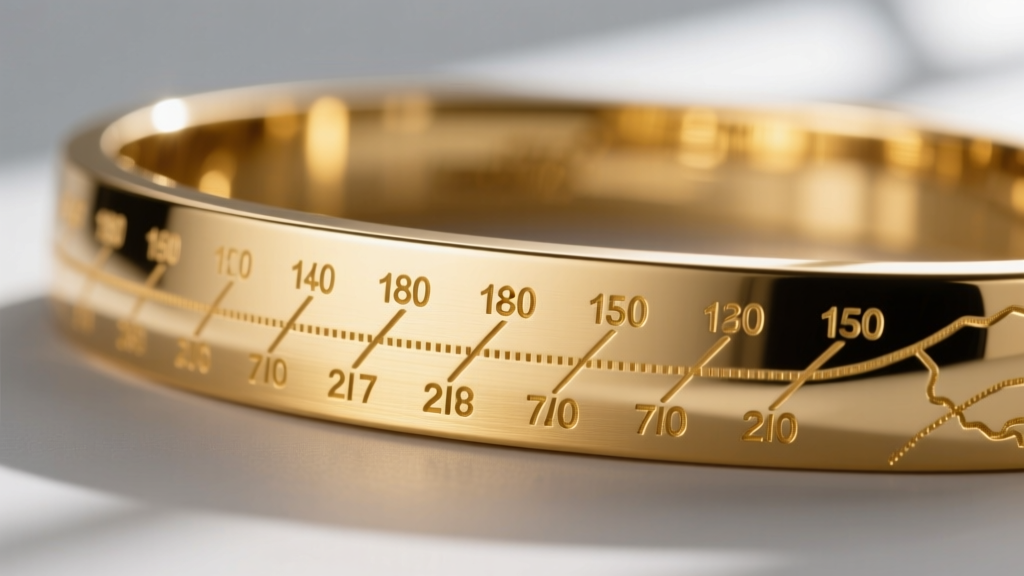
The soul of a custom DBJ Jewelry bracelet lies in its engraving. However, not all engraving methods or font choices yield the same results. The physical dimensions of the bracelet bar or ID plate dictate what is technically possible.
Laser vs. Diamond Drag Engraving
Most modern custom jewelers utilize fiber laser engraving for stainless steel and gold vermeil. Laser engraving burns away the top layer of metal (or darkens it via oxidation), creating deep, high-contrast markings that will never fade. Diamond drag engraving, which uses a physical diamond-tipped stylus to scratch the surface, is shallower and better suited for delicate script on softer metals like solid 14k gold. For a bold, permanent mark on a steel ID bracelet, always select fiber laser engraving.
Typography and Character Limits
When designing your text, adhere to the following typographic rules for jewelry:
- The 60% Rule: Your text should occupy no more than 60% of the available horizontal surface area. Leaving negative space on the left and right margins ensures the engraving is legible from a distance and prevents the design from looking cluttered.
- Font Selection: Sans-serif fonts (like Helvetica or Futura) are vastly superior for small-scale metal engraving. Serif fonts and elaborate cursive scripts often lose their fine details when scaled down to a 5mm wide bracelet bar, resulting in a muddy appearance.
- Data Formatting: If engraving coordinates, use the decimal format (e.g., 40.7128° N, 74.0060° W) rather than degrees, minutes, and seconds, as it requires fewer characters and looks more modern.
Step 4: Stacking and Styling Frameworks
A custom engraved bracelet is rarely worn in isolation. Mastering the art of the 'wrist stack' elevates the piece from a simple accessory to a curated style statement. The goal of stacking is to create visual tension through contrasting textures, weights, and metals.
The Rule of Three and Texture Mixing
The most aesthetically pleasing wrist stacks utilize an odd number of pieces, with three being the golden standard. If your custom DBJ Jewelry bracelet is a smooth, polished ID link, you must introduce contrasting textures to prevent the stack from looking flat.
- Piece 1 (The Anchor): A classic analog watch with a leather or steel strap. This provides structure and grounds the stack.
- Piece 2 (The Focal Point): Your custom engraved DBJ bracelet. This sits closest to the hand and serves as the conversation starter.
- Piece 3 (The Texture): A woven leather cord, a beaded onyx strand, or a hammered copper cuff. This breaks up the metallic monotony and adds an organic, rugged element.
Pro Styling Tip: Never mix clasp mechanisms of the same weight on the same side of your wrist. Heavy lobster clasps will constantly clack against each other, causing micro-scratches on your custom engraving and damaging the plating over time.
Step 5: Long-Term Maintenance and Care
Even the most durable 316L stainless steel requires a basic maintenance protocol to maintain its luster and protect the integrity of the laser engraving. Avoid ultrasonic jewelry cleaners, as the high-frequency vibrations can loosen the jump rings that connect the clasp to the main chain. Instead, create a simple cleaning solution using warm distilled water and a few drops of pH-neutral dish soap. Use a soft-bristled baby toothbrush to gently agitate dirt out of the chain links and the engraved crevices. Rinse thoroughly and dry immediately with a microfiber cloth to prevent water spots. By following these precise sizing, material, and care protocols, your custom bracelet will remain a flawless, deeply personal staple in your wardrobe for decades.


