How to Clean and Size a Sarah Cov Jewelry Bracelet
Learn how to identify, safely clean, and adjust the fit of your vintage or modern Sarah Cov jewelry bracelet with our expert step-by-step restoration guide.

The Enduring Appeal of Sarah Cov Wristwear
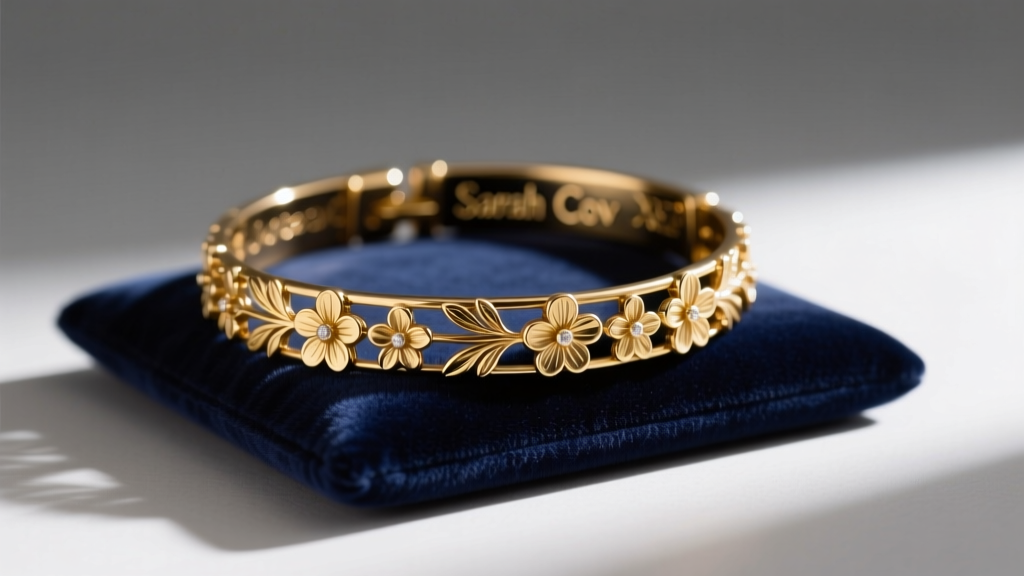
As of 2026, vintage and contemporary direct-sales jewelry continues to dominate estate markets and curated vintage boutiques. Among the most highly sought-after pieces is the classic sarah cov jewelry bracelet. Originally distributed through the Sarah Coventry home-party plan starting in 1949, these bracelets are celebrated for their intricate gold-tone plating, aurora borealis (AB) rhinestones, and unique adjustable clasps. However, decades of wear can lead to tarnished base metals, loose fold-over clasps, and cloudy stones. Whether you have inherited a 1960s expansion bangle or purchased a modern adjustable slide chain, proper restoration requires specific, material-safe techniques. This step-by-step guide will walk you through authenticating, cleaning, and sizing your bracelet without damaging its delicate finishes.
Step 1: Identify Your Bracelet’s Era and Materials
Before applying any cleaning solutions, you must identify the era of your bracelet. Sarah Coventry hallmarks evolved significantly over the decades, and the materials used in each era dictate how you should handle the piece. According to archives documented by Collectors Weekly, the company utilized various stamps before its original closure in 1984, and later during its revival periods.
| Era | Common Hallmark | Primary Materials | Clasp Type |
|---|---|---|---|
| 1949–1950s | Sarah Coventry (Script) | Heavy gold-tone pot metal, glass pearls | Box clasp with safety chain |
| 1960s–1970s | Sarah Cov / SC | Brass base, AB rhinestones, enamel | Fold-over clasp, expansion bands |
| 1980s | Sarah Coventry © | Silver-tone alloys, matte finishes | Lobster claw, slide-adjust |
| 2000s–Present | Sarah Cov (Modern) | Surgical steel, cubic zirconia | Magnetic, silicone slide stops |
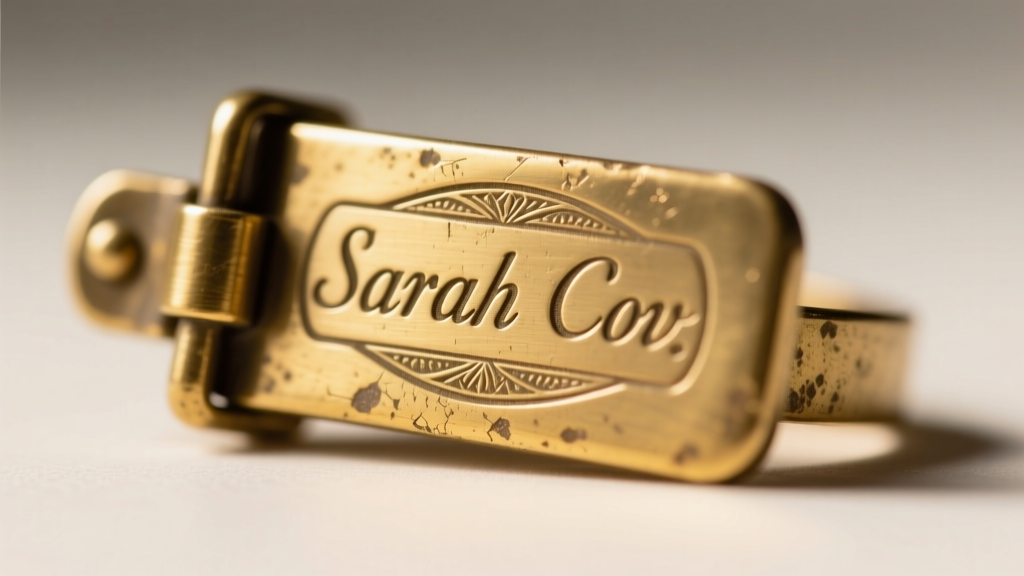
Locate the hallmark on the back of the clasp or the interior of the bangle. If your piece features glued-in rhinestones, you must avoid submersion cleaning entirely, as moisture will dissolve the vintage adhesive and cause stone loss.
Step 2: Safe Cleaning Techniques for Base Metals and Stones
Costume jewelry requires a much gentler touch than fine jewelry. The gold-tone and silver-tone finishes on vintage pieces are often thin electroplated layers over brass or pot metal. Harsh chemicals like bleach, ammonia, or commercial silver dips will strip this plating instantly.
The Q-Tip Method for Rhinestone Pieces
If your bracelet features pavé or prong-set rhinestones, use the dry-to-damp Q-tip method to preserve the foil backing that gives the stones their sparkle.
- Mix a mild solution: Combine one cup of distilled water with a single drop of pH-neutral dish soap (like Dawn).
- Dampen, don't soak: Dip a cotton swab into the solution and squeeze out excess moisture. The swab should be barely damp.
- Clean the stones: Gently rub the face of each rhinestone. Avoid the prongs and the base where the glue resides.
- Dry immediately: Use the dry end of the swab to buff the stone and a microfiber cloth to dry the metal backing. Never let air-dry water spots form on the plating.
The Aluminum Foil Bath for Plain Metal Chains
For heavily tarnished expansion bracelets or plain chain links without stones, an electrochemical reaction can lift tarnish without abrasive scrubbing. Line a glass bowl with aluminum foil (shiny side up). Add one tablespoon of baking soda and a pinch of salt. Pour boiling distilled water over the mixture, then submerge your bracelet for exactly 60 seconds. Remove with wooden tongs, rinse in cool distilled water, and pat dry. This method is highly recommended by gemological and antique care experts, aligning with the gentle care principles outlined by the Gemological Institute of America (GIA).
Step 3: Adjusting the Fit and Repairing Clasps
A common issue with vintage wristwear is a clasp that no longer stays secure, or an expansion band that has lost its tension. Sizing a sarah cov jewelry bracelet rarely involves adding or removing links; instead, it requires mechanical adjustment of the existing hardware.
Tightening a Loose Fold-Over Clasp
Fold-over clasps rely on friction between a metal tongue and a hinged cover. Over time, the cover bends outward, causing the bracelet to slip off the wrist.
- Place the bracelet on a soft jeweler's mat.
- Using nylon-jaw pliers (never steel-jawed, which will mar the gold-tone finish), gently squeeze the hinged cover toward the base plate.
- Apply pressure in increments of 1 millimeter, testing the snap closure after each squeeze.
- If the male tongue is flattened, use a fine needle file to gently score a tiny crosshatch pattern on the top of the tongue to increase friction.
Restoring Expansion Band Tension
Vintage 1960s expansion bracelets often become stiff or fail to retract. This is usually due to dried lubricants and microscopic debris inside the internal spring mechanisms. Do not pull the bracelet apart forcefully. Instead, lay the bracelet flat and apply a single drop of synthetic watch oil (like Moebius 9010) to the seams between the links using a fine oiler pin. Let it sit for 12 hours to penetrate the internal springs, then gently flex the bracelet back and forth to distribute the lubricant. Wipe away any excess oil with a lint-free cloth to prevent it from transferring to your skin or clothing.

Step 4: Troubleshooting Common Vintage Issues
Even with careful maintenance, older pieces present unique challenges. Here is how to handle the most frequent problems encountered by collectors and restorers:
- Cloudy or 'Dead' Rhinestones: If an AB rhinestone looks dull even after cleaning, the moisture may have breached the prongs and damaged the foil backing. While you cannot replace the foil on glued-in vintage stones, you can carefully paint the back of the stone with a specialized jewelry foil pen to restore some brilliance.
- Flaking Plating: If the gold-tone is flaking to reveal the brass underneath, stop cleaning immediately. You can seal the exposed areas with a micro-thin layer of clear jewelry guard (like ProtectaClear) to prevent skin discoloration and halt further oxidation.
- Stuck Slide-Adjust Chains: Modern silicone friction beads on slide chains can become brittle. If the bead won't move, warm it gently with a hairdryer on a low setting for 10 seconds to soften the silicone before sliding it to your desired wrist circumference.
Step 5: Proper Storage to Prevent Plating Loss
How you store your bracelet is just as critical as how you clean it. Base metals are highly reactive to humidity and airborne sulfur. To preserve the integrity of your pieces, follow these archival storage guidelines:
- Use Anti-Tarnish Strips: Place a 3M anti-tarnish strip in each storage compartment. These strips absorb sulfides and must be replaced every six months.
- Avoid PVC Plastics: Never store costume jewelry in cheap, flexible plastic bags. PVC off-gasses chemicals that will permanently pit and cloud rhinestones and strip metal plating. Use acid-free tissue paper or unbleached cotton pouches instead.
- Lay Flat or Hang: Heavy charm bracelets should be laid flat in a lined box to prevent stress on the jump rings. Delicate slide chains should be hung on a padded jewelry rack to prevent the links from kinking.
Final Thoughts on Wristwear Restoration
Restoring a sarah cov jewelry bracelet is a rewarding process that preserves a tangible piece of mid-century and modern fashion history. By avoiding harsh chemicals, utilizing nylon-jaw tools for mechanical adjustments, and understanding the specific vulnerabilities of electroplated base metals, you can ensure your bracelet remains a staple in your rotation for decades to come. For further reading on identifying and valuing mid-century costume jewelry, resources like Invaluable's Vintage Jewelry Guide offer excellent visual databases of hallmarks and maker's marks. Treat your vintage wristwear with patience and precision, and it will continue to catch the light—and the eye—for years to come.


