Does Altar'd State Jewelry Tarnish? Care & Cleaning Guide
Does Altar'd State jewelry tarnish? Yes. Discover expert cleaning, maintenance, and storage tips to keep your gold-plated fashion pieces shining.

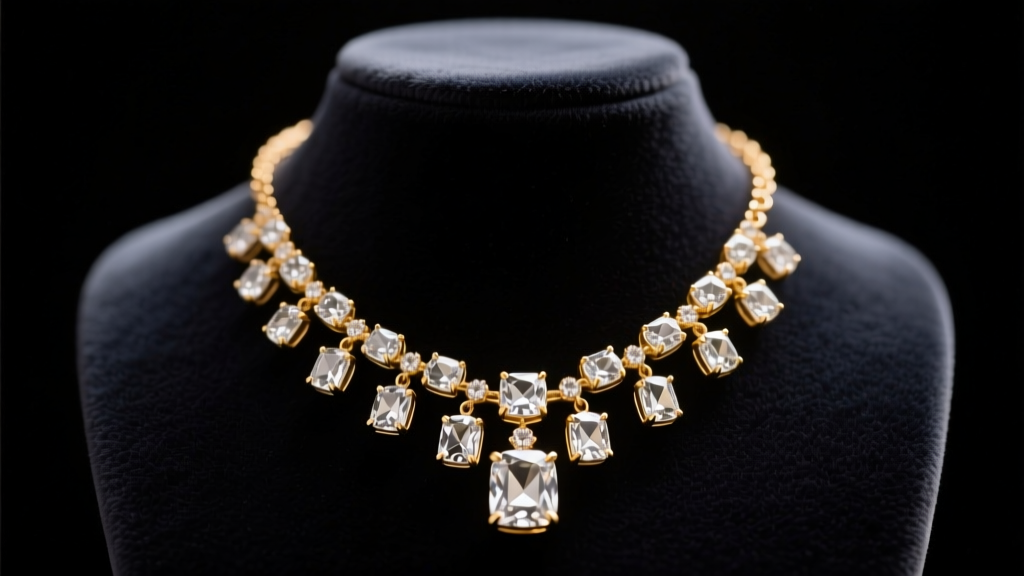
The Short Answer: Does Altar'd State Jewelry Tarnish?
If you have ever asked yourself, "does Altar'd State jewelry tarnish?", the short answer is yes. Altar'd State specializes in high-quality fashion jewelry, which typically features a base metal—such as brass, zinc alloy, or stainless steel—coated with a thin layer of gold-tone or silver-tone plating. While these pieces are beautifully crafted and feature stunning cubic zirconia or glass stones, the nature of fashion jewelry means it is inherently susceptible to tarnishing, oxidizing, and plating wear over time.
However, tarnish is not a death sentence for your favorite bohemian-inspired necklaces or statement rings. With the right chemical knowledge, daily maintenance protocols, and gentle cleaning techniques, you can significantly extend the lifespan of your fashion jewelry and keep it looking brand new.
The Material Science: Why Fashion Jewelry Tarnishes
To understand how to care for your jewelry, you must first understand its composition. According to the Federal Trade Commission (FTC) Jewelry Guides, terms like "gold-plated" or "gold-tone" on fashion jewelry usually indicate a process called flash plating. Flash plating involves submerging the base metal into an electroplating bath for a very short time, resulting in a gold layer that is typically less than 0.5 microns thick (often around 0.1 to 0.2 microns).
Because this protective outer layer is microscopic, it is highly porous. When the underlying brass or zinc alloy is exposed to environmental triggers, a chemical reaction occurs. Copper in the brass reacts with sulfur and oxygen in the air to form copper sulfate and copper oxide, which manifest as the dark, dull green or black patches we recognize as tarnish.
Common Tarnish Triggers
- Sebum and Sweat: Human sweat has a pH level ranging from 4.5 to 7.0. The natural acids and salts in your perspiration can rapidly break down thin gold flash plating.
- Cosmetics and Aerosols: Hairsprays, perfumes, and lotions contain alcohols and volatile organic compounds (VOCs) that strip the protective finish from plated metals.
- Environmental Sulfur: High humidity combined with airborne sulfur compounds (common in urban environments or near industrial areas) accelerates the oxidation of the base metal.
Comparing Cleaning Methods: What is Safe for Plated Jewelry?
Many mainstream jewelry cleaning hacks found online are actually destructive to fashion jewelry. Below is a breakdown of common cleaning methods and their safety profile for Altar'd State pieces.
| Cleaning Method | Safety for Plated Fashion Jewelry | The Science Behind the Verdict |
|---|---|---|
| Ultrasonic Cleaners | Dangerous | High-frequency cavitation bubbles implode against the metal, physically stripping the 0.2-micron flash plating off the brass base. |
| Baking Soda Paste | Dangerous | Baking soda has a Mohs hardness of 2.5. While soft for stones, it acts as a harsh abrasive that will scratch and wear away thin gold plating. |
| Commercial Silver Dips | Dangerous | These contain thiourea and strong acids designed to dissolve silver sulfide. They will permanently discolor gold-tone plating and cloud CZ stones. |
| Mild Dish Soap & Water | Safe | Non-abrasive surfactants gently lift sebum and cosmetic buildup without compromising the metallic bond of the plating. |
| Microfiber Polishing | Safe (if untreated) | Untreated microfiber lifts dust and oils without the micro-abrasives found in chemically treated jeweler's cloths. |
Step-by-Step Cleaning Guide for Altar'd State Pieces
When your jewelry loses its luster, avoid harsh chemicals and opt for this gentle, Gemological Institute of America (GIA) approved method for delicate pieces.
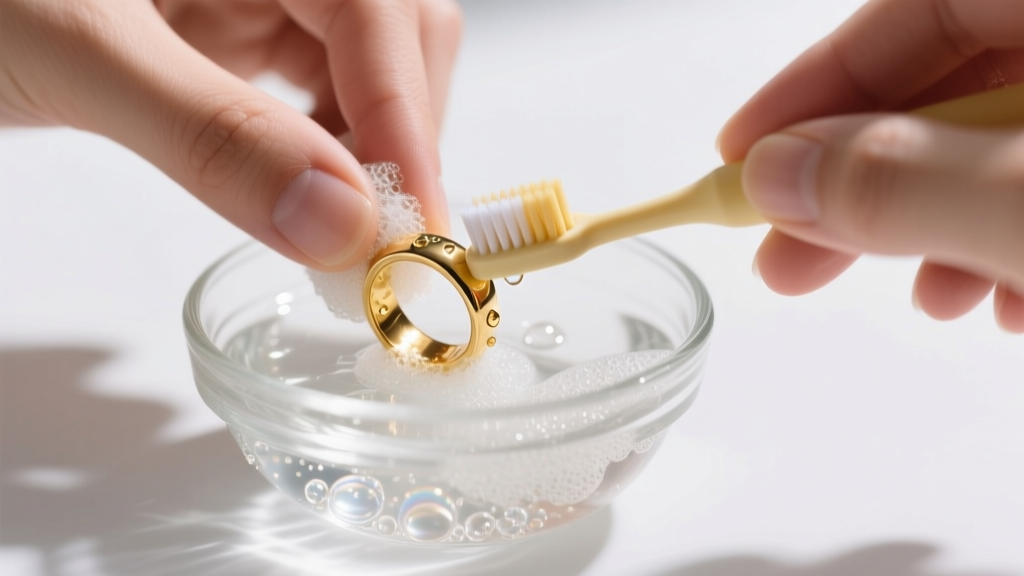
The Gentle Wash Protocol
- Prepare the Solution: Mix one drop of mild, phosphate-free dish soap (like Dawn) into eight ounces of lukewarm distilled water. Avoid hot water, which can weaken the adhesives holding glass or cubic zirconia stones in place.
- Soak Briefly: Submerge the jewelry for no more than 3 to 5 minutes. Prolonged soaking can cause water to seep under stone settings, leading to internal oxidation of the base metal.
- Agitate Gently: Use an extra-soft baby toothbrush to lightly sweep away debris from behind the stones and along the prongs. Never scrub the flat metal surfaces.
- Rinse and Dry: Rinse under a gentle stream of cool distilled water. Immediately pat dry with a lint-free microfiber cloth. Do not air dry, as water spots will form on the plating.
Daily Maintenance: The "Last On, First Off" Rule
Preventing tarnish is vastly easier than reversing it. The golden rule of fashion jewelry maintenance is "Last On, First Off."
Always apply your perfumes, lotions, sunscreens, and hairsprays at least 10 minutes before putting on your Altar'd State jewelry. When you return home, remove your jewelry immediately before washing your hands, showering, or doing household chores.
Furthermore, never wear fashion jewelry to the gym. The combination of elevated body heat, increased sweat production, and the friction from clothing creates the perfect storm for rapid plating degradation. If you must wear jewelry during active hours, opt for solid implant-grade titanium or 14k gold pieces instead.
Advanced Storage Solutions: Controlling the Microclimate
How you store your jewelry when it is not being worn is just as critical as how you clean it. Leaving fashion jewelry exposed on a bathroom counter or an open vanity tray guarantees rapid oxidation due to fluctuating humidity levels.
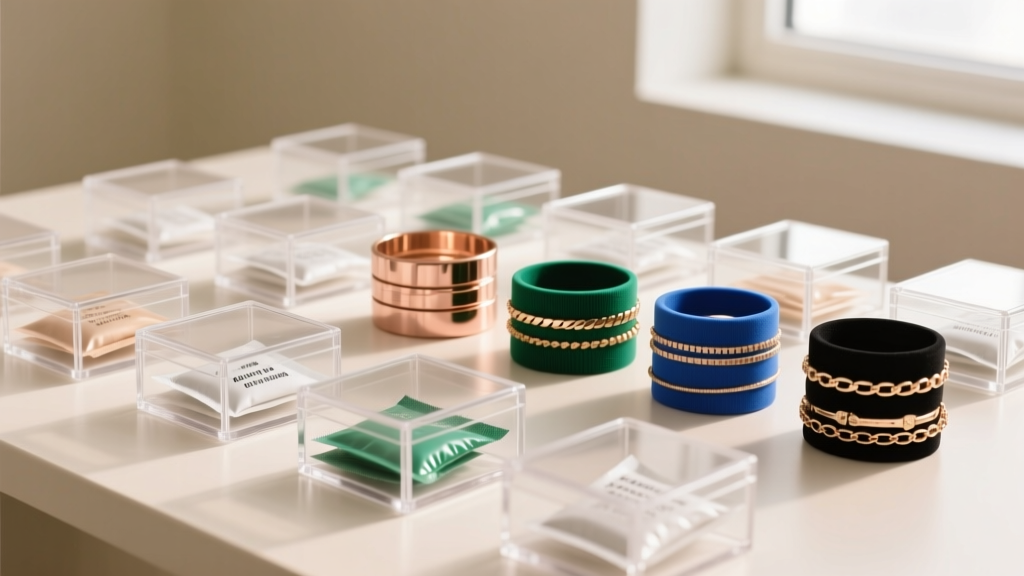
Creating an Anti-Tarnish Environment
- Airtight Containment: Store each piece individually in a small, resealable polyethylene plastic bag. Squeeze out as much air as possible before sealing to limit oxygen exposure.
- Anti-Tarnish Strips: Place a 3M anti-tarnish strip inside each bag or storage compartment. These strips absorb airborne sulfur compounds and hydrogen sulfide before they can reach your metal. Replace the strips every 3 to 6 months.
- Moisture Control: Drop a small silica gel packet into your main jewelry box or drawer to keep the ambient relative humidity below 50%. High humidity acts as a catalyst for the electrochemical reactions that cause brass and zinc to corrode.
- Avoid Cardboard and Paper: Never store plated jewelry in cardboard boxes or wrapped in tissue paper. Wood pulp and paper products off-gas sulfur compounds and acidic vapors that will actively tarnish your pieces.
Troubleshooting: What to Do When Plating Wears Off
Eventually, the friction from daily wear will cause the flash plating on high-contact areas (like the inside of rings or the clasps of bracelets) to wear away, exposing the brass or zinc base metal. When this happens, the exposed metal may react with your skin, sometimes leaving a harmless but unsightly green tint on your fingers.
If a piece begins to cause skin discoloration, you have a few options:
- The Clear Coat Barrier: Apply a very thin layer of clear, hypoallergenic nail polish to the inside of the band. This creates a physical barrier between the base metal and your skin. Note that this is a temporary fix and will need to be reapplied as the polish chips.
- Professional Replating: For sentimental or higher-end fashion pieces, a local jeweler can electroplate the item with a fresh layer of gold or rhodium. However, the cost of replating (typically $40 to $80) often exceeds the original retail price of fashion jewelry.
- Retire the Piece: If the plating is heavily pitted or the base metal is corroding, it is best to retire the piece to prevent skin irritation or contact dermatitis.
Final Care Checklist for Longevity
Keep your Altar'd State jewelry looking pristine by following this quick maintenance checklist:
- Wipe down pieces with a dry microfiber cloth after every wear to remove invisible sweat and oils.
- Never use ultrasonic cleaners, toothpaste, or baking soda on plated fashion jewelry.
- Store pieces individually in airtight bags with anti-tarnish strips.
- Remove all jewelry before swimming in chlorinated pools or saltwater oceans.
- Inspect stone settings regularly to ensure prongs have not been weakened by cleaning.
By understanding the material science behind your fashion jewelry and adopting these targeted care routines, you can confidently wear your favorite Altar'd State pieces for years without worrying about premature tarnish or plating loss.


