Does Francesca's Jewelry Tarnish? Material Breakdown & Care
Does Francesca's jewelry tarnish? We analyze the base metals, plating thickness, and gemstones used, plus expert cleaning tips to prevent oxidation.

The Short Answer: Understanding Francesca's Material Profile
If you are asking, does Francesca's jewelry tarnish, the direct answer is yes. Francesca's is a beloved boutique brand celebrated for its trendy, accessible fashion jewelry. However, the very nature of fashion jewelry dictates that it will eventually tarnish, oxidize, or lose its luster over time. Unlike fine jewelry crafted from solid precious metals, fashion jewelry relies on base metals and thin metallic plating to achieve its aesthetic. When exposed to moisture, oxygen, and the natural acids in human skin, these underlying materials undergo chemical reactions that result in tarnish.
Understanding why this happens requires a deep dive into the metallurgy of fashion accessories. By examining the specific alloys, plating techniques, and gemstone settings used by brands like Francesca's, we can develop highly targeted, scientifically sound cleaning and maintenance protocols to dramatically extend the lifespan of your favorite pieces.
Material Breakdown: What is Francesca's Jewelry Actually Made Of?
To properly care for any piece of jewelry, you must first understand its elemental composition. Francesca's jewelry typically falls into the category of 'costume' or 'fashion' jewelry, which utilizes specific manufacturing materials to keep price points accessible while mimicking the look of high-end luxury.
Base Metals: Brass and Zamak Alloys
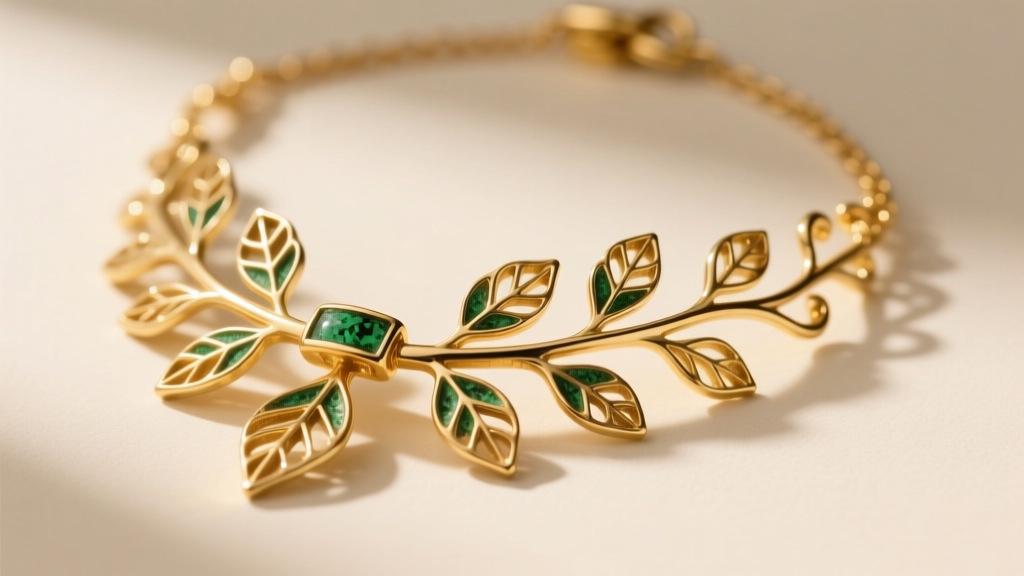
The structural core of most Francesca's necklaces, earrings, and rings is made from either brass or a zinc-based alloy known as Zamak. Brass is an alloy of copper and zinc. While durable and excellent for casting intricate botanical or geometric designs, copper is highly reactive. When copper is exposed to sulfur compounds in the air or the chlorides in human sweat, it oxidizes, forming copper chloride—which is responsible for the dreaded 'green skin' effect.
Zamak (an acronym for Zink, Aluminium, Magnesium, and Kupfer/Copper) is another common base. While Zamak is heavier and feels more substantial, its surface is naturally porous and prone to pitting and oxidation if the protective top layer is compromised.
Plating Thickness: The Reality of Flash Plating
To give these base metals a luxurious gold, rose gold, or silver finish, they are electroplated. According to the Federal Trade Commission (FTC) Jewelry Guides, standard fashion jewelry typically utilizes 'flash plating.' Flash plating involves an incredibly thin layer of precious metal—usually less than 0.175 microns (or 7 millionths of an inch) thick.
Because this layer is microscopic, everyday friction from clothing, combined with the corrosive nature of human sebum and sweat, will eventually wear through the plating. Once the base metal is exposed to the atmosphere, rapid tarnishing is inevitable.
The Chemistry of Tarnish: Why Fashion Jewelry Oxidizes
Tarnish is not simply 'dirt'; it is a localized chemical reaction. For silver-plated Francesca's pieces, tarnish is primarily silver sulfide (Ag2S), which forms when silver reacts with hydrogen sulfide in the ambient air. For gold-plated brass pieces, the tarnish is actually the underlying copper oxidizing and bleeding through microscopic pores in the gold plating.
Human sweat plays a massive role in accelerating this process. The pH of human sweat typically ranges from 4.5 to 7.0, making it mildly acidic. This acidity acts as an electrolyte, facilitating the galvanic corrosion of the base metals. Furthermore, lotions, perfumes, and hairsprays contain volatile organic compounds (VOCs) and alcohols that can strip the protective clear-coat (e-coat) that many fashion jewelers apply over the plating to delay oxidation.
Francesca's vs. Fine Jewelry: A Material Comparison Table
To contextualize the care requirements of fashion jewelry, it is helpful to compare its material properties against higher-tier jewelry categories. This comparison highlights why your cleaning approach must be uniquely tailored to plated pieces.
| Material Category | Base Metal | Plating Thickness | Tarnish Resistance | Recommended Cleaning Method |
|---|---|---|---|---|
| Francesca's (Fashion) | Brass / Zamak | Flash Plated (<0.175µm) | Low (Months) | Damp microfiber, pH-neutral soap |
| Gold Vermeil | Sterling Silver (.925) | Heavy Plated (≥2.5µm) | Medium (Years) | Mild soap, soft brush, polishing cloth |
| Solid Fine Jewelry | 14k/18k Gold, Platinum | N/A (Solid Alloy) | High (Lifetime) | Ultrasonic, steam, chemical dips |
Expert Cleaning Protocols for Plated Francesca's Pieces
Because the plating on fashion jewelry is exceptionally thin, the aggressive cleaning methods used for fine jewelry will destroy it. The Gemological Institute of America (GIA) warns against using harsh chemicals or abrasives on any plated surface. Here is how to safely clean your pieces without stripping the finish.
What to Avoid (The Damage List)
- Baking Soda Paste: Baking soda has a Mohs hardness of about 2.5. While this seems soft, gold plating is even softer and thinner. Scrubbing with baking soda will create micro-scratches, instantly wearing through the flash plating and exposing the brass underneath.
- Ultrasonic Cleaners: The cavitation bubbles generated by ultrasonic frequencies create microscopic shockwaves. These shockwaves will literally blast the thin layer of gold or silver plating right off the Zamak or brass core.
- Silver Dip Solutions: Chemical dips contain thiourea and strong acids designed to strip silver sulfide. These chemicals will aggressively eat through the e-coat and the plating on fashion jewelry, leaving it dull and permanently discolored.
- Toothpaste: Toothpaste contains hydrated silica, a highly abrasive compound meant to scrub enamel. It will annihilate flash plating on contact.
The Safe DIY Cleaning Method
For routine maintenance and light tarnish removal, use this gentle, chemistry-safe protocol:
- Prepare the Solution: Mix 1 cup of distilled water (tap water contains chlorine and minerals that can accelerate tarnish) with 3 drops of a pH-neutral, dye-free dish soap.
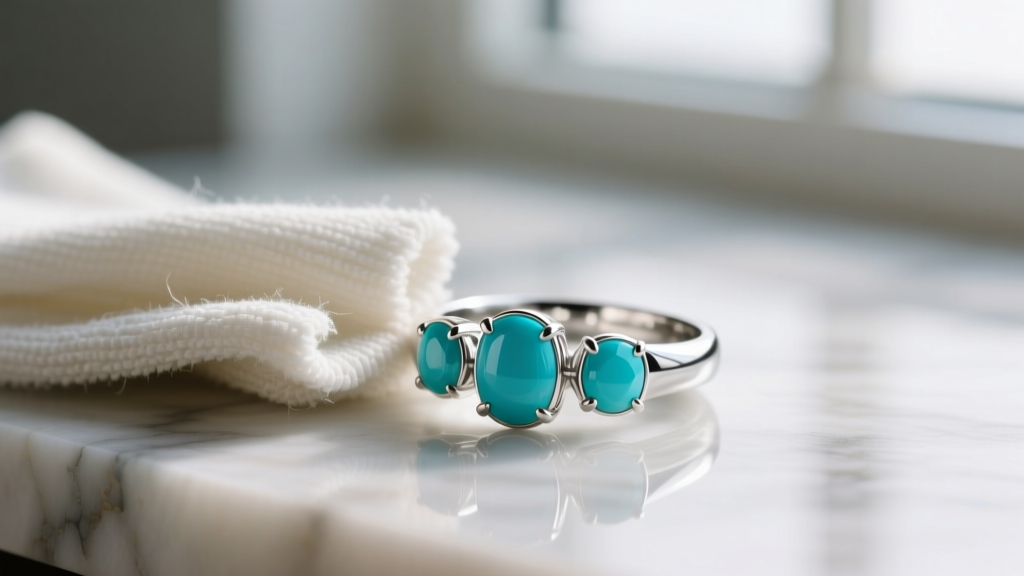
- The Wipe Down: Dip a lint-free microfiber cloth into the solution, wring it out until it is only slightly damp, and gently wipe the surface of the jewelry. Do not submerge the piece, especially if it features glued-in glass or acrylic cabochons, as water can dissolve the jeweler's epoxy.
- Detailing: For intricate filigree or textured areas, use a brand-new, ultra-soft baby toothbrush. Gently sweep the bristles across the metal without applying downward pressure.
- Drying: Immediately pat the piece completely dry with a separate, clean microfiber cloth. Moisture left in crevices will cause rapid oxidation of the base metal.
Long-Term Anti-Tarnish Storage Strategies
Because you cannot stop the eventual wear of flash plating, your primary defense against tarnish is environmental control. Proper storage is arguably more important than cleaning when it comes to fashion jewelry.
'The rate of metallic oxidation is directly proportional to ambient humidity and the presence of airborne sulfur compounds. Controlling the micro-environment of your jewelry storage is the most effective way to halt tarnish before it begins.' — Jewelers of America Material Care Guidelines.
To implement a professional-grade storage system for your Francesca's collection, follow these steps:
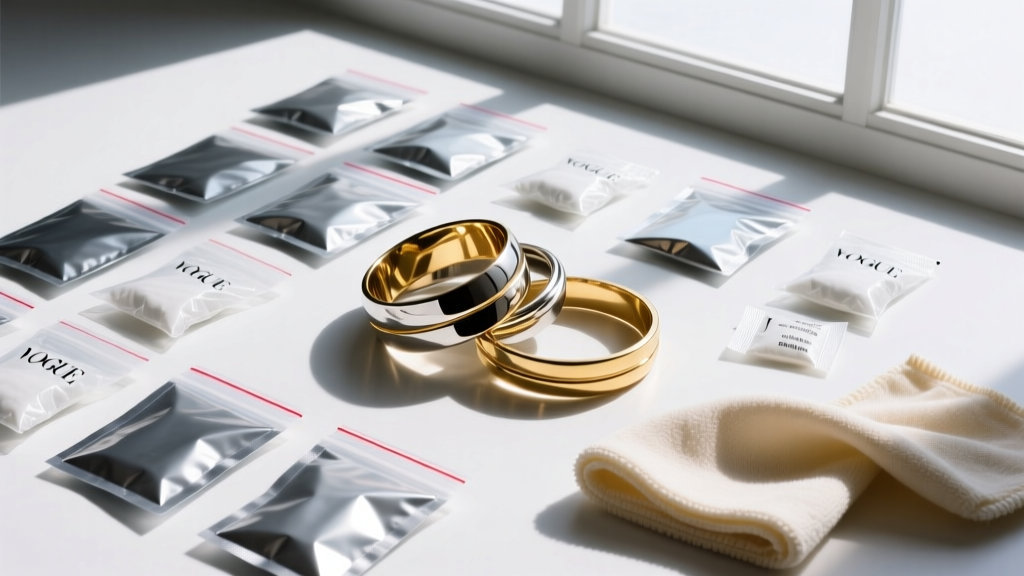
- Use Anti-Tarnish Strips: Purchase 3M anti-tarnish strips. These contain copper-based polymers that act as sacrificial anodes, absorbing hydrogen sulfide and sulfur dioxide from the air before they can reach your silver-plated or gold-plated pieces.
- Seal in Polyethylene: Store each piece individually in small, resealable polyethylene (ziplock) bags. Polyethylene is a low-density plastic that does not off-gas harmful plasticizers or PVCs, which can cause severe corrosion in base metals.
- Control Moisture: Drop a small, reusable silica gel desiccant packet into each bag. By keeping the relative humidity inside the bag below 30%, you effectively starve the oxidation process of the moisture it needs to occur.
- Avoid Cardboard and Velvet: Never store fashion jewelry in cardboard boxes or cheap velvet-lined wooden cases. The adhesives used in cardboard and the dyes in synthetic velvets often contain sulfur and acidic compounds that will aggressively tarnish your jewelry over time.
Conclusion
So, does Francesca's jewelry tarnish? Yes, due to the inherent chemical properties of its brass and Zamak base metals and the microscopic thickness of its flash plating. However, tarnish is not a death sentence for your favorite boutique accessories. By understanding the material science behind your jewelry, avoiding abrasive DIY cleaning myths, and implementing a rigorous, low-humidity storage protocol, you can preserve the brilliant finish of your fashion pieces for years to come. Treat your plated jewelry with the same environmental respect as fine heirlooms, and it will continue to elevate your wardrobe season after season.


