Connoisseurs Fine Jewelry Cleaner: Expert Technical Review
An expert technical review of Connoisseurs Fine Jewelry Cleaner, analyzing its chemical composition, material compatibility, and optimal usage protocols.


The Chemical Architecture of Connoisseurs Fine Jewelry Cleaner
When evaluating commercial jewelry maintenance solutions, it is critical to look past marketing claims and examine the underlying chemical architecture. The connoisseurs fine jewelry cleaner formula relies on a sophisticated blend of non-ionic surfactants and chelating agents, specifically engineered to address the primary culprits of gemstone brilliance loss: sebum, squalene, and cosmetic polymers. Unlike harsh alkaline degreasers or ammonia-based glass cleaners, this formulation maintains a near-neutral pH (typically between 7.5 and 8.5). This specific pH range is crucial; it is alkaline enough to saponify and lift human skin oils from the pavilion facets of a diamond, yet mild enough to prevent the chemical etching of sensitive metal alloys or the degradation of porous gemstone matrices.
Furthermore, the inclusion of chelating agents (such as EDTA derivatives) serves a vital secondary function. These molecules bind to free calcium and magnesium ions present in tap water, effectively neutralizing hard water minerals before they can precipitate onto the jewelry surface during the drying phase. According to the Gemological Institute of America (GIA), preventing hard water spotting is essential for maintaining the optical light return of high-refractive-index stones like diamonds and moissanite. By encapsulating these minerals, the cleaner ensures a streak-free finish without requiring aggressive mechanical polishing that could induce micro-scratches on precious metals.
Material Compatibility Matrix
Not all fine jewelry is created equal, and a universal cleaner must navigate a complex landscape of metallurgical and gemological variables. Below is a technical compatibility matrix detailing how the connoisseurs fine jewelry cleaner interacts with common bench materials.
| Material / Gemstone | Mohs Hardness / Structure | Compatibility | Technical Rationale |
|---|---|---|---|
| Diamond (Natural & Lab) | 10 / Isometric | Optimal | Surfactants effectively clear the pavilion without risking cleavage plane damage. |
| Platinum 950 | 4.5 / Malleable Metal | Optimal | Non-abrasive, ammonia-free formula prevents rhodium-stripping or surface oxidation. |
| 18k Yellow Gold | 2.5-3 / Copper-Silver Alloy | Safe | Mild pH prevents the leaching of copper or silver alloying metals from the gold matrix. |
| Ruby & Sapphire | 9 / Corundum | Safe | Chemically stable; however, fracture-filled stones require a reduced soak time. |
| Emerald | 7.5-8 / Beryl (Highly Included) | Unsafe | Surfactants will strip the traditional cedar oil treatments used to mask surface-reaching fractures. |
| Pearl (Nacre) | 2.5-4.5 / Calcium Carbonate | Unsafe | Even mildly alkaline solutions can dissolve the aragonite platelets, destroying the orient and luster. |
Synergy with Ultrasonic Cavitation
While the connoisseurs fine jewelry cleaner is highly effective as a static dip solution, its true technical potential is unlocked when paired with an ultrasonic jewelry cleaner. Ultrasonic machines operate by generating high-frequency sound waves (typically 35kHz to 45kHz) that create microscopic vacuum bubbles in the liquid—a process known as cavitation. When these bubbles collapse against the surface of a ring, they generate localized shockwaves that dislodge particulate matter from micro-crevices, such as the gallery beneath a center stone or the tight channels of a pavé setting.
The chemical composition of this specific cleaner actively enhances cavitation. By lowering the surface tension of the water, the fluid allows the cavitation bubbles to penetrate deeper into sub-millimeter gaps that pure water would bypass due to capillary action. For heavily soiled items, such as vintage pieces with decades of compacted lotion and dead skin cells beneath the prongs, this chemical-mechanical synergy reduces the required ultrasonic exposure time from 10 minutes down to 3 minutes, thereby minimizing the risk of vibrational damage to delicate prong tips or inclusion-heavy gemstones.
The 120-Second Technical Protocol
To maximize efficacy while mitigating chemical risks, bench jewelers and informed consumers should adhere to a strict operational protocol:
- Pre-Inspection: Always examine prongs under 10x magnification. Never submerge a stone with loose tension or a cracked pavilion.
- Thermal Activation: Warm the solution to approximately 95°F (35°C). This slight temperature increase accelerates the kinetic energy of the surfactant molecules, improving oil emulsification.
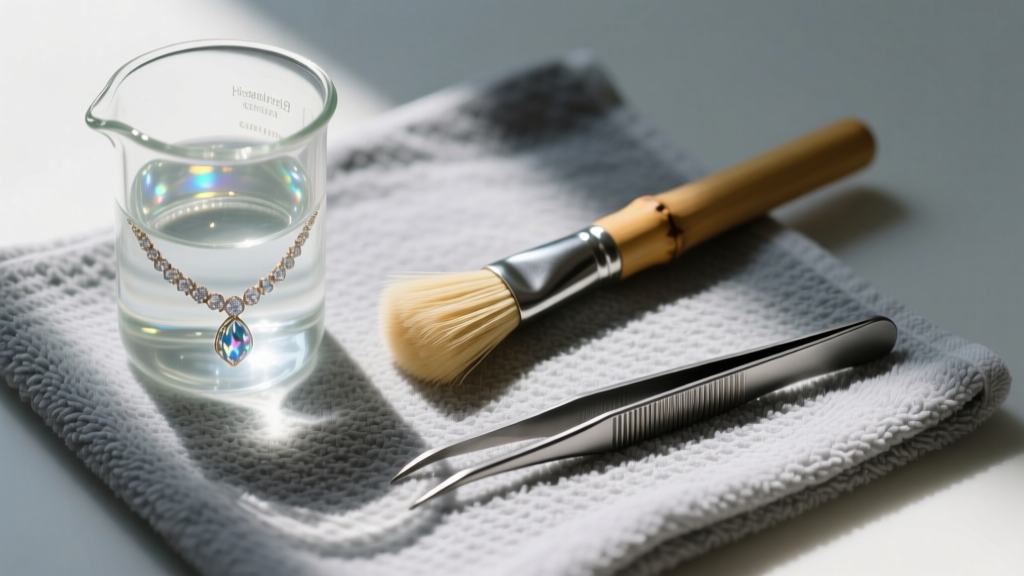
- Agitation: Submerge the piece for exactly 60 to 120 seconds. Use a soft-bristled bamboo or natural-hair brush to gently sweep the pavilion and under-gallery. Avoid synthetic bristles, which can harbor microscopic silica particles that scratch 18k gold.
- The Distilled Rinse: This is the most frequently skipped step. Rinse the jewelry thoroughly under distilled or deionized water. Tap water contains dissolved solids that will immediately bond to the wet metal, negating the chelating benefits of the cleaner.
Failure Modes and Gemological Risks
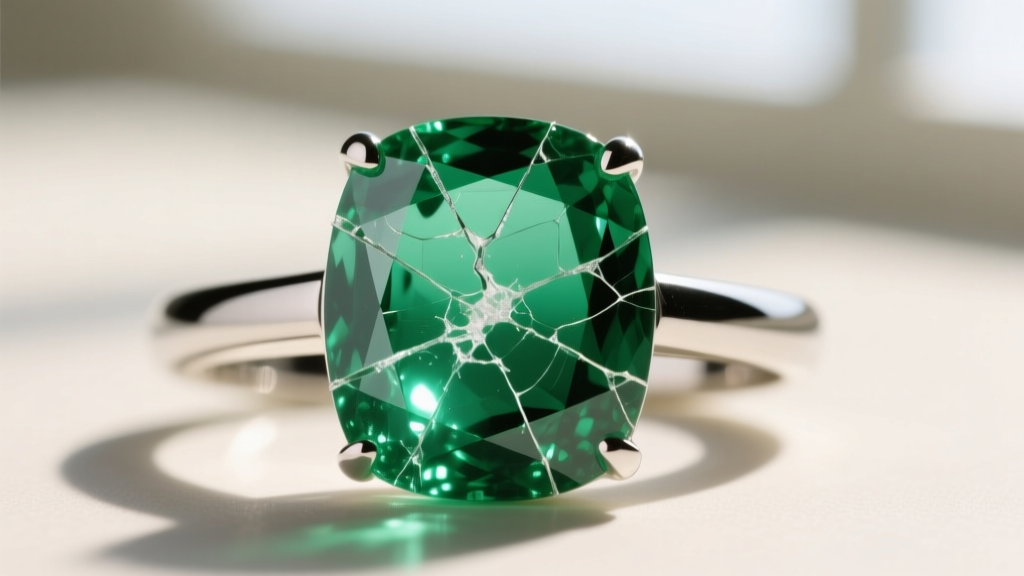
Despite its generally safe profile for diamonds and precious metals, misuse of the connoisseurs fine jewelry cleaner can lead to catastrophic gemological failures. The most common failure mode occurs with oil-treated emeralds. As noted by Connoisseurs official care guidelines, emeralds are almost universally treated with oils or resins to improve clarity. The non-ionic surfactants in this cleaner are explicitly designed to break down oils. Submerging an emerald will strip the cedar oil from its natural fissures, resulting in a sudden, drastic drop in clarity and the appearance of stark white internal fractures.
Another critical failure mode involves porous organic gems and assembled stones. Pearls, coral, and amber are organic structures that can absorb the cleaning fluid, leading to internal swelling, discoloration, and the eventual breakdown of their protein matrices. Similarly, doublets and triplets (assembled stones often used for opals or garnets) are held together by optical adhesives. Prolonged soaking in any aqueous surfactant solution can degrade these adhesive layers, causing the stone to delaminate and separate from the backing.
Connoisseurs vs. Professional Bench Solutions
How does this consumer-grade formula compare to the heavy-duty concentrates used in professional jewelry manufacturing and repair shops? Professional bench jewelers often rely on highly alkaline, ammonia-based ultrasonic concentrates (such as OmniTech or Blitz) designed to strip polishing compounds and heavy oxidation from raw castings. While these professional solutions offer superior degreasing power, they are entirely unsuitable for finished retail jewelry. Ammonia aggressively attacks the rhodium plating on white gold, accelerating the yellowing effect and requiring frequent, expensive re-plating.
The connoisseurs fine jewelry cleaner sacrifices the aggressive stripping power of ammonia to prioritize the long-term preservation of metal finishes and gemstone integrity. It is not designed to remove heavy firescale or oxidation from silver (for which a dedicated silver dip with thiourea is required), but it excels at the weekly maintenance of diamond brilliance and platinum luster. For the end consumer, this trade-off is mathematically sound: preserving the rhodium layer and avoiding gemstone damage far outweighs the marginal gain in degreasing speed offered by industrial bench chemicals.
Expert Verdict and Maintenance Cadence
From a metallurgical and gemological standpoint, the connoisseurs fine jewelry cleaner represents a highly optimized, chemically sound solution for the routine maintenance of high-value, non-porous jewelry. Its reliance on chelating agents and mild non-ionic surfactants demonstrates a clear understanding of the optical requirements of faceted gemstones and the chemical vulnerabilities of precious metal alloys. For optimal results, users should integrate this cleaner into a bi-weekly maintenance cadence, always followed by a distilled water rinse and a gentle drying with a lint-free microfiber cloth. By respecting the material boundaries outlined in the compatibility matrix, collectors and daily wearers alike can maintain maximum light return and structural integrity without the need for frequent professional bench servicing.


