How Do I Clean Jewelry at Home? The Ultimate Budget Guide
Discover how do I clean jewelry at home on a budget. Compare DIY, commercial, and ultrasonic methods to maximize value and protect gems.

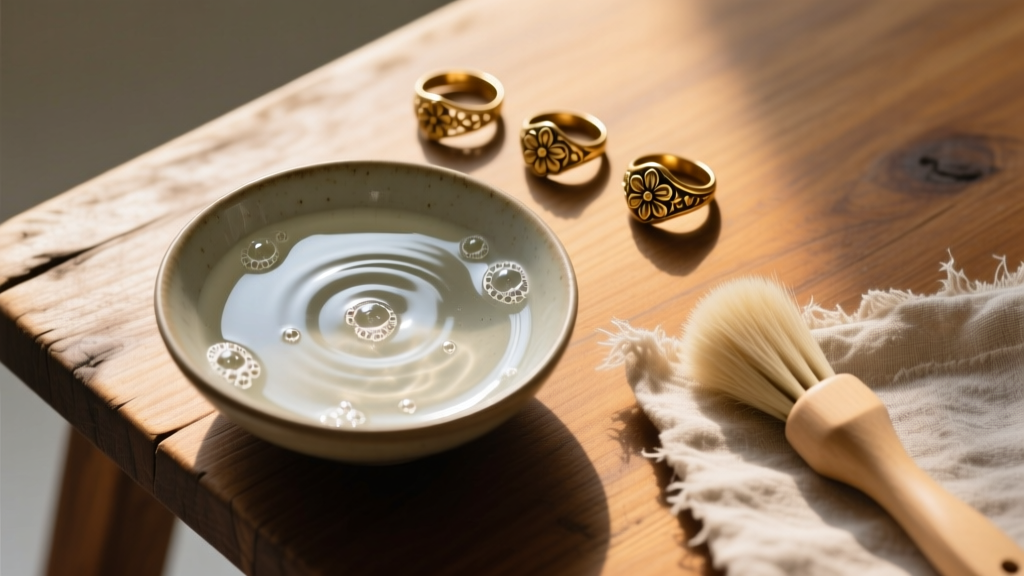
When you invest in fine jewelry, maintaining its brilliance is just as important as the initial purchase. But professional cleaning services can cost anywhere from $25 to $50 per visit, quickly eating into your budget. If you have ever found yourself asking, how do I clean jewelry at home without risking damage or spending a fortune, you are not alone. The answer lies in understanding the intersection of material science, gemology, and cost-efficiency.
In this budget and value assessment, we break down the true ROI (Return on Investment) of at-home jewelry cleaning methods. From zero-cost kitchen chemistry to commercial ultrasonic investments, here is how to maximize your jewelry's lifespan while minimizing your out-of-pocket expenses.
The True Cost of Jewelry Maintenance: DIY vs. Professional
Before diving into specific methods, we must establish a baseline for value. A professional jeweler typically charges between $25 and $50 for a deep clean, ultrasonic bath, and steam polish. While this is essential for annual prong-checks and structural inspections, paying for routine grime removal is a poor allocation of your jewelry maintenance budget.
By mastering at-home cleaning, you can reduce your annual maintenance costs by up to 80%, reserving professional visits strictly for structural assessments and rhodium re-plating. The key is matching the cleaning method to the specific metal and gemstone porosity.
Tier 1: Zero-Cost Kitchen Solutions (The $0 Budget)
The most cost-effective way to answer 'how do I clean jewelry at home' is by utilizing items already in your pantry. However, not all DIY hacks are safe. We must separate the chemically sound methods from the destructive internet myths.
The Dish Soap Degreaser (Best for Diamonds and Gold)
Lotions, sebum, and cosmetics create a hydrophobic film over gemstones, particularly diamonds, which are naturally lipophilic (oil-attracting). A simple solution of warm water and a few drops of pH-neutral dish soap (like original Dawn) is the gold standard for routine cleaning.
- Cost per use: Less than $0.01
- Method: Soak for 15 minutes, gently agitate with a baby toothbrush (ultra-soft bristles prevent micro-scratching on 14k and 18k gold), and rinse with distilled water to prevent hard water spots.
- Value Verdict: Unbeatable for weekly maintenance of diamond solitaires and solid gold bands.
The Aluminum Foil Ion Exchange (Best for Sterling Silver)
Silver sulfide (tarnish) cannot be washed away with soap; it must be chemically reversed. Instead of buying expensive silver dips, you can use a basic electrochemical reaction.
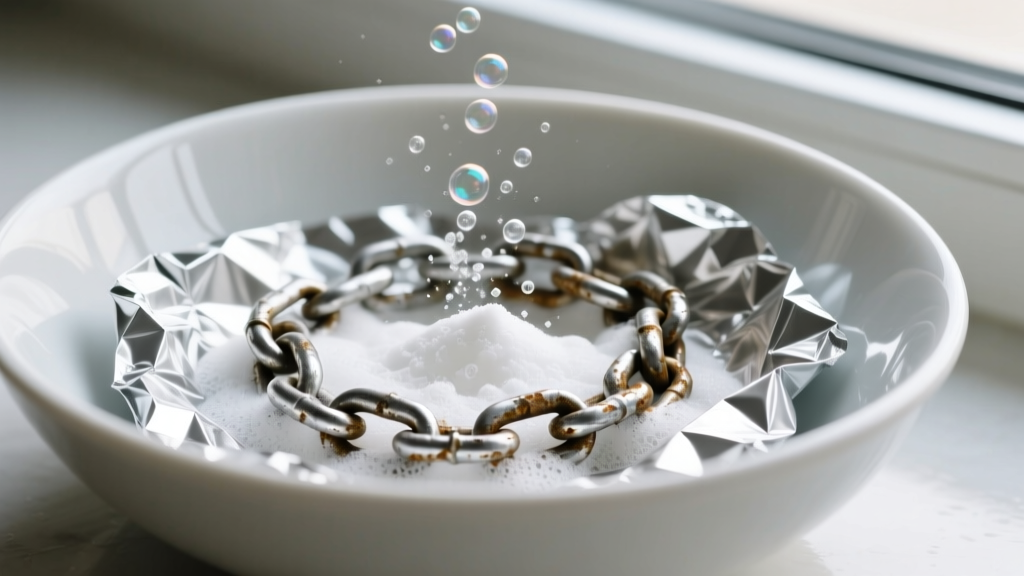
Line a glass bowl with aluminum foil (shiny side up). Add 1 tablespoon of baking soda, 1 tablespoon of sea salt, and pour in boiling water. Submerge your sterling silver. The heat and electrolytes facilitate an ion exchange, transferring the sulfur from the silver to the aluminum foil in minutes.
- Cost per use: $0.05
- Warning: Never use this on oxidized silver (where dark tarnish is intentional for contrast) or silver set with porous gems like turquoise or opals, as the boiling water will fracture them.
Tier 2: Commercial At-Home Cleaners ($10 - $30 Range)
When kitchen solutions fall short, commercial cleaners offer targeted chemical formulations. But do they provide enough value to justify the upfront cost?
Liquid Dips vs. Treated Polishing Cloths
Brands like Connoisseurs and Hagerty dominate this space. A standard liquid silver dip costs around $8 to $12, while a treated polishing cloth costs about $6 to $10 and lasts for dozens of uses.
According to the GIA Gem Encyclopedia, liquid dips often contain thiourea, a harsh chemical that strips tarnish instantly but can leave a residue that accelerates future tarnishing if not thoroughly rinsed. Polishing cloths, impregnated with micro-abrasives and anti-tarnish agents, offer a safer, more controlled application.
| Method | Avg. Upfront Cost | Cost Per Use | Best For | Avoid Using On |
|---|---|---|---|---|
| Dish Soap Soak | $0.00 | < $0.01 | Diamonds, Gold, Platinum | Pearls, Emeralds |
| Foil & Baking Soda | $0.50 | $0.05 | Sterling Silver Chains | Oxidized Silver, Opals |
| Commercial Liquid Dip | $8.00 - $12.00 | $0.40 | Heavily Tarnished Silver | Porous Gems, Plated Metals |
| Treated Polishing Cloth | $6.00 - $10.00 | $0.15 | Gold, Silver, Platinum | Matte Finishes, Brushed Metals |
| Ultrasonic Machine | $40.00 - $150.00 | $0.02 | Diamonds, Hard Gemstones | Emeralds, Pearls, Opals |
Tier 3: Ultrasonic Cleaners ($40 - $150 Investment)
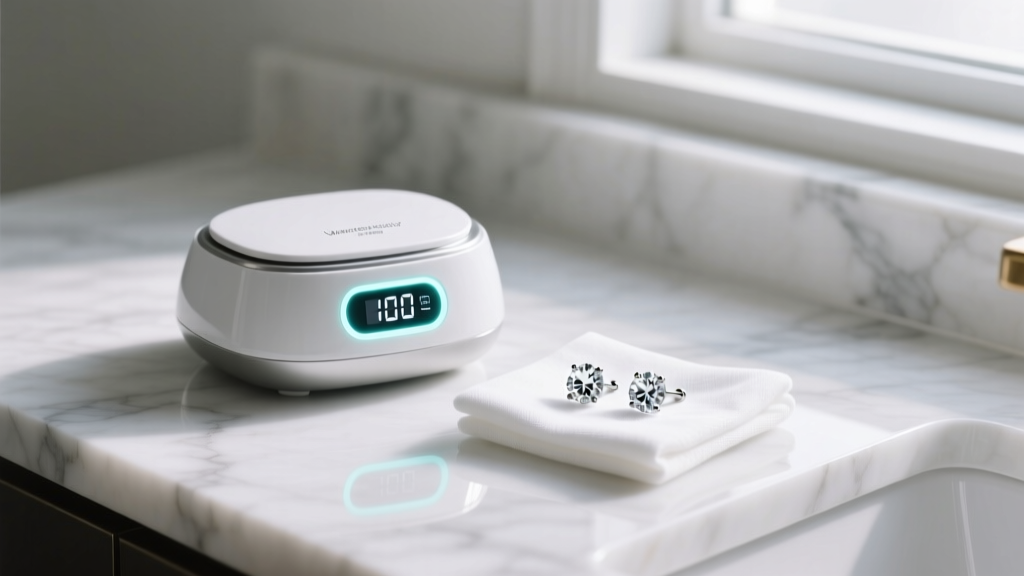
If you wear jewelry daily, an ultrasonic cleaner is the ultimate budget hack for long-term value preservation. These machines use high-frequency sound waves (typically 42,000 Hz) to create microscopic vacuum bubbles in a liquid solution. When these bubbles collapse against the jewelry, they blast away microscopic dirt—a process called cavitation.
When Does an Ultrasonic Cleaner Pay for Itself?
A reliable entry-level ultrasonic cleaner (such as the iSonic P4810 or similar 42kHz models) costs around $50. If you have a collection of 5 to 10 pieces that you clean monthly, the machine pays for itself within the first year compared to professional cleaning fees.
However, cavitation is violent. The Jewelers of America explicitly warns against using ultrasonic cleaners on fracture-filled diamonds, emeralds (which are treated with cedar oil that the machine will strip), and any gemstone with a Mohs hardness below 7, such as tanzanite or opal. The vibrations can shatter internal inclusions or cause the stones to pop out of their settings.
The Hidden Costs: When At-Home Cleaning Destroys Value
Answering 'how do I clean jewelry at home' incorrectly can result in catastrophic financial loss. The most pervasive and destructive DIY myth is using toothpaste to polish gold and silver.
The Toothpaste Abrasion Disaster
Toothpaste contains silica and calcium carbonate, which have a Mohs hardness of roughly 3 to 4. Pure 24k gold has a Mohs hardness of 2.5, and sterling silver is around 2.5 to 3. Scrubbing your jewelry with toothpaste is essentially sanding it with liquid sandpaper. You will permanently scratch the metal, dulling the finish and removing microscopic layers of precious metal, which drastically reduces the resale and heirloom value of the piece.
Stripping Rhodium Plating
White gold is naturally a pale yellow alloy. To achieve a bright white finish, it is plated with rhodium, a rare and expensive platinum-group metal. Harsh chemicals, abrasive brushes, and commercial silver dips will strip this plating prematurely. Re-plating a white gold ring costs between $50 and $120. Stick to mild dish soap and a microfiber cloth to protect your rhodium investment.
The Verdict: Building Your Budget Cleaning Arsenal
To maximize your jewelry budget, adopt a tiered approach. Use the $0 dish soap method for your weekly diamond and gold maintenance. Utilize the aluminum foil ion-exchange trick for your sterling silver pieces twice a year. Invest $8 in a high-quality treated polishing cloth for quick touch-ups before events. Finally, if your collection warrants it, a $50 ultrasonic cleaner will provide professional-level brilliance for hard gemstones at pennies per use.
Expert Rule of Thumb: Never clean jewelry over an open sink drain. The cost of a $10 rubber sink strainer is the cheapest insurance policy you will ever buy for your fine jewelry.
By understanding the material science behind your jewelry, you can maintain its showroom shine without the showroom price tag, ensuring your pieces remain both beautiful and financially sound for generations.


