How to Clean Your Jewelry at Home: A Beginner's Safe Guide
Learn how to clean your jewelry at home safely. This beginner-friendly guide covers DIY solutions, material-specific care, and common mistakes.

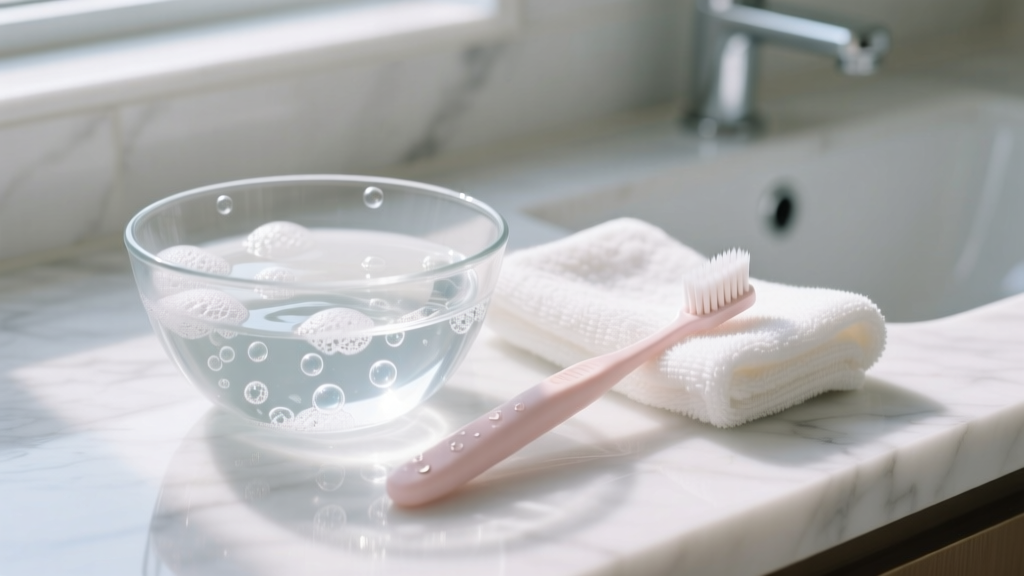
Learning how to clean your jewelry at home is one of the most valuable skills you can develop as a collector or everyday wearer. While professional servicing is essential for long-term maintenance, a solid home-care routine preserves the brilliance of your metals and gemstones between appointments. However, the internet is flooded with outdated, abrasive, and outright dangerous DIY hacks that can permanently damage precious pieces. In this comprehensive 2026 beginner's guide, we strip away the myths and focus on the chemistry, material science, and proven techniques required to safely clean your jewelry without risking structural or cosmetic damage.
The Golden Rule: Understanding Mohs Hardness and Porosity
Before you mix any cleaning solutions, you must understand the physical properties of your jewelry. The American Gem Society emphasizes that a one-size-fits-all approach is the fastest way to ruin a gemstone. The Mohs scale of mineral hardness dictates what can withstand scrubbing and what will scratch under minimal pressure.
- Hard Stones (Mohs 8-10): Diamonds, rubies, and sapphires are highly durable. They can handle gentle brushing and mild chemical solutions without micro-scratching.
- Medium Stones (Mohs 6-7.5): Tourmaline, garnet, and quartz require a softer touch. Avoid ultrasonic vibrations, which can cause internal fracturing along natural inclusion lines.
- Soft & Porous Stones (Mohs 2.5-5.5): Pearls, opals, turquoise, and malachite are highly reactive. According to the Gemological Institute of America (GIA), porous gems absorb liquids, meaning soapy water or chemical dips will permanently cloud their color and degrade their structural integrity.
Always identify your gemstone before applying any liquid. When in doubt, stick to a dry, lint-free wipe.
The Only DIY Cleaning Solution You Actually Need
Forget the baking soda pastes, vinegar soaks, and toothpaste scrubs. The safest, most effective, and most universally applicable DIY cleaner for durable metals and hard gemstones requires only two ingredients:
- Distilled Water: Tap water contains dissolved minerals like calcium and magnesium. When tap water evaporates off your jewelry, it leaves behind microscopic hard-water spots that dull the metal's reflectivity. Distilled water ensures a spot-free rinse.
- pH-Neutral Dish Soap: A basic, non-moisturizing, pH-neutral dish soap (such as Dawn Ultra Original) is engineered to break down human sebum, lotions, and environmental oils without stripping metal finishes or dissolving the rhodium plating on white gold.
Pro Tip: Never use dish soaps labeled as "Powerwash" or those containing added citrus solvents, as the elevated acidity can degrade soft metal alloys over time.
Step-by-Step: How to Clean Your Jewelry at Home by Material
1. Gold, Platinum, and Lab-Grown Diamonds
Whether you are wearing a 14k yellow gold rope chain or a platinum lab-grown diamond engagement ring, the accumulation of hand lotion and dead skin cells beneath the gallery (the basket holding the stone) is the primary culprit for lost brilliance.
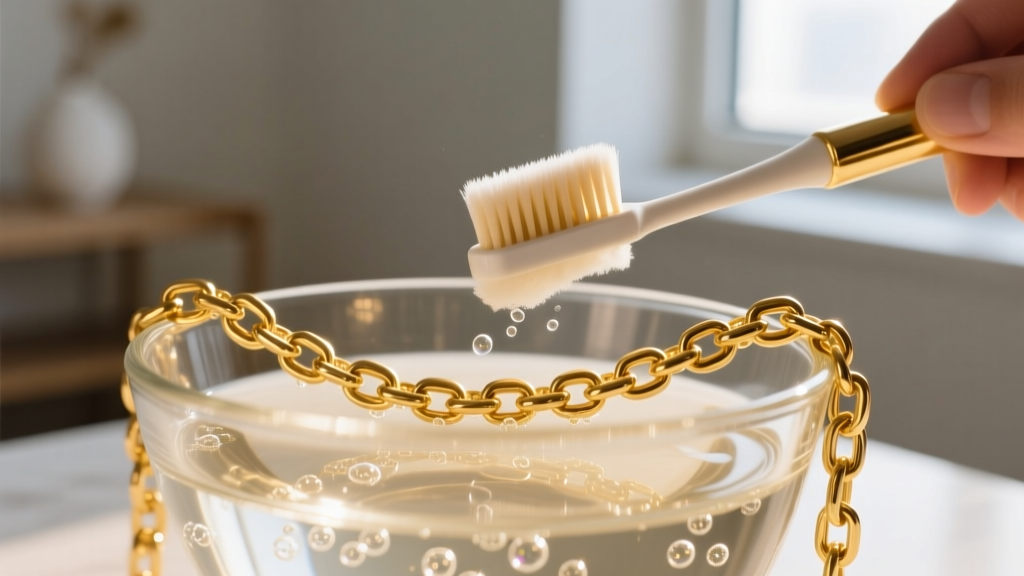
- Soak: Mix a few drops of pH-neutral dish soap into a bowl of warm distilled water. Let the jewelry soak for 15 to 20 minutes to loosen sebum.
- Agitate: Using a brand-new, extra-soft baby toothbrush, gently sweep the bristles across the metal and the back of the gemstones. Never use a standard adult toothbrush, as the nylon bristles are stiff enough to micro-scratch high-polish 18k gold.
- Rinse & Dry: Rinse under a gentle stream of distilled water. Pat dry with a clean, 300 GSM microfiber cloth. Avoid air-drying, which promotes water spotting.
2. Sterling Silver (925) and Tarnish Removal
Silver tarnish is not dirt; it is a chemical reaction. When sterling silver is exposed to hydrogen sulfide in the air, it forms silver sulfide (Ag2S), a dark layer on the surface. While the viral "aluminum foil and baking soda" trick uses an electrochemical ion-transfer reaction to strip tarnish, it is far too aggressive for jewelry. It leaves the silver microscopically pitted and strips away intentional antiquing (oxidized details).
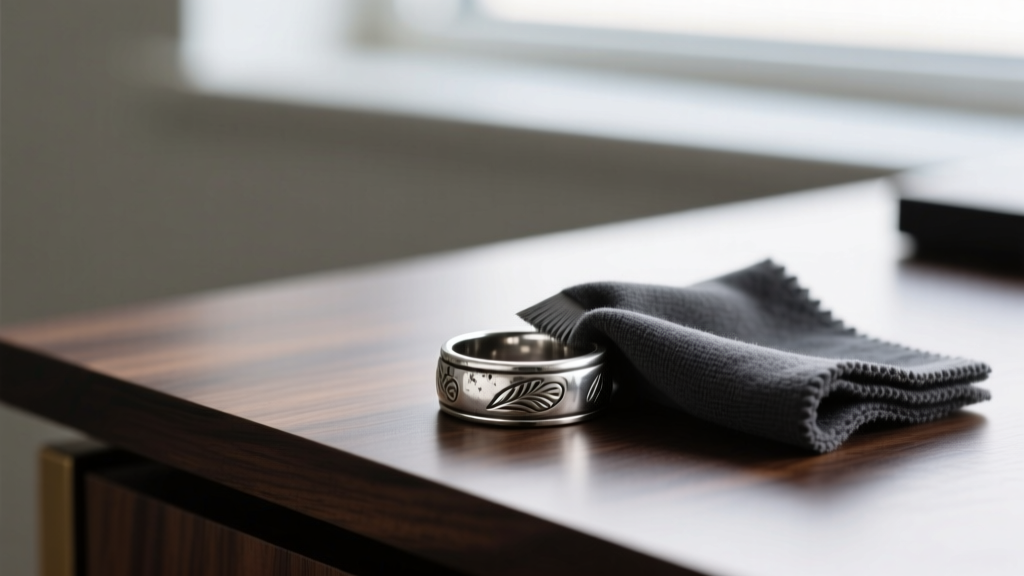
Instead, use a specialized jeweler's polishing cloth impregnated with micro-abrasives and anti-tarnish agents. Gently rub the cloth over the silver in a back-and-forth motion (not circles, which emphasize existing scratches) until the tarnish transfers to the cloth. Do not wash the cloth; washing removes the active polishing compounds.
3. Organic Gems: Pearls, Coral, and Amber
Organic gems are exceptionally fragile. The GIA recommends wiping pearls with a soft, damp cloth immediately after wearing them to remove acidic body oils that can eat into the nacre. Never submerge pearls in water, as the liquid can seep into the drill holes, weaken the silk threading, and cause the beads to rot from the inside out.
Material Care Cheat Sheet
Use this quick-reference table to determine the safest home care method for your specific pieces.
| Material | Mohs Hardness | Safe Home Method | Strictly Avoid |
|---|---|---|---|
| Platinum & Palladium | 4.5 (Metal) | Warm soapy distilled water, soft brush | Bleach, harsh chlorine |
| 14k / 18k Gold | 2.5-3 (Metal) | Warm soapy distilled water, microfiber | Toothpaste, paper towels |
| Diamonds (Mined/Lab) | 10 | Soapy soak, ultrasonic (if fracture-free) | Direct heat, steam on treated stones |
| Sterling Silver (925) | 2.5-3 (Metal) | Jeweler's rouge polishing cloth | Baking soda pastes, chemical dips |
| Pearls & Opals | 2.5 - 6.5 | Dry or barely damp microfiber wipe | Submersion, ultrasonics, steam |
| Turquoise & Malachite | 3 - 6 | Dry polish only | All liquids, oils, perfumes |
Common Beginner Mistakes That Ruin Jewelry
The Toothpaste Myth
Toothpaste is highly abrasive. Measured on the Relative Dentin Abrasivity (RDA) scale, whitening toothpastes can score over 150. When applied to gold or silver, toothpaste acts like liquid sandpaper, creating thousands of microscopic surface scratches that permanently dull the metal's mirror finish and trap dirt.
Using Paper Towels or Tissues
Paper products are manufactured from wood pulp. At a microscopic level, wood fibers are jagged and hard enough to scratch soft metals like 24k gold, 18k gold, and high-polish silver. Always use a lint-free microfiber cloth or a 100% cotton flannel jewelry wipe.
Blindly Using Ultrasonic Cleaners
Ultrasonic cleaners use high-frequency sound waves (typically 40kHz to 80kHz) to create cavitation bubbles that blast dirt from crevices. While excellent for bare diamond solitaires, ultrasonics will shatter emeralds (which are naturally heavily included and often fracture-filled with cedar oil), tanzanite, and opals. The vibrations can also shake loose stones from worn prongs.
When to Stop and See a Professional
Knowing how to clean your jewelry at home is empowering, but it does not replace professional maintenance. You should take your jewelry to a certified bench jeweler if you notice any of the following:
- Snagging Prongs: If your ring catches on clothing, a prong has lifted and requires laser welding or re-tipping.
- Fading White Gold: White gold is naturally pale yellow and plated with rhodium. If your ring looks yellow, the rhodium (which is only 0.75 to 1.0 microns thick) has worn off and needs professional electroplating.
- Deep Scratches: Home polishing only removes surface tarnish. Deep gouges require professional multi-stage buffing with Tripoli and rouge compounds on a high-speed lathe.
The Bottom Line: Consistent, gentle cleaning using distilled water, pH-neutral soap, and proper microfiber cloths will keep 90% of your jewelry collection looking pristine. Respect the Mohs scale, avoid abrasive internet hacks, and when in doubt, opt for the gentlest method possible.


