Safe Methods for Cleaning Jewelry with Porous Gemstones
Discover expert protocols for cleaning jewelry with porous and organic gems like pearls, opals, and turquoise without causing irreversible damage.

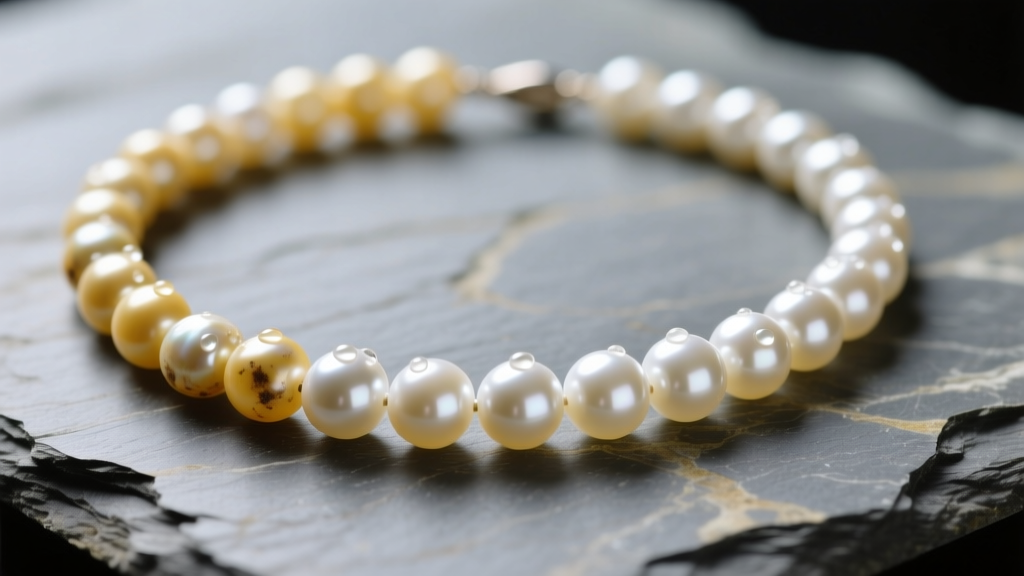
When it comes to cleaning jewelry, a one-size-fits-all approach is a recipe for disaster. While diamonds, sapphires, and rubies can withstand rigorous cleaning methods, porous and organic gemstones require a radically different, highly controlled approach. Materials like pearls, opals, turquoise, amber, and coral possess unique mineralogical structures that make them exceptionally vulnerable to thermal shock, chemical etching, and structural dehydration.
In this comprehensive guide, we break down the exact science behind organic and porous gemstone vulnerability and provide actionable, professional-grade protocols for maintaining their luster without causing irreversible damage.
The Mineralogy of Vulnerability: Why Porosity Matters
To understand why standard cleaning methods destroy certain gems, you must look beyond the Mohs hardness scale and examine porosity and chemical reactivity. Hardness measures scratch resistance, but porosity dictates how a stone interacts with liquids, oils, and chemicals.
- Pearls and Coral (Calcium Carbonate): With a Mohs rating of just 2.5 to 3.0, pearls are incredibly soft. More importantly, their calcium carbonate structure is highly reactive to acids. Human sweat has a pH of 4.0 to 6.0, which is acidic enough to slowly dissolve the outer layers of nacre, leading to permanent dullness and pitting.
- Opals (Hydrated Silica): Opals are not crystals; they are amorphous spheres of silica packed together with water. Depending on the variety, opals contain anywhere from 3% to 21% water by weight. Disrupting this water content through rapid heating or drying causes "crazing"—a network of internal fractures that ruins the stone's play-of-color.
- Turquoise (Copper Aluminum Phosphate): Turquoise is inherently porous. Unstabilized, natural turquoise acts like a microscopic sponge, readily absorbing skin oils, lotions, and cosmetics. Over time, this absorption alters its chemical composition, shifting its prized robin's-egg blue to a mottled, dirty green.
The Forbidden Methods: What to Avoid When Cleaning Jewelry
Before discussing what you should do, it is critical to identify the methods that will instantly destroy porous and organic gems. If your jewelry features any of the stones mentioned above, strictly avoid the following:
1. Ultrasonic Cleaners
Ultrasonic cleaners use high-frequency sound waves to create microscopic cavitation bubbles in a liquid solution. When these bubbles implode against a hard surface like gold or diamond, they blast away dirt. However, when they implode against the delicate, layered nacre of a pearl or the water-filled structure of an opal, they cause micro-fractures, delamination, and total structural failure.
2. Steam Cleaners
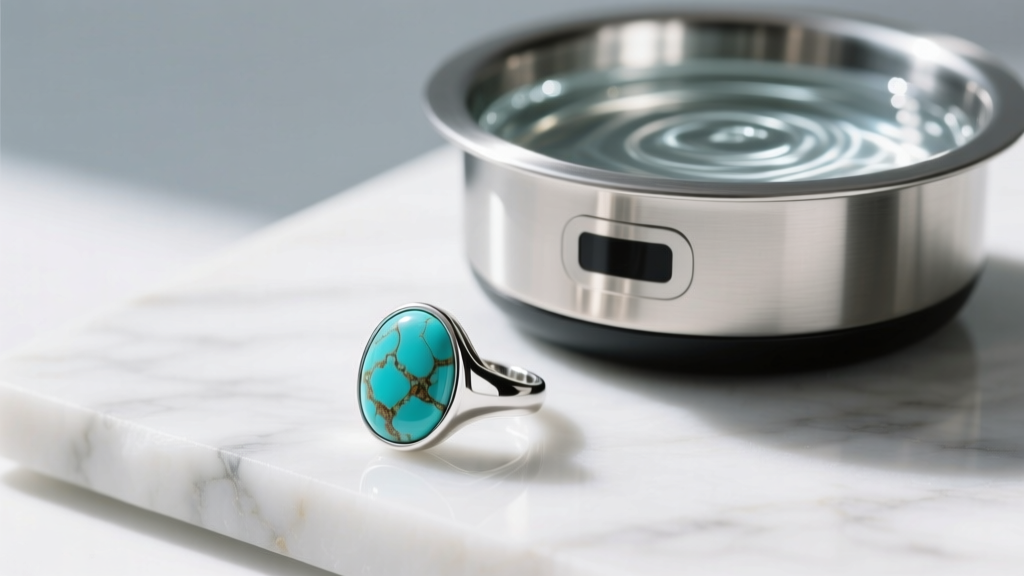
Steam cleaning subjects jewelry to sudden, extreme temperature spikes. For opals and amber, this thermal shock causes immediate internal fracturing. Furthermore, the high heat can melt the optical adhesives used in opal doublets and triplets, causing the layers to separate and the stone to turn cloudy.
3. Harsh Chemicals and DIY Pastes
Never use baking soda, toothpaste, ammonia, or bleach on porous gems. Baking soda is highly alkaline and will chemically etch the surface of pearls and coral. Ammonia strips the natural moisture from amber and opals, leading to severe surface cracking. According to the Gemological Institute of America (GIA), mild soap and water are the only safe liquid cleaners for most organics, and even then, soaking is strictly prohibited.
Step-by-Step Protocols for Specific Organic and Porous Stones
Proper maintenance requires tailored techniques. Here are the exact protocols used by master jewelers for the most common delicate gems.
Pearls and Mother of Pearl
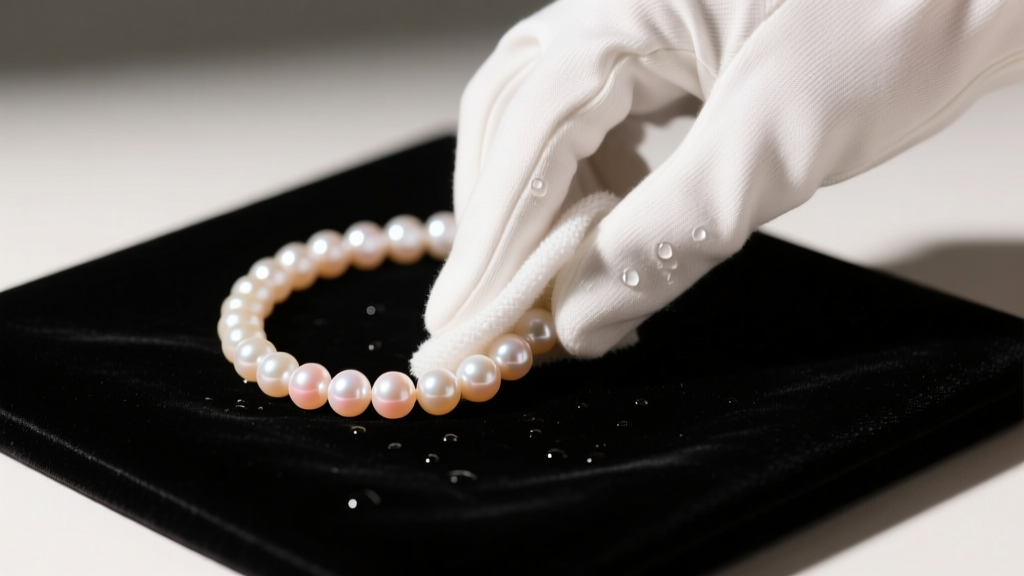
Pearls should never be submerged in water. Submerging a pearl necklace allows water to seep into the drill holes, which can cause the internal silk thread to stretch, weaken, and eventually rot. The Protocol: After every wear, gently wipe the pearls with a dry, lint-free microfiber cloth to remove acidic skin oils and perspiration. If they require a deeper clean, slightly dampen the cloth with distilled water (never tap water, which contains chlorine) and wipe each pearl individually. Lay them flat to dry completely before storing. For stubborn grime, use a specialized, pH-neutral formula like Hagerty Pearl Clean, applied with a soft cotton swab.
Opals: Solid vs. Doublets vs. Triplets
Opal care depends entirely on the stone's construction and origin. Solid Australian Opals: These are non-porous and relatively stable. Wipe them gently with a damp microfiber cloth. Ethiopian (Hydrophane) Opals: These are highly porous and absorb water rapidly, which temporarily turns them transparent and kills their play-of-color. Never use water on Ethiopian opals. Polish them only with a dry, soft jeweler's cloth. Doublets and Triplets: These are layered stones glued together. Any liquid exposure risks dissolving the adhesive. Clean only with a dry, soft brush or cloth.
Turquoise and Lapis Lazuli
Because both stones are highly porous and frequently feature metallic inclusions (like pyrite in lapis or copper matrix in turquoise), liquid cleaners are a liability. The Protocol: Use a high-quality, untreated silver polishing cloth (such as those made by Town Talk) to gently buff the stone and the surrounding metal setting. Avoid applying any pressure to the stone itself, as turquoise scratches easily (Mohs 5-6). Never apply oils or waxes to "restore" the color; this will only attract more dirt and accelerate the greenish color shift.
Gemstone Porosity and Cleaning Matrix
Use this quick-reference matrix to determine the safe handling parameters for your delicate jewelry pieces.
| Material | Mohs Hardness | Porosity Level | Safe Cleaning Method | Strictly Avoid |
|---|---|---|---|---|
| Pearl (Nacre) | 2.5 - 3.0 | Low (Surface reactive) | Dry or damp microfiber wipe | Ultrasonic, Acids, Soaking |
| Opal (Solid) | 5.5 - 6.5 | Moderate (Hydrated) | Damp cloth (Australian only) | Steam, Thermal Shock, Ultrasonic |
| Turquoise | 5.0 - 6.0 | High | Dry polishing cloth | Water, Oils, Lotions, Chemicals |
| Amber | 2.0 - 2.5 | Low (Resin) | Damp cloth, mild soap | Alcohol, Solvents, Steam |
| Coral | 3.0 - 4.0 | Moderate | Dry microfiber cloth | Acids, Ultrasonic, Heat |
Preventative Maintenance and Storage Strategies
The best way to minimize the need for deep cleaning is to prevent contamination in the first place. Adopt the "Last On, First Off" rule: your porous jewelry should be the very last thing you put on after applying cosmetics, perfumes, and hairsprays, and the very first thing you take off when you return home.
"Organic gems are born from the earth and require a breathable environment. Storing opals or amber in airtight plastic bags or safety deposit boxes without a humidity buffer will literally dehydrate the stones, leading to irreversible surface checking and cracking."
Storage Best Practices:
- Breathable Pouches: Store pearls and opals in soft cotton or silk pouches. Avoid plastic bags, which can trap moisture (causing pearl mildew) or off-gas chemicals that degrade amber.
- Isolation: Because pearls and amber are so soft, they must be stored completely separate from diamond or sapphire jewelry to prevent severe scratching.
- Hydration Control: If you live in an extremely arid climate or use indoor heating heavily during winter, store your opals in a fabric pouch alongside a slightly damp (not wet) cotton ball inside a sealed container to maintain ambient humidity. Never let the damp cotton touch the opal directly.
When to Seek Professional Restoration
Some maintenance tasks go beyond at-home cleaning and require the intervention of a certified gemologist or master jeweler.
Pearl Re-stringing: If you wear your pearl necklace weekly, the silk thread will stretch and degrade from exposure to skin acids and ambient moisture. The American Gem Society (AGS) recommends having frequently worn pearl strands professionally re-strung every 12 to 18 months. If you notice the pearls sliding apart and exposing the thread between the knots, immediate professional re-stringing is required to prevent a catastrophic break.
Turquoise Re-polishing: If your natural turquoise has absorbed oils and shifted color, or if it has accumulated deep surface scratches, a lapidary artist can carefully sand away the top micron-layer of the stone and re-polish it to restore its original matrix and color. Do not attempt to sand or polish porous stones at home, as uneven pressure will ruin the cabochon's dome.
By respecting the unique chemical and structural properties of porous and organic gems, you can ensure that your most delicate pieces retain their historical beauty and structural integrity for generations.


