Gifting Guide: How Do You Clean Metal Jewelry for Special Occasions?
Discover how do you clean metal jewelry for every gifting occasion. Expert tips on polishing silver, gold, and platinum before wrapping your gift.

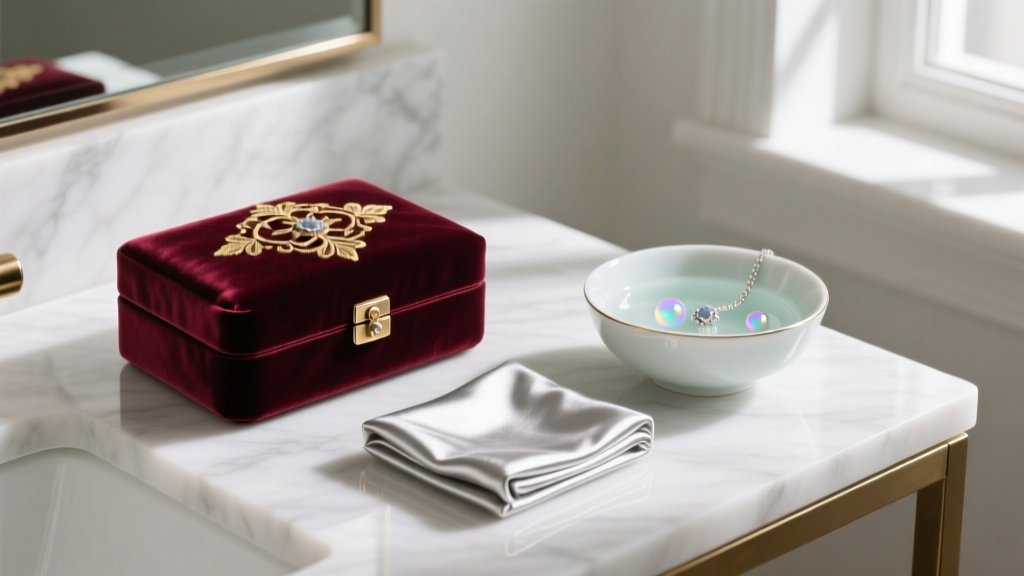
The Art of Gifting Pristine Jewelry
Gifting jewelry is a deeply personal gesture, but handing over a tarnished, smudged, or oxidized piece can inadvertently undermine the emotional impact of the moment. Whether you are passing down a vintage family heirloom or presenting a newly purchased modern piece, presentation is paramount. When the recipient eventually asks, "how do you clean metal jewelry," the answer is never a one-size-fits-all solution. The correct methodology depends entirely on the metal's specific alloy composition, the presence of gemstones, and the formality of the occasion.
As we navigate the 2026 gifting season, modern jewelers emphasize that proper pre-gift preparation not only enhances the immediate visual impact but also establishes a baseline for the piece's long-term metallurgical health. Below, we break down exactly how to prep, polish, and package metal jewelry for life's most significant milestones.
The Core Question: How Do You Clean Metal Jewelry by Occasion?
Different occasions demand different levels of restoration. A quick holiday gift requires a different approach than a multi-generational wedding heirloom.
Weddings & Engagements: The Deep Restoration (Platinum & 18k Gold)
For weddings, you are often dealing with high-value metals like Platinum (Pt950) or 18k Gold, frequently set with diamonds. The goal here is absolute optical clarity and mirror-like reflectivity. If the piece is a vintage family ring being passed down, it likely has decades of trapped sebum, dead skin cells, and cosmetic residue in the pavilion (the underside of the setting).
The most effective method for these durable metals is an ultrasonic cleaner operating at 42 kHz. This specific frequency creates microscopic cavitation bubbles in a warm, alkaline cleaning solution that violently implode, blasting debris out of microscopic prong crevices without scratching the metal. However, the Gemological Institute of America (GIA) strictly warns against using ultrasonics on fracture-filled diamonds, emeralds, or opals, as the high-frequency vibrations can shatter the stones or strip their fracture-fillings.
Anniversaries: The High-Shine Polish (Sterling Silver 925)
Sterling silver (92.5% silver, 7.5% copper) is a staple for anniversary gifts, but it is highly susceptible to tarnish. Tarnish is not dirt; it is a chemical reaction where the copper alloy reacts with sulfur compounds in the air to form silver sulfide (Ag2S), creating that dull, blackish-grey film.
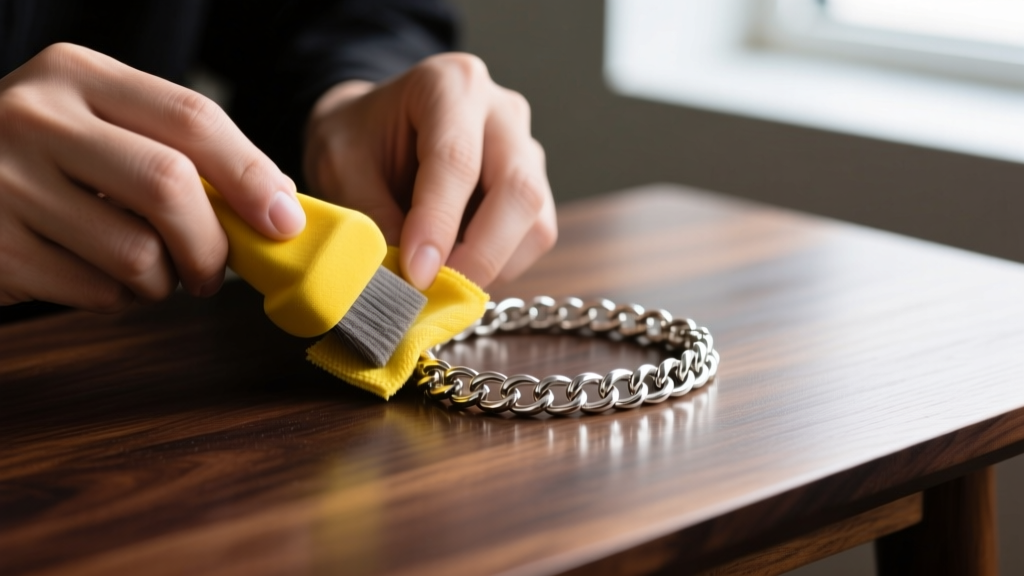
For heavily tarnished silver chains or bangles without gemstones, a galvanic reduction bath is a scientific marvel. By lining a glass bowl with aluminum foil (shiny side up), adding boiling water, a tablespoon of baking soda (sodium bicarbonate), and a pinch of salt, you create an electrolytic cell. The aluminum acts as an anode and oxidizes, while the silver sulfide acts as a cathode and reduces back to elemental silver. The tarnish literally transfers from the silver to the foil in minutes. For localized polishing, use a micro-abrasive treated cloth, such as a Sunshine Polishing Cloth, which contains embedded jeweler's rouge to physically buff away light oxidation.
Holidays & Birthdays: The Quick Refresh (14k Gold & Brass)
For 14k gold, gold-filled, or brass fashion jewelry gifted during the holidays, you rarely need heavy-duty chemical interventions. These metals accumulate surface oils and lotions that dull their luster. A simple surfactant wash is ideal. Mix three drops of a mild, phosphate-free dish soap (like Dawn) into a bowl of lukewarm water. Let the piece soak for 10 minutes, then gently agitate the crevices with an extra-soft baby toothbrush. Rinse with distilled water to prevent hard water spots, and dry immediately with a lint-free microfiber cloth.
Metal-Specific Cleaning Matrix for Gifters
Use this quick-reference matrix to ensure you are applying the correct pre-gift cleaning protocol based on the metal stamp and occasion.
| Metal Type | Alloy Composition | Best Occasion | Recommended Cleaning Method | What to Avoid |
|---|---|---|---|---|
| Platinum | 95% Pt, 5% Ru/Ir | Weddings / Milestones | 42 kHz Ultrasonic, Steam | Chlorine bleach (causes pitting) |
| 18k Yellow Gold | 75% Au, 25% Cu/Ag | Engagements | Mild Surfactant, Soft Brush | Abrasive pastes, harsh dips |
| Sterling Silver | 92.5% Ag, 7.5% Cu | Anniversaries | Galvanic Bath, Treated Cloths | Ultrasonics (if oxidized details exist) |
| Brass / Bronze | Cu/Zn or Cu/Sn | Holidays / Fashion | Lemon juice & salt paste | Ammonia-based cleaners |
Gifting the "Care Kit": Occasion-Matched Accessories
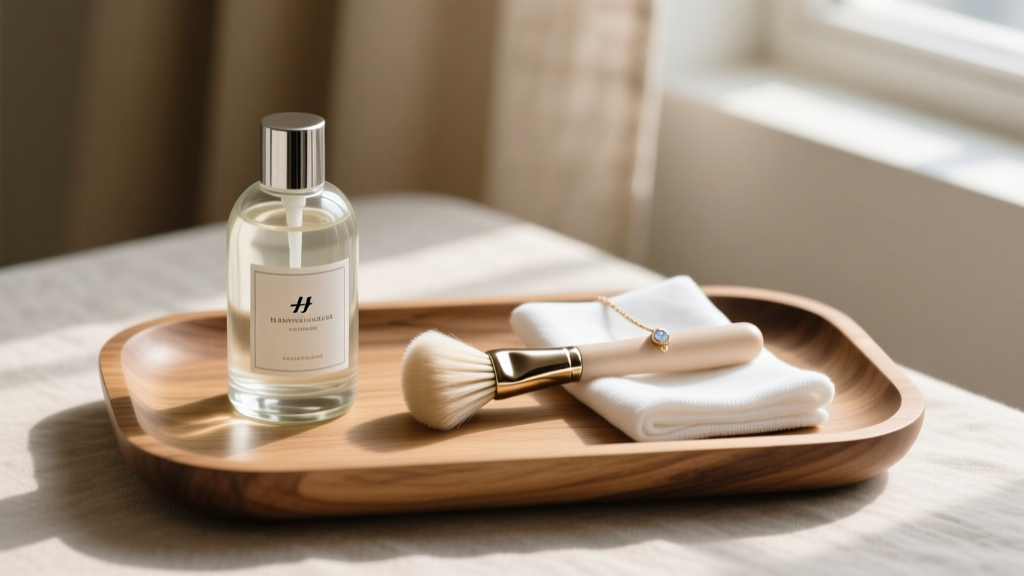
To truly elevate your gift, answer the "how do you clean metal jewelry" question before they even have to ask. Curating a bespoke care kit alongside the jewelry demonstrates profound thoughtfulness and ensures the piece remains pristine.
- The Silver Anniversary Kit: Pair a 925 silver necklace with a can of Hagerty Silversmiths' Pump Polish and an anti-tarnish treated storage pouch. The Pacific cloth lining in the pouch actively absorbs airborne sulfur, delaying the next tarnish cycle.
- The Bridal Diamond Kit: Gift a platinum diamond ring alongside a Connoisseurs Precious Jewelry Cleaner jar (which includes a built-in dipping basket) and a specialized diamond cleaning pen for quick touch-ups on the go.
- The Heirloom Preservation Kit: For vintage metals, include a set of untreated, lint-free Selvyt polishing cloths and a silica gel desiccant pack for their jewelry box to control ambient humidity.
"A jewelry gift is not just the object itself; it is the stewardship of that object. Providing the correct cleaning tools tailored to the specific metallurgy of the piece transforms a simple gift into a generational legacy."
Common Mistakes to Avoid Before Wrapping
Well-intentioned gifters often resort to DIY internet hacks that can cause irreversible metallurgical damage. According to the Federal Trade Commission (FTC) Jewelry Guides, accurate representation of a metal's condition is vital, and damaging a piece right before gifting is a costly error.
The Toothpaste Fallacy
Never use toothpaste to polish gold or silver. Toothpaste contains hydrated silica and calcium carbonate designed to scrub enamel. On the Mohs hardness scale, toothpaste abrasives rank around a 3 to 4, while 18k gold and sterling silver sit at a 2.5 to 3. Scrubbing soft precious metals with toothpaste will result in a web of microscopic scratches, permanently dulling the mirror finish and creating grooves where future dirt will aggressively accumulate.
Thermal Shock from Boiling Water
While boiling water is sometimes recommended for cleaning pure gold chains, dropping a cold piece of jewelry directly into boiling water—or rinsing a hot piece in ice water—causes thermal shock. This rapid expansion and contraction can easily shatter tension-set stones, crack emeralds, and weaken the structural integrity of delicate solder joints on chain links.
Conclusion
Understanding how do you clean metal jewelry is an essential skill for any thoughtful gift-giver. By matching the cleaning methodology to the specific alloy and the significance of the occasion, you ensure that the moment the velvet box is opened, the metal catches the light exactly as intended. Skip the abrasive DIY hacks, invest in the proper ultrasonic or chemical solutions, and consider bundling a maintenance kit to keep your meaningful gift shining for decades to come.


