The Best Way to Store Jewelry to Prevent Tarnish: Buyer's Guide
Discover the best way to store jewelry to prevent tarnish. Compare anti-tarnish bags, boxes, and strips in our expert buyer's guide.

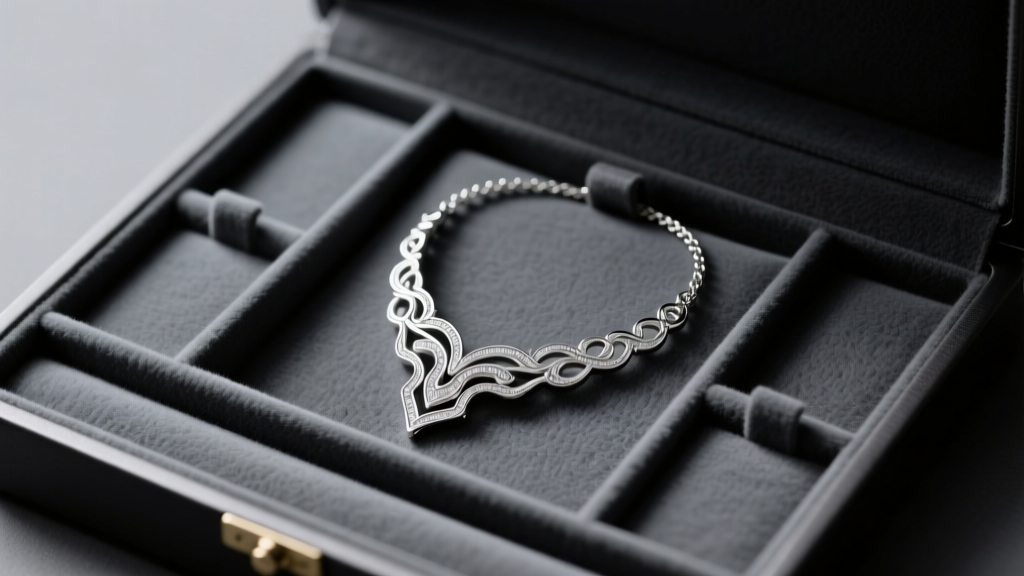
For jewelry collectors and everyday wearers alike, discovering the best way to store jewelry to prevent tarnish is just as critical as knowing how to clean it. Tarnish is not merely a cosmetic nuisance; it is a chemical reaction that degrades the surface of your precious metals, leading to pitting, structural weakness, and the loss of intricate detailing. When you are investing in fine jewelry, standard velvet pouches or cardboard gift boxes are actively working against your collection's longevity.
In this comprehensive buyer's guide, we will dissect the science of metal oxidation, evaluate the efficacy of commercial anti-tarnish products, and provide a definitive framework for building a storage system that preserves your jewelry's original luster for decades.
The Chemistry of Tarnish: Why Your Storage Environment Matters
Before investing in storage solutions, it is vital to understand the enemy. Tarnish on metals like sterling silver, copper, and brass is primarily caused by a reaction between the metal and sulfur compounds present in the ambient air, specifically hydrogen sulfide and sulfur dioxide. According to the Smithsonian Museum Conservation Institute, moisture acts as a catalyst in this reaction, meaning high-humidity environments exponentially accelerate the tarnishing process.
When silver reacts with sulfur, it forms silver sulfide, which manifests as a dull yellow, brown, or eventually black film on the surface. Therefore, the primary objective of any anti-tarnish storage system is twofold: restrict the flow of sulfur-bearing air and neutralize existing sulfur compounds within the micro-environment of the jewelry box.
Evaluating Anti-Tarnish Storage Materials
Not all fabrics and plastics are created equal. When shopping for jewelry organizers, the interior lining material is the most crucial specification to check.
Pacific Silvercloth and Treated Flannel
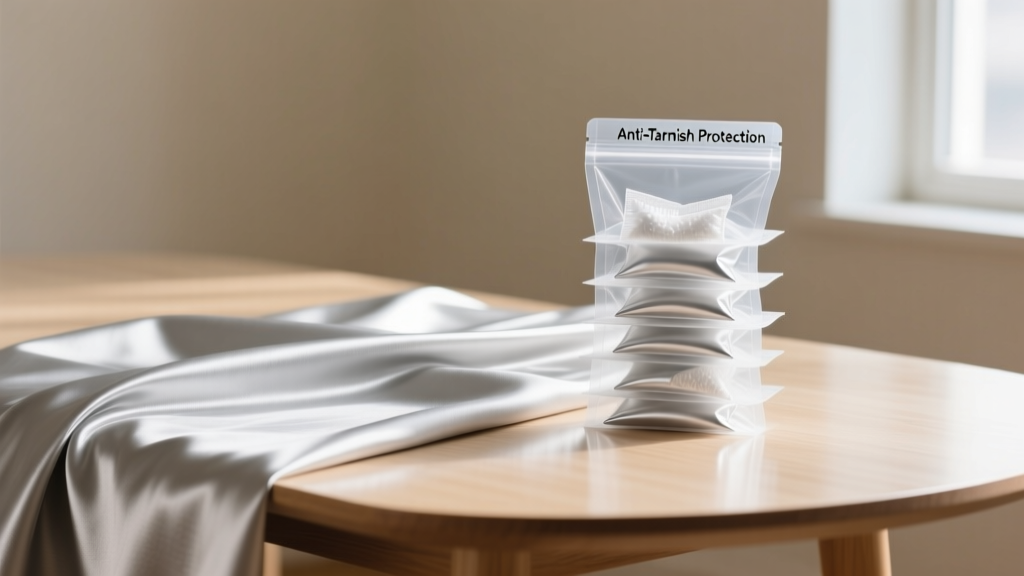
Pacific Silvercloth is the gold standard in the museum conservation world. This material consists of 100% cotton flannel embedded with thousands of microscopic silver particles. Because sulfur has a higher affinity for silver than for other metals, the embedded particles act as a sacrificial anode, absorbing and neutralizing sulfur gases before they can reach your jewelry. Authentic Pacific Silvercloth will turn brown over time, indicating it is actively working. It is typically sold by the yard ($15 to $30 per yard) for custom drawer lining.
Treated Polyethylene Plastics
Standard plastic bags are disastrous for jewelry, but treated polyethylene (specifically low-density polyethylene, or LDPE) is highly effective. These specialized ziplock bags are manufactured with corrosion-inhibiting compounds that trap sulfur. When buying anti-tarnish bags, ensure the packaging explicitly states 'treated polyethylene' or 'anti-tarnish LDPE.' They are incredibly cost-effective, usually ranging from $0.20 to $0.50 per bag, making them ideal for individual piece storage.
Top Storage Solutions Compared: A Buyer's Framework
Finding the best way to store jewelry to prevent tarnish requires matching the storage method to your specific collection size and display preferences. Below is a breakdown of the most effective commercial solutions available on the market.
Vapor Corrosion Inhibitor (VCI) Strips
Products like 3M Anti-Tarnish Strips utilize VCI technology. These small, unobtrusive paper strips emit a harmless, invisible vapor that settles on the surface of your metals, forming a protective molecular barrier against sulfur. A pack of 10 strips costs around $12 and each strip protects a one-cubic-foot enclosed space for up to six months. They are perfect for retrofitting existing, non-treated jewelry boxes.
Airtight Acrylic Organizers with Silicone Gaskets
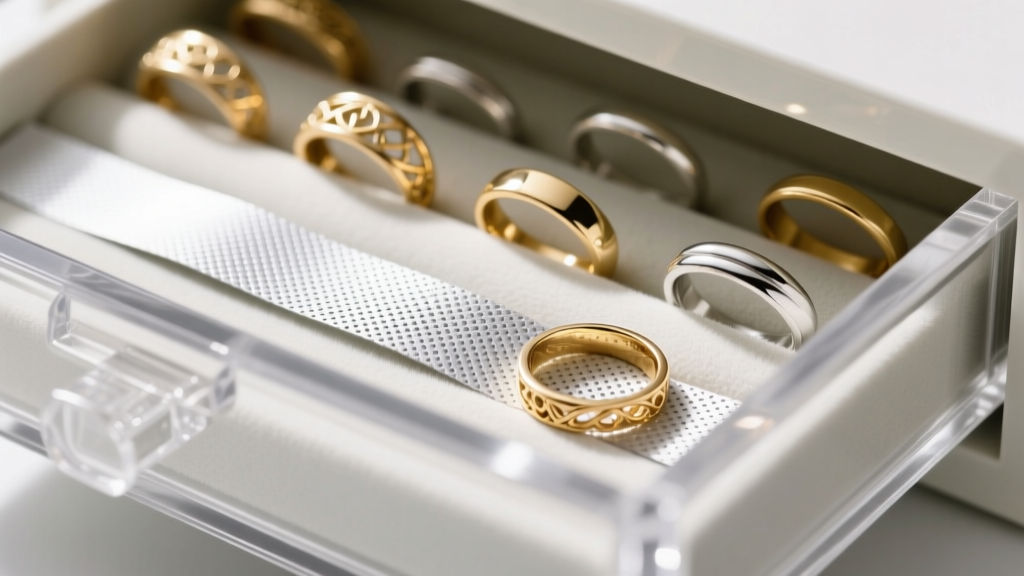
While acrylic itself does not neutralize sulfur, high-quality acrylic organizers featuring silicone gasket seals create an airtight micro-environment. When paired with a VCI strip or a silica gel desiccant packet to control humidity, these organizers offer excellent protection while allowing you to view your collection. Look for organizers with UV-blocking acrylic to prevent gemstone fading from sunlight exposure.
| Storage Solution | Primary Mechanism | Average Cost | Effective Lifespan | Best Used For |
|---|---|---|---|---|
| Pacific Silvercloth | Sulfur absorption (sacrificial) | $15 - $30 / yard | 2 to 5 years | Custom drawer lining, wrapping silverware |
| Treated LDPE Bags | Sulfur trapping within plastic matrix | $0.20 - $0.50 / bag | 1 to 3 years | Individual piece storage, travel, vaults |
| VCI Paper Strips | Molecular vapor barrier | $10 - $15 / 10-pack | 6 months | Retrofitting existing wooden or cardboard boxes |
| Activated Charcoal | Adsorption of airborne pollutants | $10 - $20 / pack | 1 to 2 years | Large display cabinets, walk-in safes |
Critical Storage Mistakes That Accelerate Tarnish
Even with the best intentions, many collectors inadvertently destroy their jewelry's finish through improper storage habits. Avoid these common pitfalls at all costs:
- Cardboard Gift Boxes: Cardboard and cheap paper products contain high levels of sulfur from the wood pulping process. Storing silver in its original cardboard gift box is one of the fastest ways to induce heavy black tarnish.
- Rubber Bands: Never use rubber bands to bundle jewelry or secure tags. Rubber contains sulfur compounds used in the vulcanization process, which will leave permanent, deeply etched black bands on your silver and gold alloys.
- PVC Plastics: Polyvinyl chloride (PVC) emits hydrochloric acid and other corrosive gases as it degrades. If a plastic bag smells strongly of chemicals or feels rigid and crinkly, it likely contains PVC and should never touch your jewelry.
- Overcrowding: Storing pieces so tightly that they rub together causes micro-abrasions. These scratches not only dull the polish but create microscopic grooves where tarnish and moisture can aggressively accumulate.
Metal-Specific Storage Protocols
While the Gemological Institute of America (GIA) provides excellent baseline care instructions, different metals require nuanced storage approaches based on their alloy composition.
Sterling Silver (925)
Sterling silver contains 7.5% copper, which is highly reactive to sulfur. This alloy requires the strictest storage protocols. Always store sterling silver in treated LDPE bags or lined with Pacific Silvercloth. Never store silver in rooms with high sulfur exposure, such as near kitchens (where cooking gases contain sulfur) or attached garages.
Karat Gold (14k, 18k)
Pure 24k gold does not tarnish, but the copper and silver alloys used to create 14k and 18k gold can develop a slight patina over decades. While gold is less reactive than silver, it should still be stored in soft, non-abrasive, acid-free tissue paper or untreated cotton pouches to prevent scratching. Avoid storing gold in the same compartment as silver, as the sulfur-neutralizing agents in silver storage can sometimes affect the alloyed metals in gold.
Platinum and Palladium
These platinum-group metals are virtually impervious to tarnish and oxidation. Your primary concern here is physical protection. Store platinum in individual soft pouches to prevent it from scratching softer gems or metals, as platinum's high density makes it highly abrasive to other materials.
Environmental Testing: Verifying Your Storage System
How do you know if your anti-tarnish system is actually working? Professional conservators use silver test strips to monitor micro-environments.
Pro Tip: Place a highly polished, inexpensive sterling silver jump ring inside your jewelry box alongside your main collection. Check it every three months. If the jump ring remains bright and reflective, your storage environment is properly sealed and neutralized. If it shows yellow or brown oxidation, it is time to replace your VCI strips, wash your Pacific Silvercloth, or upgrade to airtight containers.
Final Verdict: Building Your Anti-Tarnish System
The best way to store jewelry to prevent tarnish is not a single product, but a layered defense system. For the ultimate protection, wrap your most vulnerable sterling silver pieces in Pacific Silvercloth, place them inside treated LDPE ziplock bags, and store those bags inside a sealed acrylic organizer equipped with a VCI strip and a silica gel desiccant pack. By understanding the chemistry of oxidation and investing in the correct archival-grade materials, you can ensure your jewelry remains as brilliant as the day it was crafted, requiring minimal polishing and preserving its structural integrity for generations.


