What Can I Use to Clean My Jewelry? A Material Guide
Discover exactly what you can use to clean your jewelry based on metal and gemstone properties. Expert material comparison and care guide.

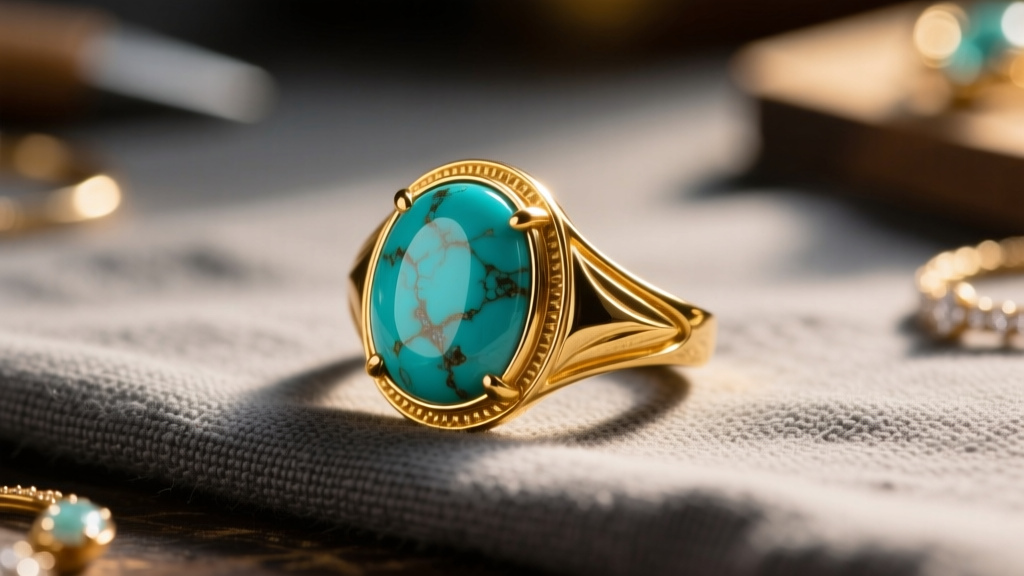
When you ask, "what can i use to clean my jewelry," the answer is never a single universal solution. Jewelry is an intersection of metallurgy and mineralogy. A cleaning agent that restores a diamond to brilliant clarity might permanently dissolve a pearl, and a polishing technique that shines platinum could strip the intentional antiquing off a silver signet ring. To properly care for your collection, you must understand the specific chemical reactivity and structural hardness of the materials involved.
In this comprehensive material comparison guide, we break down the exact cleaning protocols for precious metals, organic gemstones, hard crystalline stones, and modern alternative alloys. By matching the cleaner to the material's physical properties, you can safely remove tarnish, oils, and environmental buildup without causing microscopic abrasions or chemical degradation.
The Mohs Scale & Chemical Reactivity: Why One Size Fails
The foundation of jewelry cleaning relies on two scientific concepts: the Mohs scale of mineral hardness and chemical reactivity. The Gemological Institute of America (GIA) uses the Mohs scale to rank a gemstone's resistance to scratching, ranging from 1 (talc) to 10 (diamond). However, hardness does not equal toughness. A diamond is incredibly hard but possesses distinct cleavage planes, meaning a sharp blow or intense ultrasonic vibration can cause it to fracture.
Chemical reactivity dictates how a material responds to solvents, acids, and bases. For instance, organic gems are highly reactive to the ammonia found in many commercial glass and jewelry cleaners. Conversely, noble metals like platinum are highly unreactive, allowing for more aggressive cleaning methods. Understanding these boundaries is the first step in determining what you can safely use to clean your specific pieces.
Precious Metals: Gold, Platinum, and Silver Properties
Precious metals are rarely used in their pure elemental form for structural jewelry because they are too soft. They are alloyed with other metals to increase durability, which inherently changes their chemical vulnerabilities.
Gold Alloys (14k and 18k)
Pure 24k gold is virtually impervious to tarnish, but 14k and 18k gold contain significant percentages of copper, silver, and zinc. These alloy metals are highly susceptible to stress corrosion cracking when exposed to chlorine. Never clean gold jewelry with bleach, and always remove it before entering a chlorinated pool. For routine cleaning, a few drops of mild, phosphate-free dish soap (like Dawn) in lukewarm water, applied with a soft-bristled baby toothbrush, is the safest and most effective method to dissolve sebum and lotions.
Sterling Silver (925)
Silver tarnish is not dirt; it is a chemical reaction between silver and sulfur in the environment, forming a layer of silver sulfide ($Ag_2S$). While commercial silver dips use harsh thiourea-based chemicals to strip this layer, you can use an electrochemical reduction method at home. Line a glass bowl with aluminum foil, add boiling water, a tablespoon of baking soda, and a pinch of salt. Submerging the silver creates a galvanic cell where the aluminum sacrifices itself, converting the silver sulfide back into pure silver without removing any of the base metal. Note: Never use this method on oxidized or intentionally blackened silver, as it will strip the dark contrast.
Platinum
Platinum is a dense, malleable noble metal (Mohs 4-4.5) that does not tarnish or oxidize. Over time, it develops a satiny "patina" caused by microscopic surface scratches. Because platinum displaces rather than loses metal when scratched, aggressive chemical cleaners are unnecessary. A simple ultrasonic bath with mild detergent will remove oils, but restoring the high-polish mirror finish requires professional buffing with specialized platinum pastes.
Organic & Porous Gemstones: The Danger Zone
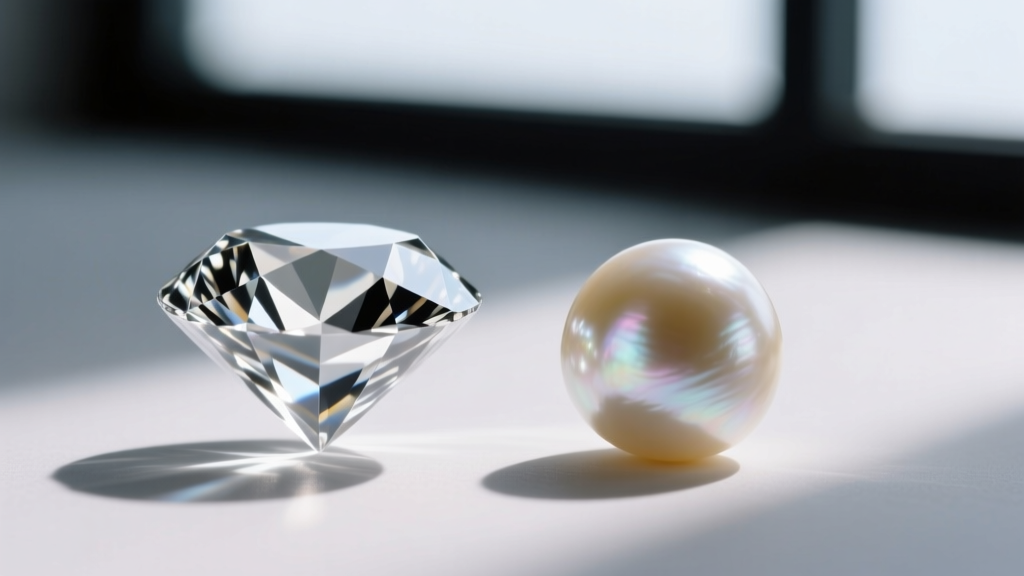
Organic gemstones are formed by biological processes rather than crystalline structures. They are highly porous, exceptionally soft, and chemically volatile. If you are wondering what can i use to clean my jewelry when it features organics, the answer is almost always just a damp, lint-free microfiber cloth.
Pearls and Coral
Pearls and coral are primarily composed of calcium carbonate ($CaCO_3$). This compound is highly reactive to acids. Even the natural acidity of human sweat can degrade a pearl's nacre over time, causing it to lose its luster and "craze" (develop surface cracks). Never use ultrasonic cleaners, steamers, ammonia, or vinegar on pearls. The vibrations will shatter them, and the chemicals will dissolve the calcium carbonate. Wipe them gently with a damp cloth after every wear to remove skin oils.
Opals and Turquoise
Opals are amorphous hydrated silica, containing anywhere from 3% to 21% water within their structure. Exposure to heat, harsh chemicals, or the intense localized heat generated by ultrasonic cavitation can cause the water to evaporate, leading to irreversible structural cracking known as crazing. Turquoise is a porous hydrous phosphate of copper and aluminum. It acts like a sponge, readily absorbing oils, soaps, and chemicals, which can permanently alter its color from a vibrant blue to a muddy green. Clean both stones only with a dry, soft cloth.
| Gemstone | Mohs Hardness | Porosity | Safe Cleaning Agent | Strictly Avoid |
|---|---|---|---|---|
| Pearl | 2.5 - 3.0 | High | Damp microfiber cloth | Ultrasonic, acids, ammonia |
| Opal | 5.5 - 6.5 | Medium | Dry soft cloth | Heat, ultrasonic, harsh soap |
| Turquoise | 5.0 - 6.0 | Very High | Dry soft cloth | Water, oils, commercial dips |
| Coral | 3.5 - 4.0 | High | Damp microfiber cloth | Acids, ultrasonic, steam |
Hard Crystalline Gemstones: Diamonds, Sapphires, and Rubies
Stones ranking 8 and above on the Mohs scale—such as diamonds (10), rubies (9), and sapphires (9)—are incredibly resistant to scratching and chemical corrosion. These are the gemstones that can withstand the most rigorous cleaning methods.
For these hard crystalline stones, an ultrasonic jewelry cleaner is highly effective. The high-frequency sound waves create microscopic cavitation bubbles in the cleaning solution that implode, generating tiny jets of liquid that blast dirt and oils out from under the girdle and out of the pavilion facets. A mixture of warm water and a few drops of degreasing dish soap works perfectly in an ultrasonic machine.
The Inclusion Caveat: While the material itself is hard, internal flaws are not. If a diamond is "fracture-filled" (treated with a glass-like resin to hide internal cracks) or if an emerald (Mohs 7.5-8) is heavily included and "oiled" to improve clarity, ultrasonic vibrations will shatter the stone or boil out the fracture-filling resin, leaving the gem cloudy and fractured. Always verify if your stone has undergone clarity enhancements before using ultrasonic or steam cleaning methods.
Alternative Metals: Titanium, Tungsten, and Stainless Steel
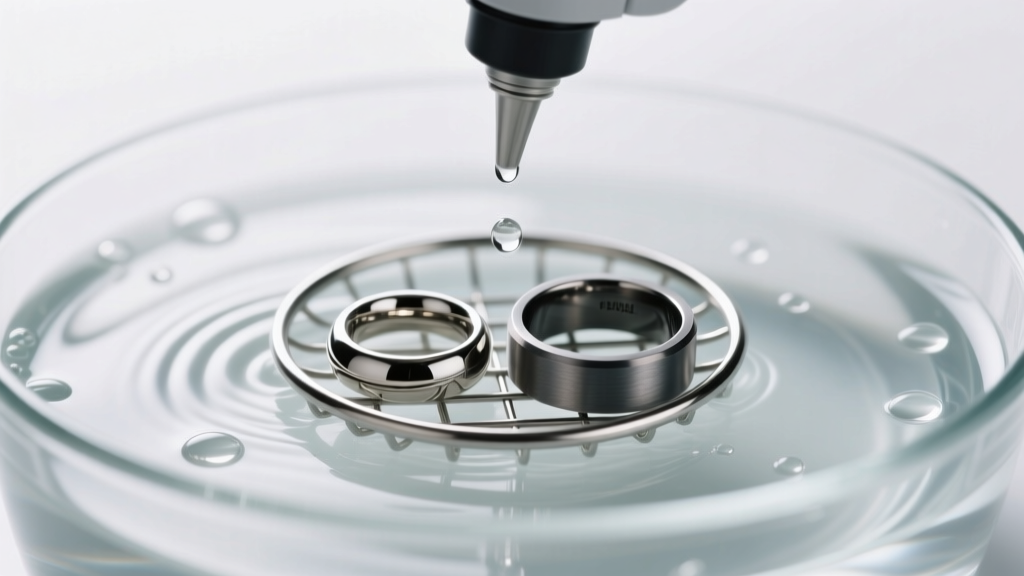
Modern jewelry frequently utilizes industrial-grade alternative metals. These materials possess unique structural properties that dictate their care.
Titanium (Grade 23 / Ti-6Al-4V ELI)
Implant-grade titanium is the gold standard for body jewelry due to its biocompatibility and high strength-to-weight ratio. It is highly resistant to corrosion and can be safely cleaned in an ultrasonic bath with mild soap or sterilized in an autoclave. However, prolonged exposure to hydrofluoric acid or highly concentrated chlorine can cause pitting on the titanium surface.
Tungsten Carbide
Tungsten carbide is exceptionally hard (Mohs 8.5-9) and will never scratch or tarnish under normal wear. It can be cleaned with any standard jewelry solvent or ultrasonic cleaner. However, its extreme hardness makes it incredibly brittle. It cannot be resized, and if dropped on a hard tile floor, it may shatter. Furthermore, if your tungsten ring features an inlay of carbon fiber, wood, or precious metal, avoid ultrasonic cleaners, as the vibrations can delaminate the inlay from the tungsten shell.
Stainless Steel (316L)
Surgical stainless steel contains chromium, which forms a passive, self-healing oxide layer that prevents rust. It can be cleaned with warm soapy water or isopropyl alcohol. Avoid using chlorine bleach, which can break down the chromium oxide layer and cause localized pitting and rust spots.
The Ultimate Material-to-Cleaner Matrix
To quickly answer "what can i use to clean my jewelry" for your specific piece, refer to this decision matrix based on material properties:
- Dish Soap & Warm Water: Safe for Gold, Platinum, Diamonds, Sapphires, Rubies, Titanium, Stainless Steel.
- Aluminum Foil & Baking Soda: Safe ONLY for solid Sterling Silver without gemstones or intentional oxidation.
- Isopropyl Alcohol (70%+): Safe for degreasing Diamonds, hard gemstones, and Stainless Steel. Destroys porous organics.
- Damp Microfiber Cloth ONLY: Mandatory for Pearls, Opals, Turquoise, Coral, Amber, and Emeralds.
- Commercial Silver Dips: Use with extreme caution; only for heavily tarnished solid silver chains without porous stone accents.
Conclusion
The question of what you can use to clean your jewelry is ultimately a question of material science. By respecting the Mohs hardness, porosity, and chemical reactivity of your specific metals and gemstones, you can maintain their structural integrity and optical brilliance for generations. When in doubt, default to the gentlest method—a soft brush, mild soap, and lukewarm water—or consult a certified gemologist for pieces with unknown treatments or extreme fragility. For more detailed care instructions on specific designer pieces or rare gemstones, always refer to the FTC Jewelry Guides and manufacturer-specific care documentation.


