Does En Route Jewelry Tarnish? A Beginner’s Care Guide
Does En Route jewelry tarnish? Discover the truth about their gold vermeil and sterling silver pieces, plus expert cleaning tips to keep them shining.

The Short Answer: Does En Route Jewelry Tarnish?
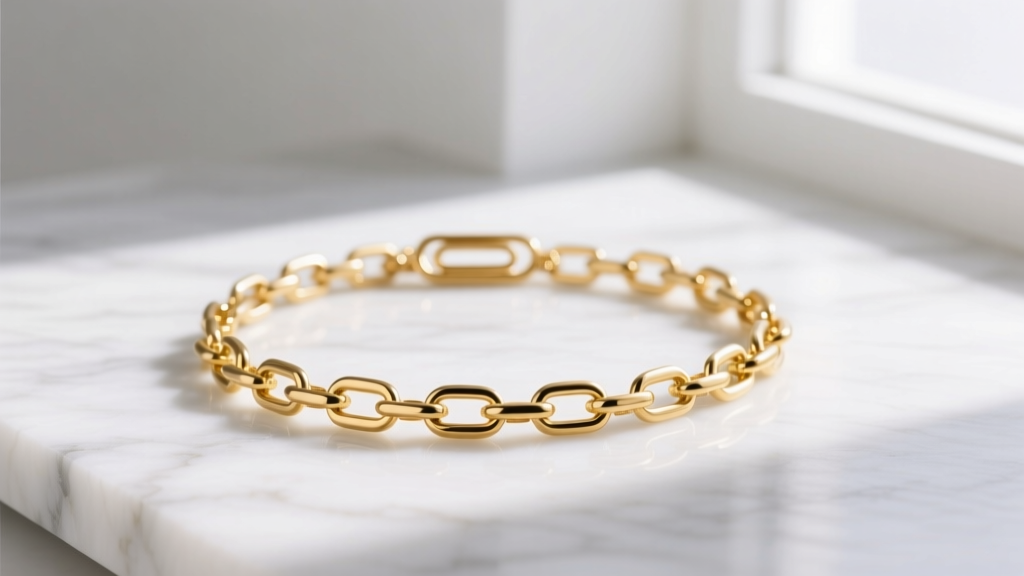
When building a curated, everyday jewelry collection, one of the most common questions beginners ask is: does En Route jewelry tarnish? The short answer is yes, under specific conditions, any piece made from sterling silver or gold vermeil can eventually tarnish or oxidize. However, En Route Jewelry utilizes higher-quality material standards than fast-fashion brands, meaning their pieces are highly resistant to tarnish when properly cared for. Understanding the metallurgy behind your favorite necklaces, rings, and earrings is the first step toward keeping them pristine for years to come.
En Route specializes in demi-fine jewelry, bridging the gap between cheap plated brass and solid 14k or 18k gold. Because their core materials rely on sterling silver bases and micron-thick gold layers, they require a specific, gentle cleaning and storage regimen. In this comprehensive beginner-friendly explainer, we will break down the science of tarnish, analyze En Route’s material grades, and provide a foolproof cleaning routine to protect your investment.
Understanding En Route’s Core Materials
To understand why and how tarnish occurs, you must first understand what your jewelry is actually made of. En Route primarily works with two base materials: 925 Sterling Silver and 18k Gold Vermeil.
925 Sterling Silver and Rhodium Flash
Sterling silver is an alloy consisting of 92.5% pure silver and 7.5% copper. Pure silver is too soft for everyday jewelry, so copper is added for structural integrity. Unfortunately, it is the copper in the alloy that reacts with environmental sulfur and moisture to create silver sulfide—the dark, dull layer we recognize as tarnish. To combat this, En Route often applies a microscopic 'flash' of rhodium (a platinum-group metal) over their silver pieces. Rhodium is highly inert and provides a brilliant, mirror-like finish that delays oxidation. Once this ultra-thin flash wears away from friction, the underlying silver becomes vulnerable to the elements.
18k Gold Vermeil vs. Standard Gold Plating
It is crucial to distinguish between standard gold plating and gold vermeil. According to the Federal Trade Commission (FTC), standard gold plating can be applied to any base metal (usually brass or copper) and has no minimum thickness requirement, often measuring less than 0.5 microns. Gold vermeil, however, is strictly regulated. It must feature a sterling silver base and a gold plating of at least 2.5 microns thick. En Route’s vermeil pieces meet or exceed this standard, utilizing 18k gold. This thicker layer provides a robust barrier against tarnish, but it is not invincible. If the gold layer is scratched or chemically stripped, the sterling silver beneath will oxidize.
The Chemistry of Tarnish: Why It Happens
Tarnish is not a sign of poor quality; it is a natural chemical reaction. The Gemological Institute of America (GIA) notes that silver tarnish is primarily caused by hydrogen sulfide in the air, but everyday human habits drastically accelerate the process. Here are the primary catalysts that will degrade your En Route pieces:
- Skin Chemistry and Sweat: Human sweat contains salts, urea, and lactic acid. High acidity in your skin's pH can break down rhodium flashes and degrade gold vermeil over time.
- Chlorine and Saltwater: Swimming pools (chlorine) and the ocean (salt) are highly corrosive. Chlorine can permanently discolor sterling silver and cause the gold layer on vermeil to become brittle and flake off.
- Cosmetics and Fragrances: Lotions, sunscreens, perfumes, and hairsprays contain complex chemical compounds and alcohols that leave a dull, sticky residue on jewelry, trapping moisture against the metal and accelerating oxidation.
- Household Chemicals: Bleach, ammonia, and even natural rubber (which contains sulfur) will cause immediate and severe tarnishing of sterling silver bases.
Comparison Chart: En Route Materials and Tarnish Risk
Not all En Route pieces carry the same level of maintenance. Use this chart to understand the inherent risks associated with their different material offerings.
| Material Type | Base Metal | Outer Layer | Tarnish Risk | Maintenance Level |
|---|---|---|---|---|
| 18k Gold Vermeil | 925 Sterling Silver | 18k Gold (2.5+ microns) | Low to Moderate | Moderate (Avoid chemicals) |
| Rhodium-Plated Silver | 925 Sterling Silver | Rhodium Flash | Moderate | High (Re-plating needed eventually) |
| Oxidized Silver | 925 Sterling Silver | Intentional Dark Patina | N/A (Already tarnished) | Low (Avoid polishing) |
| Freshwater Pearls | Organic Calcium Carbonate | N/A | N/A (But acid-sensitive) | Very High (Wipe after wear) |
Step-by-Step Cleaning Routine for En Route Pieces
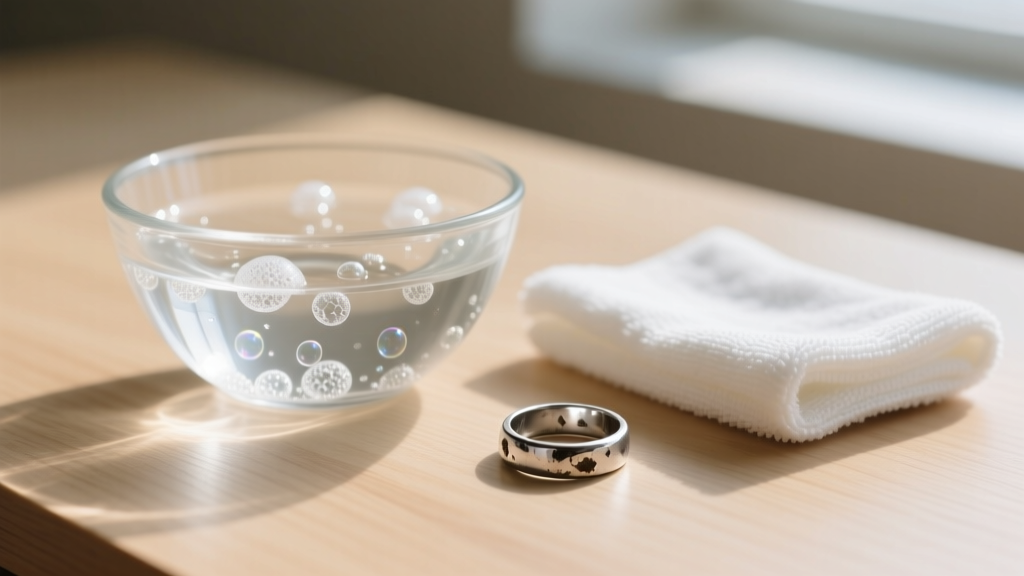
When your jewelry begins to look dull or develops dark patches, it is time for a deep clean. Forget the harsh DIY hacks you see on social media; abrasive methods will strip the gold vermeil right off the sterling silver base. Follow this expert-approved, gentle cleaning protocol:
- Prepare a Mild Bath: Fill a small glass bowl with lukewarm (never hot) water. Add two to three drops of a mild, phosphate-free dish soap, such as original blue Dawn. Avoid soaps with added moisturizers or citrus extracts, as these can leave a film or react with the metals.
- Soak Briefly: Submerge your En Route jewelry for exactly 3 to 5 minutes. This loosens body oils, lotion residue, and environmental dirt without compromising the gold layer.
- Gentle Agitation: Using an extra-soft baby toothbrush (never a standard firm-bristled brush), gently sweep the bristles over the jewelry. Pay special attention to the backs of rings and the clasps of chains, where dead skin and soap accumulate. Warning: Do not scrub pearls or cubic zirconia aggressively, as this can loosen the adhesive settings.
- Rinse Thoroughly: Rinse the piece under a gentle stream of lukewarm tap water. Ensure the drain is plugged or use a small mesh strainer to prevent losing your jewelry.
- Dry Completely: Pat the jewelry dry with a clean, lint-free microfiber cloth. Do not use paper towels or tissues, as the wood pulp fibers can cause micro-scratches on the gold vermeil. Ensure the piece is 100% dry before storing it, as trapped moisture is the primary enemy of sterling silver.
Common Beginner Mistakes to Avoid
Many well-intentioned jewelry owners accidentally ruin their demi-fine pieces by using aggressive cleaning methods. To protect your En Route collection, strictly avoid the following:
- Ultrasonic Cleaners: While excellent for solid gold and diamonds, the high-frequency vibrations in ultrasonic machines can literally shake the micron-thick gold layer off a vermeil piece and loosen gemstone settings.
- Baking Soda and Aluminum Foil: This popular DIY silver-cleaning hack creates an ion-exchange reaction that removes tarnish but is far too abrasive and alkaline for gold vermeil. It will leave your gold pieces looking cloudy and stripped.
- Commercial Silver Dips: Liquid silver cleaners contain harsh acids (like thiourea) that will instantly dissolve the gold plating on vermeil jewelry, leaving you with a raw, easily tarnished silver base.
Storage Hacks to Prevent Oxidation
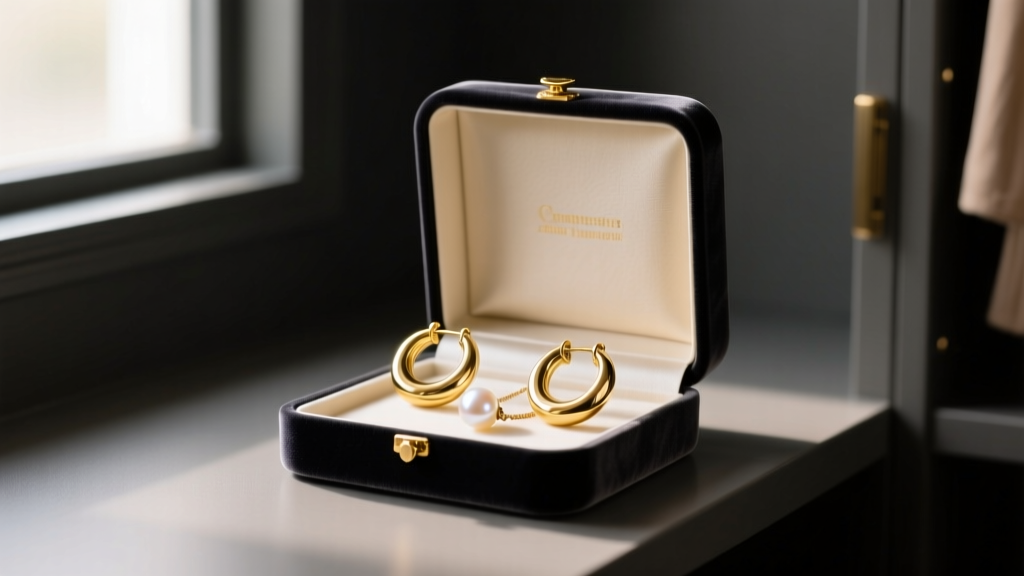
According to The Silver Institute, controlling the environment in which your jewelry is stored is the most effective way to prevent tarnish before it starts. Leaving your En Route pieces on an open bathroom counter exposes them to high humidity and aerosolized cosmetics. Instead, implement these storage strategies:
- Use Anti-Tarnish Strips: Purchase 3M anti-tarnish tabs and place one in your jewelry box or drawer. These strips absorb airborne sulfur compounds and typically last for 6 to 12 months.
- Individual Ziplock Bags: Store each piece in its own small, airtight polyethylene bag. Squeeze out the excess air before sealing to minimize oxygen exposure.
- Silica Gel Packets: Throw a few silica gel desiccant packets into your main jewelry storage area to control ambient humidity, especially if you live in a coastal or tropical climate.
- Keep Away from Sunlight: Prolonged UV exposure can degrade the structural integrity of certain gemstone adhesives and cause materials like freshwater pearls to become brittle and discolored.
When to Seek Professional Re-Plating
Even with meticulous care, the gold layer on vermeil jewelry will eventually wear thin in high-friction areas, such as the inside of rings or the back of pendants. When you notice the silver base showing through, do not attempt to polish it, as this will only remove more of the surrounding gold. Instead, take the piece to a reputable local jeweler for electroplating. Re-plating an En Route ring or necklace with a fresh layer of 18k gold typically costs between $45 and $85, depending on the surface area, and will completely restore the piece to its original, tarnish-resistant glory. By understanding the metallurgy and committing to gentle, consistent care, your En Route jewelry will remain a staple in your wardrobe for years to come.


