The Science Behind a Safe Tarnished Jewelry Clean
Master the electrochemistry of a safe tarnished jewelry clean. Learn exact ionic transfer protocols, material limits, and polishing.

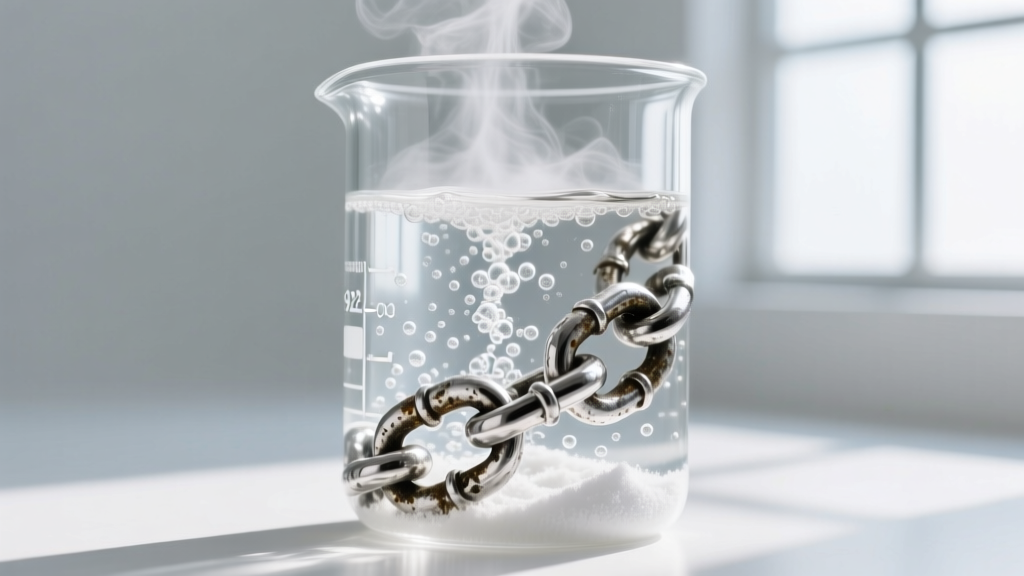
Achieving a flawless tarnished jewelry clean is rarely as simple as wiping a piece with a cloth. Tarnish is not merely dirt; it is a chemical compound—primarily silver sulfide (Ag2S) on silver alloys, or copper oxide and copper carbonate on brass and bronze. To reverse this degradation without stripping microscopic layers of the base metal, jewelers and conservators rely on electrochemical reduction rather than abrasive friction. This expert deep dive explores the precise chemistry, material limitations, and mechanical alternatives required to restore oxidized metals to their original luster.
The Electrochemistry of a Safe Tarnished Jewelry Clean
When sterling silver (92.5% silver, 7.5% copper) reacts with hydrogen sulfide in the atmosphere, it forms a black layer of silver sulfide. Many commercial dips use thiourea-based acids to strip this layer, but these solutions are highly toxic and remove microscopic amounts of base silver with every use. A superior, non-destructive method utilizes a galvanic cell to reverse the reaction.
By introducing a more reactive sacrificial anode (aluminum) in an alkaline electrolyte solution (sodium bicarbonate), we force an ion exchange. The aluminum oxidizes, releasing electrons that travel through the conductive solution to the silver sulfide, reducing it back to elemental silver. According to the Smithsonian Institution's guidelines on silver conservation, this ionic transfer preserves the original surface topography of the metal, which is critical for antique pieces with intricate repoussé or engraving.
The Chemical Equation:
3Ag₂S + 2Al + 6H₂O → 6Ag + 2Al(OH)₃ + 3H₂S(gas)
The hydrogen sulfide gas released during this process is what causes the distinct "rotten egg" odor during a deep tarnished jewelry clean. Proper ventilation is mandatory when processing heavily oxidized batches.
The Ionic Transfer Protocol: Exact Measurements
To execute this chemical reduction safely and effectively, precise ratios and thermal dynamics must be maintained. Cold water will not provide the activation energy required for the ion exchange.
- Prepare the Anode: Line a glass or heat-safe plastic beaker with heavy-duty aluminum foil, dull side out. Ensure the foil touches the jewelry pieces directly to complete the electrical circuit.
- The Electrolyte Solution: Add 1 tablespoon (15g) of sodium bicarbonate (baking soda) or sodium carbonate (washing soda) per 1 cup (240ml) of distilled water. Avoid tap water, as dissolved chlorides can cause pitting.
- Thermal Activation: Heat the distilled water to exactly 85°C - 90°C (185°F - 194°F). Boiling water (100°C) can cause thermal shock to certain gemstone inclusions or weaken epoxy adhesives used in cluster rings.
- Submersion and Timing: Pour the hot solution over the jewelry. Agitate gently with a wooden or plastic stirrer. Light tarnish will clear in 60 to 90 seconds; heavy, black sulfide layers may require up to 5 minutes.
- Neutralization: Remove the jewelry with plastic tweezers and immediately rinse in a neutralizing bath of distilled water mixed with a drop of pH-neutral dish soap to halt the alkaline reaction.
Material Compatibility Matrix
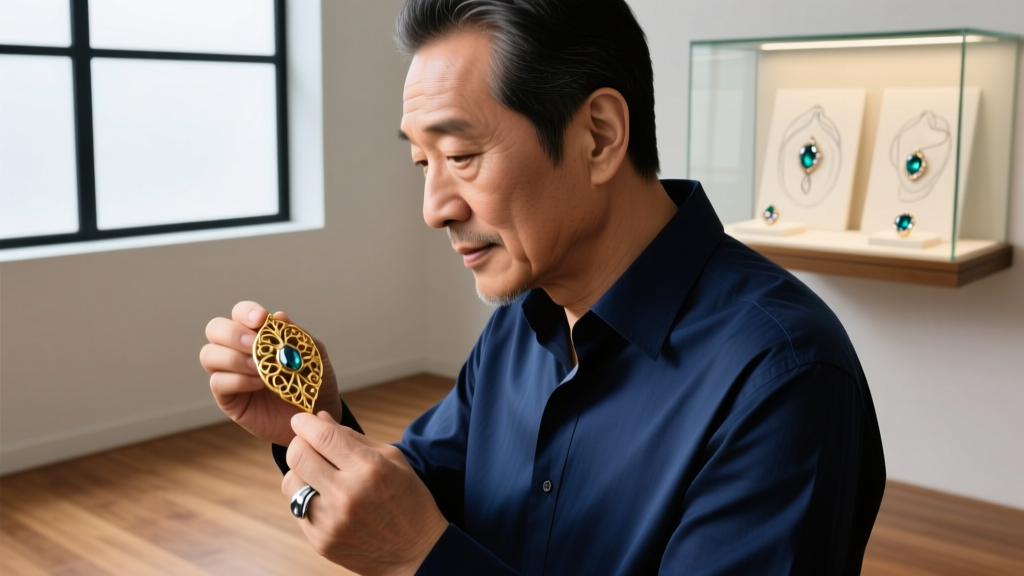
A common failure mode in DIY jewelry care is applying chemical reduction to porous or treated gemstones. The high alkalinity (pH 8.5-9.0) and heat of the electrolyte bath will permanently destroy organic and porous materials. The Gemological Institute of America (GIA) strictly advises against submerging sensitive gems in any chemical bath.
| Material Category | Specific Examples | Ionic Bath Safe? | Recommended Alternative |
|---|---|---|---|
| Hard, Non-Porous Gems | Diamond, Sapphire, Ruby (Mohs 9-10) | Yes | Electrochemical bath or Ultrasonic |
| Beryllium-Treated Stones | Heated Sapphires, Emeralds | No | Mild soap, soft brush only |
| Porous / Organic Gems | Turquoise, Lapis Lazuli, Pearls, Coral | Absolutely Not | Dry microfiber polishing only |
| Base Metal Alloys | Brass, Bronze, Copper | No (Requires Acid) | Citric acid bath or mechanical polish |
| Modern Silver Alloys | Argentium Silver (contains Germanium) | Yes (but rarely needed) | Simple soap and water wash |
Mechanical vs. Chemical Reduction
While the aluminum foil method is perfect for silver sulfide, it is entirely ineffective on copper oxide (the green/black patina on brass, bronze, and the copper content of sterling silver). Copper oxidation requires either mild acidic chelation or mechanical micro-abrasion.
Micro-Abrasive Polishing Compounds
When dealing with heavily oxidized copper alloys or localized tarnish that chemical baths cannot reach, jewelers turn to specialized micro-abrasives. Unlike harsh household pastes that leave deep micro-scratches (visible under 10x loupe magnification), professional compounds use finely graded abrasives.
- Simichrome Polish: Contains extremely fine silica particles suspended in a proprietary emulsion. Ideal for high-karat gold and brass. It leaves a protective microscopic polymer film that delays re-oxidation.
- Goddard's Silver Polish Foam: Utilizes calcium carbonate (chalk) as a gentle abrasive. Best for flatware and heavy sterling silver cuffs where chemical dips would take too long.
- Flitz Multi-Purpose Polish: Formulated with aluminum oxide. Excellent for removing stubborn copper oxide from bronze jewelry, but should be avoided on rhodium-plated surfaces as it will strip the plating.
The Danger of Ultrasonic Cavitation on Oxidized Finishes
Ultrasonic cleaners operate at frequencies between 35 kHz and 40 kHz, creating microscopic vacuum bubbles that implode against the jewelry surface. While excellent for dislodging sebum and dirt from diamond pavé settings, ultrasonic cavitation will aggressively strip intentional oxidized finishes (often called "antiquing" or "blackening"). If your jewelry features darkened recesses designed to highlight texture, keep it out of the ultrasonic tank.
Post-Clean Passivation and Storage
A successful tarnished jewelry clean is only half the battle. Once the metal is reduced to its elemental state, it is highly reactive and will immediately begin re-oxidizing upon exposure to atmospheric sulfur and humidity. Passivation and proper storage are mandatory.
Anti-Tarnish Technologies
Modern jewelry conservation relies on three primary methods to inhibit the reformation of silver sulfide:
- Intercept Technology (3M Anti-Tarnish Strips): These strips contain reactive copper particles bound in a polymer matrix. The copper acts as a sacrificial scavenger, reacting with atmospheric sulfur before it can reach your silver jewelry. They remain effective for 6 to 12 months in a sealed environment.
- Pacific Silvercloth: A specialized cotton flannel embedded with microscopic silver particles. The cloth tarnishes instead of the jewelry. Unlike chemically treated cloths that lose efficacy after washing, Pacific Silvercloth remains active indefinitely, provided it is never laundered.
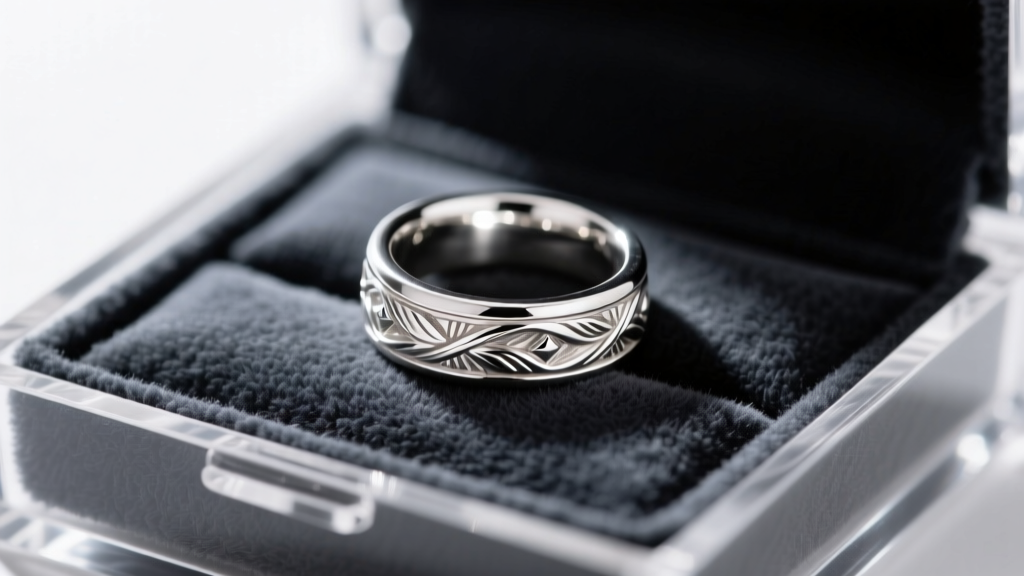
- Rhodium Plating: For white gold and high-end sterling silver, electroplating a layer of rhodium (a platinum group metal) provides a permanent, non-reactive barrier. Standard plating thickness ranges from 0.05 microns (flash plating, wears off in months) to 0.50 microns (heavy plating, lasts years). Note that rhodium plating completely alters the visual color of silver, giving it a slightly darker, "steely" reflectivity.
Summary of Best Practices
Mastering the science of metal restoration ensures your pieces retain their structural integrity and value. Always identify the base metal and gemstone inclusions before selecting a cleaning protocol. Utilize electrochemical reduction for silver sulfide, reserve micro-abrasives for copper oxidation, and strictly avoid alkaline heat baths for porous organics. By combining precise chemical knowledge with advanced storage materials, you can maintain a pristine collection with minimal long-term degradation.


