At Home Cleaning Jewelry Trends: 2026 Style Guide
Discover the top 2026 trends for at home cleaning jewelry, from enzymatic soaks for lab diamonds to eco-ultrasonics and vintage patina care.

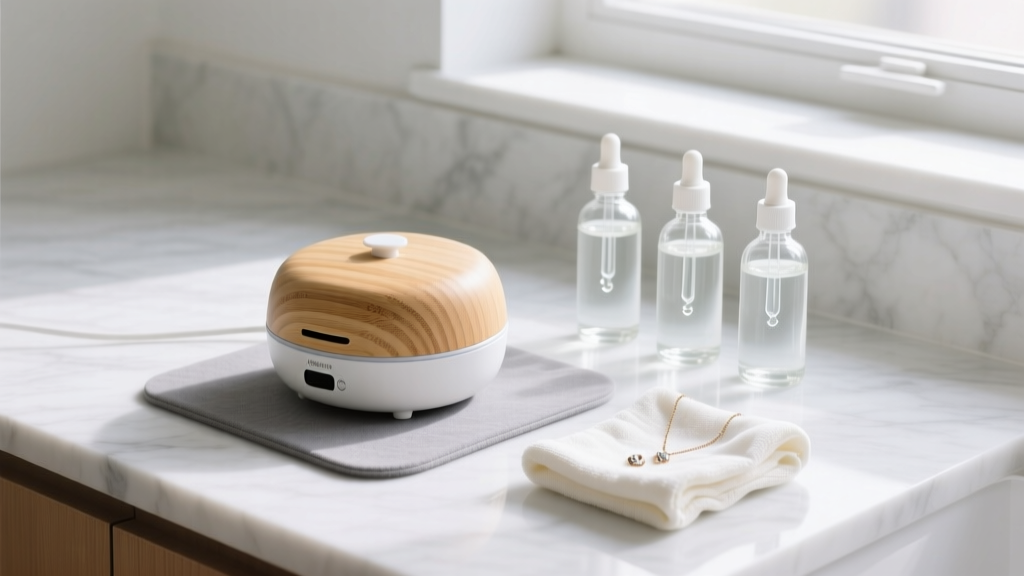
The 2026 Shift: Why At Home Cleaning Jewelry Routines Are Evolving
In 2026, the intersection of sustainable living, advanced material science, and high jewelry maintenance has completely rewritten the rules of at home cleaning jewelry. Gone are the days of relying on harsh, ammonia-based commercial dips or abrasive DIY kitchen hacks. Today’s collectors and everyday wearers are approaching jewelry care with the same precision and eco-consciousness they apply to their skincare routines. The modern consumer understands that a piece of jewelry is not just an accessory, but a micro-architecture of precious metals and complex crystalline structures that require highly specific, pH-balanced care.
As lab-grown diamonds dominate the market and antique vintage revivals reach peak popularity, the methodology behind maintaining these pieces has shifted dramatically. According to the Gemological Institute of America (GIA), diamonds are naturally lipophilic, meaning they attract and hold onto oils from the skin and cosmetics. However, the way we remove these oils has evolved from aggressive surfactants to targeted enzymatic breakdowns. This comprehensive trend analysis explores the cutting-edge methods, tools, and material-specific protocols defining at home cleaning jewelry routines this year.
Trend 1: Enzymatic Soaks for Lab-Grown Diamonds
Lab-grown diamonds, created via Chemical Vapor Deposition (CVD) and High Pressure High Temperature (HPHT) methods, now account for a massive share of the 2026 bridal and fine jewelry market. While they share the exact same Mohs 10 hardness and carbon lattice as mined diamonds, their microscopic surface textures and common post-growth treatments can make them uniquely susceptible to trapping sebum and silicone-based makeup residues.
The leading trend in at home cleaning jewelry for these stones is the use of botanical enzymatic soaks. Unlike traditional dish soap, which relies on basic degreasing surfactants that can leave a micro-film on the pavilion facets, enzymatic cleaners use naturally derived proteases and lipases. These enzymes specifically target and break down the protein and lipid bonds of human skin oils and cosmetic residues at a molecular level, requiring zero physical scrubbing.
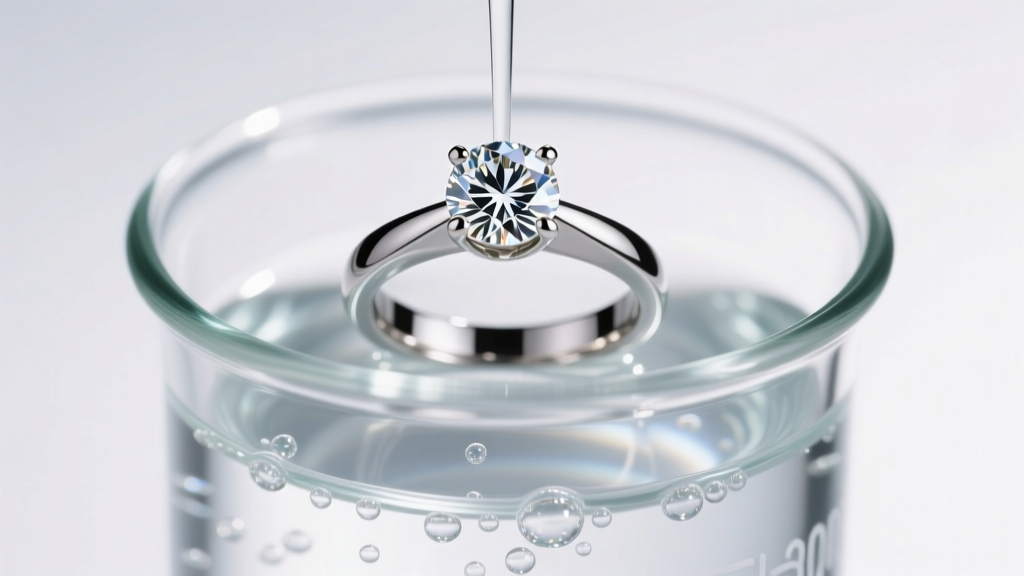
To execute this method properly, jewelers recommend a 15-minute soak in a solution warmed to exactly 95°F (35°C). This specific temperature accelerates the enzymatic reaction without risking thermal shock to any secondary accent stones, such as tension-set melee diamonds. After the soak, a simple rinse with distilled water—rather than tap water, which contains dissolved calcium and magnesium that cause hard water spotting—leaves the CVD diamond optically flawless.
Trend 2: Eco-Friendly Ultrasonic Tech vs. Traditional DIY
The ultrasonic cleaner has long been a staple for professional jewelers, but 2026 has seen the mass adoption of compact, eco-friendly ultrasonic baths designed specifically for home vanities. These modern devices utilize targeted 42,000 Hz (42kHz) frequencies, which create microscopic cavitation bubbles in the cleaning solution. When these bubbles implode against the surface of the jewelry, they blast away microscopic debris from under prongs and within pavé settings that a brush simply cannot reach.
However, the American Gem Society (AGS) consistently warns that ultrasonic technology is not a universal solution. The high-frequency vibrations can easily shake loose stones with fragile girdles or shatter heavily included gems. To navigate this, modern collectors rely on strict material-sorting frameworks before turning on their devices.
| Cleaning Method | Ideal Materials (Safe) | Materials to Avoid (Danger) | Recommended Frequency |
|---|---|---|---|
| 42kHz Ultrasonic Bath | Platinum, 18k Gold, Diamonds, Sapphires | Emeralds, Opals, Tanzanite, Fracture-filled stones | Bi-weekly or Monthly |
| Enzymatic Botanical Soak | Lab-grown Diamonds, Moissanite, Solid Gold | Porous organics (Pearls, Coral, Amber) | Weekly |
| pH-Neutral Microfiber Wipe | Sterling Silver, Oxidized Vintage, Pearls | Deeply textured pavé settings (traps debris) | Daily or Post-Wear |
'The biggest mistake consumers make is treating all gemstones as monolithic. A 42kHz ultrasonic bath will obliterate the fracture-filled clarity enhancements in a commercial emerald while barely scratching a sapphire. Sorting your jewelry by porosity and treatment before cleaning is non-negotiable in 2026.' — Dr. Elena Rostova, Gemological Analyst
Trend 3: Vintage Revival and Patina Preservation
With the explosion of the 'heirloom aesthetic' and sustainable vintage shopping, maintaining antique jewelry without destroying its historical character is a major focus. Many pieces from the Victorian, Edwardian, and Art Deco eras feature intentional oxidation, known as patina or antiquing, which is used to darken the recesses of intricate engravings and milgrain edges to create visual contrast.
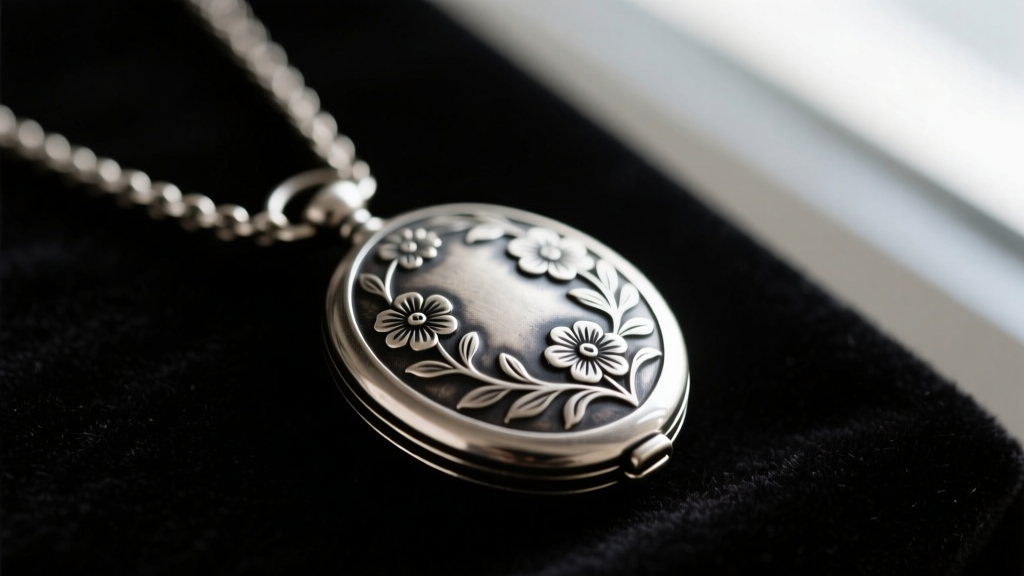
Traditional silver dips and aggressive polishing cloths are the enemies of patina. These products contain harsh thiourea chemicals or embedded micro-abrasives that strip away the dark oxidation, leaving the piece looking flat, overly bright, and historically inaccurate. The 2026 protocol for at home cleaning jewelry with antique value involves using a specialized, non-abrasive cellulose sponge dampened with a mild, pH-neutral castile soap. Cleaners carefully avoid the recessed areas, focusing only on the high-polish surfaces that would have naturally worn bright from a century of friction against skin and clothing. This preserves the structural integrity of the silver sulfide layer in the engravings while restoring the luster to the raised motifs.
The 'Never Do This' List: Outdated Hacks Banished in 2026
As material science literacy has grown among consumers, several once-popular internet hacks for at home cleaning jewelry have been universally condemned by gemologists and metallurgists alike.
- Toothpaste Scrubbing: Toothpaste contains silica and calcium carbonate abrasives. Measured on the Relative Dentin Abrasivity (RDA) scale, many whitening toothpastes score high enough to micro-scratch 14k gold (which is alloyed with softer metals like copper and zinc) and dull the polish on softer stones like turquoise and lapis lazuli.
- Baking Soda and Aluminum Foil Baths: While this galvanic reaction effectively removes silver sulfide (tarnish), it is highly alkaline. If left too long, or if used on jewelry featuring porous, water-sensitive stones like malachite or pearls, the alkaline solution will permanently etch the surface of the gem and degrade the silk thread used in pearl knotting.
- Boiling Water Sterilization: Submerging jewelry in boiling water to 'sanitize' it is a recipe for disaster. The extreme thermal shock can cause internal stress fractures in diamonds and instantly shatter temperature-sensitive stones like opals and tanzanite.
Building Your Modern At-Home Cleaning Station
To properly execute these modern at home cleaning jewelry protocols, curating a dedicated, organized cleaning station is essential. The ideal 2026 setup requires minimal space but maximum precision. Start with a lined, shallow ceramic tray to catch any accidental drops and prevent stones from chipping against hard porcelain sinks. Invest in a high-quality, ultra-soft goat-hair detailing brush, which is soft enough to dislodge debris from under a diamond's culet without scratching the precious metal basket holding it.
Stock your station with distilled water, a botanical enzymatic concentrate, and a lint-free, untreated microfiber cloth specifically reserved for jewelry. By treating your jewelry maintenance as a precise, scientific ritual rather than a hasty chore, you ensure that your collection retains its optical brilliance, structural security, and historical integrity for decades to come.


