Sourcing the Best Home Made Jewelry Cleaner Ingredients & Tools
Discover what to look for when sourcing a home made jewelry cleaner. Compare ingredient grades, tool safety, and metal-specific DIY recipes.

The Shift to Precision DIY Jewelry Care
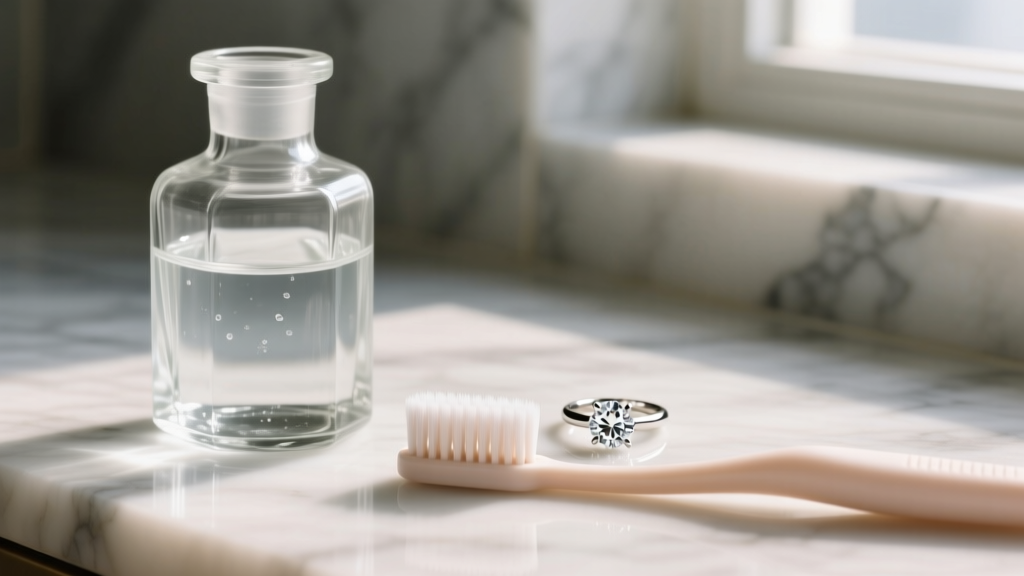
In 2026, the jewelry care market has seen a massive pivot away from harsh, commercial chemical dips toward precision-sourced, home made jewelry cleaner formulations. Commercial cleaners often rely on thiourea or high-ammonia solutions that, while effective for quick brightening, can cause long-term degradation to porous gemstones and weaken gold alloy prongs through stress corrosion cracking. Building your own cleaning kit is no longer just about mixing dish soap and tap water; it requires a strategic sourcing approach to ensure chemical safety, optimal pH levels, and mechanical gentleness. This buying guide details exactly what to look for when sourcing the raw ingredients and tools for a professional-grade home made jewelry cleaner.
The Core Chemistry: Sourcing the Right Base Ingredients
The foundation of any effective home made jewelry cleaner is the surfactant and the solvent. Sourcing the wrong grade of these common household items can lead to micro-scratches or chemical etching.
Surfactants: pH and Sebum Breakdown
When sourcing a liquid soap base, you must look for a pH-neutral surfactant (pH 7.0 to 8.0) that is free of lotions, dyes, and heavy fragrances. According to the Gemological Institute of America (GIA), warm water with a few drops of mild, non-detergent soap is the safest baseline for most gems. However, not all "mild" soaps are created equal.
- What to Buy: Ultra-concentrated, pH-neutral dish liquids (like original blue Dawn). These contain high levels of non-ionic surfactants that excel at breaking down sebum (body oils) and cosmetic lotions trapped under diamond pavilions without leaving a film.
- What to Avoid: Castile soaps. While marketed as "natural," liquid Castile soaps typically have an alkaline pH of 8.9 to 9.5. Over time, this alkalinity can react with the copper alloys in 14k and 18k rose gold, causing surface oxidation and dullness.
Mild Abrasives: The Baking Soda Trap
Many DIY recipes call for baking soda (sodium bicarbonate) to create a paste for scrubbing silver. If you must source baking soda for heavy silver tarnish removal, you must look for USP Grade (United States Pharmacopeia) rather than standard cleaning or baking grades. USP grade guarantees a micro-fine particle size. Standard baking soda has a Mohs hardness of 2.5. Since high-karat gold (18k and 22k) has a Mohs hardness of roughly 2.0 to 2.5, using coarse cleaning-grade baking soda will permanently micro-scratch your gold settings. For routine home made jewelry cleaner solutions, skip the abrasives entirely and rely on surfactant chemistry and mechanical brushing.
Essential Tools for Your Sourcing Kit
The mechanical action of cleaning is just as critical as the chemical bath. When buying tools for your home made jewelry cleaner kit, precision is paramount.
Brushing Tools: Bristle Diameter Matters
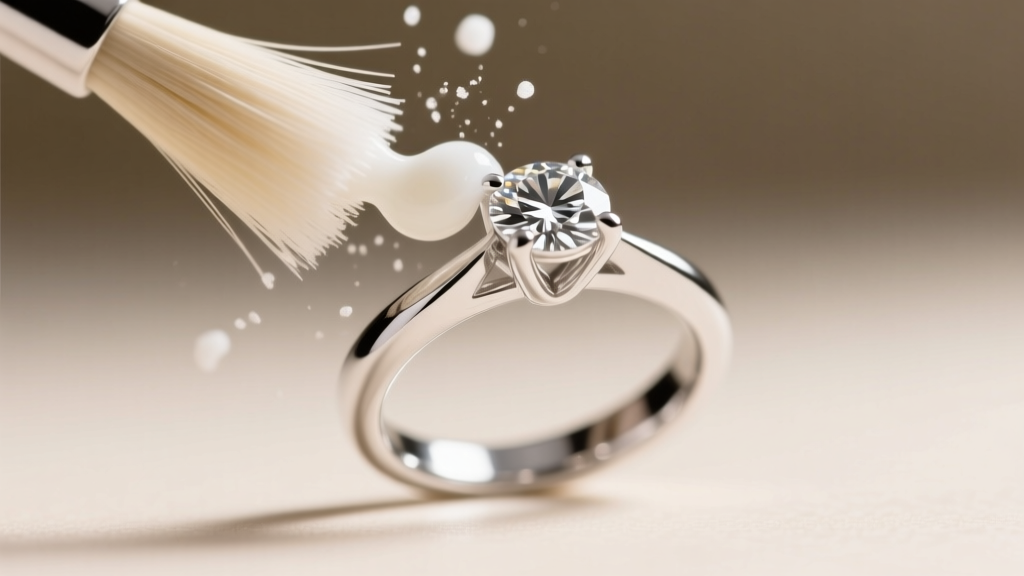
Never use a standard adult toothbrush, even one labeled "soft." Adult soft bristles typically measure 0.15mm to 0.18mm in diameter, which is stiff enough to bend delicate pave settings or scratch polished platinum. When sourcing brushes, look for infant toothbrushes or specialized jeweler's brushes with a bristle diameter of 0.12mm or less. Hog bristle brushes are excellent for heavy grime on durable stones like sapphires, but synthetic extra-soft nylon is mandatory for diamonds and gold to prevent static buildup and scratching.
Water Quality: The Hidden Variable
The solvent in your home made jewelry cleaner is water, but tap water is unacceptable for the final rinse. Tap water contains chlorine, fluorides, and dissolved calcium. Chlorine can cause stress corrosion cracking in gold alloy prongs, while calcium leaves hard water spots that dull the refractive index of diamonds. You must source distilled or deionized water with a Total Dissolved Solids (TDS) reading of 0 ppm. A cheap TDS meter (under $15 online) is a mandatory purchase for your kit to verify your water source.
Gemstone & Metal Compatibility Matrix
Not all ingredients sourced for a home made jewelry cleaner are safe for every stone. Use this matrix to guide your formulation based on the Mohs hardness and porosity of the jewelry you are cleaning.
| Jewelry Type | Safe Surfactant Base | Solvent / Rinse | Tools to Source | Ingredients to Strictly Avoid |
|---|---|---|---|---|
| Diamonds & Platinum | pH 7-8 Dish Liquid | Distilled Water (0 TDS) | 0.12mm Nylon Brush, Ultrasonic | Chlorine bleach, abrasive pastes |
| 18k Yellow/White Gold | pH 7 Neutral Soap | Distilled Water | Extra-soft Baby Toothbrush | Baking soda, Castile soap, Ammonia |
| Emeralds (Oil-Treated) | None (Dry Clean Only) | Damp Lint-Free Cloth | Microfiber Cloth, Wooden Pick | ALL soaps, ultrasonics, heat, steam |
| Pearls & Opals | Mild pH 7 Castile (Diluted) | Damp Distilled Water Cloth | Untreated Cotton Swabs | Ammonia, Acids (Vinegar), Ultrasonics |
Commercial DIY Kits vs. Raw Ingredient Sourcing
Many consumers opt for pre-packaged "DIY jewelry cleaning kits" sold online, which usually include a small plastic bowl, a generic brush, and a concentrated soap puck. From a cost and efficacy standpoint, sourcing your own raw materials is vastly superior.
- Pre-Packaged Kits: Typically cost $25 to $40. The included brushes are almost always standard 0.15mm nylon, and the "concentrated soap" is often a basic potassium hydroxide saponified oil that leaves a residue on platinum. Cost per ounce of active cleaning solution is roughly $4.50.
- Raw Sourcing: A 1-gallon jug of USP-grade distilled water ($4), a professional 0.12mm jeweler's brush ($8), and a 24oz bottle of pH-neutral surfactant ($5) yields an initial investment of $17. This setup provides hundreds of cleanings, bringing the cost per ounce down to less than $0.15, while offering professional-grade mechanical action and zero chemical residue.
Storage, Safety, and Shelf Life
How you store your home made jewelry cleaner ingredients dictates their longevity and safety. If you pre-mix a bulk batch of your surfactant and distilled water solution, you must consider UV degradation and bacterial growth.
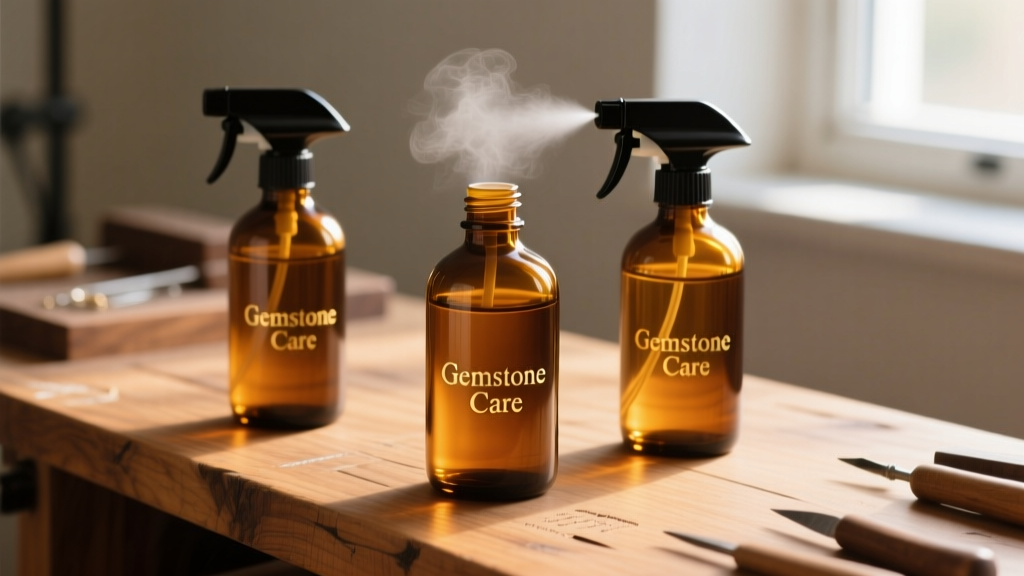
Always source amber or cobalt glass apothecary bottles for storing pre-mixed solutions. Glass prevents the leaching of microplastics found in cheap PET spray bottles, and the dark tint protects any natural antibacterial additives (like a drop of tea tree oil, if used for tool sanitation) from UV breakdown. Furthermore, the American Gem Society (AGS) emphasizes the importance of using lint-free materials for drying. Source tightly woven, non-abrasive microfiber cloths (specifically those with a GSM of 300 or higher and laser-cut edges) to ensure no cotton fibers snag on microscopic pave prongs during the final polish.
Final Sourcing Checklist
Before you check out with your cart, verify your home made jewelry cleaner kit against this expert checklist:
- Is the surfactant strictly pH 7.0 - 8.0 with zero added moisturizers?
- Is the water source verified at 0 TDS (Distilled/Deionized)?
- Are the brush bristles measured at 0.12mm or finer?
- Are your drying cloths laser-cut microfiber rather than standard cotton terrycloth?
- Have you excluded all alkaline powders and acidic household solvents (like vinegar) from your kit?
By treating your home made jewelry cleaner formulation with the same rigor a bench jeweler applies to their chemical baths, you ensure that your precious metals and gemstones retain their structural integrity and optical brilliance for generations.


