How to Clean Jewelry Set with Porous Gemstones Safely
Learn how to clean jewelry with porous gemstones like opal, pearl, and turquoise. Discover safe methods, avoid harsh chemicals, and protect your gems.

The Hidden Dangers of Standard Jewelry Cleaning
When you search for ways to clean jewelry, the internet is flooded with tutorials featuring ultrasonic machines, steam cleaners, and harsh chemical dips. While these methods work wonders for diamonds and solid platinum, they are a death sentence for porous, hydrated, or heavily included gemstones. Applying standard diamond-cleaning protocols to organic or fragile gems is the leading cause of irreversible damage in residential jewelry care.
As a gemologist, I see the aftermath of well-intentioned but disastrous cleaning routines weekly. A three-minute stint in an ultrasonic bath can shatter an opal, while a quick dip in ammonia can dissolve the luster of a South Sea pearl. To properly maintain your collection, you must abandon the one-size-fits-all mentality and adopt gemstone-specific protocols based on mineralogy and structural integrity.
The Physics of Gemstone Porosity and Inclusions
Understanding how to clean jewelry safely requires a basic grasp of gemological physics. The vulnerability of a gemstone is dictated by three factors: its position on the Mohs scale of hardness, its crystal structure (cleavage and parting), and its porosity or inclusion level.
Mohs Hardness vs. Toughness
Hardness measures scratch resistance, while toughness measures resistance to breaking and chipping. Jade is relatively soft (Mohs 6.5-7) but incredibly tough due to its interlocking fibrous structure. Conversely, emerald is harder (Mohs 7.5-8) but has very poor toughness due to natural internal fractures, known in the trade as the jardin. Cleaning an emerald requires navigating these microscopic fault lines without stripping the oils that hold the stone together.
Critical Cleaning Failures: What Destroys Fragile Gems
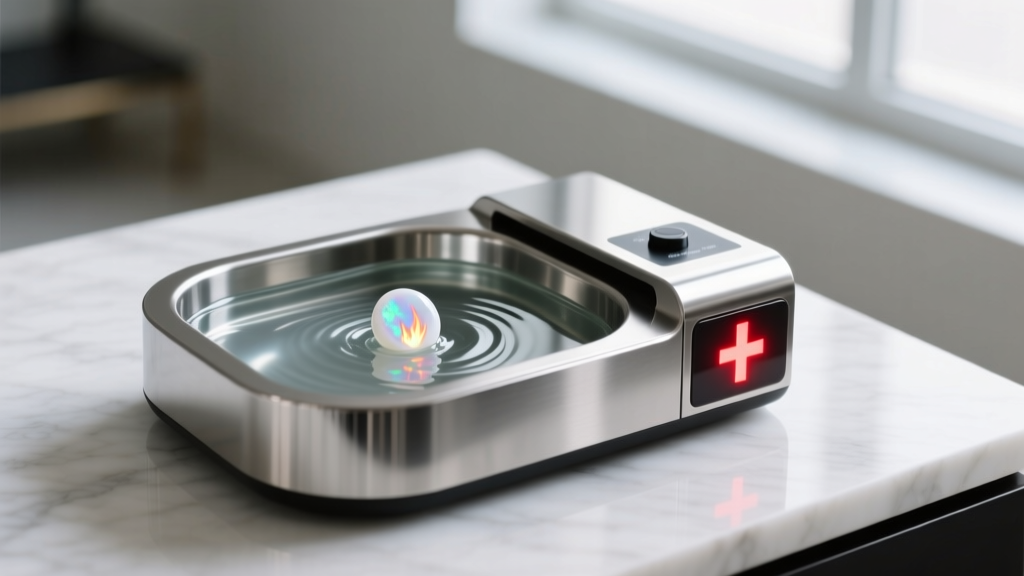
Before we discuss what you should do, we must establish the absolute prohibitions for porous and fragile gems. According to the GIA Gem Encyclopedia, the following methods are strictly off-limits for the stones discussed in this guide:
- Ultrasonic Cleaners: These devices use high-frequency sound waves to create microscopic vacuum bubbles in a liquid solution. When these bubbles collapse (cavitation), they release immense localized shockwaves. This process will instantly craze opals, shatter tanzanite, and shake loose the fracture-fillings in emeralds.
- Steam Cleaners: Thermal shock is the enemy of hydrated gems. The sudden, extreme temperature change from a steam jet can cause internal stress fractures, literally splitting stones like opals and peridots from the inside out.
- Ammonia and Bleach: Organic gems like pearls, coral, and amber are highly susceptible to chemical burns. Ammonia will strip the conchiolin protein matrix from a pearl, leaving it dull, chalky, and permanently damaged.
Gemstone-Specific Cleaning Protocols
To safely clean jewelry featuring fragile stones, you must tailor your approach to the specific mineral or organic material. Here are the professional protocols for the most common vulnerable gemstones.
Protocol 1: Organic Gems (Pearls, Coral, Amber)
Pearls are composed of calcium carbonate (aragonite) platelets bound by an organic protein called conchiolin. They are highly reactive to acids and alkalis.
- Preparation: Mix a solution of lukewarm distilled water and a single drop of pH-neutral baby shampoo.
- Application: Never submerge a pearl necklace, as the water will degrade the silk threading and cause the knots to stretch and rot. Instead, dip a soft, lint-free microfiber cloth into the solution and wring it out until it is barely damp.
- Wiping: Gently wipe each pearl individually. Do not scrub.
- Drying: Lay the jewelry flat on a dry towel in a well-ventilated area. Never hang a wet pearl strand, as the weight of the water will stretch the silk.
Protocol 2: Hydrated Gems (Opals)
Opals contain anywhere from 3% to 21% water within their silica structure. If they dry out too quickly, or if they absorb dirty liquids, they will crack or lose their play-of-color.
- Dry Dusting: Use a clean, dry makeup brush (like a soft kabuki brush) to gently sweep away dust and skin oils from the surface of the opal.
- Spot Cleaning: If the opal is heavily soiled, use a slightly damp cloth with plain distilled water. Avoid all soaps, as surfactants can penetrate microscopic surface cracks and leave a dulling film.
- Hydration Maintenance: Store opals with a damp cotton ball in a sealed plastic bag to maintain their internal moisture equilibrium, especially in arid climates.
Protocol 3: Porous Minerals (Turquoise, Lapis Lazuli, Malachite)
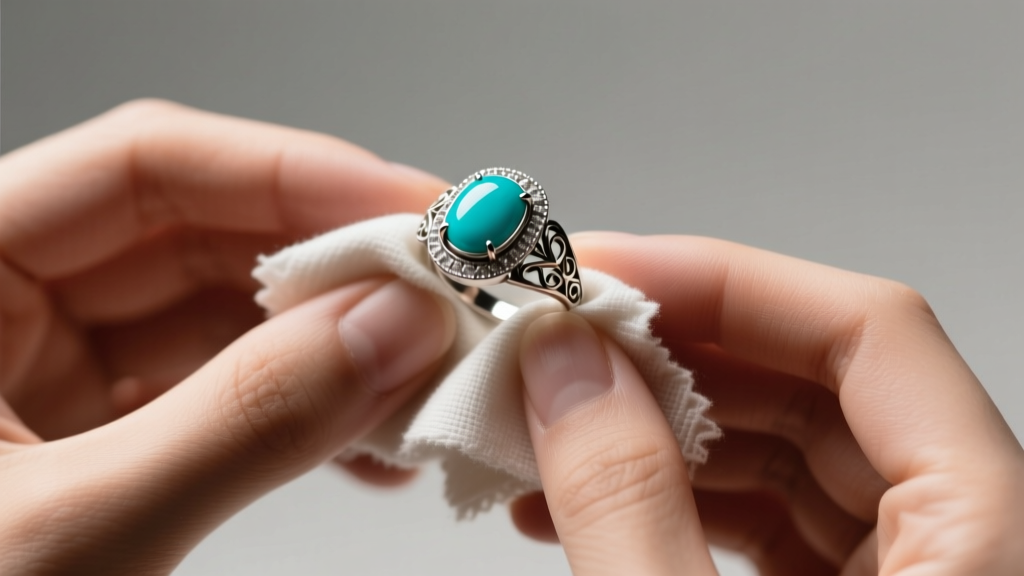
Turquoise is a hydrous phosphate of copper and aluminum. It is notoriously porous and will absorb oils, lotions, and chemicals, which can permanently alter its color from a vibrant sky blue to a muddy green.
- The Golden Rule: Never use liquid of any kind on untreated turquoise.
- Mechanical Cleaning: Use a soft, dry toothbrush to gently dislodge dirt from the crevices where the metal setting meets the stone.
- Polishing: Buff the stone gently with a dry, untreated jeweler's polishing cloth. Avoid silver-polishing cloths that contain chemical abrasives, as these will stain the stone.
Protocol 4: Oiled Gems (Emeralds)
Nearly all commercial emeralds are fracture-filled with cedar oil or synthetic resins (like Opticon) to improve clarity and stability. Solvents, heat, and ultrasonic waves will strip this oil, revealing white, web-like fractures.
- Mild Bath: Create a lukewarm bath of distilled water and a mild, non-detergent soap (like Castile soap).
- Soak Briefly: Submerge the emerald jewelry for no more than 60 seconds.
- Agitation: Use a baby-hair toothbrush to gently flick dirt away from the prongs. Do not scrub the surface of the emerald itself.
- Rinsing: Rinse under a gentle stream of lukewarm distilled water.
- Drying: Pat dry with a microfiber cloth. Avoid using a hair dryer or compressed air, as heat and rapid evaporation can damage the oil filling.
Comprehensive Gemstone Cleaning Matrix
Use this quick-reference table to determine the safe parameters when you need to clean jewelry featuring these specific stones. For further reading on gemstone durability, consult the American Gem Society guidelines.
| Gemstone | Mohs Hardness | Porosity / Risk Level | Safe Cleaning Method | Methods to Avoid |
|---|---|---|---|---|
| Pearl | 2.5 - 4.5 | High (Organic) | Damp microfiber cloth, pH-neutral soap | Submersion, ammonia, ultrasonic |
| Opal | 5.5 - 6.5 | High (Hydrated) | Dry brushing, damp cloth with distilled water | Steam, ultrasonic, harsh detergents |
| Turquoise | 5.0 - 6.0 | Extreme (Porous Mineral) | Dry soft-bristle brush only | All liquids, chemicals, ultrasonic |
| Emerald | 7.5 - 8.0 | High (Included/Oiled) | Brief lukewarm soapy soak, soft brush | Steam, ultrasonic, solvents, heat |
| Lapis Lazuli | 5.0 - 6.0 | High (Porous Aggregate) | Dry cloth, very brief damp wipe | Prolonged soaking, acidic cleaners |
How to Clean Jewelry Settings Without Harming the Stone
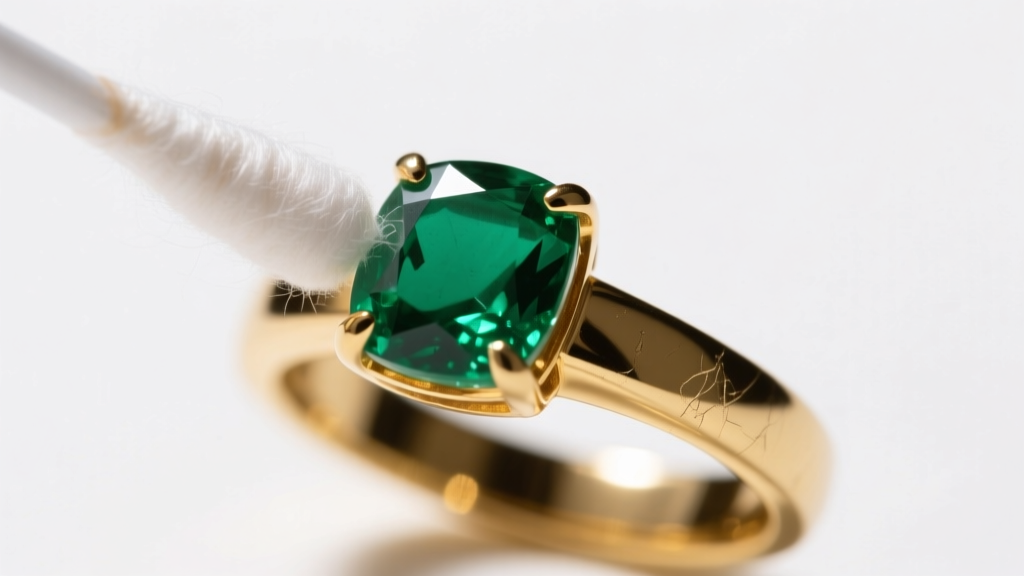
One of the greatest frustrations in gemology is dealing with a pristine, fragile gemstone set in a heavily tarnished silver or grimy gold mounting. How do you clean the metal without exposing the vulnerable stone to damaging chemicals?
The solution is targeted, localized cleaning using isopropyl alcohol (90% or higher) and precision tools. Alcohol evaporates rapidly and does not contain the water or surfactants that threaten porous stones.
- Protect the Stone: Mask the gemstone by placing a small piece of painter's tape or a cut piece of nitrile glove over it, securing it gently around the prongs.
- Target the Metal: Dip a wooden cotton swab (avoid plastic, which can melt or smear) into the isopropyl alcohol.
- Scrub the Shank: Vigorously scrub the inside of the ring band, the gallery, and the exterior shank. The alcohol will cut through sebum, lotion, and dead skin cells.
- Detail the Prongs: Use a wooden toothpick dipped in alcohol to carefully scrape the gunk from the very edges of the prongs, working away from the stone to prevent accidental pressure on the gem's girdle.
- Final Polish: Remove the protective mask and buff the metal with a treated silver or gold polishing cloth, strictly avoiding contact with the gemstone.
Long-Term Storage and Maintenance
Expert Insight: The best way to reduce the need for aggressive cleaning is to implement a strict 'last on, first off' rule. Porous gems like turquoise and pearls should be the last thing you put on after applying cosmetics, perfumes, and hairsprays, and the first thing you take off when you return home.
Proper storage is the final pillar of gemstone care. Never toss porous jewelry into a communal box where it can be scratched by diamonds or sapphires. Store each piece individually in a soft, acid-free tissue pouch. For silver settings paired with porous stones, place an anti-tarnish silica strip in the storage box to absorb ambient moisture and sulfur compounds, drastically reducing the need to polish the metal and risk the stone.
By respecting the unique chemical and physical properties of your gemstones, you ensure that your jewelry retains its structural integrity and visual brilliance for generations. When in doubt, always defer to a dry, gentle approach, and consult a certified gemologist before applying any new chemical agent to your prized possessions.


