Connoisseurs Dazzle Drops Jewelry Cleaner: Expert Formula Analysis
An expert chemical and practical analysis of Connoisseurs Dazzle Drops jewelry cleaner, covering gemstone safety, metal compatibility, and limits.

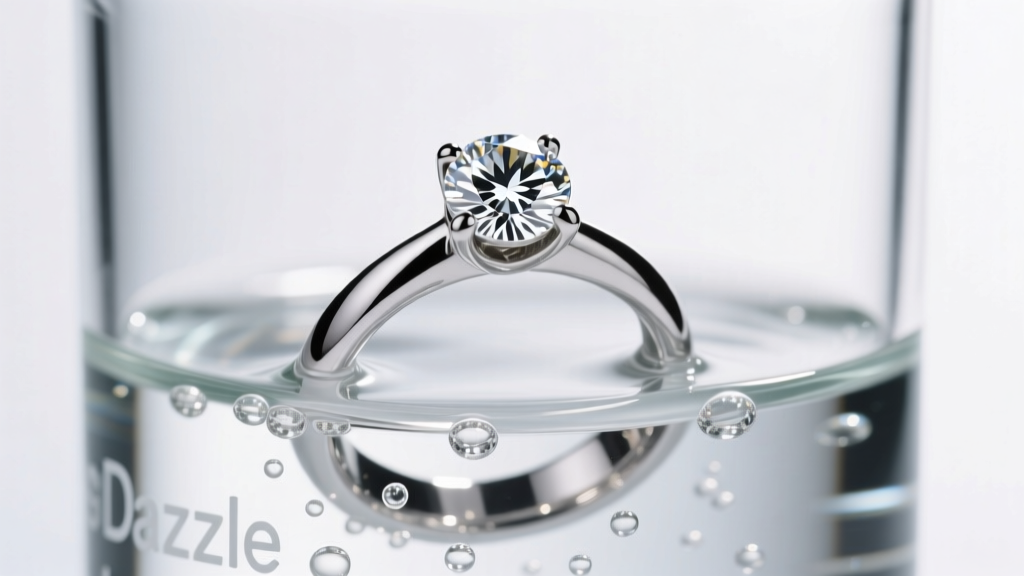
When evaluating commercial jewelry cleaning solutions, gemologists and bench jewelers look beyond marketing claims to the underlying chemical mechanics. The Connoisseurs Dazzle Drops jewelry cleaner has become a staple in both professional workshops and home care kits. But what exactly makes this formula effective, and more importantly, where does it fail? In this expert deep dive, we deconstruct the surfactant profile, material compatibility, and application protocols of this specific solution.
Surfactant Mechanics and Chemical Composition
Unlike traditional heavy-duty jewelry dips that rely on harsh alkaline compounds or ammonia, the Connoisseurs Dazzle Drops jewelry cleaner utilizes a proprietary blend of non-ionic surfactants and mild chelating agents. Ammonia-based cleaners, while highly effective at cutting through sebum and cosmetic oils, pose a severe risk of stress corrosion cracking in certain karat gold alloys and can degrade the rhodium plating on white gold over prolonged exposure.
The non-ionic surfactants in Dazzle Drops work by lowering the surface tension of water, allowing the solution to penetrate microscopic crevices around prongs and pavé settings. The contact angle of the liquid is reduced, enabling it to lift hydrophobic contaminants like lotions, skin oils, and environmental dust without aggressively attacking the metal lattice or gemstone inclusions. Furthermore, the absence of thiourea means this solution will not strip heavy silver sulfide tarnish, making it a dedicated cleaner rather than a polish or tarnish remover.
Material Compatibility Matrix: What It Can and Cannot Clean
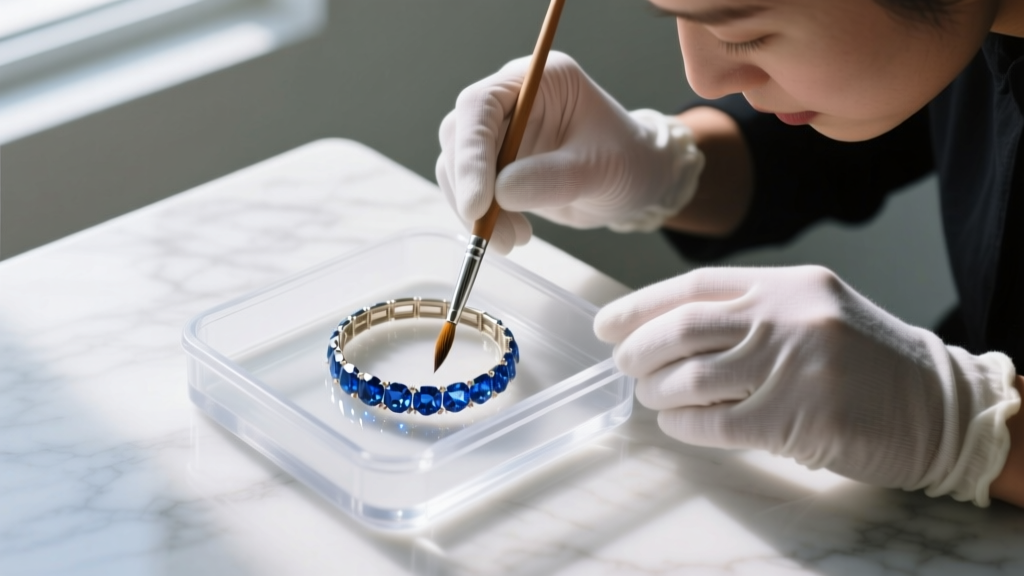
Understanding the Mohs hardness scale and gemstone porosity is critical before submerging any piece in the Connoisseurs Dazzle Drops jewelry cleaner. Below is a technical compatibility matrix based on gemological stability.
| Material / Gemstone | Mohs Hardness / Trait | Dazzle Drops Safety | Technical Caveat |
|---|---|---|---|
| Diamond (Carbon) | 10 | Highly Safe | Excellent for removing grease that lowers diamond brilliance. |
| Corundum (Ruby/Sapphire) | 9 | Highly Safe | Safe for heat-treated stones; avoid if fracture-filled with lead glass. |
| Beryl (Emerald) | 7.5 - 8 | UNSAFE | Surfactants will strip cedar oil or Opticon fracture fillings, causing cloudiness. |
| Opal (Hydrated Silica) | 5.5 - 6.5 | UNSAFE | Highly porous; chemical absorption can lead to crazing or color shifts. |
| Pearl (Calcium Carbonate) | 2.5 - 4.5 | UNSAFE | Organic and highly reactive; even mild pH shifts can etch the nacre layers. |
| Sterling Silver (925) | Metal Alloy | Safe (for dirt only) | Will NOT remove silver sulfide tarnish. Requires a separate polishing cloth. |
| Platinum (Pt950) | Metal Alloy | Highly Safe | Will not strip rhodium (as platinum is naturally white) or cause oxidation. |
Expert Note: According to guidelines from the Gemological Institute of America (GIA), any gemstone with a Mohs hardness below 7, or any stone that has undergone fracture filling, dyeing, or oiling, should never be subjected to liquid chemical baths, regardless of how mild the manufacturer claims the formula to be.
Application Protocol for Maximum Efficacy
To achieve optimal results with the Connoisseurs Dazzle Drops jewelry cleaner, bench jewelers recommend a specific agitation and dwell-time protocol. Simply dropping a ring into the solution is insufficient for heavy buildup.
Step 1: The Pre-Soak and Thermal Activation
While Dazzle Drops is formulated for room-temperature use, slightly warming the distilled water used to dilute the drops (to approximately 95°F or 35°C) increases the kinetic energy of the surfactant molecules, accelerating the emulsification of lipids and sebum. Do not exceed 110°F, as rapid thermal expansion can shock certain gemstone inclusions.
Step 2: Mechanical Agitation
Chemical action must be paired with mild mechanical action. Use a specialized, ultra-soft nylon jewelry brush (not a standard toothbrush, which has bristles that are often too stiff and can micro-scratch high-polish gold). Gently agitate the pavilion (the underside of the gemstone) where light-blocking grease accumulates.
Step 3: The Distilled Water Rinse
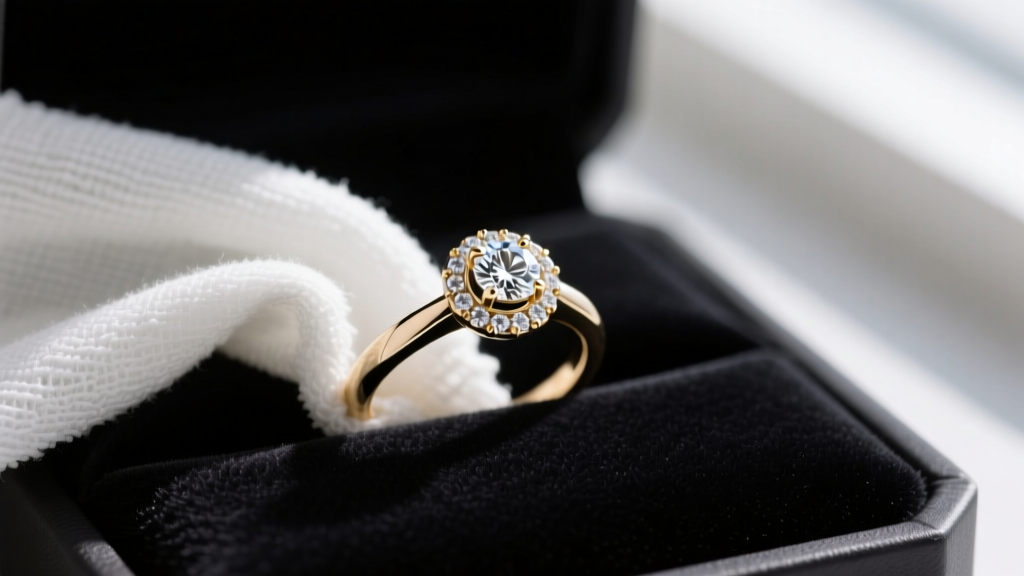
Tap water contains dissolved minerals like calcium and magnesium. When tap water evaporates on a freshly cleaned diamond or sapphire, it leaves behind microscopic mineral deposits that mimic dirt and destroy optical clarity. Always perform the final rinse using distilled or deionized water.
Step 4: Capillary Drying
Avoid air-drying, which leads to water spotting. Instead, use a lint-free microfiber cloth or a targeted blast of compressed, oil-free air to displace water from beneath the gallery and prongs.
Troubleshooting Common Cleaning Failures
Even with the correct chemical formulation, users occasionally report suboptimal results. Here is a diagnostic framework for identifying why a piece may still appear dull after using the Connoisseurs Dazzle Drops jewelry cleaner.
Issue 1: Persistent Cloudiness in Diamonds
If a diamond appears cloudy immediately after cleaning and drying, the issue is likely not surface dirt, but rather internal characteristics. High concentrations of microscopic inclusions (often referred to as a "cloud" on a GIA grading report) or strong blue fluorescence reacting to UV light can cause a milky appearance that no surface cleaner can resolve. Additionally, if the diamond is fracture-filled with glass, the surfactant may have degraded the filler's surface.
Issue 2: White Gold Appearing Yellowish
White gold is an alloy of yellow gold and white metals like nickel or palladium, plated with rhodium to achieve a bright white finish. If the rhodium plating has worn thin on the shank or gallery, the underlying yellowish alloy will show through. Dazzle Drops will perfectly clean the metal, but it cannot restore rhodium plating. The piece must be sent to a bench jeweler for electroplating.
Issue 3: Dull, Matte Appearance on Sterling Silver
As noted in the compatibility matrix, Dazzle Drops removes organic dirt but does not reverse the chemical reaction of silver sulfide (tarnish). If your sterling silver remains dull, you must introduce a mechanical or chemical tarnish remover, such as a treated impregnated polishing cloth, to reduce the silver sulfide back to elemental silver.
Dazzle Drops vs. Ultrasonic Cleaners: A Technical Comparison
Many enthusiasts wonder how the Connoisseurs Dazzle Drops jewelry cleaner compares to ultrasonic cleaning machines. The two technologies address different types of contamination and carry distinct risk profiles.
- Chemical vs. Mechanical: Dazzle Drops relies on chemical emulsification and surface tension reduction. Ultrasonic cleaners rely on cavitation—the formation and violent collapse of microscopic vacuum bubbles in a liquid medium, creating localized shockwaves that blast dirt from crevices.
- Risk to Settings: Ultrasonic cavitation can loosen poorly set stones, vibrate micro-pavé diamonds out of their beads, and shatter stones with internal tension fractures (like emeralds or heavily included diamonds). Dazzle Drops carries zero cavitation risk, making it vastly superior for antique jewelry, tension settings, and fragile prongs.
- Efficacy on Heavy Grime: For heavily oxidized metals or impacted polishing compound left in the gallery from manufacturing, ultrasonic cleaners paired with a specialized alkaline solution will outperform Dazzle Drops. However, for routine maintenance of body oils and cosmetics, Dazzle Drops is safer and entirely sufficient.
Expert Verdict and Maintenance Schedules
The Connoisseurs Dazzle Drops jewelry cleaner is a highly engineered, chemically stable solution that excels in its specific lane: the safe, routine removal of organic contaminants (sebum, cosmetics, lotions) from high-hardness gemstones and noble metals. It is an essential tool for maintaining the optical brilliance of diamonds, sapphires, and rubies without the risks associated with ammonia or ultrasonic cavitation.
However, it is not a universal panacea. It will not remove silver tarnish, nor is it safe for organic or porous gemstones. For a comprehensive jewelry care regimen, this solution should be paired with a high-quality silver polishing cloth for sterling pieces and a separate, specialized wipe for pearls and opals. By understanding the chemical limitations and applying the proper agitation protocols outlined above, you can safely maintain professional-level brilliance at home.
For further reading on gemstone durability and cleaning safety, refer to the GIA Gem Encyclopedia and the official care instructions provided by Connoisseurs Products.


