Can You Clean Jewelry With Alcohol? Metal & Gemstone Safety Guide
Discover if you can clean jewelry with alcohol safely. Learn which metals and gemstones tolerate isopropyl alcohol and which will suffer permanent damage.

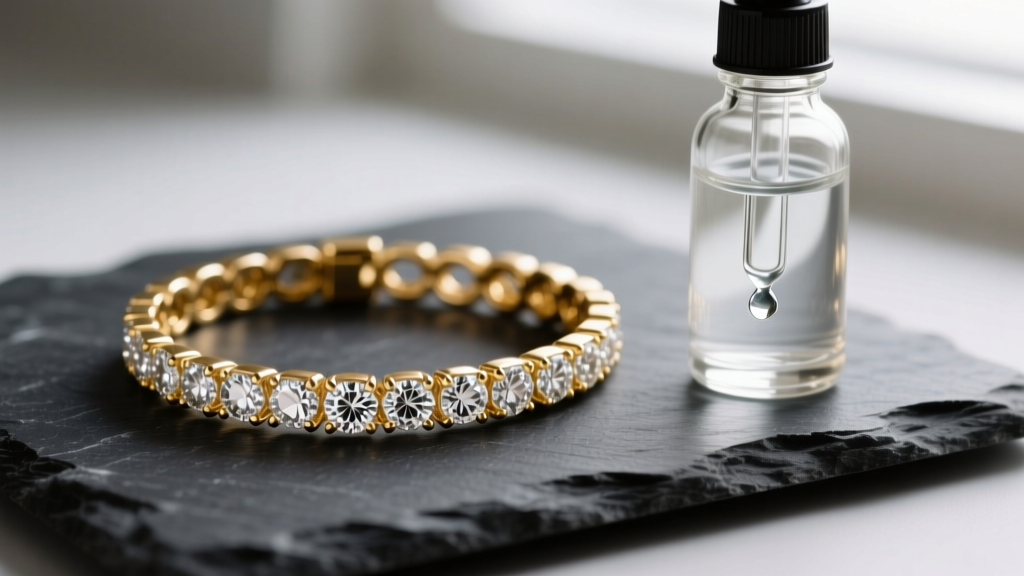
The Short Answer: Is Alcohol Safe for Jewelry?
When asking, "can you clean jewelry with alcohol?", the answer is highly conditional. Isopropyl alcohol (IPA) is a powerful solvent that excels at cutting through sebum, lotions, and cosmetic buildup. However, its chemical properties make it a destructive force for specific organic gemstones, treated minerals, and plated metals. In 2026, with the rise of advanced nano-ceramic coatings and delicate fracture-filled gemstones on the market, understanding the exact chemical interaction between IPA and your jewelry is more critical than ever.
The concentration of the alcohol matters immensely. Standard 70% rubbing alcohol contains 30% purified water, which can leave mineral deposits or water spots on highly polished metals. Conversely, 91% or 99% IPA evaporates rapidly without leaving water residue, making it the preferred choice for degreasing safe metals and non-porous stones. Below, we break down the exact material science behind alcohol exposure.
How Isopropyl Alcohol Affects Different Metals
Metals react to solvents based on their alloy composition and surface treatments. Pure elemental metals are generally impervious to alcohol, but jewelry is rarely pure.
Safe Metals: Platinum, Titanium, and Solid Gold
- Platinum (Pt950): Highly inert and completely safe. Alcohol will not tarnish, corrode, or dull platinum. It is excellent for removing finger oils from the underside of platinum ring shanks.
- Titanium (Grade 23 / 6Al-4V): Commonly used in modern body jewelry and men's rings. Titanium's oxide layer is impervious to IPA, making alcohol wipes a standard sterilization method in professional piercing studios.
- Solid Gold (14k, 18k, 22k): Safe for occasional cleaning. However, frequent, aggressive scrubbing with alcohol and a stiff brush can microscopically wear down the high-polish finish over several years, resulting in a satin-like matte appearance.
Risky Metals: Sterling Silver and Plated Jewelry
Sterling Silver (925): While alcohol won't instantly ruin solid sterling silver, the 30% water content in 70% IPA can accelerate oxidation if the piece is not dried immediately. Furthermore, many modern silver pieces feature anti-tarnish rhodium or e-coatings; alcohol acts as a mild stripper that will degrade these protective layers over time.
Gold Vermeil and Plated Pieces: Never use alcohol on plated jewelry. Whether it is 2.5-micron gold vermeil or flash-plated brass, IPA will break down the molecular bond of the plating, causing it to flake, peel, or rub off onto your skin.
The Gemstone Danger Zone: Porous vs. Non-Porous
The Mohs hardness scale dictates scratch resistance, but it is a gemstone's porosity and chemical treatments that dictate alcohol safety. Solvents like IPA penetrate microscopic fissures, dissolving the oils and resins used to stabilize fragile stones.
| Gemstone | Mohs Hardness | Porosity / Treatments | Alcohol Safe? |
|---|---|---|---|
| Diamond | 10 | Non-porous, rarely treated | Yes (Excellent) |
| Sapphire / Ruby | 9 | Non-porous, heat treated | Yes (Safe) |
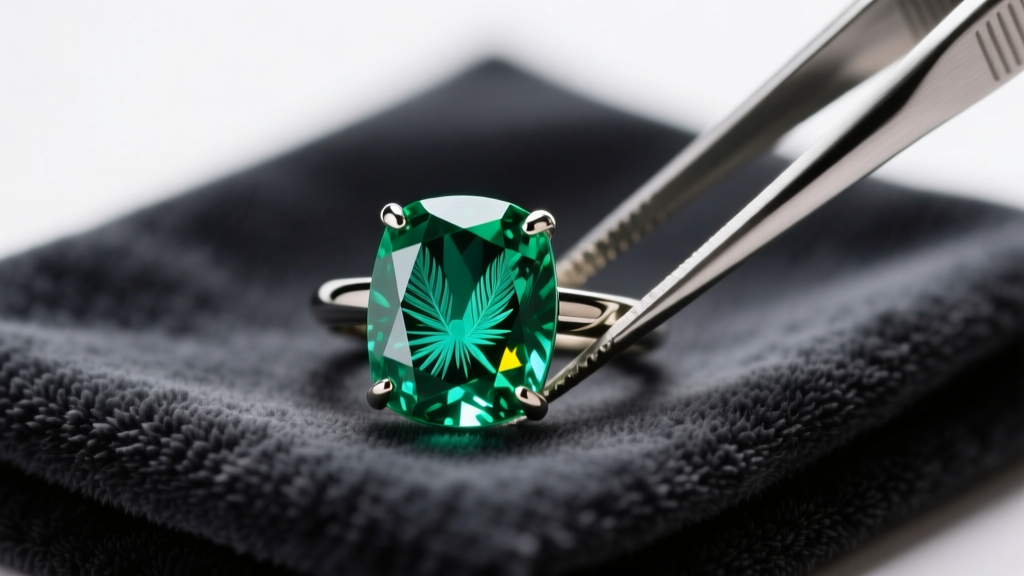
| Emerald | 7.5 - 8 | Highly included, cedar oil treated | No (Strips Oil) |
| Opal | 5.5 - 6.5 | Contains 3-21% water | No (Causes Crazing) |
| Turquoise | 5 - 6 | Highly porous, often stabilized | No (Discoloration) |
| Tanzanite | 6.5 - 7 | Perfect cleavage, heat treated | Use Caution |
Why You Should Never Use Alcohol on Pearls and Opals
Organic and water-bearing gemstones suffer catastrophic failure when exposed to isopropyl alcohol. According to the Gemological Institute of America (GIA), pearls are composed of calcium carbonate plates bound by an organic protein called conchiolin. Alcohol dissolves conchiolin, permanently destroying the pearl's orient and luster, leaving it chalky and brittle.
Similarly, opals are non-crystalline silica containing up to 21% water. When exposed to the rapid evaporation and dehydrating effects of IPA, the internal moisture is pulled out unevenly. This causes "crazing"—a network of permanent, microscopic internal fractures that ruins the stone's structural integrity and play-of-color. As noted in GIA's emerald and fragile gemstone care guidelines, solvent exposure is the leading cause of post-purchase damage in treated stones.
Expert Warning: If your pearls or beads are strung on silk thread, never submerge them in alcohol or any liquid. The solvent will degrade the silk's tensile strength, leading to catastrophic string failure and lost gemstones.
Step-by-Step: How to Safely Clean Safe Pieces with Alcohol
If you are cleaning a safe piece—such as a 950 Platinum diamond solitaire or a solid 14k gold band with sapphires—follow this professional protocol to ensure zero damage to the metal's polish or the prong settings.
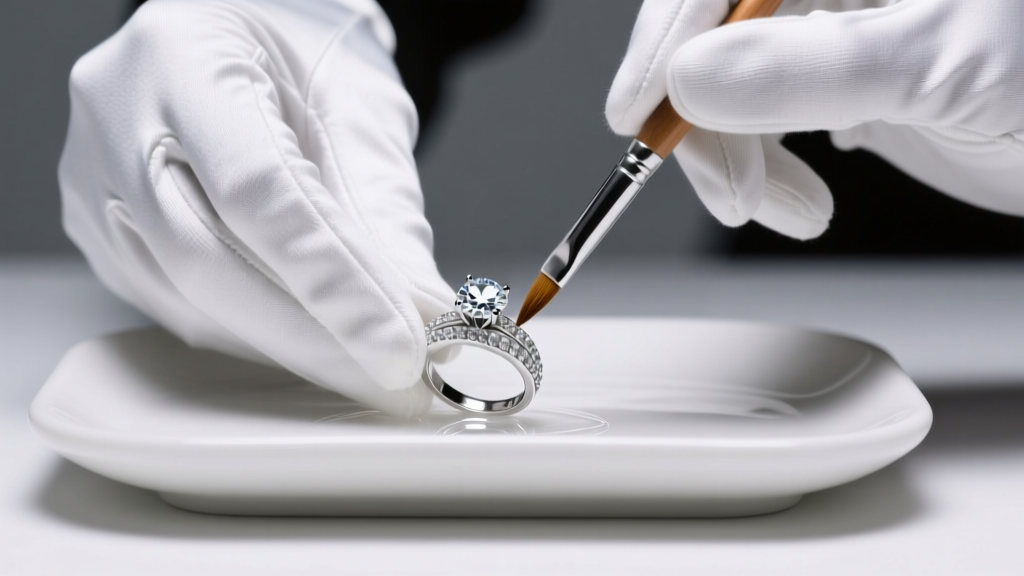
- Select the Right Solvent: Use 91% or 99% Isopropyl Alcohol. Avoid 70% to prevent water-spotting.
- Prepare the Workspace: Place a white ceramic or glass tray on your counter. Never clean jewelry directly over an open sink drain.
- Apply the Alcohol: Do not soak the jewelry. Instead, dip a soft-bristled baby toothbrush or a lint-free cotton swab into the IPA.
- Gentle Agitation: Gently brush the pavilion (underside) of the gemstones where sebum and dead skin accumulate. Use light, circular motions on the metal shank.
- Evaporation and Buffing: Allow the alcohol to air-dry for 10 seconds. Follow up by buffing the metal with a clean, untreated jeweler's microfiber cloth to restore the high-polish finish.
Better Alternatives to Alcohol for Delicate Jewelry
For the 60% of your jewelry box that cannot tolerate solvents, you need a pH-neutral, non-abrasive cleaning method.
- The Dish Soap Soak: Mix 3 drops of mild, phosphate-free dish soap (like Dawn) into a bowl of lukewarm distilled water. Soak for 10 minutes, brush gently, and rinse with distilled water. This is safe for almost all metals and gemstones, including emeralds and turquoise.
- Ultrasonic Cleaners: High-frequency sound waves (40-45 kHz) create cavitation bubbles that blast dirt from prongs. Warning: Only use ultrasonics for diamonds, sapphires, and rubies set in solid gold or platinum. Never use them for emeralds, opals, pearls, or plated metals.
- Steam Cleaners: Professional jewelry steamers use pressurized 212°F steam to blow out debris. Like ultrasonics, this is strictly for hard, non-porous stones and solid, unplated metals.
Final Verdict & Maintenance Tips
So, can you clean jewelry with alcohol? Yes, but strictly as a targeted degreaser for hard, non-porous gemstones (diamonds, sapphires, rubies) and solid, unplated precious metals (platinum, solid gold, titanium). It is a highly effective tool for restoring brilliance to a diamond engagement ring caked in hand lotion, provided you use 91%+ concentration and a soft brush.
However, it must be permanently banned from your cleaning routine for pearls, opals, emeralds, turquoise, and any gold-plated or vermeil items. When in doubt regarding a gemstone's porosity or treatment history, default to a mild soap and distilled water solution, or consult a certified gemologist. Proper chemical matching is the cornerstone of heirloom jewelry preservation.


