How Do You Clean Cheap Jewelry? 2026 Trend Analysis
Discover how do you clean cheap jewelry safely. We analyze 2026 fast-fashion plating trends and debunk viral hacks to save your pieces.

The 2026 Fast-Fashion Metallurgy Shift
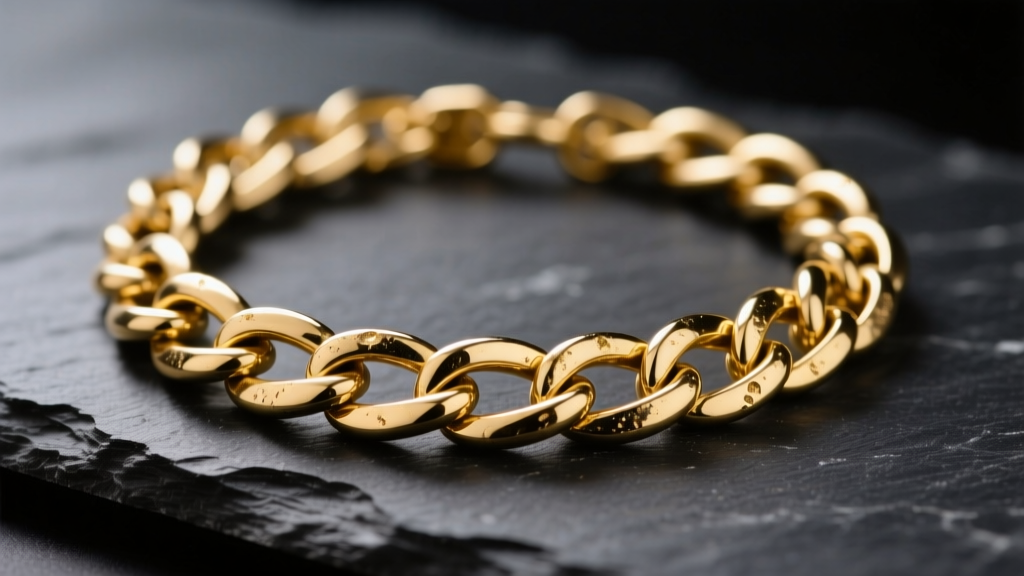
The landscape of affordable accessories has drastically evolved. If you are wondering how do you clean cheap jewelry without ruining it, you first need to understand what modern "cheap" jewelry actually is. In 2026, the fast-fashion and direct-to-consumer jewelry markets have largely moved away from heavy, solid brass castings. Instead, trend-driven brands now rely on ultra-lightweight Zamak (a zinc, aluminum, magnesium, and copper alloy), 3D-printed resins, and 316L stainless steel bases.
To achieve the "demi-fine" look at a fraction of the cost, manufacturers apply either ultra-thin flash plating (often just 0.1 to 0.3 microns of gold or rhodium) or a clear anti-tarnish e-coat (electrophoretic lacquer). Some higher-tier affordable brands have adopted PVD (Physical Vapor Deposition) coatings, which bond titanium nitride to stainless steel at a molecular level. Each of these material combinations reacts entirely differently to moisture, friction, and cleaning agents. What worked for your grandmother's heavy brass costume jewelry will instantly strip the nanoceramic coatings off your 2026 viral TikTok haul.
Why Viral Cleaning Hacks Are Destroying Your Pieces
Before we establish a safe framework, we must address the catastrophic damage caused by social media cleaning trends. When users ask online how do you clean cheap jewelry, they are frequently met with DIY pantry hacks that are chemically hostile to modern alloys.
- The Baking Soda & Aluminum Foil Bath: This creates an electrolytic galvanic cell. While it safely removes tarnish from solid sterling silver, introducing an electrical charge to a flash-plated Zamak ring will literally pull the 0.1-micron gold layer off the base metal in seconds.
- Toothpaste Scrubbing: Toothpaste contains hydrated silica, an abrasive with a Mohs hardness of around 7. Modern PVD coatings and acrylic e-coats have a Mohs hardness of 3 to 5. Scrubbing with toothpaste creates micro-scratches that trap sebum and accelerate oxidation.
- Ketchup or Vinegar Soaks: The acetic and citric acids in these solutions will aggressively eat through zinc-based alloys. If the clear coat on your fashion jewelry has even a microscopic pinhole, the acid will penetrate and cause the zinc to bubble and flake—a failure mode known as "white rot."
According to the Gemological Institute of America (GIA), porous and plated materials require strictly pH-neutral, non-abrasive care to maintain their structural and visual integrity.
The Definitive Framework: How Do You Clean Cheap Jewelry Safely?
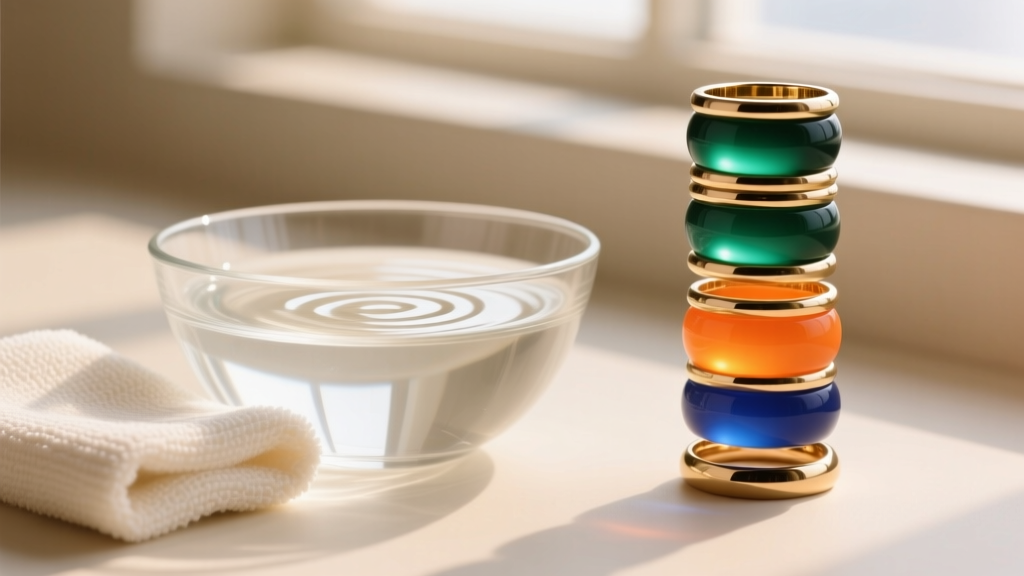
To safely maintain affordable, trend-driven pieces, you must treat them as delicate, multi-layered composites. The goal is to remove human sebum, cosmetic residues, and environmental dust without compromising the anti-tarnish topcoat or the microscopic plating layer beneath it.
Step 1: The Non-Ionic Surfactant Wash
Avoid standard dish soaps, which often contain harsh degreasers and sodium lauryl sulfate (SLS) that can cloud resin stones and degrade e-coats. Instead, use a few drops of pH-balanced baby shampoo (which relies on mild, non-ionic surfactants like decyl glucoside) mixed with lukewarm distilled water. Distilled water is critical; tap water contains calcium and magnesium that leave hard water spots, which are nearly impossible to wipe off without friction.
Step 2: The Agitation Technique
Never rub plated jewelry with a brush. Submerge the piece in your solution for exactly 60 seconds. Use a soft, lint-free microfiber cloth to gently press against the jewelry, allowing the cloth's microscopic fibers to lift the oils. For intricate chain links, use a can of compressed air to blow the soapy water out of the crevices rather than using cotton swabs, which can snag and pull thin flash plating.
Step 3: The Pat-Dry and Storage
Moisture is the catalyst for galvanic corrosion. After rinsing briefly in distilled water, sandwich the jewelry between two dry microfiber towels and press gently. Store the piece in an airtight ziplock bag with a silica gel desiccant packet to maintain a humidity-free microenvironment.
Material-Specific Failure Modes & Prevention
Understanding the base metal and finish of your affordable jewelry is the key to longevity. The Federal Trade Commission (FTC) provides strict guidelines on how metal coatings are labeled, but fast-fashion brands often use ambiguous terms like "gold-tone" or "dipped." Use the table below to identify your jewelry's likely composition and its specific vulnerabilities.
| Base Material | Plating / Finish | Primary Vulnerability | Approved Cleaning Agent |
|---|---|---|---|
| Zamak (Zinc Alloy) | Flash Gold / E-Coat | Acidic strippers, friction, sweat | pH-neutral baby shampoo |
| 316L Stainless Steel | PVD (Titanium Nitride) | Hard water calcium spots | Distilled water & microfiber |
| Brass (Cu/Zn) | Lacquer / Anti-Tarnish | Alcohol, ammonia, UV exposure | Damp microfiber wipe only |
| Acrylic / Resin | None (Solid Color) | Solvents, acetone, essential oils | Mild soap, no soaking |
Recognizing Irreversible Galvanic Corrosion
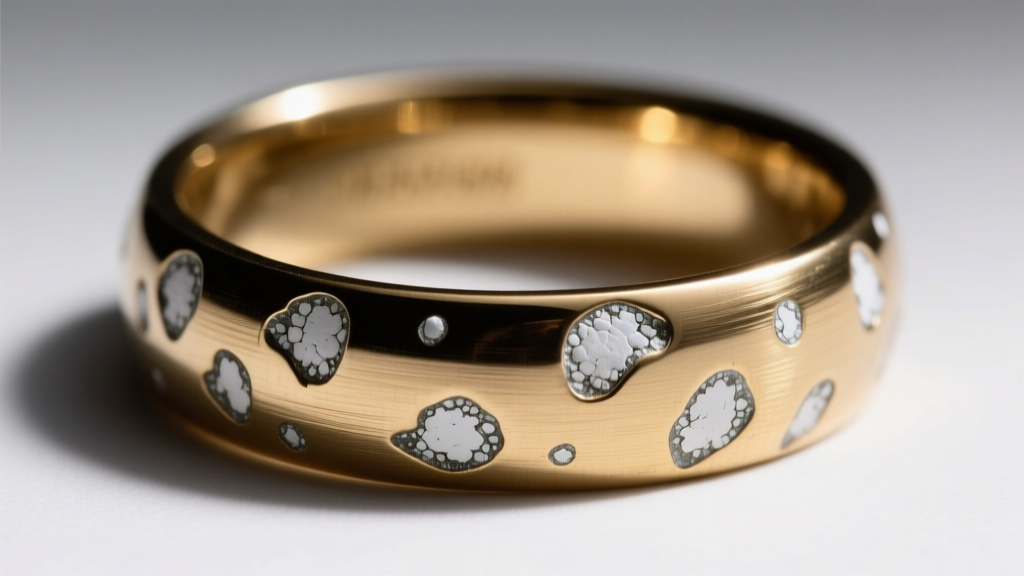
Sometimes, the answer to how do you clean cheap jewelry is that you simply cannot. When the protective clear coat wears away from the inside of a ring or the clasp of a necklace, the base metal is exposed to the electrolytes in human sweat (lactic acid, urea, and sodium chloride).
If you notice a chalky white powder forming on the inner band of a ring, this is zinc oxide—the base metal is actively corroding. If you see a vibrant green crust, that is copper chloride, indicating a brass base is breaking down. No amount of cleaning will reverse this chemical reaction. In these cases, the piece has reached the end of its lifecycle. Attempting to scrub away the oxidation will only expose fresh, raw metal to the air, accelerating the decay process. The most sustainable practice is to recycle the metal components and replace the piece.
Final Thoughts on Sustainable Fast-Fashion Care
The trend cycle of 2026 moves faster than ever, but extending the life of your affordable jewelry is both an economic and environmental win. By abandoning abrasive pantry hacks and adopting a chemistry-aware, gentle cleaning routine, you can keep your flash-plated and PVD-coated favorites looking like demi-fine staples for years. Treat your jewelry with the same chemical respect you would give to fine silks or delicate skincare, and it will reward you with lasting brilliance.


