How to Clean Costume Jewelry at Home Without Ruining Plating
Learn how to clean costume jewelry at home safely. Discover step-by-step methods to restore plated metals and rhinestones without damaging foil or glue.

The Anatomy of Costume Jewelry: Why Standard Cleaning Fails
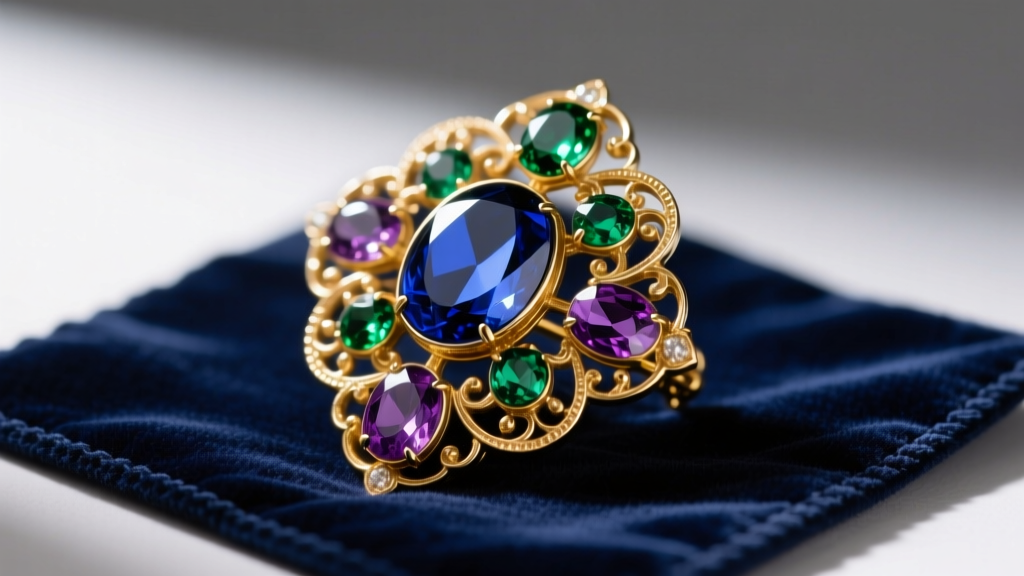
When learning how to clean costume jewelry at home, the first step is understanding what you are actually handling. Unlike fine jewelry, which is crafted from solid precious metals and durable gemstones, costume jewelry relies on a delicate architecture of base metals, thin electroplating, and specialized adhesives.
Most vintage and modern fashion pieces are made from brass, pewter, or pot metal, which are then electroplated with a microscopically thin layer of gold, silver, or rhodium. This plating is often less than 0.5 microns thick. Standard jewelry cleaning methods—such as ultrasonic baths, abrasive polishing cloths, or harsh chemical dips—will strip this plating in seconds, exposing the reactive base metal underneath.
Furthermore, the "gemstones" in costume jewelry are typically glass, acrylic, or resin. Many vintage glass rhinestones feature a delicate metallic foil backing to create their signature sparkle. If water seeps behind the stone, this foil oxidizes, turns black, and permanently ruins the stone's brilliance. According to conservation guidelines from the Gemological Institute of America (GIA), porous and treated materials require strictly controlled, low-moisture cleaning environments.
Vintage plastics like Bakelite and Lucite require entirely different protocols. Bakelite can develop a white, powdery oxidation layer called "bloom" when exposed to alkaline environments, while Lucite is highly susceptible to micro-scratching. Never use paper towels on Lucite, as the wood pulp will leave permanent swirl marks.
Essential Supplies for Safe At-Home Cleaning
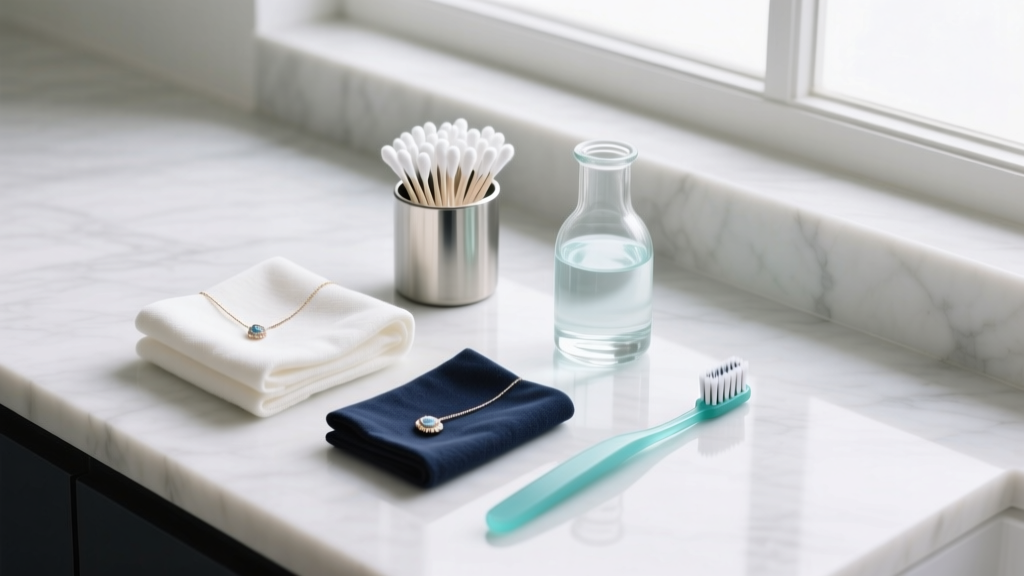
To safely restore your pieces without causing micro-abrasions or chemical burns to the plating, you need to assemble a specialized, gentle toolkit. Throw away the commercial silver dips and treated polishing pads.
- Lint-Free Microfiber Cloths: Essential for dry buffing without leaving fibers trapped in prongs.
- Distilled Water: Tap water contains chlorine and trace minerals that can leave permanent water spots on glass and react with base metals.
- pH-Neutral Baby Shampoo: A mild, non-enzymatic cleaner that cuts through skin oils without degrading water-soluble glues.
- Cotton Swabs and Bamboo Skewers: For precision cleaning around glued settings and foiled backs.
- Soft Baby Toothbrush: Only to be used on non-porous, unfoiled glass or bare metal chains, never on plated surfaces.
What to Avoid at All Costs
Never use baking soda, toothpaste, or lemon juice. These are highly abrasive or acidic and will instantly cloud acrylic stones and strip gold wash. Avoid isopropyl alcohol on vintage pieces, as it can melt older celluloid plastics and dissolve the shellac-based adhesives used in mid-century manufacturing.
Step-by-Step: How to Clean Costume Jewelry at Home
Follow these targeted methods based on the specific materials and condition of your jewelry. Always test a small, inconspicuous area first.
Method 1: The Dry Buff (For Light Dust and Oils)
For pieces that are simply dull from daily wear, avoid liquids entirely. Take a clean, dry microfiber cloth and gently buff the metal surfaces using small, circular motions. This lifts sebum and cosmetic residue without risking the structural integrity of glued stones. For intricate filigree, use a clean, dry makeup brush to sweep dust out of the crevices.
Method 2: The Damp Wipe (For Grime and Makeup)
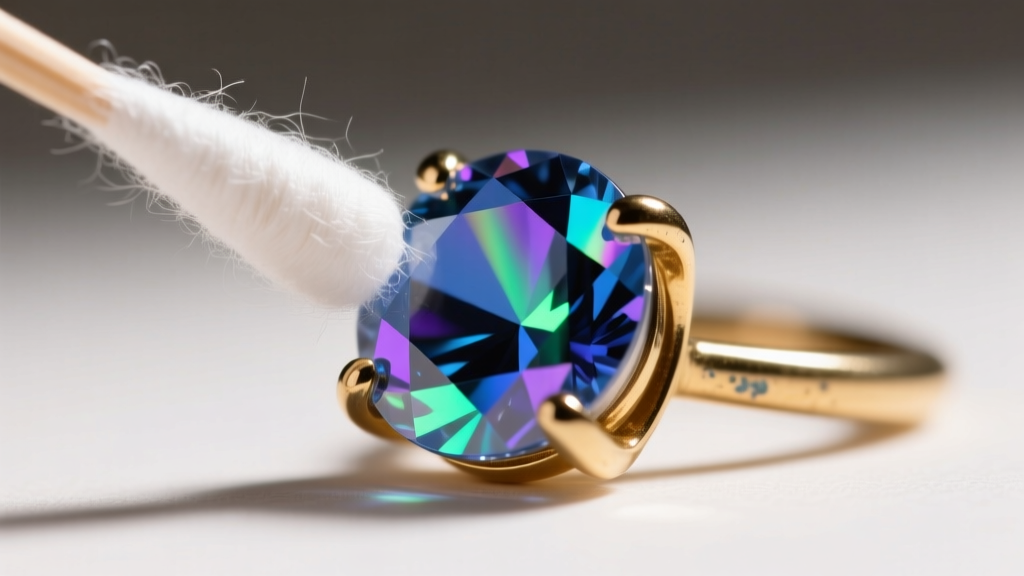
If the piece has heavy buildup, you need a mild surfactant. Mix one drop of pH-neutral baby shampoo into a half-cup of distilled water. Dip a cotton swab into the solution and squeeze it out until it is barely damp—not dripping. Gently roll the swab over the metal and the tops of unfoiled glass stones. Immediately follow with a dry cotton swab to absorb any residual moisture. Never submerge the piece.
Method 3: The Foil-Backed Rhinestone Rescue
Moisture is the enemy of foil-backed stones. To clean these, use a dry bamboo skewer to gently scrape away hardened grime from the metal prongs holding the stone. Then, take a dry microfiber cloth and lightly polish the top facet of the glass. If the stone is severely clouded from the inside, the foil has likely oxidized; cleaning the surface will not restore it, and the stone must be professionally replaced by a jeweler specializing in vintage restoration.
Troubleshooting Common Costume Jewelry Issues
Even with meticulous care, costume jewelry is prone to specific chemical reactions due to its material composition. Use this diagnostic table to identify and address common problems.
| Issue | Root Cause | At-Home Solution |
|---|---|---|
| Green Skin Staining | Copper in the base metal alloy reacting with the acidity and salts in human sweat. | Clean the piece with a damp cloth and dry thoroughly. Apply a thin coat of clear, non-yellowing nail polish or a specialized jewelry barrier spray to the inside of the band to create a moisture seal. |
| Blackening / Dark Spots | Tarnish on the base metal showing through microscopic cracks in the thin electroplating. | Do not polish, as this will remove more plating. Wipe gently with a dry cloth. For severe cases, consult a professional for re-plating (rhodium or gold flash). |
| Cloudy / Dead Stones | Moisture trapped between the glass and the metallic foil backing, causing oxidation. | Unfortunately, this is irreversible at home. The stone must be unglued, the foil replaced, and re-seated by a professional conservator. |
| Loose or Rattling Stones | Degradation of water-soluble or age-brittled adhesives (e.g., hide glue or early epoxies). | Stop wearing the piece immediately. Use a toothpick to apply a microscopic drop of flexible jeweler's cement (like E6000) to the edge of the setting. Allow 24 hours to cure. Avoid cyanoacrylate (Super Glue), which dries brittle and shatters under thermal expansion. |
Storage and Prevention Tips for Longevity
Knowing how to clean costume jewelry at home is only half the battle; proper storage dictates its lifespan. The Metropolitan Museum of Art's Costume Institute emphasizes that environmental control is paramount for preserving mixed-media fashion artifacts.
"Costume jewelry should never be stored in humid environments like bathrooms, nor should it be kept in direct sunlight, which can fade dyed resin stones and degrade early plastics."
Store your pieces individually in acid-free tissue paper or zip-top polyethylene bags with anti-tarnish strips. Keep them in a cool, dark drawer. By combining these preventive storage habits with the gentle, moisture-controlled cleaning methods outlined above, you can preserve the brilliance and structural integrity of your favorite costume pieces for decades to come.


