How to Remove Tarnish from Costume Jewelry: Expert Guide
Learn how to remove tarnish from costume jewelry without damaging delicate plating or glued gemstones using safe, expert-approved DIY methods.

The Science of Costume Jewelry Tarnish
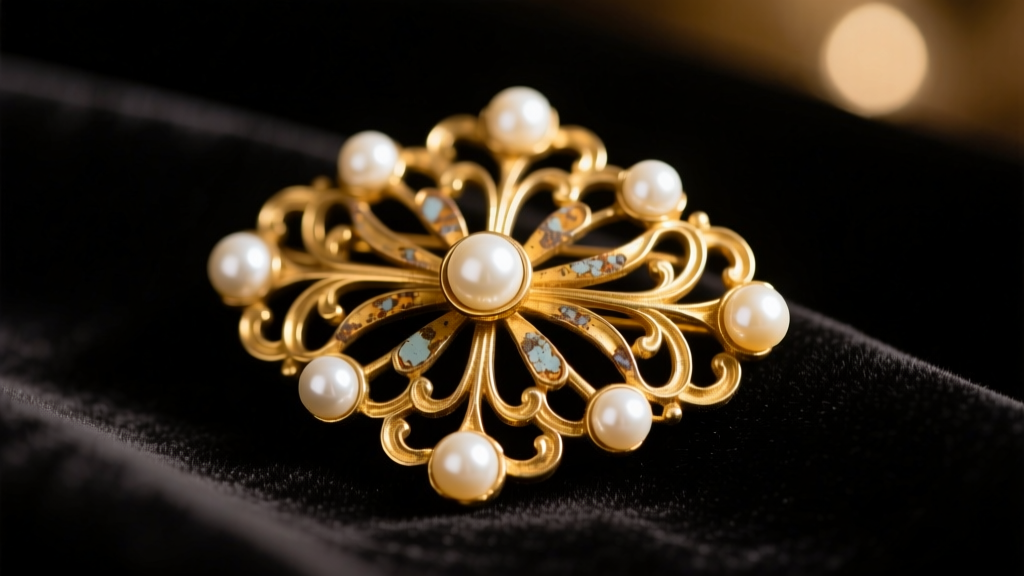
Costume jewelry offers incredible aesthetic versatility, allowing you to experiment with bold designs without the investment required for fine jewelry. However, this accessibility comes with a notorious Achilles' heel: rapid tarnishing. To understand how to remove tarnish from costume jewelry safely, you must first understand its anatomy. Unlike solid 14k gold or platinum, costume pieces are typically crafted from reactive base metals—such as brass, copper, pewter, or zinc alloys—and then electroplated with a microscopically thin layer of gold, silver, or rhodium.
According to materials science principles documented on ScienceDirect, electroplating on mass-produced jewelry is inherently porous. 'Flash plating,' the industry standard for affordable costume jewelry, often measures less than 0.175 microns thick. Over time, microscopic friction, skin oils, and environmental humidity penetrate these pores. When the underlying copper or brass base metal is exposed to sulfur and oxygen in the air, it triggers an oxidation reaction, resulting in the black, green, or rusty-red tarnish that bleeds through to the surface.
What NOT to Do: Common Mistakes That Ruin Plating
Before diving into the correct methodology, it is critical to address the destructive 'hacks' that dominate social media. The Gemological Institute of America (GIA) consistently warns against using abrasive or highly reactive chemical baths on plated jewelry.
The Baking Soda and Aluminum Foil Myth
You have likely seen the viral trick involving boiling water, baking soda, salt, and aluminum foil. While this ion-exchange (galvanic) reaction is highly effective for removing silver sulfide from solid sterling silver, it is catastrophic for costume jewelry. The galvanic cell created by the foil and salt will literally strip the thin gold or silver electroplating off the brass base, leaving you with a dull, irreparably damaged piece.
Ultrasonic Cleaners and Glued Settings
Ultrasonic cleaners operate at high frequencies (typically 20-40 kHz) to create cavitation bubbles that blast away dirt. However, 90% of costume jewelry gemstones—including aurora borealis rhinestones, faux pearls, and glass cabochons—are secured with epoxy or cyanoacrylate glues rather than metal prongs. The ultrasonic vibrations will shatter the adhesive bond, causing stones to fall out. Furthermore, the heat generated by the machine can melt the delicate foil backing on vintage rhinestones, turning them permanently black.
Step-by-Step: How to Remove Tarnish from Costume Jewelry
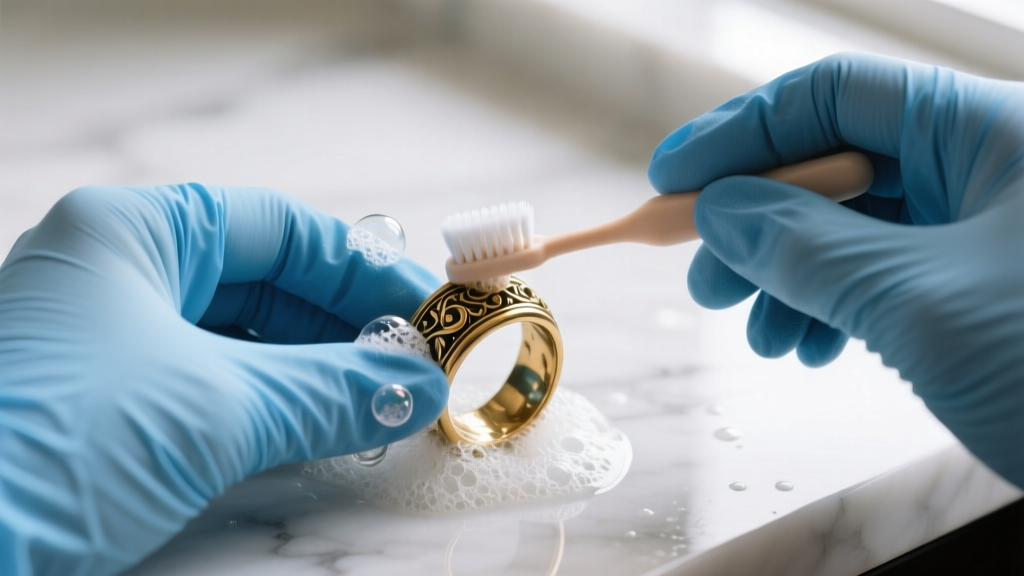
To safely lift oxidation without compromising the plating or adhesive, we rely on mechanical agitation combined with pH-neutral surfactants and targeted, mild acids. Gather your supplies: distilled water, pH-neutral dish soap (such as Dawn Free & Clear, which lacks citric acid or dyes), an ultra-soft pediatric toothbrush (bristle diameter of 0.1mm or less), and lint-free microfiber cloths.
Method 1: The Mild Surfactant Soak (For Light Oxidation and Grime)
This method is your first line of defense for general dullness and surface-level tarnish caused by skin oils and lotions.
- Mix the Solution: In a glass bowl, combine one cup of lukewarm distilled water (tap water contains chlorine and hard minerals that can cause spotting) with three drops of pH-neutral dish soap.
- The Brief Soak: Submerge the jewelry for exactly 3 to 5 minutes. Do not exceed this time, as prolonged water exposure can weaken glue.
- Micro-Agitation: Using the ultra-soft pediatric toothbrush, gently brush the crevices. Use a 'sweeping' motion rather than aggressive scrubbing to avoid scratching the soft gold plating.
- The Rinse and Dry: Rinse quickly under a gentle stream of distilled water. Immediately pat dry with a microfiber cloth, then use a hairdryer on the cool setting to blow water out of tiny crevices. Air-drying will leave hard water spots.
Method 2: The White Vinegar Spot Treatment (For Stubborn Copper Bleed)
If the jewelry has developed a green or black crust (copper sulfide or zinc oxide) where the plating has worn thin, you need a mild acid to dissolve the oxidation.
- Isolate the Area: Dip a cotton swab (Q-tip) into standard white household vinegar (5% acetic acid).
- Targeted Application: Roll the damp swab strictly over the tarnished crevices. Avoid rubbing the vinegar over the intact plating, as prolonged acid exposure can dull the finish.
- Neutralize: After 60 seconds, dip a fresh swab in a baking soda and water paste to neutralize the acid, then wipe clean with a damp cloth.
- Buff: Buff the area dry with a clean microfiber cloth.
Material-Specific Tarnish Removal Chart
Different base metals and plating combinations react differently to cleaning agents. Use this diagnostic chart to tailor your approach based on the visual cues your jewelry is presenting.
| Base Metal | Plating Type | Tarnish Color | Safe Cleaning Agent | Agent to Strictly Avoid |
|---|---|---|---|---|
| Brass | Gold Flash | Green / Black | Dilute White Vinegar (Spot) | Baking Soda / Ammonia |
| Copper | Silver Tone | Dark Brown / Red | Lemon Juice & Salt (Spot) | Silver Dip Chemicals |
| Zinc Alloy | Rhodium | White Powdery | Mild Dish Soap Soak | Any Acids / Ultrasonic |
| Pewter | Unplated | Dull Grey | Specialized Pewter Polish | Silver Polishing Cloths |
Protecting Glued Settings and Rhinestones
When learning how to remove tarnish from costume jewelry, navigating around glued settings is the most delicate part of the process. Vintage pieces from the 1920s through the 1960s frequently feature 'foil-backed' rhinestones. A thin layer of metallic foil is glued to the back of the glass to simulate the light return of a diamond.
If water or liquid cleaners seep under the prongs, the foil will oxidize and turn black, effectively killing the stone's sparkle. Never submerge foil-backed jewelry. Instead, use a dry, soft-bristled makeup brush to dust away dirt. For tarnish on the metal prongs surrounding the stone, use a wooden toothpick to gently scrape away the oxidation, or apply a microscopic amount of Renaissance Wax with a cotton swab, carefully avoiding the glass. According to the Federal Trade Commission (FTC) Jewelry Guides, proper disclosure and care of composite and glued materials are essential for maintaining the structural integrity of non-fine jewelry.
Long-Term Anti-Tarnish Storage Solutions
Once you have successfully removed the tarnish, the goal shifts to prevention. Because you cannot stop the base metal from wanting to react with the environment, you must control the environment itself.
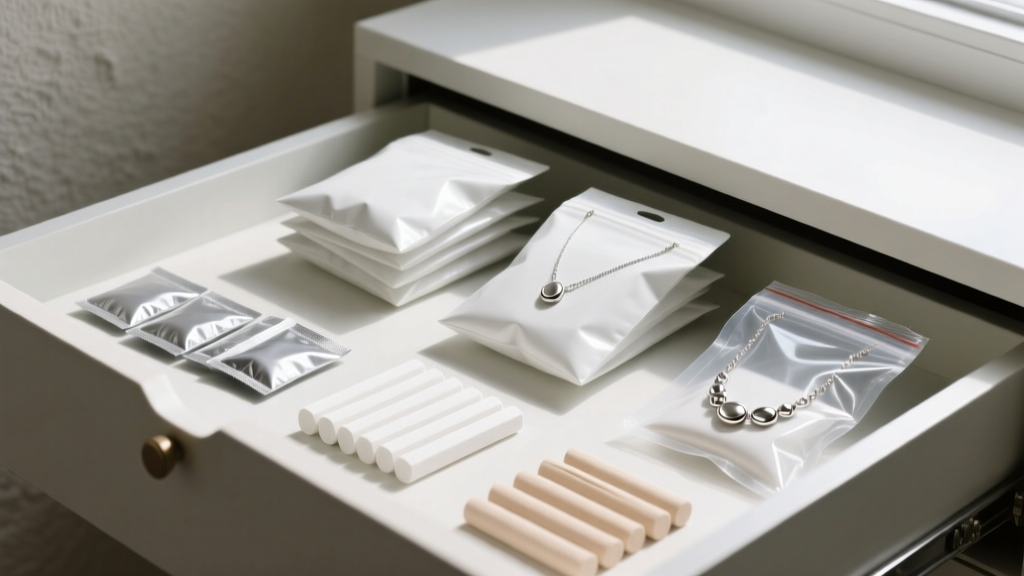
- 3M Anti-Tarnish Strips: These small paper strips absorb airborne sulfides and chlorides before they can reach your jewelry. Place one strip in every jewelry box or drawer; they remain active for about 6 months.
- Pacific Silvercloth: For high-end costume pieces, wrap them in Pacific Silvercloth. This fabric is embedded with thousands of microscopic silver particles that act as a sacrificial anode, tarnishing themselves so your jewelry does not.
- Silica Gel Desiccants: Moisture is the catalyst for oxidation. Toss a few food-grade silica gel packets into your airtight jewelry storage bins to keep the relative humidity below 40%.
- Protective Coatings: For base-metal pieces that lack plating, apply a thin coat of a jewelry-specific polymer sealant like ProtectaClear. This creates an invisible, skin-safe barrier that prevents oxygen from reaching the metal entirely.
Conclusion
Mastering how to remove tarnish from costume jewelry is less about aggressive chemical stripping and more about gentle, targeted maintenance. By avoiding destructive internet hacks, utilizing pH-neutral surfactants, and respecting the fragility of glued settings and micro-plating, you can extend the lifespan of your favorite pieces by decades. Treat your costume jewelry with the same diagnostic care you would afford fine jewelry, and it will continue to elevate your style for years to come.