How to Clean Fashion Jewelry at Home: 2026 Buyer Guide
Discover the best tools and kits on how to clean fashion jewelry at home. Our 2026 buyer guide covers safe solutions for plated metals and simulants.

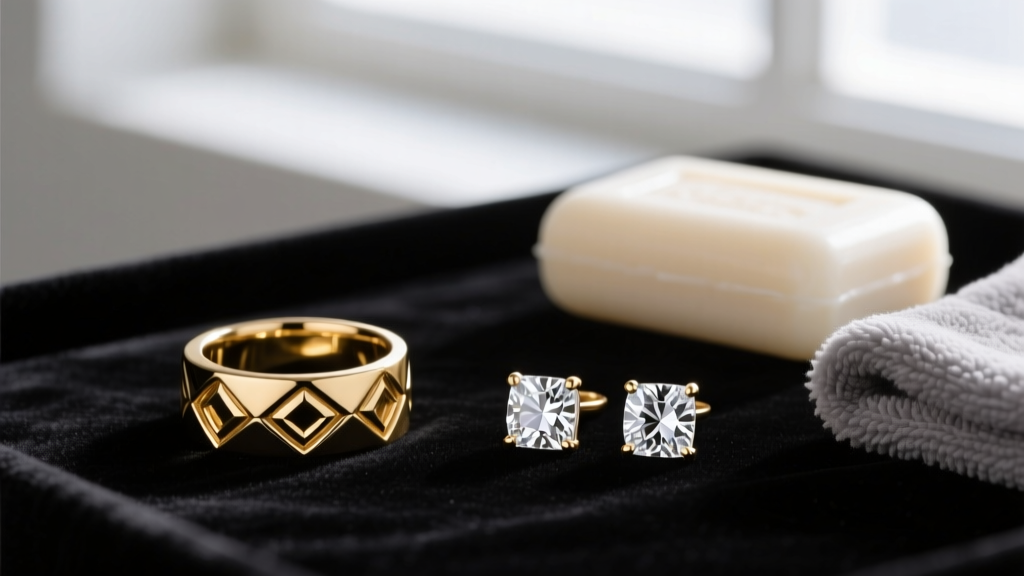
The Material Science of Fashion Jewelry: Why Standard Kits Fail
When researching how to clean fashion jewelry at home, most consumers make the critical mistake of purchasing generic cleaning kits designed for solid fine jewelry. Fashion jewelry—typically crafted from base metals like brass, cupronickel, or Zamak (a zinc alloy) and finished with thin layers of gold, silver, or rhodium—requires a fundamentally different approach. According to the Federal Trade Commission (FTC), standard gold flash plating can be as thin as 0.1 to 0.5 microns. To put that in perspective, a human hair is roughly 70 microns thick.
Standard commercial jewelry dips often contain ammonia, thiourea, or harsh surfactants that strip this microscopic plating on contact, exposing the reactive base metal underneath and causing rapid, irreversible tarnishing. Furthermore, fashion jewelry frequently utilizes simulants like cubic zirconia (CZ), glass, or acrylic resins, which are often secured with water-soluble adhesives rather than prong settings. Learning what not to buy is just as important as knowing what to invest in. This 2026 buyer guide breaks down the exact tools, solutions, and materials you need to safely maintain your fashion pieces without destroying their finishes.
Essential Tools: What to Look For in a Safe Kit
To build a safe, effective cleaning arsenal for plated and simulated jewelry, you must prioritize gentleness and chemical neutrality. Here are the specific items you should look for when shopping for cleaning supplies.
1. Untreated Split-Fiber Microfiber Cloths (300+ GSM)
Avoid traditional 'rouge' or treated polishing cloths (such as the popular Sunshine cloths) at all costs. These cloths are impregnated with micro-abrasives and chemical tarnish removers designed to strip oxidation off solid sterling silver. When used on fashion jewelry, these abrasives act like liquid sandpaper, stripping away the 0.3-micron gold or rhodium flash plating in seconds. Instead, purchase untreated, split-fiber microfiber cloths with a density of at least 300 GSM (Grams per Square Meter). The split fibers create microscopic hooks that trap dust, oils, and dead skin cells without the need for chemical solvents or abrasive friction.
2. pH-Neutral Surfactants
Ammonia is the enemy of fashion jewelry. It causes copper alloys to oxidize rapidly and can cloud porous simulants. When selecting a liquid cleaning agent, look for pH-neutral, ammonia-free surfactants. A high-quality, fragrance-free dish soap (like Dawn Free & Clear) or a dedicated enzymatic jewelry cleaner formulated specifically for 'plated metals' is ideal. These solutions break down sebum and cosmetic buildup without attacking the metallic bonds of the plating.
3. Flagged-End Nylon Bristle Brushes
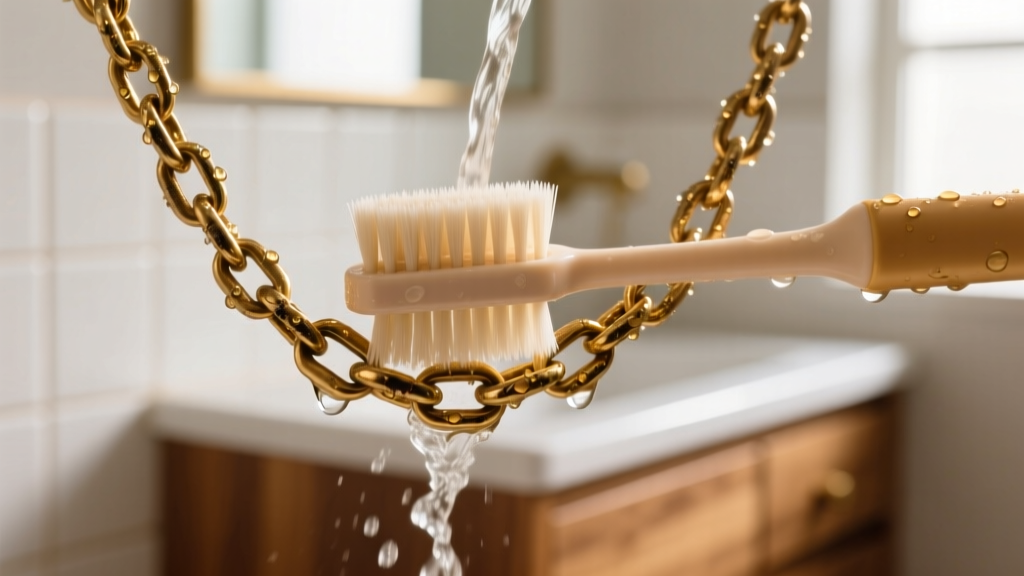
Standard toothbrushes are too stiff and will leave micro-scratches on acrylic, resin, and soft glass stones. You need a brush with flagged-end nylon bristles. 'Flagged' means the very tips of the bristles are split, creating a soft, sponge-like effect that sweeps debris out of intricate settings without scratching the surface. Baby toothbrushes or specialized extra-soft detailing brushes are the most cost-effective options for this requirement.
The 'Do Not Buy' List: Tools That Destroy Plating
The market is flooded with high-tech cleaning gadgets that are perfectly safe for solid 14k gold but catastrophic for fashion jewelry. Save your money and avoid these three categories entirely:
- Ultrasonic Cleaners (40kHz+): While excellent for solid diamonds and platinum, ultrasonic waves create cavitation bubbles that implode against the jewelry. On soft zinc alloys and thin flash plating, this microscopic pitting will delaminate the gold or silver finish, causing it to flake off in sheets.
- Silver Dip Solutions (Thiourea-based): These instant-dip liquids rely on strong acids and thiourea to strip silver sulfide (tarnish). They will permanently discolor rhodium plating and leave a dull, chalky residue on brass and copper bases.
- Steam Cleaners: High-temperature steam causes thermal shock. This will instantly shatter glued-in glass or CZ stones and melt the delicate resins and epoxies used to secure fashion jewelry components.
Comparison Chart: Safe vs. Unsafe Cleaning Agents for 2026
Use this quick-reference table to evaluate the cleaning solutions currently on the market before making a purchase.
| Cleaning Agent Type | Active Ingredients | Safe for Flash Plating? | Safe for CZ / Glass? | Verdict |
|---|---|---|---|---|
| Ammonia-Based Dips | Ammonium hydroxide, alcohols | No (Strips finish) | No (Causes clouding) | Avoid |
| Abrasive Polishing Pastes | Silica, alumina, waxes | No (Scratches plating) | No (Scratches stones) | Avoid |
| Thiourea Silver Dips | Thiourea, hydrochloric acid | No (Causes pitting) | No (Degrades adhesives) | Avoid |
| pH-Neutral Surfactants | Mild non-ionic surfactants | Yes | Yes | Buy |
| Enzymatic Cleaners | Protease, lipase enzymes | Yes | Yes | Buy |
Step-by-Step: Using Your Safe Kit Safely
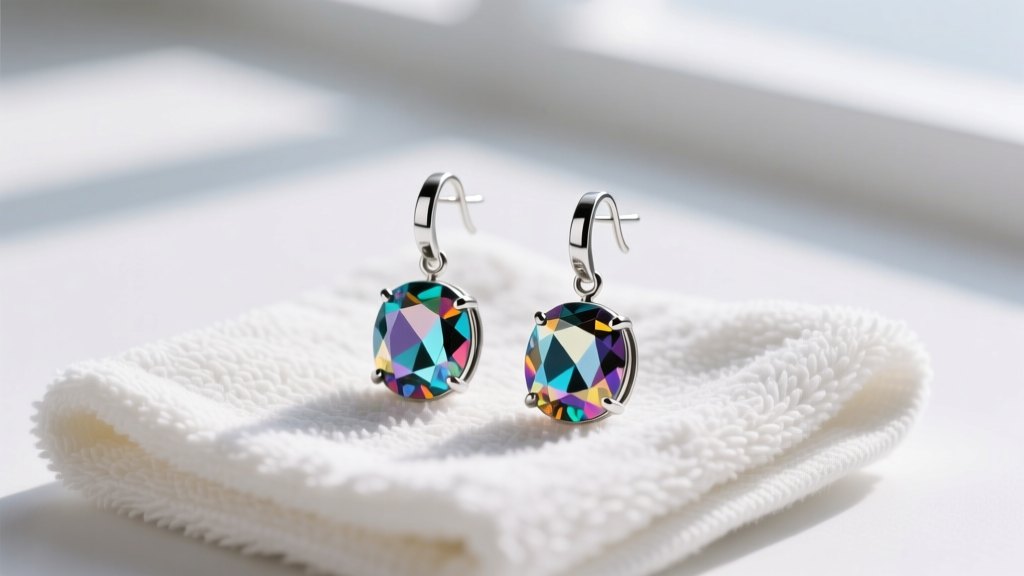
Once you have sourced the correct pH-neutral soap, flagged brush, and untreated microfiber cloth, follow this protocol recommended by gemological and material care experts, such as those at the Gemological Institute of America (GIA), to ensure the longevity of your simulants and platings.
- Prepare a Lukewarm Bath: Fill a glass bowl with lukewarm (never hot) distilled water. Add two drops of your pH-neutral surfactant. Distilled water is preferred because tap water contains chlorine and hard minerals that can leave water spots on high-polish rhodium finishes.
- Short Soak: Submerge the fashion jewelry for no more than 3 to 5 minutes. Prolonged exposure to water can weaken the adhesives holding pavé CZ stones in place.
- Gentle Agitation: Using your flagged-end brush, gently sweep the bristles across the metal and stones. Do not scrub in circles; use a sweeping motion to push debris out from under the settings.
- Rinse and Pat Dry: Rinse briefly under a gentle stream of distilled water. Immediately pat the piece dry with your 300+ GSM microfiber cloth. Never let fashion jewelry air dry, as water pooling in crevices will accelerate base-metal oxidation.
Expert Verdict & Final Sourcing Tips
The secret to mastering how to clean fashion jewelry at home lies in restraint. You do not need expensive, chemical-heavy kits marketed for 'instant shine.' In fact, those are the very products that will ruin your favorite pieces. By investing in high-quality, untreated microfiber cloths, ultra-soft flagged brushes, and simple pH-neutral surfactants, you can safely remove daily oils and cosmetic buildup while preserving the delicate flash plating and glued simulants that define fashion jewelry. When shopping in 2026, always read the ingredient labels on commercial dips—if ammonia, thiourea, or abrasives are listed, leave them on the shelf.


