Can You Clean Jewelry With Baking Powder? The 2026 Viral Trend
Influencers say to clean jewelry with baking powder, but is this 2026 viral hack safe? We break down the chemistry, risks, and better alternatives.

The 2026 "Pantry Hack" Trend: Baking Powder vs. Baking Soda
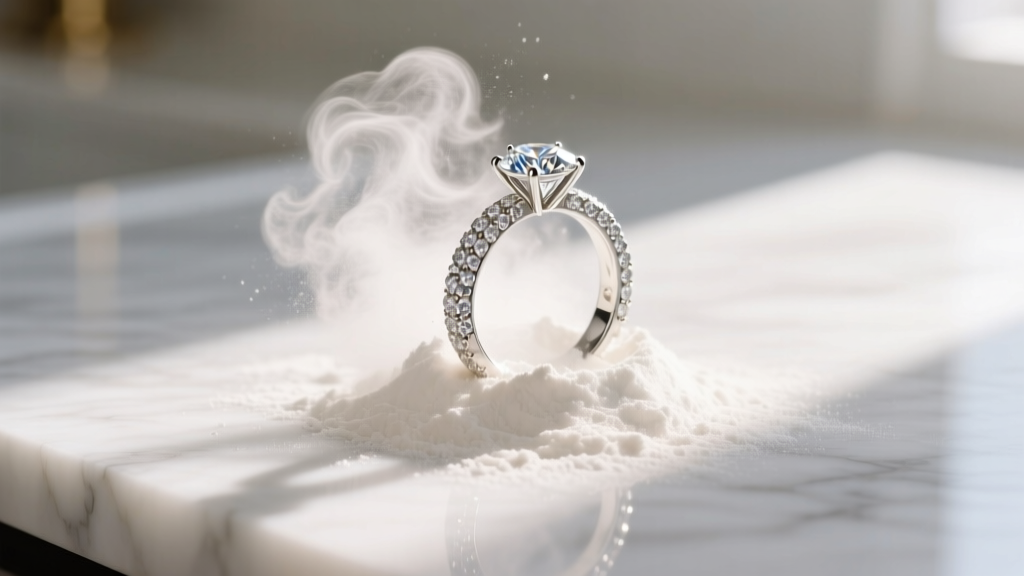
If you have scrolled through TikTok or Instagram Reels in early 2026, you have likely encountered the ASMR jewelry cleaning trend. Influencers are dropping dull, tarnished rings into bubbling mixtures of aluminum foil, hot water, and a white powder. However, a dangerous mistranslation has taken root in the comments and captions: creators are advising viewers to clean jewelry with baking powder instead of baking soda. While these two pantry staples look identical and share a similar name, their chemical compositions are vastly different. For fine jewelry collectors, vintage curators, and everyday wearers, confusing the two can lead to irreversible damage to precious metals and porous gemstones.
As jewelry stylists and gemological analysts, we track viral care trends to separate factual science from destructive internet fads. The urge to clean jewelry with baking powder stems from a fundamental misunderstanding of household chemistry. Before you dip your 18k gold signet ring or your grandmother's oxidized sterling silver locket into a baking powder bath, it is critical to understand the microscopic damage this viral trend can inflict.
The Chemistry Behind the Confusion
Baking soda is pure sodium bicarbonate (NaHCO3). It is a mild, non-toxic alkaline abrasive that, when mixed with water, can gently lift oils and neutralize acidic tarnish compounds on silver. Baking powder, on the other hand, is a complex leavening agent. It contains only about 30% sodium bicarbonate. The remaining 70% consists of weak acid salts (such as cream of tartar or sodium aluminum sulfate) and a moisture-absorbing buffer, usually cornstarch.
When you attempt to clean jewelry with baking powder, you are not just introducing a mild abrasive; you are introducing an acidic compound and a complex carbohydrate to your precious metals and gems. According to the Gemological Institute of America (GIA), exposing fine jewelry to unverified household acids and organic starches is a primary cause of accelerated prong degradation and surface etching.
Why Baking Powder is a Risky Choice for Fine Jewelry
The damage caused by this 2026 trend is not always immediate, which makes it particularly insidious. Jewelry might look clean immediately after a baking powder soak, but the long-term structural and aesthetic consequences are severe.
The Starch Residue Problem
Cornstarch is added to baking powder to keep the acid and base components dry and separated in the canister. When cornstarch meets warm water, it gelatinizes. This creates a microscopic, gummy paste that wedges itself deep into pavé settings, under bezel edges, and inside the intricate galleries of cast rings. Once this starch dries, it acts like a sponge, trapping ambient moisture and skin oils directly against the metal. In mixed-metal jewelry or pieces with copper alloys (like 14k rose gold), this trapped moisture accelerates galvanic corrosion, eventually weakening the prongs holding your diamonds in place.
Acidic Reactions with Alloys and Porous Gems
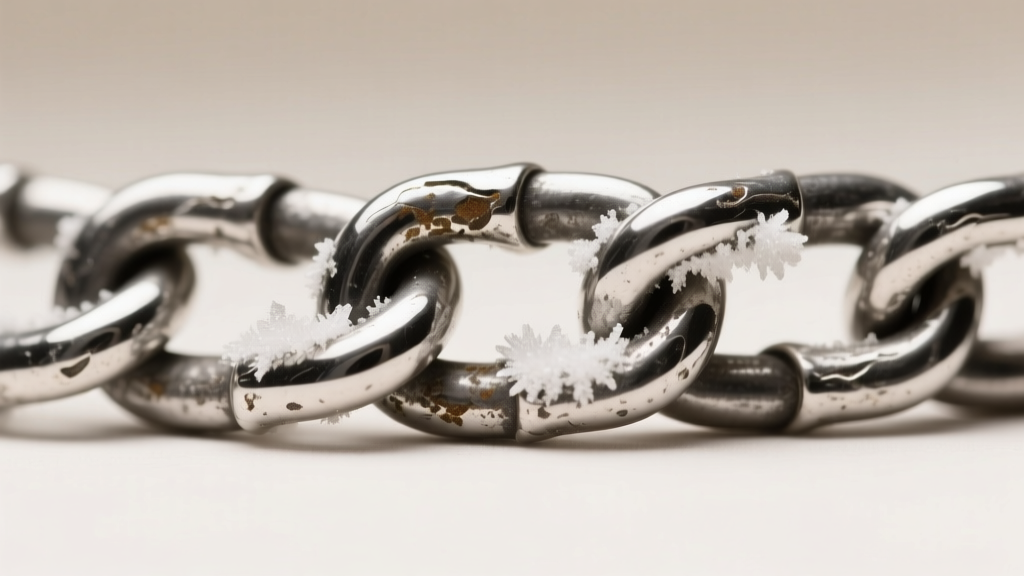
The acid salts in baking powder are activated by water. This mild acid is strong enough to strip the intentional oxidation (patina) from designer silver pieces, such as those by Stephen Webster or David Yurman, instantly ruining their contrast and value. Furthermore, organic and porous gemstones are highly susceptible to acid etching. Pearls, coral, turquoise, and malachite have low Mohs hardness ratings and calcium-based or porous structures that will literally dissolve or permanently dull when exposed to the acidic environment created by baking powder.
Material Vulnerability Chart: What Happens When You Use Baking Powder
Not all jewelry reacts the same way to household chemicals. Below is a gemological breakdown of how specific materials respond when you clean jewelry with baking powder.
| Material | Chemical Reaction to Baking Powder | Expert Verdict |
|---|---|---|
| 18k & 14k Yellow Gold | Starch traps moisture in crevices; mild acid dulls high-polish finishes over time. | Avoid |
| 14k Rose Gold | Copper alloy reacts with acid salts, leading to localized galvanic corrosion and pitting. | Never |
| 925 Sterling Silver (Oxidized) | Acid strips intentional black patina; starch leaves a white, chalky film in engravings. | Never |
| Platinum (950) | Metal is inert to acid, but starch paste destroys the light return of pavé diamonds. | Avoid |
| Pearls & Opals | Acid etches the nacre and silica structure, causing permanent clouding and crazing. | Never |
| Diamonds & Moissanite | Stones are chemically resistant, but starch residue ruins brilliance and traps grime. | Avoid |
Stylist Note: If you have already used baking powder on a diamond ring and notice a cloudy, grayish film under the stone, the starch has likely carbonized against your skin oils. This requires professional ultrasonic extraction to remove without bending the prongs.
The Correct DIY Protocol: If You Must Use Pantry Staples
If you are in a pinch and need to clean your jewelry at home, you must abandon the baking powder trend and return to the scientifically sound method using pure baking soda. However, even pure baking soda requires strict adherence to protocol to avoid micro-scratches on soft metals like 24k gold or high-purity silver.
The Baking Soda Alternative (Done Right)
- Use Distilled Water Only: Tap water contains chlorine, fluorides, and calcium carbonate. When mixed with baking soda, these minerals can leave hard water spots on platinum and gold. Always use distilled water.
- The Ratio: Mix one tablespoon of pure, aluminum-free baking soda with one cup of warm (not boiling) distilled water. Boiling water can cause thermal shock to fracture-filled diamonds or shatter emeralds.
- The Tool: Never use a standard toothbrush. The bristles are too stiff and will leave microscopic scratch patterns on 18k gold (which has a Mohs hardness of just 2.5 to 3). Use an extra-soft baby toothbrush with 0.1mm nylon bristles, or a dedicated jeweler's brass-bristle brush for heavy silver chains.
- The Rinse: Rinse thoroughly under a gentle stream of distilled water, ensuring no baking soda grit remains in the setting. Pat dry with a lint-free microfiber cloth—never air dry, as water spots will form.
When to Skip DIY and Seek Professional Ultrasonic Care
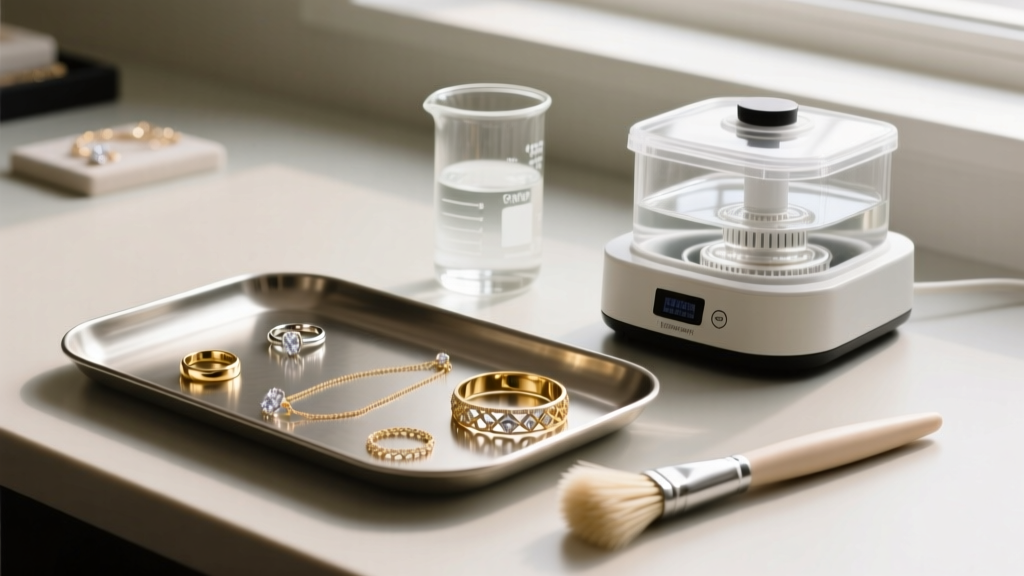
While the baking soda method is excellent for routine maintenance of diamond solitaires and plain gold bands, it cannot reach the microscopic grime trapped in vintage milgrain detailing or complex tension settings. In 2026, professional jewelers utilize industrial-grade ultrasonic cleaners operating at 42kHz to 45kHz frequencies. These machines create cavitation bubbles that implode against the metal, blasting away years of compacted lotions and dead skin cells without the need for abrasive chemicals.
Professional cleaning services typically range from $50 to $150, depending on the complexity of the piece and whether a steam-polish is included. However, you must always inform your jeweler of any gemstone treatments. As noted by the GIA's organic gem care guidelines, ultrasonic waves will instantly shatter opals, dissolve pearl adhesives, and strip the fracture-filling oils from emeralds, leaving them fractured and opaque.
Final Verdict on the Viral Trend
The internet's obsession with quick, aesthetic cleaning hacks often ignores the foundational science of metallurgy and gemology. The directive to clean jewelry with baking powder is a categorically flawed trend born from a simple pantry mix-up. The introduction of cornstarch and acidic salts to fine jewelry compromises structural integrity, ruins designer patinas, and destroys the optical brilliance of pavé settings. Protect your investments, ignore the viral pantry hacks, and stick to pure baking soda, distilled water, or the trusted hands of a certified bench jeweler.


