How to Clean My Jewelry at Home: A 2026 Trend-Driven Guide
Discover how to clean my jewelry at home based on 2026 trends. Expert protocols for mixed metals, oxidized silver, lab diamonds, and organic gems.

The 2026 Jewelry Landscape: Why Your Old Cleaning Hacks Are Failing
The jewelry landscape of 2026 has shifted dramatically. We are seeing a definitive departure from simple, uniform metal bands toward complex, mixed-media architectural designs, heavily textured surfaces, and a resurgence of organic gemstones. When consumers search for how to clean my jewelry at home, the traditional advice—such as the ubiquitous baking soda and aluminum foil bath—is no longer just inadequate; it is actively destructive to modern jewelry trends.
As a domain expert analyzing the intersection of material science and current aesthetic movements, I have developed specific, trend-aligned cleaning protocols. The days of a one-size-fits-all ultrasonic bath are over. Today, preserving the intentional patinas, mixed-metal galvanic balances, and specialized optical properties of contemporary pieces requires a nuanced, highly specific approach to at-home care.
Trend 1: Mixed-Metal & Two-Tone Architectural Pieces
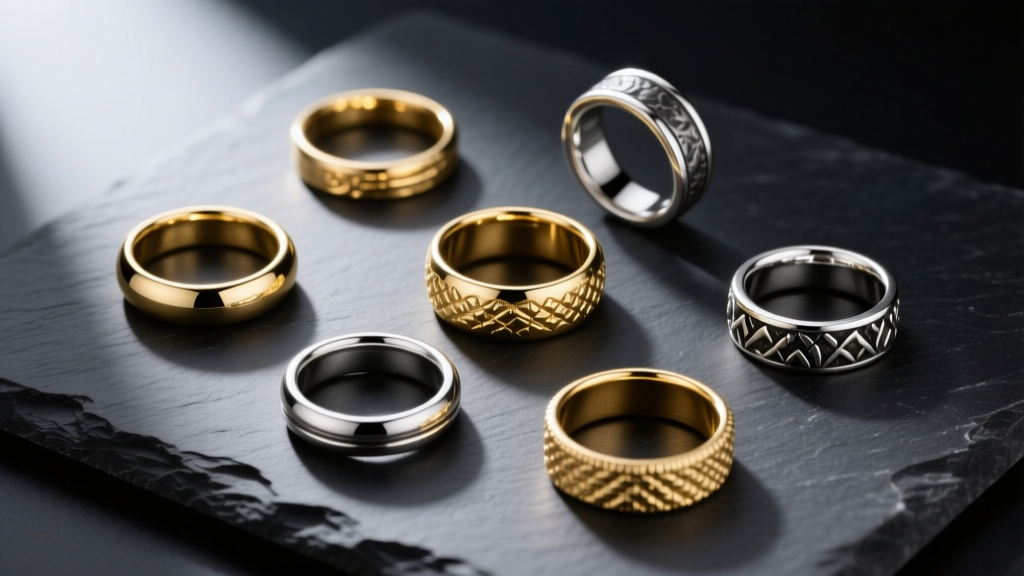
Mixed-metal jewelry, particularly the pairing of 14k yellow gold with rhodium-plated sterling silver or blackened titanium, dominates 2026's architectural and brutalist design trends. However, combining metals with different galvanic potentials creates a unique vulnerability during the cleaning process.
The Material Science of Galvanic Reactions
The most popular DIY cleaning hack on social media involves boiling jewelry in a solution of baking soda, salt, and water while resting it on aluminum foil. This creates an electrolytic cell. While highly effective for removing tarnish from solid, single-metal silver, it is catastrophic for mixed-metal pieces. According to the Gemological Institute of America (GIA), submerging mixed metals in an electrolytic solution triggers galvanic corrosion. The less noble metal (often the silver or copper alloy) will rapidly oxidize, and the rhodium plating can blister or peel entirely.
The 2026 Protocol: Abandon all electrolytic and submersion-based chemical baths for mixed metals. Instead, use a pH-neutral, non-ionic surfactant (such as a diluted solution of Dawn Platinum dish soap and distilled water). Apply the solution using a 0.10mm ultra-soft baby toothbrush, gently agitating only the surface dirt. Rinse immediately with distilled water—never tap water, as the chlorine and dissolved minerals can leave micro-deposits that accelerate localized corrosion at the solder joints where the two metals meet.
Trend 2: The Oxidized Silver & Industrial Revival
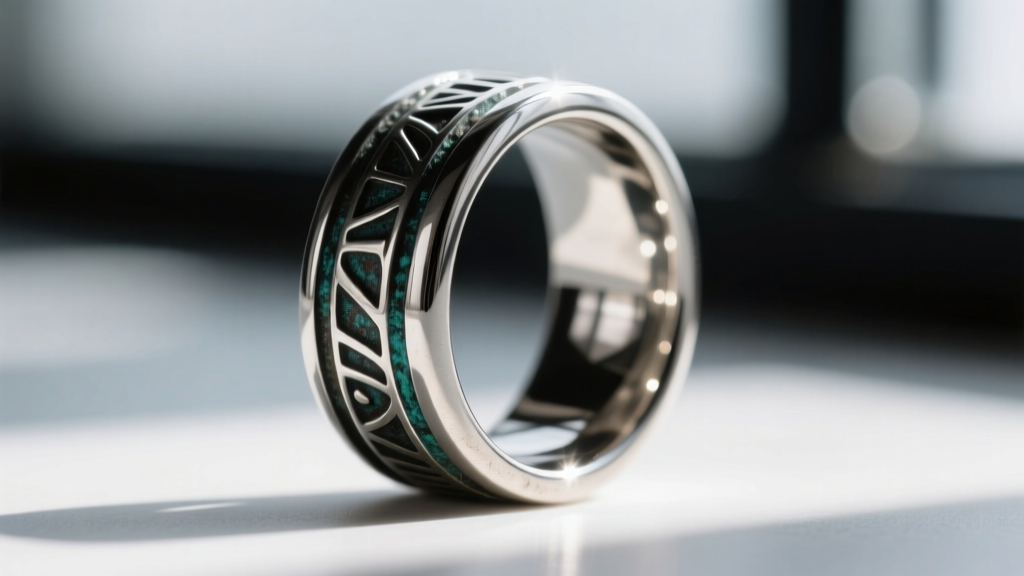
The grunge and industrial revival trend has brought heavily oxidized sterling silver back to the forefront. Designers are intentionally using liver of sulfur (potassium sulfide) to create deep, blackened patinas in the recesses of signet rings, chain links, and heavily textured cuffs. This intentional oxidation provides high-contrast depth, making the polished high-relief areas pop.
How to Clean Without Stripping the Patina
The most common fatal mistake consumers make is treating oxidized silver like standard tarnished silver. Tarnish is an accidental, uneven silver sulfide layer that you want to remove. Oxidation is an intentional, chemically induced layer that you must protect.
"When a client asks how to restore the shine to their blackened silver ring, I have to stop them immediately. Using a liquid silver dip or a baking soda paste will strip the liver of sulfur patina in seconds, leaving the piece looking flat, gray, and completely devoid of its original artistic intent." — Master Bench Jeweler, 2026 Guild Symposium.
The 2026 Protocol: Never use liquid silver dips, ultrasonic cleaners, or abrasive pastes on oxidized silver. To clean the piece, use a dry, untreated microfiber cloth to wipe away skin oils from the high points. If deeper cleaning is required, use a specialized polishing cloth (like a Sunshine cloth) only on the raised, polished areas. Fold the cloth to a sharp edge to avoid accidentally rubbing the recessed, blackened grooves. For the recessed areas, use a soft makeup brush to dust out dry debris.
Trend 3: Lab-Grown Diamonds and Moissanite Dominance
With lab-grown diamonds (CVD and HPHT) and moissanite capturing the majority of the 2026 engagement and fine jewelry market, understanding their specific optical and chemical properties is vital. While they share a 9.25 to 10 rating on the Mohs hardness scale with mined diamonds, their surface chemistry differs in ways that affect how they accumulate and release grime.
Managing Oleophilic Surfaces and Refractive Indices
Moissanite (silicon carbide) is notoriously oleophilic, meaning it attracts and holds onto skin oils and lotions far more aggressively than carbon-based diamonds. When oil coats the pavilion (bottom) of the stone, it drastically reduces its high refractive index (2.65), making it look cloudy and dull. Furthermore, while CVD lab-grown diamonds are chemically identical to mined diamonds, some lower-grade stones undergo post-growth fracture filling or HPHT color enhancement. Ultrasonic cleaners operating at standard 40kHz frequencies can shatter these treated stones or vibrate the fillings loose.
| Material | Primary Cleaning Challenge | Safe At-Home Degreaser | Ultrasonic Safety (40kHz) |
|---|---|---|---|
| Moissanite | Extreme oil attraction (oleophilic) | 50/50 Isopropyl Alcohol & Distilled Water | Safe (if no severe inclusions) |
| CVD Lab Diamond | Standard sebum buildup | Mild Surfactant (Dish Soap) | Safe (verify no fracture filling) |
| HPHT Lab Diamond | Standard sebum buildup | Mild Surfactant (Dish Soap) | Safe (verify no post-growth treatments) |
The 2026 Protocol: For moissanite, keep a small spray bottle of 50/50 isopropyl alcohol and distilled water. Spritz the stone and wipe with a lint-free optical cloth. For lab-grown diamonds, a standard mild surfactant soak for 15 minutes followed by a soft brush is sufficient. Always consult the FTC Jewelry Guides and your specific stone's certification to ensure it has not been fracture-filled before ever placing it in an at-home ultrasonic machine.
Trend 4: Organic Gems in Minimalist Bezels
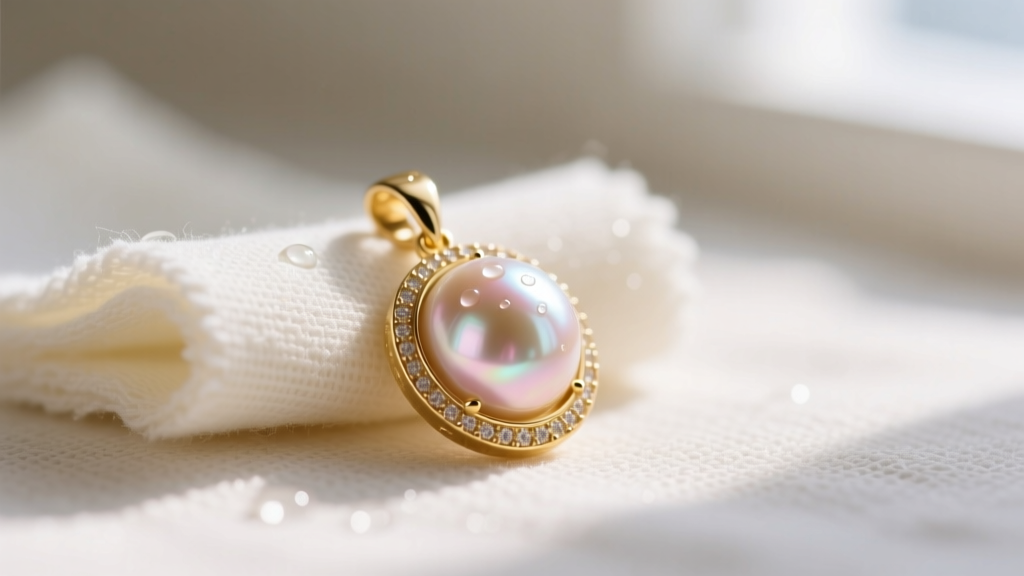
The quiet luxury and organic minimalist trends of 2026 have elevated baroque pearls, opals, and coral from vintage curiosities to everyday staples. These materials are frequently set in sleek, flush bezels or tension settings. However, their chemical composition makes them the most fragile category in your collection.
Protecting Porous and Hydrated Structures
Pearls are composed of calcium carbonate and conchiolin (an organic protein), ranking a mere 2.5 to 4.5 on the Mohs scale. They are highly porous and sensitive to acids. Opals, meanwhile, contain up to 20% water within their silica structure. Dehydrating an opal through harsh cleaning methods or exposing it to sudden temperature changes will cause "crazing"—a network of permanent internal fractures.
- Pearls: Never submerge pearls in water, as it can stretch the silk thread and cause the conchiolin to break down. Wipe gently with a microfiber cloth dampened only with distilled water after every wear to remove acidic skin oils.
- Opals: Avoid all ultrasonic cleaners and steamers. The high-frequency vibrations will shatter the silica structure. Clean only with a barely damp, soft cloth.
- Coral: Like pearls, coral is calcium carbonate. It will dissolve if exposed to acidic cleaners, vinegar, or even highly chlorinated tap water. Use a dry, soft-bristled brush to remove dust from the porous surface.
The Ultimate At-Home Cleaning Decision Matrix
To synthesize these 2026 trend protocols, use this decision matrix before attempting to clean any piece at home. Identifying the material and the design intent is the first step in preserving your investment.
| Jewelry Trend / Material | Design Intent | Safe Cleaning Method | Fatal Mistake to Avoid |
|---|---|---|---|
| Mixed-Metal Architectural | Contrasting metal colors | pH-neutral surfactant, soft brush | Electrolytic baths (baking soda/foil) |
| Oxidized Sterling Silver | Intentional dark patina | Dry microfiber, targeted polishing cloth | Liquid silver dips, abrasive pastes |
| Moissanite / Lab Diamonds | Maximum brilliance and fire | Isopropyl alcohol mix, optical cloth | Using ultrasonic on fracture-filled stones |
| Baroque Pearls & Opals | Organic texture and play-of-color | Damp distilled water cloth, dry brush | Submersion, steam, ultrasonic vibrations |
Conclusion: Curating a Long-Lasting Collection
Understanding how to clean my jewelry at home is no longer about scrubbing away every trace of wear; it is about curating and preserving the specific material narratives of 2026's design trends. By abandoning outdated, aggressive DIY hacks and adopting material-specific, scientifically sound protocols, you ensure that your mixed metals remain galvanically stable, your oxidized silver retains its moody depth, and your lab-grown stones maintain their optical brilliance. Treat your jewelry not just as adornment, but as complex material science, and it will reward you with a lifetime of pristine wear.


