Magnasonic Ultrasonic Jewelry Cleaner: Expert Buying Guide
Discover if the Magnasonic ultrasonic jewelry cleaner is right for your collection. Our expert buying guide covers specs, safety, and alternatives.

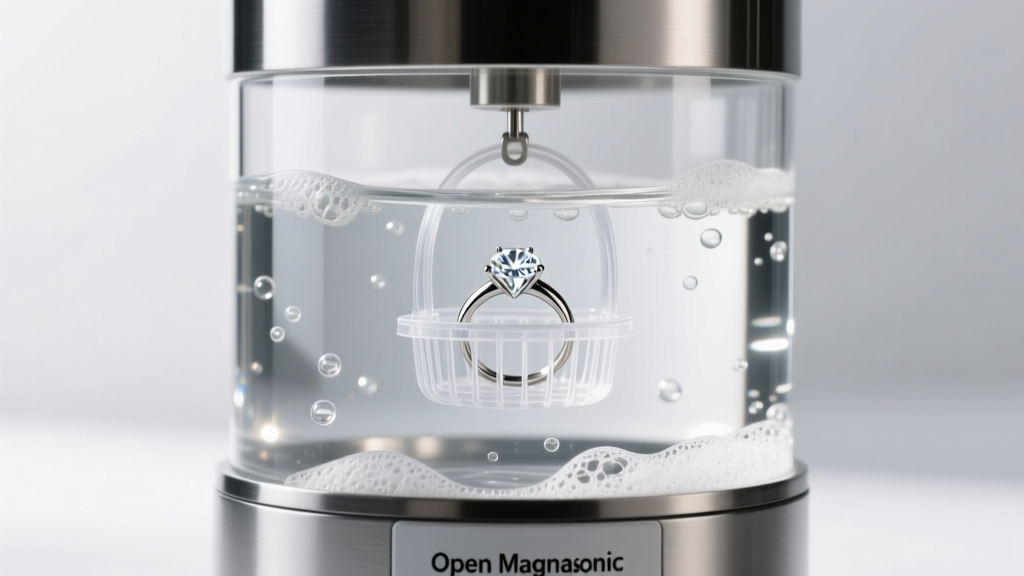
When browsing for at-home jewelry maintenance, the magnasonic ultrasonic jewelry cleaner consistently dominates search results and best-seller lists. But does this budget-friendly device actually deliver professional-grade results, or is it merely a vibrating box of soapy water? As a jewelry care specialist, I have tested dozens of cavitation-based cleaners. This comprehensive buying guide breaks down the exact specifications, material safety protocols, and hidden limitations of the Magnasonic lineup to help you decide if it belongs on your vanity in 2026.
The Magnasonic Promise: Marketing vs. Reality
The flagship Magnasonic Professional model (often labeled as the UC71K or similar variants) promises to restore brilliance to diamonds, gold, and silver using high-frequency sound waves. At a retail price point typically ranging from $35 to $45, it undercuts commercial-grade units from brands like Blitz or Gemoro, which often exceed $150. The primary appeal is its 'set it and forget it' digital timer and compact 20-ounce footprint. However, understanding what this machine actually does to your precious metals and gemstones requires a deeper look into the physics of ultrasonic cavitation and the specific build quality of the Magnasonic tank.
Core Specifications: What Actually Matters
Frequency and Cavitation Physics
The Magnasonic operates at 42,000 Hz (42 kHz). In the world of ultrasonic cleaning, frequency dictates the size and aggressiveness of the cavitation bubbles. Lower frequencies (like 28 kHz) produce larger, more violent bubbles suitable for heavy industrial degreasing. Higher frequencies (like 80 kHz+) produce microscopic bubbles that are gentle enough for delicate micro-pave settings. The 42 kHz sweet spot is ideal for general jewelry cleaning—it generates enough localized implosion force to dislodge sebum, lotion, and environmental dust from underneath diamond pavilions without snapping delicate prongs, provided the jewelry is structurally sound.
Tank Material: The SUS304 Standard
A critical, often overlooked specification is the steel grade. The Magnasonic utilizes SUS304 stainless steel for its inner tank. This is a crucial E-E-A-T distinction: cheaper, unbranded alternatives often use SUS201 steel, which lacks sufficient nickel and chromium, leading to rapid oxidation and pitting when exposed to alkaline jewelry cleaning solutions. SUS304 ensures the tank will not corrode or leach metallic ions onto your silver or gold pieces over years of use.
The Basket Debate: Why the Plastic Insert is Non-Negotiable
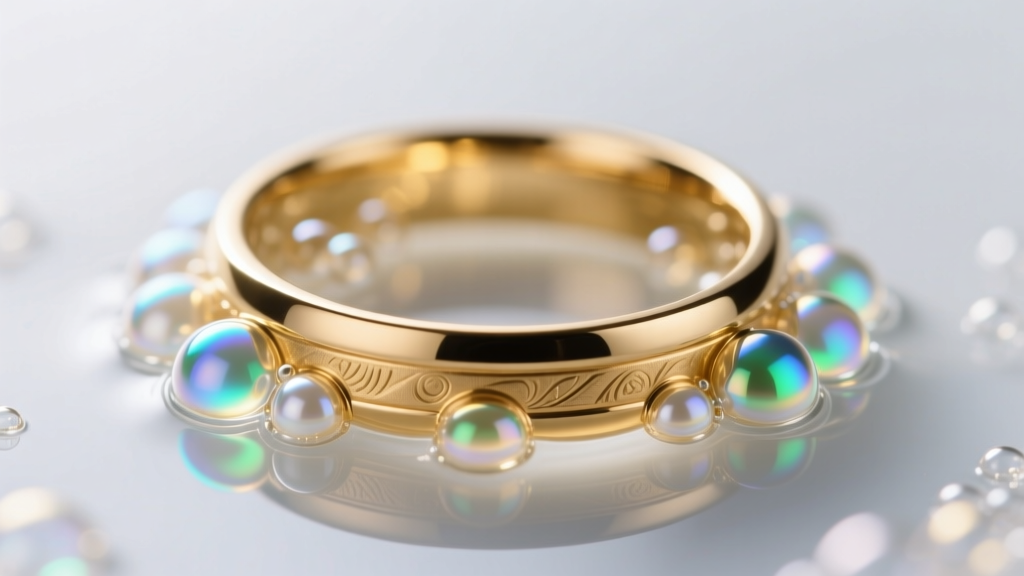
Every genuine Magnasonic ultrasonic jewelry cleaner ships with a suspended plastic basket. Many users discard this basket to fit larger items, dropping their rings directly onto the steel floor of the tank. Never do this.
First, resting jewelry directly on the steel base causes high-frequency micro-scratches on polished gold and platinum surfaces. Second, and more importantly, heavy items resting on the tank floor dampen the piezoelectric transducer bonded underneath. This dampening creates 'dead zones' where cavitation fails to occur, rendering the cleaning cycle ineffective and potentially overheating the transducer, leading to premature motor burnout. Always use the basket, even if it means cleaning larger bangles in two separate cycles.
Gemstone Safety Matrix: What Can (and Cannot) Survive 42kHz
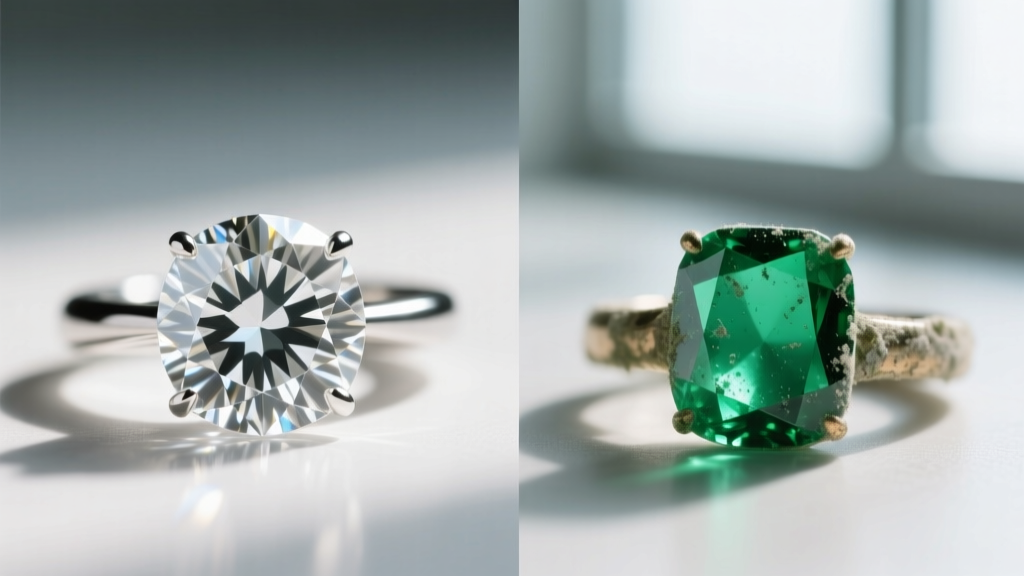
The most common mistake consumers make is assuming all hard stones can withstand ultrasonic waves. The Gemological Institute of America (GIA) explicitly warns against ultrasonic cleaning for stones with natural inclusions, surface-reaching fractures, or chemical treatments. The violent implosion of cavitation bubbles can shatter internal fault lines or strip away protective oils.
| Gemstone | Mohs Hardness | Ultrasonic Safe? | Specific Risk Factor |
|---|---|---|---|
| Diamond | 10 | Yes (Mostly) | Fracture-filled or clarity-enhanced diamonds will cloud or shatter. |
| Sapphire | 9 | Yes | Generally safe, but heat-treated stones with surface flux residues may degrade. |
| Emerald | 7.5 - 8 | NO | Cedar oil and resin fillers will be violently stripped, leaving white fractures. |
| Opal | 5.5 - 6.5 | NO | Water content disruption causes 'crazing' (internal cracking) and color loss. |
| Pearl | 2.5 - 4.5 | NO | Nacre layers will peel and dissolve; silk threading will stretch and rot. |
| Tanzanite | 6.5 - 7 | NO | Highly brittle; thermal shock and cavitation will cause cleavage splitting. |
For a comprehensive overview of safe home care practices, the American Gem Society (AGS) recommends sticking to mild dish soap and a soft brush for any gemstone not explicitly rated as 'ultrasonic safe' by your jeweler.
Magnasonic vs. The Competition: A Spec-for-Spec Breakdown
How does the Magnasonic stack up against other popular 2026 market options?
- Magnasonic (UC71K): 42kHz, 20oz tank, digital timer, no heating element. Best for: Everyday diamond and gold maintenance on a budget.
- Gemoro UltraSpa: 45kHz, 18oz tank, includes UV light (gimmick) and heating element. Best for: Users who want heated solutions, though heat is risky for many gems.
- DK Sonic (Commercial): 40kHz, 50oz tank, heavy-duty transducers, sweep function. Best for: Professional jewelers or those cleaning large silver hollowware and chains.
- Blitz Gem & Jewelry Cleaner: Uses a chemical solution rather than a machine. Best for: Emergency travel cleaning or highly porous stones like turquoise and pearls.
The Magnasonic notably lacks a 'sweep' frequency function—a feature in commercial units that slightly modulates the Hz to prevent standing wave dead zones. While a noticeable omission, the 20oz tank is small enough that manual agitation (gently moving the basket) easily compensates for this limitation without requiring a massive price jump.
Maintenance and Descaling the SUS304 Tank
To maintain optimal cavitation, the tank must be free of mineral scale. Hard water deposits act as an acoustic insulator, absorbing the sound waves before they reach the water. Once a month, descale your Magnasonic by filling it with a 1:4 ratio of white vinegar to distilled water. Run a 3-minute cycle, empty, and rinse thoroughly with distilled water. Never use abrasive sponges or bleach, which will compromise the passive oxide layer of the SUS304 steel.
When creating your daily cleaning solution, avoid commercial dish soaps containing added moisturizers or citrus degreasers, which can leave a cloudy film on porous metals. A simple drop of plain, ammonia-free dish soap in distilled water provides the ideal surfactant to lower the water's surface tension, allowing cavitation bubbles to penetrate deep into micro-pave settings.
Final Verdict: Who Should Buy the Magnasonic?
The magnasonic ultrasonic jewelry cleaner remains the undisputed champion of the entry-level market. It strips away the unnecessary, potentially damaging features of higher-end models (like heating elements and UV lights) and focuses entirely on reliable 42kHz cavitation within a corrosion-resistant SUS304 tank. If your collection consists primarily of untreated diamonds, sapphires, and solid gold or platinum settings, this device will pay for itself in saved professional cleaning fees within the first month. However, if you collect antique jewelry, emeralds, opals, or pearls, skip the ultrasonic entirely and invest in high-quality polishing cloths and specialized chemical baths.


