The Best Cleaning Solution Jewelry Buying Guide for 2026
Discover the best cleaning solution jewelry options for 2026. Compare pH levels, ingredients, and safety for gold, silver, and porous gemstones.

The Chemistry of Jewelry Cleaners: What Actually Works?
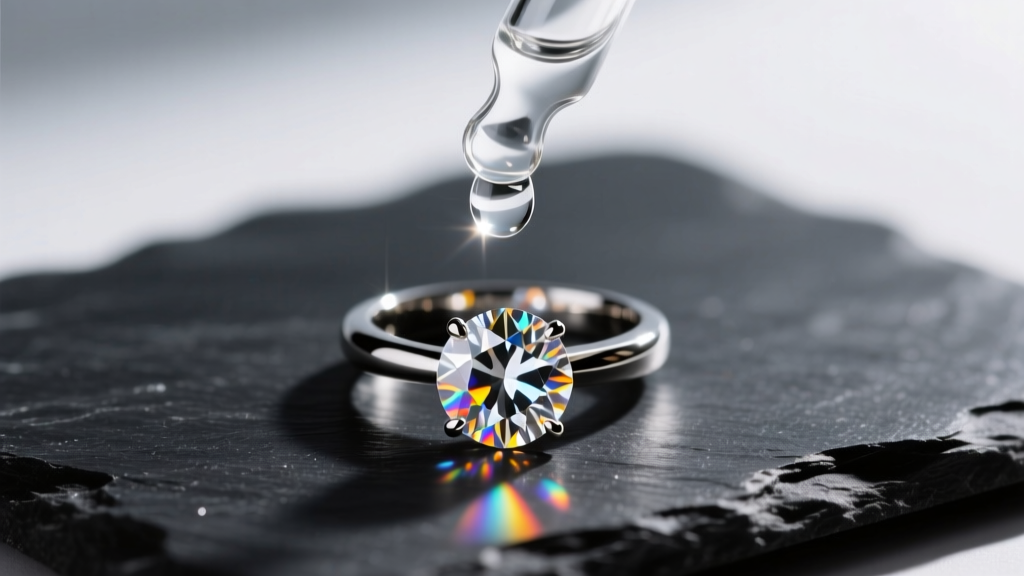
The search for the perfect cleaning solution jewelry collectors rely on is no longer just about grabbing a generic bottle of ammonia from the supermarket. In 2026, the market has bifurcated into highly specialized chemical formulations designed for specific metallurgical and gemological profiles. To make an informed purchase, you must first understand the mechanics of jewelry soiling. The primary culprit is human sebum—a complex mixture of lipids and waxes—combined with environmental dust and cosmetic residues. This combination creates a hydrophobic film that drastically reduces the refractive index of diamonds and dulls the luster of precious metals.
Water alone cannot penetrate this film due to its high surface tension (approximately 72 mN/m). An effective cleaning solution utilizes surfactants (surface-active agents) to lower this tension to roughly 30 mN/m. This allows the liquid to flow into the microscopic gaps between a pavé setting and the diamond girdle, lifting the lipid layer away from the stone. However, the chemical vehicle that delivers these surfactants dictates whether a solution will safely restore your jewelry or cause irreversible damage.
Ingredient Breakdown: What to Look For (and Avoid)
When evaluating product labels, the presence or absence of specific active ingredients will determine the solution's safety profile. According to the Gemological Institute of America (GIA), understanding chemical interactions is critical for preserving treated and porous gemstones.
- Ammonia (Ammonium Hydroxide): Highly effective at degreasing diamonds and platinum. However, its high alkalinity (pH 11.0–12.0) can attack copper alloys (like rose gold) and strip rhodium plating from white gold over prolonged exposure.
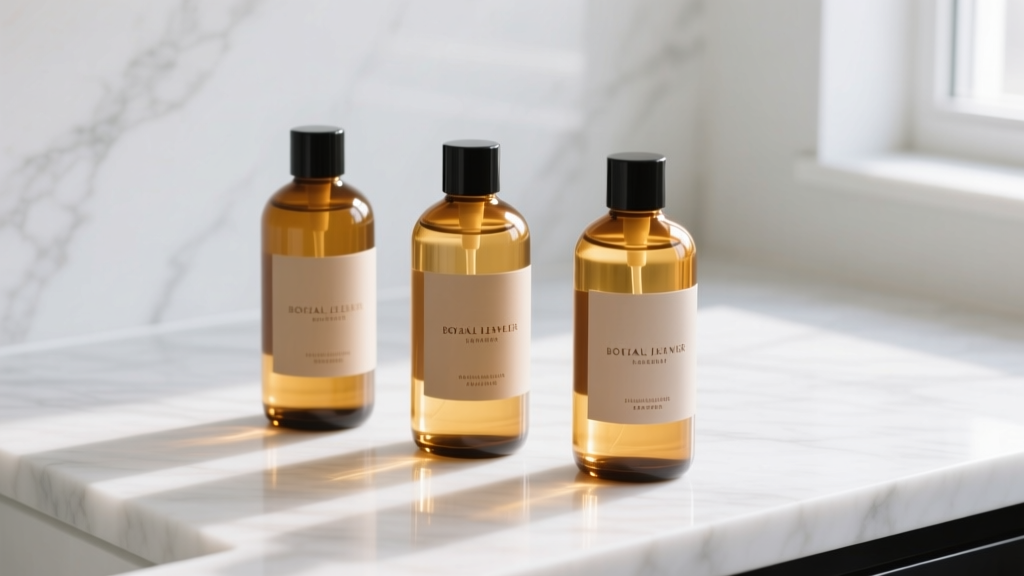
- Non-Ionic Surfactants (e.g., Decyl Glucoside): The gold standard for modern, ammonia-free cleaners. Derived from plant sugars, these are pH-neutral (6.5–7.5) and entirely safe for porous organics like pearls and coral.
- Isopropyl Alcohol: Excellent for rapid degreasing and evaporation on hard stones. Warning: Alcohol is fatal to fracture-filled emeralds, as it dissolves the cedar oil or Opticon resins used to mask internal inclusions.
- Chelating Agents (e.g., Tetrasodium EDTA): Crucial if you live in a hard water area. Chelators bind to calcium and magnesium ions in tap water, preventing mineral spotting and watermarks on highly polished surfaces.
Material Compatibility Matrix
Not all jewelry is created equal. The Mohs hardness scale and a gemstone's porosity dictate its chemical tolerance. Below is a compatibility matrix to help you match your collection to the correct chemical profile.
| Active Ingredient | Best Used On | Strictly Avoid On | Typical pH Level |
|---|---|---|---|
| Ammonia Blends | Diamonds, Sapphires, Platinum, 14k/18k Yellow Gold | Pearls, Opals, Emeralds, Turquoise, Rose Gold | 11.0 - 12.0 |
| Decyl Glucoside (Non-Ionic) | All Metals, Porous Gems, Organics, Treated Stones | None (Universally Safe) | 6.5 - 7.5 |
| Isopropyl Alcohol | Hard Stones, Unfilled Diamonds, Platinum | Emeralds, Opals, Coral, Amber, Pearls | N/A (Solvent) |
| Mild Anionic Surfactants | Everyday Silver, Gold, Semi-Precious Stones | Untreated Silver (can cause tarnish if not rinsed) | 8.0 - 9.0 |
"Never assume a cleaner labeled 'safe for all jewelry' is truly universal. Porous organics like pearls and coral require strictly pH-neutral, non-ionic formulations to prevent irreversible surface etching and loss of orient."
— 2026 GIA Gemstone Care Guidelines
Top Formulation Types for 2026
1. Heavy-Duty Ammonia-Based Solutions
Brands like Connoisseurs and Hagerty dominate this space. These solutions are engineered for high-carat diamond solitaires and heavy platinum settings. They work rapidly, often requiring only a 30-second soak. However, they are strictly for hard, non-porous stones. If your ring features diamond melee set alongside emerald accents, an ammonia cleaner will destroy the emerald's oil treatment within minutes.
2. Botanical & Enzymatic Cleaners
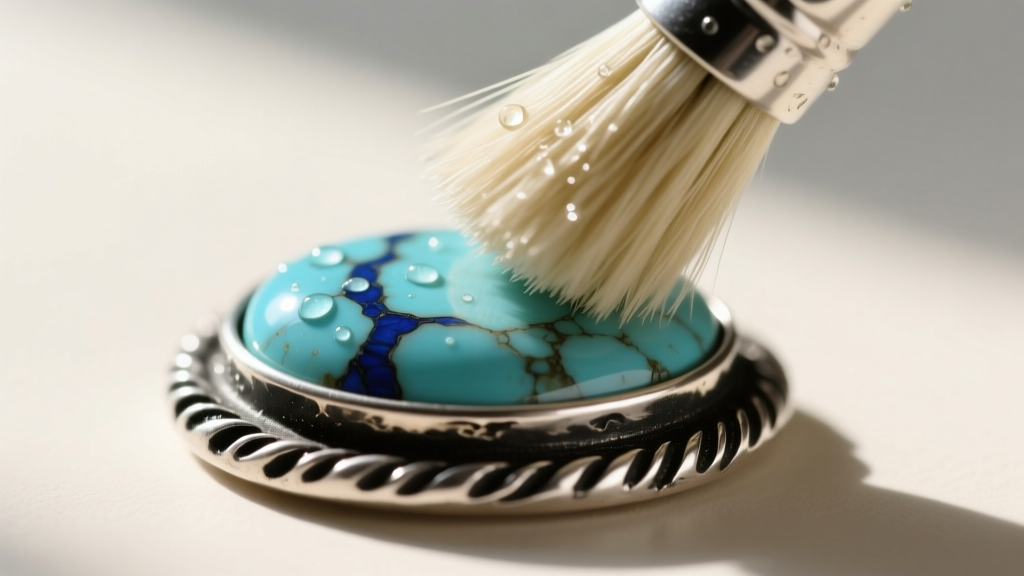
The fastest-growing segment in 2026. These cleaners use plant-derived enzymes to break down protein-based soils (like dead skin cells) and non-ionic surfactants to lift oils. They are completely ammonia-free, alcohol-free, and biodegradable. They are the only safe liquid option for multi-gemstone pieces that combine hard diamonds with soft, porous stones like opals (Mohs 5.5) or turquoise (Mohs 6.0).
3. Ultrasonic Additives
If you own an ultrasonic cleaner, using plain water is a missed opportunity. Ultrasonic additives are highly concentrated, low-foaming surfactant blends designed to enhance cavitation. They reduce the surface tension of the water, allowing the microscopic vacuum bubbles generated by the ultrasonic transducer to implode with greater force against the jewelry's surface. Note: Never use ultrasonic waves on fracture-filled stones, regardless of the solution used.
Pricing Tiers and Value Propositions
When budgeting for a cleaning solution, jewelry owners should look at the cost-per-ounce and the dilution ratio, rather than just the upfront bottle price.
- Budget Tier ($4 – $9): Typically 8oz bottles of basic anionic surfactants or diluted ammonia. Good for occasional use on simple gold bands or sterling silver, but lack chelating agents to prevent hard water spotting.
- Mid-Range Tier ($12 – $22): The sweet spot for most consumers. These 8oz to 16oz bottles feature premium non-ionic surfactants, added rust inhibitors for base-metal alloys, and EDTA chelators. Brands like PennyPoynt and Blitz operate here.
- Professional Concentrates ($25 – $45): Sold in 16oz to 32oz bottles, these require a 10:1 or 20:1 dilution ratio with distilled water. While the upfront cost is higher, the cost-per-use drops to pennies. Ideal for avid collectors or those using heated ultrasonic machines.
Expert Verdict: How to Build Your Cleaning Kit
The most common mistake consumers make is attempting to find a single "miracle" liquid for their entire collection. According to the Jewelers of America, maintaining a diverse collection requires a tiered approach. For a robust 2026 cleaning kit, purchase two distinct solutions:
- A Targeted Degreaser: An ammonia-based dip strictly reserved for your diamond solitaires, sapphire studs, and plain platinum wedding bands.
- A Universal Botanical Wash: A pH-neutral, non-ionic foaming cleaner equipped with a soft-bristle brush. Use this for your pearls, opals, emeralds, vintage oxidized silver, and any multi-gemstone statement pieces.
Finally, always pair your liquid solutions with a high-quality, lint-free microfiber polishing cloth for the final drying stage. Air-drying, even with purified water, can leave microscopic mineral deposits that obscure the brilliance of precision-cut gemstones. By matching the chemical profile of your cleaning solution to the specific metallurgical and gemological properties of your jewelry, you ensure your pieces remain as luminous in 2026 as the day they were cut.


