Does Nickel Free Jewelry Tarnish? Gifting & Care Guide
Gifting hypoallergenic pieces? We answer does nickel free jewelry tarnish and share expert cleaning tips for titanium, niobium, and gold gifts.

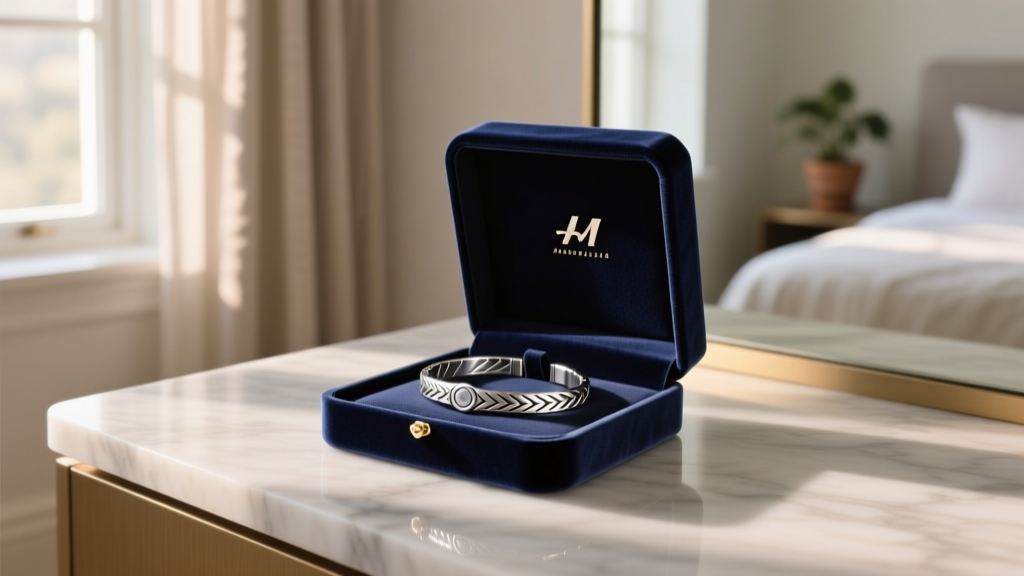
The Gifter’s Dilemma: Navigating Hypoallergenic Metals
Gifting jewelry is a deeply personal gesture, but for the estimated 10% to 20% of the population suffering from contact dermatitis, a beautiful piece can quickly become an itchy, uncomfortable burden. According to the American Academy of Dermatology, nickel allergy is the most common contact allergy worldwide. Naturally, conscientious gift-givers are pivoting toward hypoallergenic alternatives. But this leads to a critical question at the jewelry counter: does nickel free jewelry tarnish?
The short answer is that "nickel-free" and "tarnish-resistant" are two entirely different metallurgical properties. While removing nickel solves the allergy problem, it does not automatically guarantee the metal will resist oxidation or sulfur-induced discoloration. As a gifter, understanding the intersection of skin-safety and long-term maintenance is crucial for selecting a piece that remains as pristine as the day it was unwrapped.
The Science: Does Nickel Free Jewelry Tarnish?
To answer whether nickel-free jewelry tarnishes, we must separate the allergen from the chemical reaction. Tarnish is a thin layer of corrosion that forms on the surface of metals like copper, brass, and silver when they react with moisture, oxygen, or sulfur compounds (specifically hydrogen sulfide) in the air. Nickel itself is actually quite resistant to tarnish; it is usually the other base metals alloyed with nickel (like copper in lower-karat golds or brass in plated jewelry) that cause the green or black discoloration on the skin.
When you remove nickel from the equation, the tarnish risk depends entirely on the replacement metal:
- Sterling Silver (925): Completely nickel-free, but highly prone to tarnishing due to its 7.5% copper content reacting with atmospheric sulfur.
- Implant-Grade Titanium (ASTM F136): 100% nickel-free and biologically inert. It forms a microscopic, self-healing oxide layer that prevents any further corrosion or tarnish.
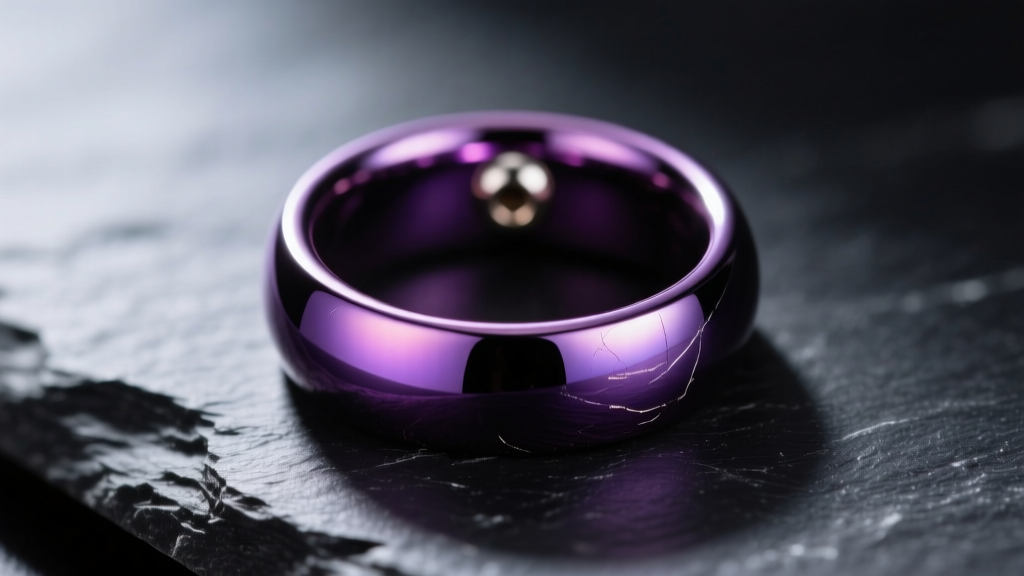
- Niobium: A highly reactive element that is anodized using voltage rather than chemical plating. It will not tarnish, fade, or flake.
- Platinum 950: Alloyed with ruthenium or iridium (not nickel). It does not tarnish; it merely develops a soft "patina" of microscopic scratches over decades.
Therefore, if you are gifting sterling silver, you must also gift a cleaning regimen. If you gift titanium or niobium, you are gifting a virtually maintenance-free experience.
Occasion Matching: Best Nickel-Free Metals for Gifting
Matching the metal to the occasion ensures your gift aligns with the recipient's lifestyle and the event's significance. Below is a strategic framework for selecting nickel-free metals based on gifting scenarios.
| Occasion | Ideal Nickel-Free Metal | Tarnish & Care Profile | Avg. Price Range |
|---|---|---|---|
| Weddings / Engagements | Platinum 950 or 18k Gold | Zero tarnish. Requires occasional professional polishing to remove scratch patina. | $1,500 - $5,000+ |
| Anniversaries | 18k Yellow or Rose Gold | Low tarnish risk. Alloyed with copper/silver; needs mild soap cleaning bi-annually. | $400 - $2,000 |
| Body Jewelry / Piercings | ASTM F136 Titanium | Zero tarnish. Can be sterilized. Safe for fresh piercings and sensitive lobes. | $30 - $150 |
| Everyday / Graduation | Anodized Niobium | Zero tarnish. Colors are permanent and integrated into the metal lattice. | $25 - $120 |
The Gifter’s Cleaning & Care Toolkit
If you have selected a nickel-free metal that requires upkeep (like sterling silver or 14k gold), presenting the jewelry with a specialized care kit elevates the gifting experience. It shows you have considered the longevity of the piece. Here is how to curate a professional-grade cleaning toolkit for your recipient.
Ultrasonic Cleaners: The Modern Standard
For nickel-free gold and platinum jewelry, a countertop ultrasonic cleaner is the ultimate gift add-on. These devices use high-frequency sound waves (typically 40 to 45 kHz) to create microscopic cavitation bubbles in a liquid solution. When these bubbles collapse against the jewelry, they blast away sebum, lotions, and environmental dirt from under prongs and inside chain links.
Expert Warning: Never use ultrasonic cleaners on porous gemstones (like opals, pearls, or emeralds) or fracture-filled diamonds, regardless of the metal setting. The Gemological Institute of America (GIA) strictly advises against ultrasonic vibration for treated or included stones, as it can shatter them.
Manual Polishing and DIY Solutions
For everyday maintenance, include a high-quality, untreated microfiber polishing cloth in the gift box. Avoid chemically treated "dip" solutions or abrasive silver polishes, which can strip the rhodium plating off white gold or scratch high-polish titanium. A simple, safe DIY cleaning solution for the recipient is warm distilled water mixed with three drops of phosphate-free dish soap (like Dawn). Soak the piece for three minutes, gently agitate with a baby-soft toothbrush, and dry immediately with a lint-free cloth to prevent hard water spotting.
Packaging for Longevity: Anti-Tarnish Strategies
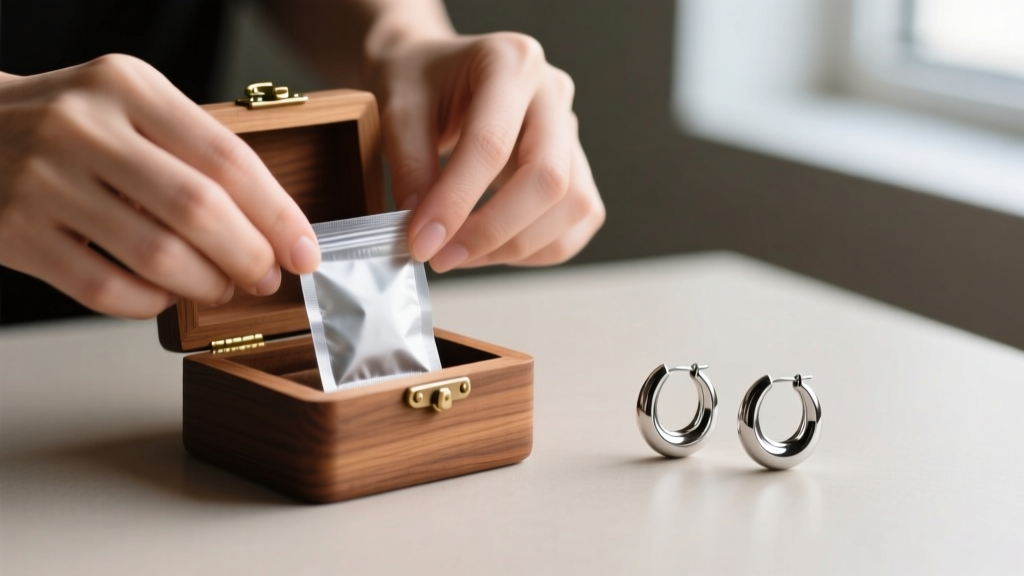
How you wrap a nickel-free piece of jewelry is just as important as the metal itself, especially if the gift will sit under a tree or in a drawer before being worn. Exposure to ambient humidity and airborne sulfur accelerates tarnish on susceptible nickel-free alloys like sterling silver.
"The psychological relief of receiving a gift that won't cause a physical reaction is immense. Pairing that hypoallergenic safety with proactive anti-tarnish packaging transforms a simple accessory into a curated, luxury experience."
To ensure your gift remains brilliant until the moment it is opened, implement these packaging protocols:
- Use Anti-Tarnish Strips: Slip a 3M anti-tarnish strip into the jewelry box. These strips absorb sulfur compounds and hydrogen sulfide from the enclosed air, protecting the metal for up to 12 months.
- Opt for Cedar or Tarnish-Treated Cloth: Line your gift box with Pacific cloth or use a solid cedar wood box. Cedar naturally regulates moisture and repels environmental pollutants.
- Include a Custom Care Card: Print a small, heavy-stock card detailing the exact metal grade (e.g., "Crafted from 100% Nickel-Free ASTM F136 Titanium") and a three-step cleaning guide. This not only educates the recipient but reinforces the thoughtfulness of your gift.
Final Thoughts on Hypoallergenic Gifting
So, does nickel free jewelry tarnish? Only if the secondary alloy metals dictate it. By understanding the distinct chemical behaviors of titanium, niobium, platinum, and silver, you can confidently select a gift that honors both the recipient's sensitive skin and their desire for lasting brilliance. When you pair the right metallurgical choice with a thoughtful cleaning toolkit and smart packaging, you aren't just giving jewelry; you are giving peace of mind. For more insights on managing metal sensitivities, the Mayo Clinic offers comprehensive guides on identifying and avoiding contact dermatitis triggers in everyday accessories.


