How to Clean Jewelry at Home: Material-Specific Guide
Learn how to clean jewelry at home safely. Discover material-specific soaks, polishing techniques, and what to avoid for porous gems.

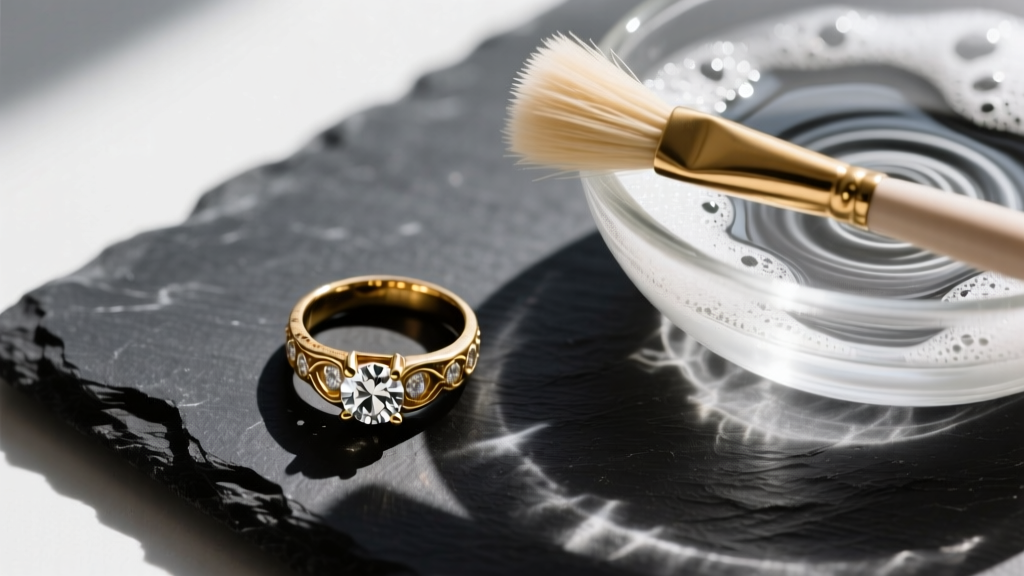
The internet is saturated with viral hacks promising to restore your fine jewelry to its original brilliance using household staples. However, when you are figuring out how to clean jewelry at home, a one-size-fits-all approach is a guaranteed recipe for disaster. What safely removes sebum from a platinum diamond ring will permanently cloud a natural emerald or strip the delicate nacre from a freshwater pearl. As a jewelry care specialist, I see the aftermath of these DIY experiments daily: micro-scratched gold bands, dissolved fracture-fillings, and irreversibly dulled gemstones.
This comprehensive guide moves beyond generic advice. We will break down the exact chemistry, material tolerances, and step-by-step methodologies required to clean your precious metals and gemstones safely, ensuring your collection maintains its structural integrity and optical brilliance for decades.
The Chemistry of At-Home Cleaning: Why Toothpaste Ruins Gold
Before diving into specific methods, we must debunk the most pervasive and destructive myth in jewelry care: using toothpaste to polish gold and silver. Toothpaste contains hydrated silica and calcium carbonate, which are abrasive particles designed to scrub enamel. On the Mohs scale of mineral hardness, these abrasives rank between 3 and 4. Pure 24k gold is a mere 2.5 on the Mohs scale, while 14k and 18k gold alloys range from 3 to 4.
When you scrub a gold ring with toothpaste, you are essentially sanding it. You will remove the high-polish finish, leaving a matte surface riddled with micro-scratches that trap dirt and accelerate future tarnishing. Furthermore, if your jewelry is rhodium-plated white gold, toothpaste will strip the plating entirely, exposing the yellowish alloy beneath. According to the Federal Trade Commission Jewelry Guides, misrepresenting or inadvertently destroying metal platings through improper care is a leading cause of consumer dissatisfaction. Always abandon abrasive pastes in favor of chemical surfactants.
How to Clean Jewelry at Home: Hard Gems and Precious Metals
For durable materials—specifically diamonds, sapphires, rubies, and solid gold or platinum settings—a warm surfactant soak is the gold standard. These gemstones rank 8 or higher on the Mohs scale and lack cleavage planes that would make them vulnerable to thermal shock or mild chemical exposure.
The Distilled Water and Surfactant Soak
- Prepare the Solution: Fill a small glass bowl with 8 ounces of warm (not hot) distilled water. Tap water contains calcium and magnesium ions that will leave a cloudy mineral film on your stones as it evaporates. Add exactly three drops of a mild, non-ionic dish detergent (like original blue Dawn). Avoid dish soaps with added moisturizers or citrus degreasers, which can leave a residue or react with certain metal alloys.
- The Soak: Submerge your jewelry for 15 to 20 minutes. This allows the surfactant molecules to break the surface tension of the water, penetrating the pavilion (the underside of the gemstone) and emulsifying trapped sebum, lotions, and dead skin cells.
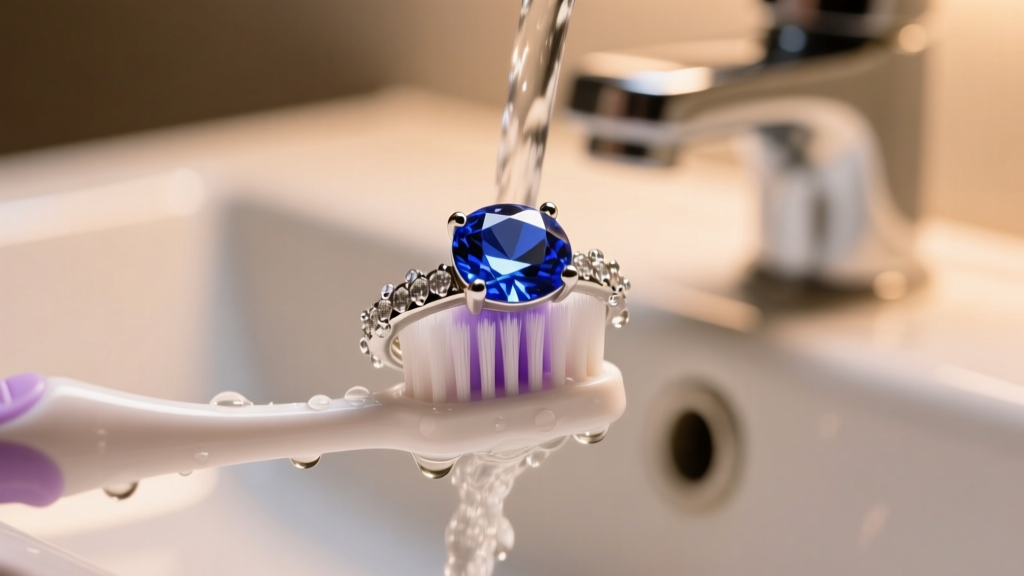
- Mechanical Agitation: Use a brand-new, extra-soft baby toothbrush. Gently flick the bristles against the back of the gemstone and the prongs. Never use medium or hard bristles, as they can bend delicate prongs or scratch the metal setting.
The Rinse and Inspection
Rinse the piece under a gentle stream of lukewarm distilled water. Crucial step: Always place a silicone strainer or a towel over the drain before rinsing to prevent catastrophic loss. Inspect the prongs with a 10x jeweler's loupe; if you see any lifting or snagging, stop cleaning and take it to a professional immediately.
The Danger Zone: Porous and Fracture-Filled Gemstones
The methodology shifts drastically when dealing with organic gems, porous stones, or fracture-filled minerals. These materials require a "dry" or "damp-only" approach. Submerging them in water or exposing them to ultrasonic frequencies will cause irreversible structural damage.
Emeralds, Opals, and Pearls
Emeralds: Nearly 90% of commercial emeralds are fracture-filled with cedar oil or synthetic resins to improve clarity. The Gemological Institute of America (GIA) explicitly warns that soaking emeralds in soapy water, ultrasonic cleaners, or steam will strip this oil, turning a vibrant green stone into a cloudy, heavily included mess. Clean emeralds only with a barely damp, lint-free microfiber cloth.
Opals: Opals contain up to 20% water within their silica structure. Soaking them can lead to "crazing" (a network of fine cracks) as the stone absorbs and then rapidly loses moisture. Furthermore, sudden temperature changes from warm water to cool air can cause thermal shock, splitting the stone.
Pearls: Pearls are organic, composed of calcium carbonate and conchiolin. They are highly susceptible to acids, alkalis, and even the natural acids in human sweat. The GIA's pearl care guidelines dictate that pearls should never be submerged, as water can weaken the silk thread they are strung on, causing it to stretch and rot from the inside out.
Expert Warning: Never use commercial "jewelry dips" or ammonia-based cleaners on porous stones. Ammonia will permanently etch the surface of pearls and turquoise, destroying their luster and structural integrity.
Material-Specific Cleaning Matrix
Use this quick-reference table to determine the safest cleaning protocol for your specific jewelry pieces. When in doubt, default to the gentlest method.
| Material / Gemstone | Mohs Hardness | Safe At-Home Method | Strictly Avoid |
|---|---|---|---|
| Diamond, Sapphire, Ruby | 9 - 10 | Warm distilled water + mild dish soap soak | Harsh chlorine bleach |
| 14k / 18k Yellow Gold | 3 - 4 | Soap soak + extra-soft baby toothbrush | Toothpaste, baking soda paste |
| Sterling Silver (925) | 2.5 - 3 | Specialized silver polishing cloth | Prolonged water soaking (causes tarnish) |
| Natural Emerald | 7.5 - 8 | Damp microfiber wipe only | Ultrasonics, steam, soap soaks |
| Opal and Pearl | 2.5 - 6.5 | Dry microfiber polish after each wear | All liquids, ultrasonics, chemicals |
| Turquoise and Lapis | 3 - 6 | Dry or barely damp cloth | Acids, ammonia, commercial dips |
Drying and Polishing Without Micro-Scratches
The drying phase is where many well-intentioned cleaning sessions end in failure. Never use paper towels, tissues, or standard cotton bath towels to dry your jewelry. Paper products are manufactured from wood pulp, which contains microscopic lignin fibers that are hard enough to scratch high-polish gold, silver, and platinum. Cotton towels often trap microscopic dust and silica particles that act like sandpaper against metal.
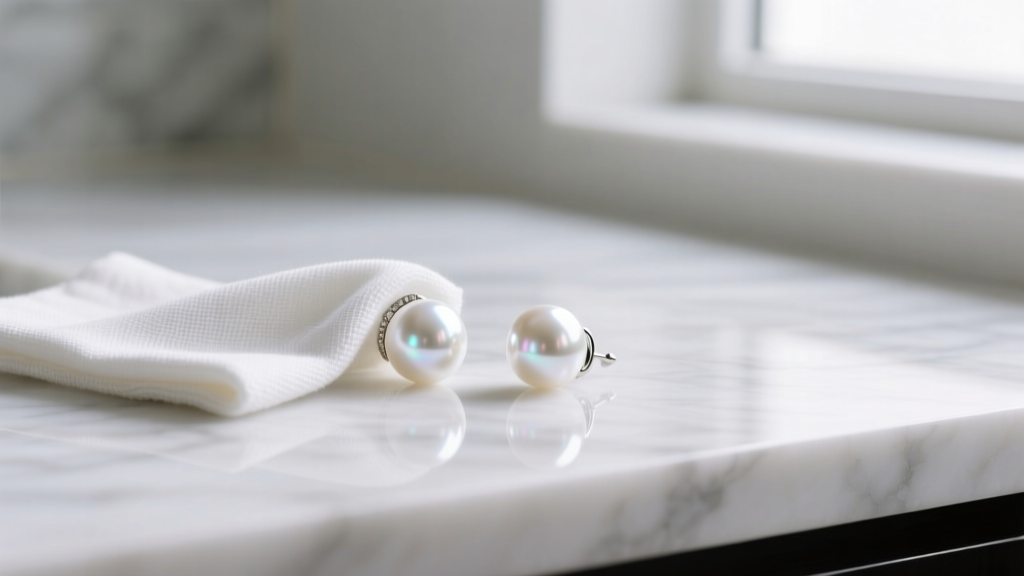
Instead, invest in high-density, lint-free optical microfiber cloths. These cloths are designed to trap dust and moisture within their split fibers rather than dragging them across the surface of your jewelry. When polishing, use a gentle back-and-forth motion rather than circular motions. Circular polishing can create visible, repetitive micro-scratches (known as "polishing lines") that catch the light and dull the mirror finish of the metal.
For intricate filigree or pavé settings where a cloth cannot reach, use a dedicated jewelry air blower or a hair dryer on the "cool" setting to evaporate trapped water droplets. Leaving water trapped under a low-set gemstone can eventually lead to localized metal oxidation or degrade the adhesive used in certain tension or bezel settings.
When to Abandon DIY and Seek Professional Ultrasonic Care
While mastering how to clean jewelry at home is essential for weekly maintenance, it cannot replace professional servicing. If your diamond appears cloudy even after a thorough surfactant soak, the dirt may be baked onto the pavilion by years of heat and pressure, or the stone may have suffered internal abrasion from rubbing against the setting.
Professional jewelers utilize industrial-grade ultrasonic cleaners operating at 40,000 Hz. These machines create microscopic cavitation bubbles that implode against the jewelry, dislodging grime that no toothbrush can reach. However, this process is strictly reserved for hard, non-porous, and non-fracture-filled stones. A professional will also follow the ultrasonic bath with a high-pressure steam cleaner, which blasts away the final layer of residue and leaves the gemstone optically flawless. Schedule a professional cleaning and prong-tightening inspection every 12 to 18 months to ensure your at-home maintenance is supported by structural oversight.


