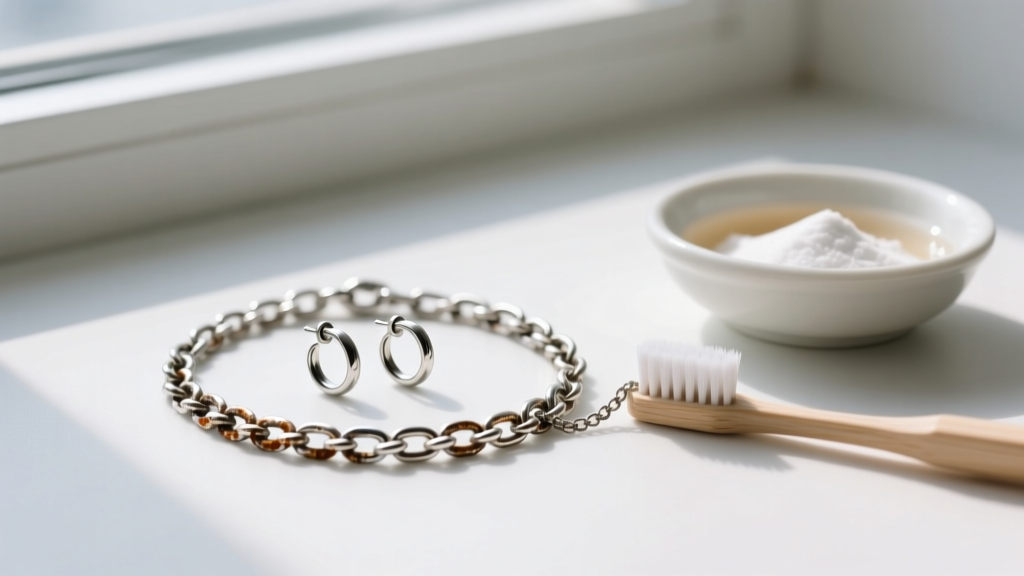
Connoisseurs Jewelry Polishing Cloth: The Ultimate Beginner's Guide
Learn how to safely use a Connoisseurs jewelry polishing cloth. Discover step-by-step techniques, metal compatibility, and expert care tips.

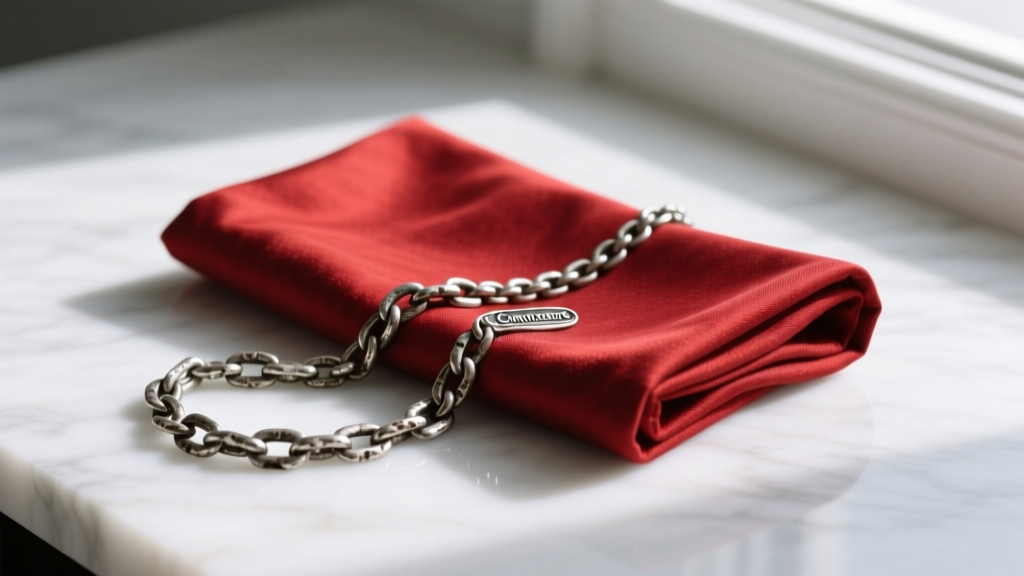
For beginners stepping into the world of fine jewelry care, the sheer volume of cleaning solutions, ultrasonic machines, and chemical dips can be overwhelming. Yet, the most effective tool for maintaining the brilliant luster of your everyday pieces is often the simplest. The Connoisseurs jewelry polishing cloth has long been considered the gold standard by both professional jewelers and casual collectors alike. But what exactly makes this specific red cloth so effective, and more importantly, how do you use it without accidentally damaging your precious metals?
In this comprehensive guide, we will break down the science behind the Connoisseurs jewelry polishing cloth, provide a step-by-step masterclass on proper polishing techniques, and outline the critical danger zones where this cloth should never be used. Whether you are maintaining a vintage sterling silver collection or keeping your daily-wear 14k gold wedding band looking brand new, this explainer will give you the exact frameworks needed for flawless results.
The Science Behind the Dual-Layer Technology
To understand why the Connoisseurs jewelry polishing cloth outperforms standard microfiber towels, you have to look at its dual-layer construction. According to the Gemological Institute of America (GIA), mechanical polishing requires a delicate balance between abrasion and chemical treatment to remove tarnish without stripping the base metal.
- The Inner Layer (Treated): This layer is impregnated with a specialized jeweler’s rouge (typically a fine iron oxide compound) combined with anti-tarnish agents. The rouge acts as a micro-abrasive, gently lifting away the microscopic layer of silver sulfide or copper oxidation that causes dullness. The anti-tarnish agents leave behind a protective molecular barrier that slows down future oxidation.
- The Outer Layer (Untreated): Made from a soft, high-pile flannel or cotton blend, this layer contains zero chemicals. Its sole purpose is to buff away any residual rouge and bring the metal to a high-mirror shine through pure friction.
This two-step process mimics the professional polishing wheels used in jewelry workshops, scaled down into a safe, handheld format for consumers.
Step-by-Step: How to Polish Like a Professional
Using a polishing cloth seems intuitive, but improper technique can lead to micro-scratches on high-polish finishes. Follow this exact sequence for optimal results.
1. Inspect and Pre-Clean
Never polish a dirty ring. If your jewelry is coated in hand lotion, sebum, or dust, rubbing it with a cloth will grind those particles into the metal. First, wash the piece in warm water with a drop of mild, phosphate-free dish soap. Dry it completely with a lint-free towel before polishing.
2. Fold the Cloth Correctly
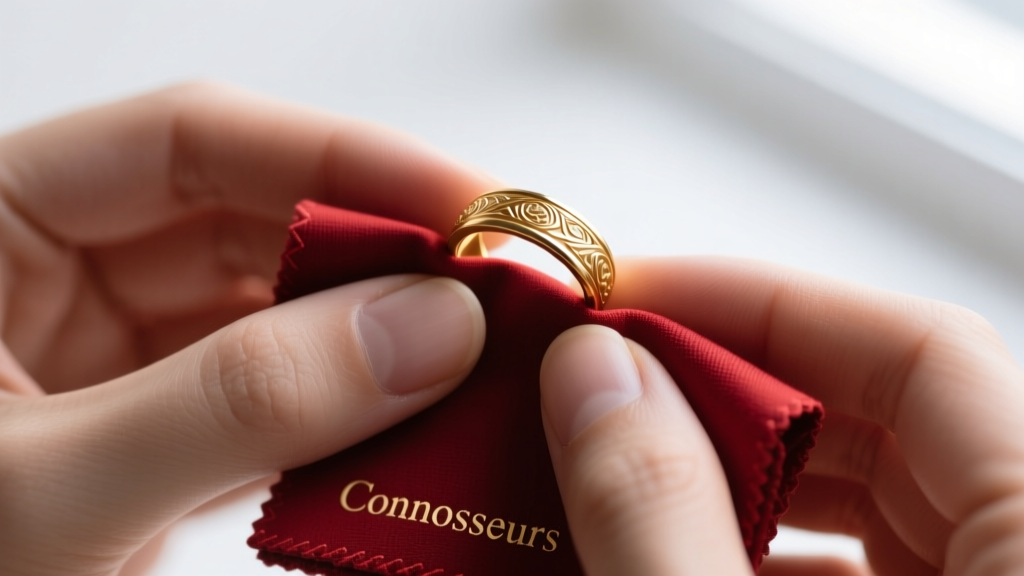
Fold the Connoisseurs cloth so that you have a pad roughly the size of your index finger. This gives you precise control over the pressure you apply to intricate areas, like the prongs of a gemstone setting or the interior of a ring band.
3. Apply the Inner Layer (Linear Motions)
Using the treated inner layer, apply very gentle pressure. Critical Tip: Always rub in straight, linear motions rather than tight circles. Circular polishing can create visible “swirl marks” on flat, high-polish surfaces (like the bezel of a signet ring). Linear strokes blend seamlessly with the metal’s natural grain.
4. Buff with the Outer Layer
Flip to the untreated outer layer of the cloth. Buff the jewelry vigorously to remove any leftover rouge residue and achieve a brilliant, mirror-like finish.
The Danger Zone: What NOT to Polish
While the Connoisseurs jewelry polishing cloth is a miracle worker for solid metals, it is a destructive force for certain materials. The micro-abrasives in the treated layer do not discriminate; they will strip away thin layers of plating and scratch soft, porous gemstones.
Below is a definitive compatibility matrix to keep you from making a costly mistake. For more on precious metal standards, refer to the Federal Trade Commission (FTC) Jewelry Guides.
| Material / Gemstone | Safe to Use? | Expert Reasoning |
|---|---|---|
| Solid 14k / 18k Gold | Yes | Gold does not tarnish, but the cloth safely removes oils and restores the mirror shine. |
| Sterling Silver (Solid) | Yes | The rouge safely removes silver sulfide (tarnish) without removing significant silver mass. |
| Platinum | Yes | Platinum is highly durable; the cloth will restore luster and remove surface patina. |
| Gold Vermeil / Gold Plated | NO | Vermeil is only 2.5 microns of gold over silver. The abrasive rouge will strip the gold layer off entirely. |
| Rhodium-Plated Silver | NO | Polishing will wear away the bright white rhodium flash, exposing the yellowish sterling silver beneath. |
| Pearls, Opals, Turquoise | NO | These are porous, soft organic gems (Mohs scale 2.5-5.5). The rouge will permanently scratch and dull them. |
| Diamonds, Sapphires, Rubies | Caution | Safe to gently wipe the metal around them, but avoid heavy rubbing directly on the stones to prevent loosening prongs. |
Troubleshooting: Why Is My Jewelry Still Dull?
Beginners often report that after using the Connoisseurs jewelry polishing cloth, their jewelry still looks slightly cloudy or dull. If you have confirmed your piece is solid metal and not plated, the issue is almost always a residual film of oils or hard water spots.
Polishing cloths are designed to remove oxidation, not grease. If you wear your rings while applying skincare or cooking, a microscopic layer of lipids builds up on the metal and inside the gemstone settings. To fix this, perform a “reset clean.” Soak the jewelry in a solution of warm water and a few drops of Dawn dish soap for 15 minutes. Use a baby-soft toothbrush to gently agitate the dirt around the prongs. Rinse, dry thoroughly, and then use your Connoisseurs cloth. The difference in brilliance will be night and day.
Maintenance, Lifespan, and Storage
A common point of confusion for beginners is the black residue that transfers onto the cloth after use. Many assume the cloth is dirty and needs to be washed. Never wash your Connoisseurs jewelry polishing cloth.
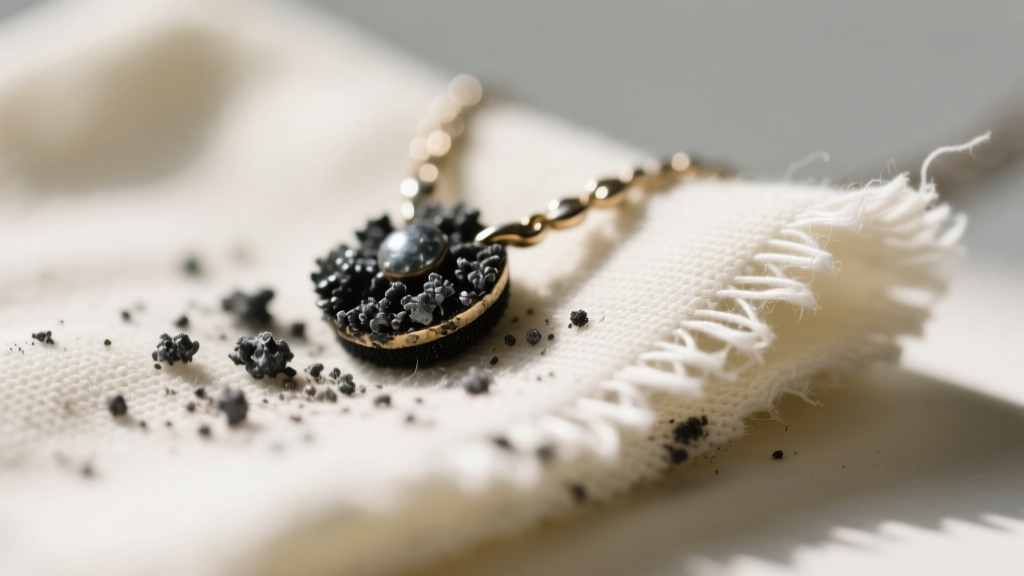
The black marks are actually silver sulfide—the exact tarnish you just removed from your jewelry. Washing the cloth in a machine or by hand will strip away the proprietary jeweler’s rouge and anti-tarnish chemicals, rendering it nothing more than an ordinary piece of flannel.
When to Replace Your Cloth
According to the Connoisseurs Official Care Guide, the cloth remains effective even when it turns completely black. However, you should replace it when:
- The cloth becomes stiff or crusty from accumulated metal particles and polish residue.
- It begins to leave black smudges on your jewelry instead of lifting them away.
- The fabric develops holes or fraying edges that could snag on delicate gemstone prongs.
For the average wearer polishing a few pieces a week, a single cloth will easily last 6 to 12 months. Store it in its original resealable pouch or an airtight Ziploc bag to prevent the anti-tarnish agents from reacting with the ambient air and degrading prematurely.
Final Thoughts
Mastering the use of a Connoisseurs jewelry polishing cloth is a foundational skill for any jewelry enthusiast. By understanding the dual-layer mechanics, respecting the boundaries of plated and porous materials, and employing linear polishing techniques, you can keep your collection looking as vibrant as the day it was purchased. Ditch the harsh chemical dips and ultrasonic guesswork; sometimes, the most sophisticated engineering comes wrapped in a simple red square of cotton.