How to Make Jewelry Cleaner at Home: Ingredient Buying Guide
Learn how to make jewelry cleaner at home with our expert ingredient buying guide. Discover safe surfactants, solvents, and tools for every metal.

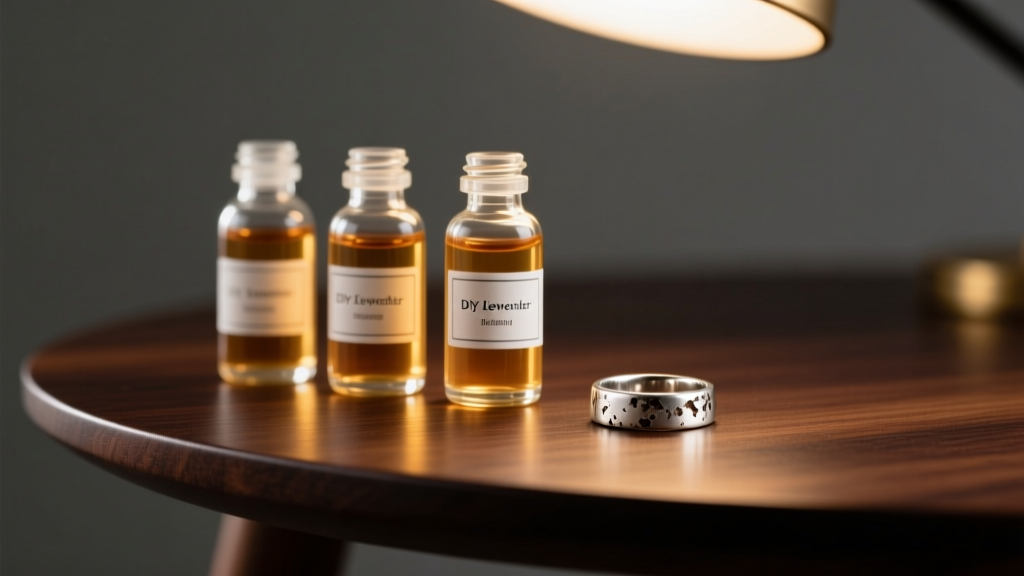
As consumers increasingly prioritize non-toxic, sustainable household routines, the demand for DIY jewelry care has surged. However, learning how to make jewelry cleaner at home is not simply about mixing random kitchen pantry items. The wrong chemical combination can strip rhodium plating, dissolve porous gemstone treatments, or loosen pave settings. This comprehensive buying guide focuses on what to look for when sourcing the raw ingredients, surfactants, and hardware necessary to build a professional-grade DIY jewelry cleaning arsenal safely and effectively.
The Chemistry of Clean: Sourcing the Right Surfactants
The foundation of any aqueous jewelry cleaner is a surfactant, which lowers the surface tension of water to lift oils, lotions, and sebum from underneath gemstone girdles and prong settings. When shopping for a base soap, you must scrutinize the ingredient list and pH balance.
What to Look For on the Label
Opt for pH-neutral or slightly alkaline liquid dish soaps (pH 7.0 to 8.5). The Gemological Institute of America (GIA) recommends mild, ammonia-free dish liquids for general gemstone cleaning. Avoid soaps containing d-limonene (citrus extract). While excellent for cutting kitchen grease, d-limonene is a mild solvent that can degrade the epoxy resins used in fracture-filled emeralds and destabilize the dyes in porous stones like turquoise and lapis lazuli.
- Buy: Unscented, dye-free, phosphate-free dish soaps (e.g., Seventh Generation Free & Clear or Dawn Ultra Original).
- Avoid: 'Heavy duty' degreasers, citrus-infused soaps, and moisturizing hand soaps (which leave a lipid film).
Solvents and Mild Acids: What to Buy and What to Ban
Water and soap cannot dissolve hardened cosmetic buildup or oxidized metals. For this, you need targeted solvents and mild acids. Sourcing the correct chemical grade is vital to prevent irreversible damage to precious alloys.
Isopropyl Alcohol (IPA)
For degreasing diamonds, sapphires, and rubies, high-purity Isopropyl Alcohol is unmatched. When shopping, look for 91% or 99% USP-grade IPA. Lower concentrations (70%) contain too much water and leave streaks upon evaporation. IPA is strictly for hard, non-porous stones and solid gold or platinum. Never use it on pearls, opals, or emeralds, as it will dehydrate their internal water content, leading to crazing and cracking.
The Toothpaste Myth and RDA Values
Many DIY guides recommend toothpaste for polishing silver. This is a catastrophic error. Toothpaste contains abrasive silica and calcium carbonate. The Relative Dentin Abrasivity (RDA) of standard whitening toothpaste ranges from 100 to 150. On the Mohs hardness scale, 18k gold is roughly 2.5 to 3, and sterling silver is 2.5 to 3. Toothpaste will permanently micro-scratch the metal, creating a dull, matte finish that requires professional re-polishing to fix.
Hardware Sourcing: Brushes, Cloths, and Ultrasonics
The mechanical action of cleaning is just as critical as the chemical solution. Buying the right tools ensures you dislodge dirt without scratching soft metals.
Bristle Sizing and Brush Selection
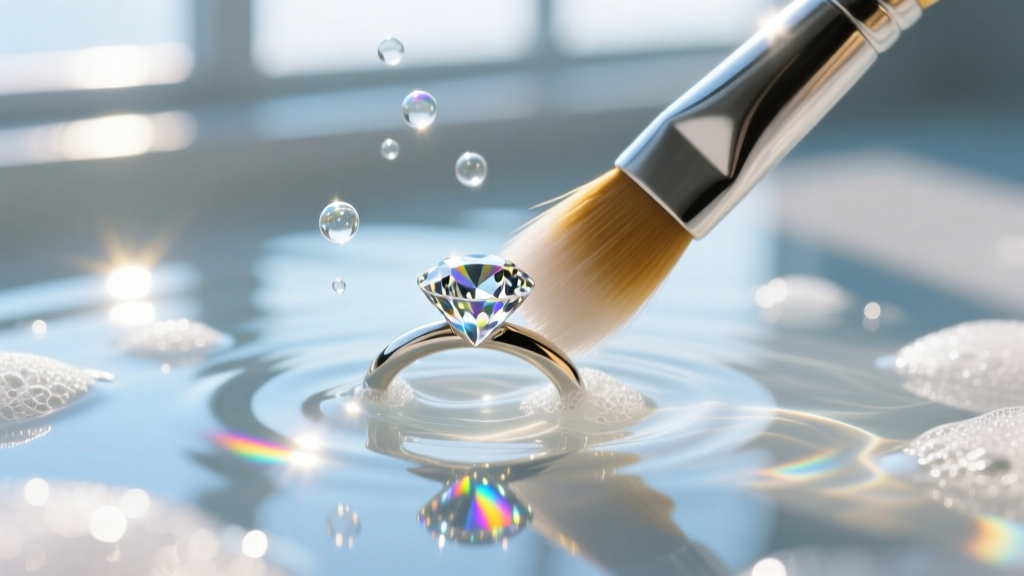
Do not use a standard 'soft' adult toothbrush. The bristles are typically 0.15mm to 0.20mm in diameter, which is stiff enough to mar high-polish gold. Instead, source extra-soft baby toothbrushes or specialized jewelry brushes with 0.1mm nylon bristles. For intricate filigree and milgrain detailing, buy wooden-handled brushes with natural horsehair bristles, which are inherently anti-static and softer than synthetic alternatives.
Ultrasonic Cleaners: Frequency Matters
If you are buying a tabletop ultrasonic cleaner to use with your DIY solutions, pay strict attention to the kHz (kilohertz) rating. Cheap, mass-market ultrasonics often operate at 20kHz to 25kHz. This low frequency creates large, violent cavitation bubbles that can literally shake diamonds out of worn pave prongs and fracture included stones. For jewelry, you must source a unit operating at 42kHz to 45kHz. This higher frequency produces smaller, gentler bubbles that safely clean deep into settings without compromising structural integrity.
Material-Specific Formulations and Failure Modes
Understanding the metallurgical and gemological limits of your jewelry dictates which DIY ingredients you should buy and use. Below is a decision matrix for safe home formulation.
| Material | Safe DIY Recipe | Fatal Ingredient (Failure Mode) |
|---|---|---|
| 18k/14k Yellow Gold | Warm water + pH-neutral dish soap + 0.1mm brush | Bleach (Causes stress corrosion cracking and gold dissolution) |
| Sterling Silver (High Polish) | 91% IPA for degreasing; untreated flannel for drying | Baking soda paste (Abrasive scratching ruins mirror finish) |
| Diamonds (Solitaire) | 1 part clear ammonia to 6 parts water + dish soap drop | Chlorine (Pits and weakens the alloy metals in the prongs) |
| Pearls & Opals | Damp, lint-free microfiber cloth only (No immersion) | Any acid, alcohol, or ultrasonic (Strips nacre, causes crazing) |
| Rhodium-Plated White Gold | Mild soap soak for max 3 minutes; gentle pat dry | Prolonged soaking or vigorous brushing (Strips thin rhodium layer) |
The Galvanic Silver Dip: Sourcing Aluminum and Baking Soda
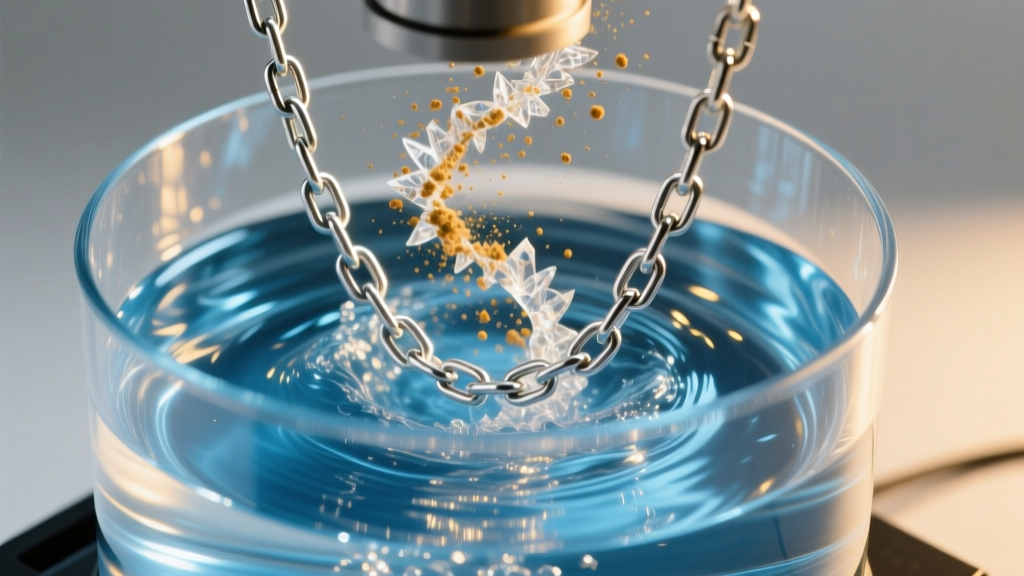
For heavily tarnished sterling silver chains and solid cast pieces, the electrochemical 'silver dip' method is highly effective. This requires sourcing pure aluminum foil and sodium bicarbonate (baking soda). By lining a glass bowl with aluminum foil (shiny side up), adding boiling water, a tablespoon of baking soda, and a pinch of salt, you create a galvanic cell. The aluminum acts as a sacrificial anode, pulling the silver sulfide (tarnish) off the jewelry and transferring it to the foil.
Expert Warning: While chemically fascinating, this method is indiscriminate. It will strip intentional oxidation (antiquing) from blackened silver crevices, ruining the designer's contrast. It can also degrade the porous structure of turquoise or coral if they are set in the silver piece. Use this method exclusively for solid, un-stoned silver chains and bangles.
When to Abandon DIY and Buy Commercial Solutions
While mastering how to make jewelry cleaner at home saves money and reduces chemical waste, there are scenarios where commercial, lab-formulated products are mandatory. According to metallurgical suppliers like Rio Grande, specialized alloys and delicate treatments require precise chemical buffers that cannot be replicated in a home kitchen.
- Enzymatic Pearl Cleaners: If you own high-value Akoya or South Sea pearls, buy a specialized enzymatic cleaner designed to break down body oils without altering the pearl's delicate pH.
- Anti-Tarnish Dips: For bulk silver cleaning, commercial thiourea-based dips (used with extreme caution and proper ventilation) offer a level of speed and uniformity that baking soda cannot match.
- Rhodium Re-plating: No cleaner will restore yellowing white gold. When the rhodium flash wears off, you must purchase professional re-plating services.
Final Verdict: Building Your Home Cleaning Arsenal
Creating a safe, effective DIY jewelry cleaning station is an exercise in applied chemistry. By carefully sourcing pH-neutral surfactants, high-purity solvents, and precision hardware like 42kHz ultrasonics and 0.1mm bristle brushes, you can maintain your collection to a professional standard. Always cross-reference your ingredients against the specific Mohs hardness and chemical vulnerabilities of your metals and gemstones before mixing your first batch.