How to Make Homemade Jewelry Cleaner: Material Science Guide
Learn how to make homemade jewelry cleaner using material science. Expert formulations for gold, silver, and gemstones based on Mohs hardness and pH.

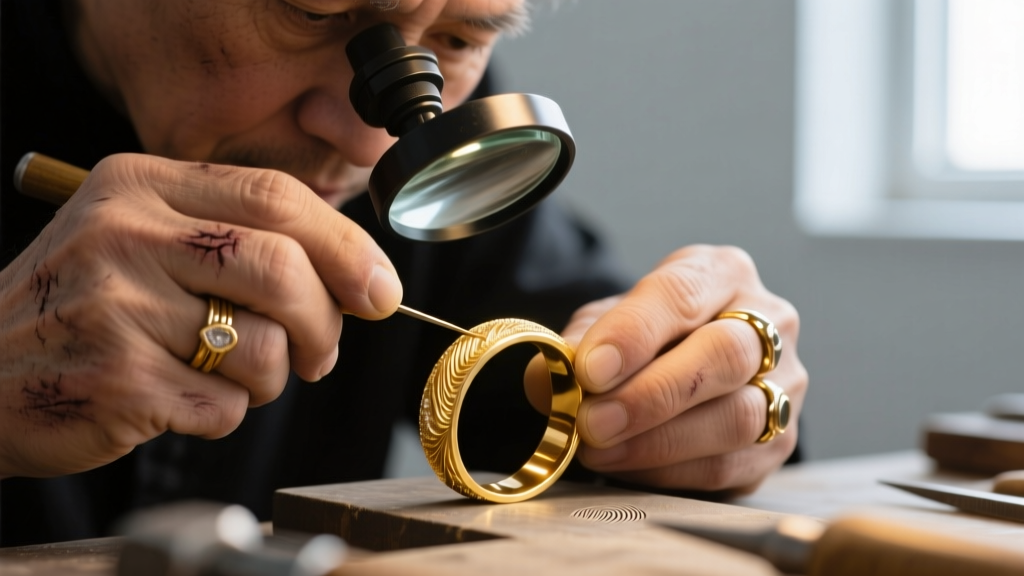
When searching for how to make homemade jewelry cleaner, most search results offer generic kitchen recipes that ignore the fundamental principles of material science and gemology. While a drop of dish soap might lift surface grease, treating a 22k gold band, a fracture-filled emerald, and a porous turquoise cabochon with the same DIY solution is a recipe for irreversible damage. As jewelry metallurgy and gem treatments evolve, so must our approach to at-home care. This expert guide bypasses the fluff and breaks down the exact chemical formulations, pH tolerances, and Mohs hardness constraints required to safely clean your precious metals and gemstones at home.
The Chemistry of Tarnish and Grime
Before formulating a cleaner, you must identify the contaminant. Jewelry grime is primarily composed of human sebum (which has an acidic pH of 4.5 to 6.0), dead epidermal cells, and environmental silicate dust. Sebum acts as a lipid binder, trapping microscopic dirt particles in the crevices of prong settings and under gallery wires.
Tarnish, conversely, is a chemical reaction. Sterling silver (92.5% silver, 7.5% copper) reacts with atmospheric hydrogen sulfide to form silver sulfide ($Ag_2S$), a dark, corrosion-resistant layer. Gold alloys (14k and 18k) contain copper and zinc, which can oxidize when exposed to the sulfur compounds in everyday cosmetics and lotions. Understanding whether you are dealing with a lipid-based grime or a chemical corrosion layer dictates whether you need a surfactant or a reducing agent.
Formulating the Base: Surfactants vs. Solvents
The foundation of any safe, multi-purpose DIY jewelry cleaner is an anionic surfactant. According to the Jewelers of America, mild, phosphate-free dish soaps are ideal because they lower the surface tension of water, allowing the solution to penetrate microscopic gaps between a diamond's pavilion and its setting.
The Universal Surfactant Matrix
- 8 ounces (236 ml) of Distilled Water: Never use tap water. Municipal water contains chlorine and dissolved minerals that can react with copper alloys and leave calcified spots on faceted gemstones.
- 3-4 drops of Mild Dish Soap: Avoid soaps with added moisturizers, citrus degreasers, or micro-beads. You want a simple sodium lauryl sulfate (SLS) or sodium laureth sulfate (SLES) base.
- Temperature Control: Heat the distilled water to exactly 105°F (40°C). This is warm enough to liquefy hardened sebum and cosmetic waxes, but cool enough to prevent thermal shock in temperature-sensitive stones like opals.
Material-Specific Homemade Cleaner Recipes
Not all metals respond to the same chemical environment. Below is a technical matrix detailing how to approach specific alloys based on their composition and hardness.
| Material | Mohs Hardness | Safe DIY Base | pH Tolerance | Strict Prohibitions |
|---|---|---|---|---|
| Platinum (950) | 4.0 - 4.5 | Surfactant + Ammonia | Neutral to Alkaline | Abrasive pastes |
| 18k Yellow Gold | 2.5 - 3.0 | Surfactant Only | Neutral (7.0) | Baking soda paste, Chlorine |
| Sterling Silver | 2.5 - 3.0 | Electrochemical Redox | Alkaline (8.0+) | Toothpaste, Lemon juice |
| 14k White Gold | 3.0 - 3.5 | Surfactant Only | Neutral (7.0) | Ultrasonic (if rhodium plated) |
The Electrochemical Silver Cleaning Method
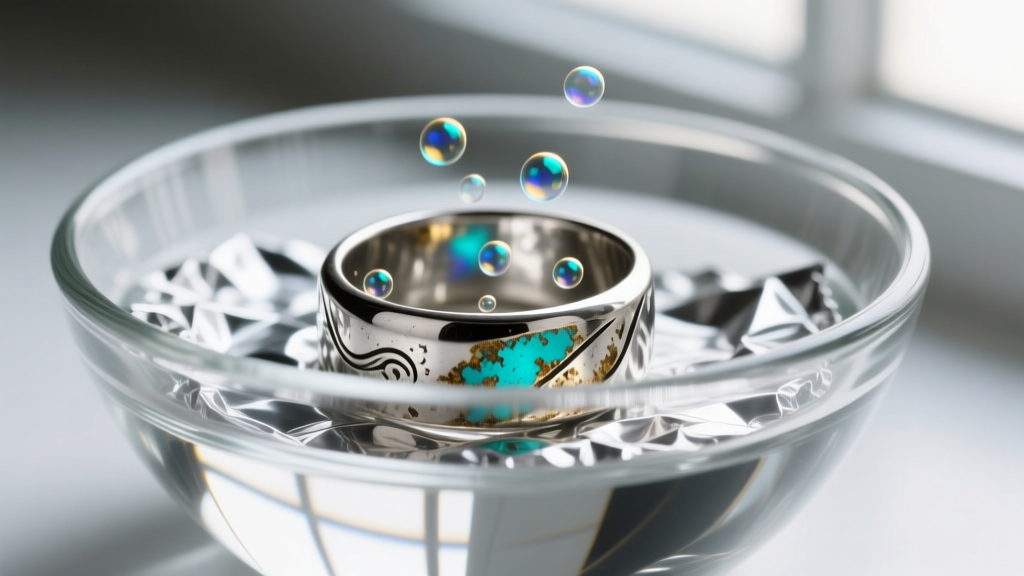
Polishing silver with a cloth removes microscopic layers of the metal. Instead, use an electrochemical redox reaction to convert silver sulfide back into elemental silver. Line a glass bowl with aluminum foil (shiny side up). Place the tarnished silver inside, ensuring it touches the foil. Add 1 tablespoon of baking soda (sodium bicarbonate) and 1 tablespoon of non-iodized salt per cup of boiling distilled water. Pour the solution over the jewelry. The chemical reaction ($3Ag_2S + 2Al \rightarrow 6Ag + Al_2S_3$) transfers the sulfur from the silver to the aluminum. You will smell a distinct sulfur (rotten egg) odor. After 3 minutes, remove, rinse in distilled water, and pat dry.
Gemstone Porosity and Chemical Vulnerability
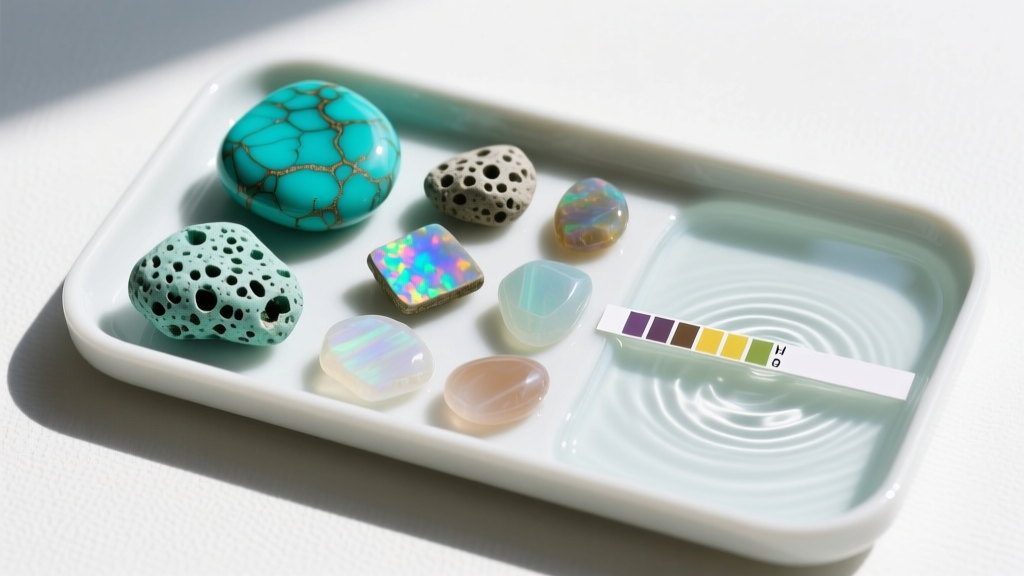
The Gemological Institute of America (GIA) continuously warns against using harsh chemicals on porous or treated gemstones. When formulating a cleaner for pieces with gemstones, the Mohs scale of mineral hardness and the stone's porosity are your primary constraints.
Expert Warning: Never use ammonia-based DIY cleaners on pearls, coral, turquoise, malachite, or lapis lazuli. These organic and porous stones have a low Mohs hardness (ranging from 2.5 to 6.0) and will absorb alkaline solutions, leading to permanent surface etching and color degradation.
Fracture-Filled Diamonds and Emeralds
Many commercial emeralds are treated with cedar oil or synthetic resins to mask natural fissures. Similarly, fracture-filled diamonds use glass-like substances to improve clarity. If your homemade cleaner contains ammonia, alcohol, or ultrasonic vibrations, it will dissolve or cloud these fillings, instantly devaluing the stone. For these gems, stick strictly to the lukewarm distilled water and mild surfactant matrix, using a soft, untreated goat-hair brush to gently agitate the crown.
What to Avoid: The Destructive DIYs
The internet is rife with cleaning hacks that cause catastrophic micro-scratching and structural failure. Avoid these common mistakes at all costs:
- Toothpaste: Toothpaste contains hydrated silica, an abrasive with a Mohs hardness of 3.5 to 4.5. Because 18k gold has a Mohs hardness of roughly 2.8, brushing it with toothpaste will permanently scratch the metal, creating a dull, matte finish that requires professional re-polishing to fix.
- Boiling Water: While boiling water might melt away heavy grease, dropping a room-temperature ring into boiling water causes rapid thermal expansion. This can shatter included diamonds, crack opals due to their high water content, and fracture emeralds along their natural cleavage planes.
- Lemon Juice and Vinegar: The acetic and citric acids in these household staples (pH 2.0 - 3.0) will aggressively eat away at the copper alloys in rose gold and sterling silver, causing a phenomenon known as selective leaching, which leaves the metal porous and brittle.
Final Rinsing and Drying Protocols
The cleaning process is only half the battle; improper drying leads to water spots and trapped moisture that can rust internal steel springs in clasps. After soaking and gently brushing your jewelry, rinse it under a slow stream of room-temperature distilled water. Never use paper towels or tissue paper to dry your jewelry; the wood pulp fibers are surprisingly abrasive and will leave micro-scratches on high-polish gold and platinum. Instead, use a lint-free microfiber cloth designed specifically for optics or jewelry. For intricate pavé settings where moisture hides, use a can of compressed air (held at least 6 inches away) or a professional jewelry steamer to blow the water out from under the gallery.
By treating jewelry cleaning as an exercise in applied chemistry rather than a generic household chore, you preserve the structural integrity, optical brilliance, and financial value of your collection for decades to come.


