Does Hydrogen Peroxide Clean Jewelry? A Material Safety Guide
Does hydrogen peroxide clean jewelry safely? Explore the chemical reactions, material compatibility, and risks for silver, gold, and gemstones.

The Short Answer: Does Hydrogen Peroxide Clean Jewelry?
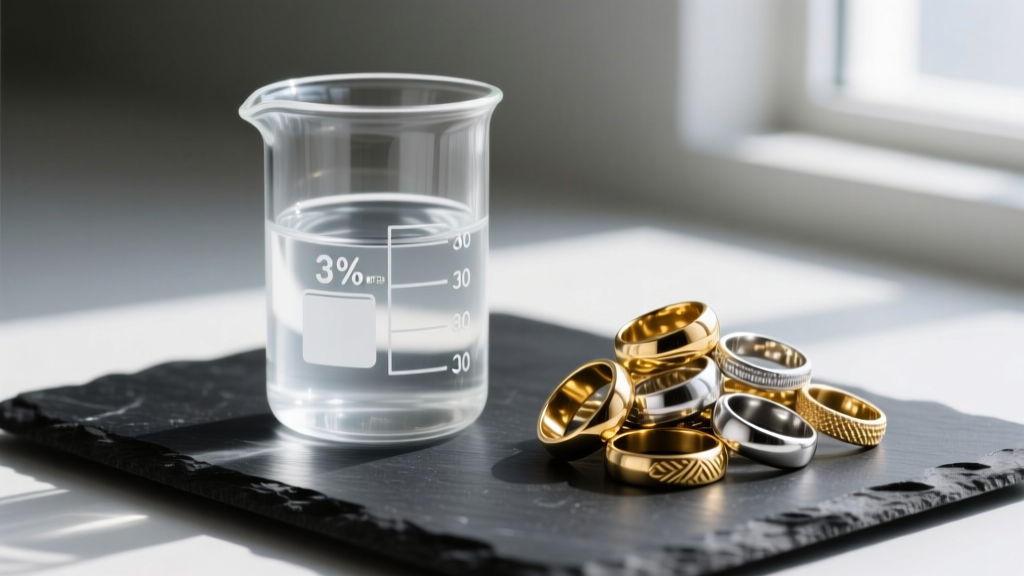
When searching for effective, low-cost home remedies, a common question arises among collectors and everyday wearers: does hydrogen peroxide clean jewelry without causing damage? The short answer is highly conditional. While a standard 3% household hydrogen peroxide solution is an excellent disinfectant and organic solvent, it is fundamentally a powerful oxidizing agent. This means its chemical behavior changes drastically depending on the metallurgical composition of your jewelry and the mineral structure of your gemstones.
Using hydrogen peroxide on a platinum diamond solitaire might yield brilliant results, but soaking a sterling silver ring or a natural pearl necklace in the same solution will result in catastrophic, sometimes irreversible, chemical damage. In this comprehensive material safety guide, we break down the exact chemical reactions, failure modes, and safe protocols for using hydrogen peroxide on fine jewelry.
The Chemistry of Oxidation: How H2O2 Interacts with Metals
Hydrogen peroxide (H₂O₂) is a reactive oxygen species. When it breaks down, it releases water and free oxygen radicals. In a jewelry cleaning context, these free radicals aggressively seek out electrons, leading to rapid oxidation. Understanding how different metal alloys react to this oxidative stress is critical for preserving your pieces.
Noble Metals: Gold and Platinum
Pure gold (24k) and platinum are noble metals, meaning they are highly resistant to corrosion and oxidation. Submerging a solid 18k yellow gold band or a 950 platinum setting in a 3% hydrogen peroxide bath will not damage the primary metal. However, most gold jewelry is alloyed with copper, silver, or zinc to increase durability (e.g., 14k or 18k gold). Prolonged exposure to H₂O₂ can cause microscopic oxidation of these secondary alloy metals, potentially dulling the finish or altering the hue of rose gold over time.
The Sterling Silver Disaster
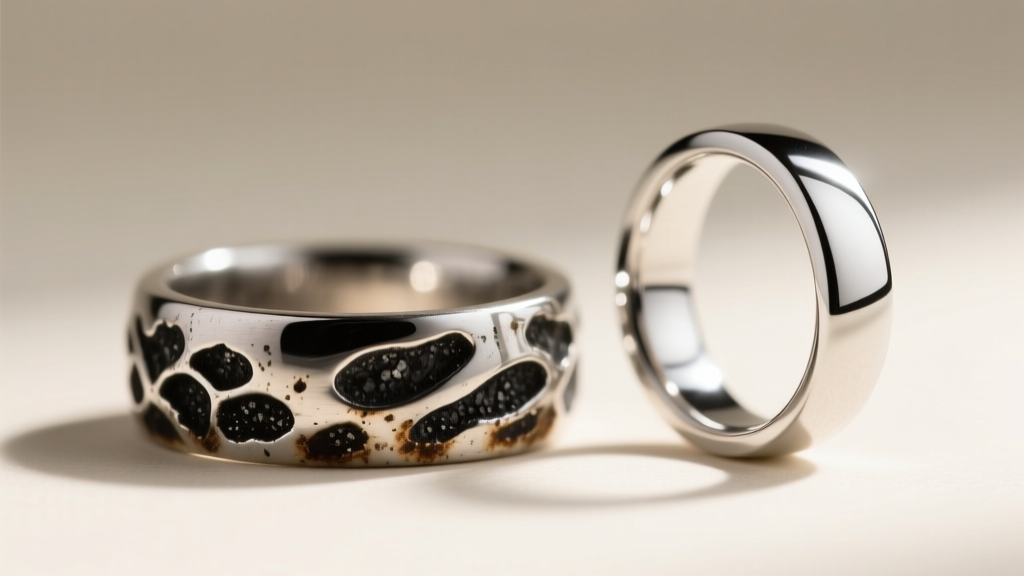
If you are wondering if hydrogen peroxide cleans silver jewelry, the answer is a resounding no. Sterling silver (92.5% silver, 7.5% copper) reacts violently with oxidizers. The hydrogen peroxide accelerates the formation of silver oxide (Ag₂O), which manifests as a thick, matte black tarnish. Furthermore, the copper alloy in sterling silver reacts to create copper oxide, compounding the discoloration. According to the Silver Institute, chemical oxidizers should be strictly avoided in favor of specialized silver polishing cloths or mild, non-abrasive foams.
Gemstone Porosity and Organic Degradation
The safety of hydrogen peroxide extends beyond the metal setting; the gemstone itself dictates the viability of this cleaning method. Gemstones are generally categorized by their Mohs hardness, but porosity and chemical stability are far more relevant when dealing with liquid oxidizers.
Organic Gemstones: Pearls, Coral, and Amber
Organic gemstones are incredibly sensitive. Pearls, for instance, are composed of calcium carbonate plates held together by an organic protein called conchiolin. Hydrogen peroxide will aggressively degrade the conchiolin matrix, leading to a loss of luster, surface pitting, and eventual structural crumbling. The Gemological Institute of America (GIA) strictly advises against using any harsh chemicals, ultrasonic cleaners, or oxidizers on pearls, recommending only a soft, damp cloth for maintenance.
Porous and Water-Bearing Stones: Opals and Turquoise
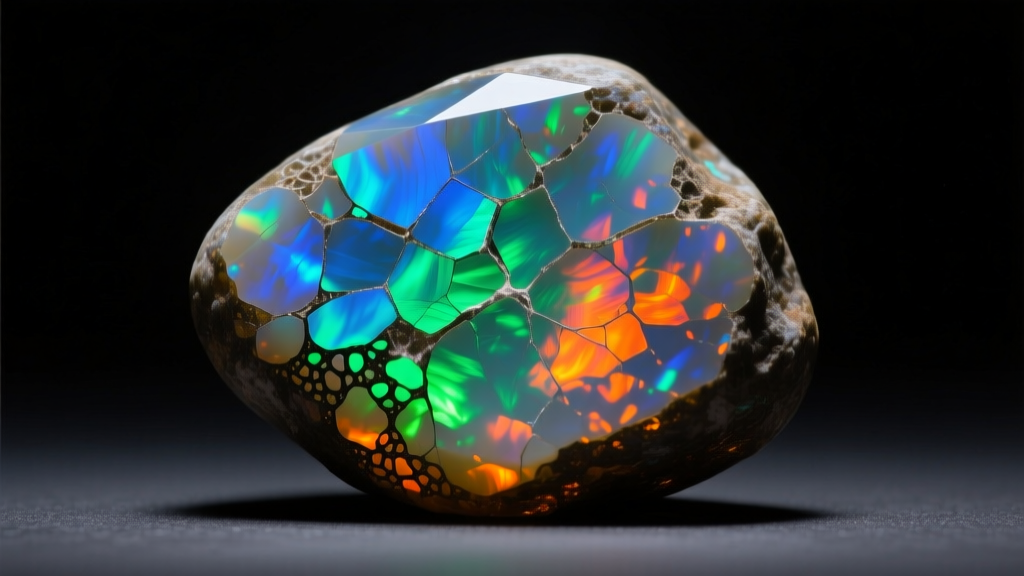
Opals contain anywhere from 3% to 21% water within their silica structure. Introducing a reactive chemical like H₂O₂ can disrupt this delicate moisture balance, leading to "crazing" (a network of fine internal cracks) and a complete loss of the stone's signature play-of-color. Similarly, turquoise and lapis lazuli are highly porous; they will absorb the peroxide, which can bleach the stone or cause permanent, blotchy discoloration.
The Emerald Fracture-Filling Failure Mode
Even hard, durable stones can harbor hidden vulnerabilities. Over 90% of natural emeralds on the market are fracture-filled with cedar oil, Opticon resin, or specialized polymers to improve clarity. Hydrogen peroxide can dissolve, cloud, or leach these fillers out of the stone's microscopic fissures. Once the filler is compromised, the emerald will appear heavily included, cloudy, and structurally fragile.
Material Compatibility Matrix
Use the following reference table to determine if your specific jewelry materials can withstand a 3% hydrogen peroxide cleaning solution.
| Material Category | Specific Examples | H₂O₂ Safety Rating | Chemical Risk / Failure Mode |
|---|---|---|---|
| Noble Metals | Platinum, 24k Gold, Titanium | Safe | No oxidative damage; safe for sanitizing. |
| Alloyed Gold | 14k/18k Yellow, White, Rose | Caution | Prolonged soaking may oxidize copper/zinc alloys. |
| Silver Alloys | Sterling (925), Argentium | Unsafe | Rapid Ag₂O formation; severe black tarnishing. |
| Durable Gems | Diamond, Sapphire, Ruby | Safe | Highly stable crystal structures; no porosity. |
| Treated Gems | Fracture-filled Emerald | Unsafe | Dissolves cedar oil/resin fillers; causes clouding. |
| Organic Gems | Pearl, Coral, Amber, Jet | Unsafe | Destroys conchiolin; causes pitting and melting. |
| Porous Gems | Opal, Turquoise, Lapis | Unsafe | Absorbs liquid; causes crazing and color bleaching. |
Safe Cleaning Protocol for Approved Materials
If you have confirmed that your jewelry consists entirely of safe materials (e.g., a platinum setting with a natural, untreated diamond), you can use hydrogen peroxide to lift organic buildup like lotions, dead skin, and sebum. Follow this exact protocol to ensure safety:
- Concentration Check: Only use standard 3% household hydrogen peroxide. Never use 35% "food grade" peroxide, which is highly caustic and will damage skin and metal finishes.
- The Ratio: Mix one part 3% hydrogen peroxide with two parts distilled water in a glass bowl. Avoid tap water, as dissolved minerals can leave spots.
- Time Limit: Submerge the jewelry for a maximum of 5 to 10 minutes. Do not leave it soaking overnight.
- Mechanical Action: Remove the piece and gently agitate the underside of the gemstone with a soft-bristled baby toothbrush to dislodge loosened grime.
- The Rinse: Rinse thoroughly under lukewarm distilled water to halt any residual oxidative activity.
- Drying: Pat dry with a lint-free microfiber cloth. Avoid air-drying, which can leave water spots on the metal.
Superior Alternatives for Sensitive Pieces
For the vast majority of jewelry that falls into the "Caution" or "Unsafe" categories, hydrogen peroxide is the wrong tool for the job. Instead, rely on these material-specific alternatives:
Mild Surfactant Solutions
A few drops of phosphate-free, mild dish soap (like original blue Dawn) mixed with lukewarm water is the gold standard for almost all jewelry, including porous stones and treated emeralds. The surfactants break down oils without triggering oxidative chemical reactions.
Specialized Polishing Cloths
For sterling silver and oxidized gold alloys, use a dual-layer jeweler's polishing cloth. The inner layer is treated with microscopic jeweler's rouge and anti-tarnish inhibitors, while the outer layer buffs the metal to a high shine without removing intentional patinas or rhodium plating.
Professional Ultrasonic Cleaning (With Caveats)
Ultrasonic cleaners use high-frequency sound waves to create microscopic cavitation bubbles that blast dirt from crevices. While exceptional for diamond and sapphire solitaires, ultrasonic vibrations can shatter emeralds, opals, and tanzanite, and will strip the rhodium plating off white gold. Always verify your gemstone's structural integrity before utilizing sonic cleaning technology.
Final Verdict
So, does hydrogen peroxide clean jewelry? Yes, but only for a very narrow subset of highly stable, non-porous, and non-organic materials. For everyday maintenance of mixed-metal and multi-gemstone pieces, the oxidative risks far outweigh the sanitizing benefits. By understanding the metallurgical and mineralogical properties of your collection, you can avoid catastrophic chemical reactions and keep your fine jewelry pristine for generations.


