How to Make Jewelry Cleaner: The Ultimate DIY Gift Guide
Learn how to make jewelry cleaner at home and curate bespoke, occasion-matched care kits. Perfect DIY gift ideas for bridesmaids and anniversaries.

The Art of Bespoke Jewelry Care Gifting in 2026
In the landscape of modern gifting, mass-produced chemical sprays are out, and artisanal, bespoke care kits are in. Learning how to make jewelry cleaner from scratch allows you to curate highly personalized, eco-conscious gifts that show a profound level of thoughtfulness. Whether you are assembling pamper boxes for a bridal party, an anniversary heirloom restoration set, or a Mother’s Day luxury basket, a DIY jewelry cleaning kit bridges the gap between practical utility and luxurious self-care.
As a senior style editor at Jewel Style Radar, I have seen a massive shift toward sustainable, pH-balanced, and non-toxic jewelry care. By formulating your own solutions, you control the ingredient quality, avoiding the harsh ammonia and synthetic fragrances found in commercial brands. This guide will walk you through the exact chemistry, material safety matrices, and occasion-matched packaging strategies to create unforgettable cleaning kits.
The Chemistry of Clean: Formulating Safe Solutions
Before bottling your creations, it is vital to understand the science of surfactants and pH levels. Jewelry accumulates sebum, dead skin cells, and cosmetic residues. To lift these oils without damaging precious metals or porous gemstones, you need a mild, pH-neutral (7.0) surfactant.
Commercial cleaners often rely on high-alkaline detergents that can strip the natural luster from pearls or degrade the fracture-fillings in treated emeralds. According to the Gemological Institute of America (GIA), many emeralds are treated with oils or resins that are easily destroyed by harsh chemicals or ultrasonic vibrations. Therefore, our DIY formulations prioritize gentle micelle-forming agents like organic liquid Castile soap.
Recipe 1: The Diamond & Platinum Power Solution
Diamonds are highly resistant to chemicals (rating a 10 on the Mohs scale), and platinum is incredibly dense. This solution is designed to cut through heavy lotion buildup and restore brilliant light return.
- Base: 1 cup warm distilled water (distilled prevents hard water mineral spots).
- Surfactant: 1 teaspoon organic liquid Castile soap.
- Degreaser: 1 tablespoon household ammonia (3-5% concentration). Note: Never use ammonia on porous gems or fracture-filled stones.
- Application: Soak for 15 minutes, then agitate with a 0.05mm nylon jewelry brush.
Recipe 2: The Gentle Gold & Soft Gem Emulsion
For 14k or 18k gold, silver, and softer stones like moonstone or turquoise, ammonia is strictly prohibited. This emulsion cleanses while leaving a micro-layer of shine.
- Base: 1 cup warm distilled water.
- Surfactant: 1.5 teaspoons pH-neutral baby shampoo or mild Castile soap.
- Luster Enhancer: 3 drops of sweet almond oil or jojoba oil (helps repel future fingerprints on gold).
- Application: Gentle swishing for 3 minutes; no soaking required.
The Danger Zone: Material Safety Matrix
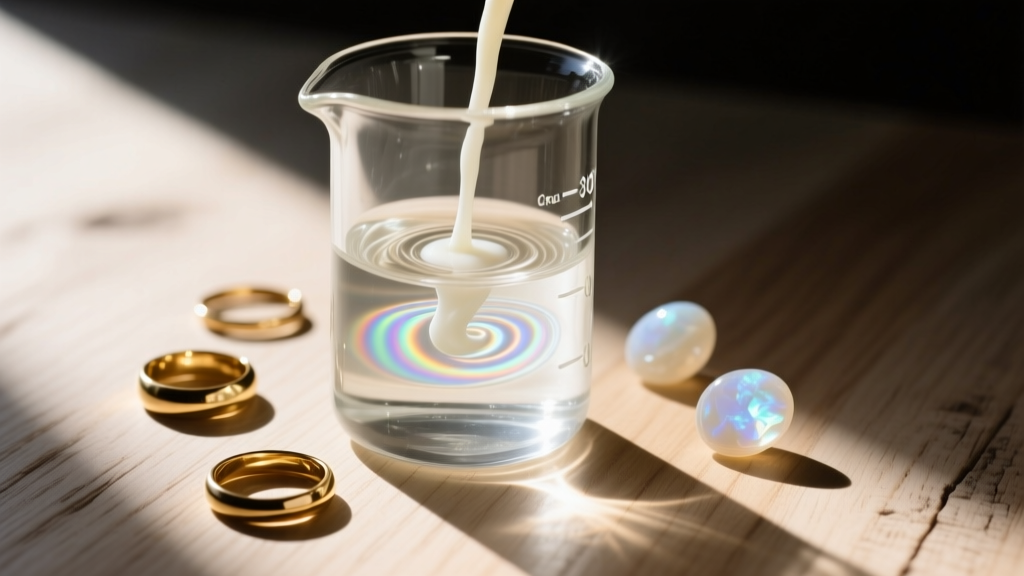
When gifting a DIY cleaner, you must include a beautifully printed warning card detailing what the solution can and cannot touch. Gifting a cleaner that ruins a recipient's favorite heirloom is a catastrophe. The GIA warns that organic gems like pearls, coral, and amber are highly porous and sensitive to even mild acids or alcohols.
| Gemstone / Metal | Safe DIY Ingredients | Strictly Avoid |
|---|---|---|
| Diamond & Platinum | Distilled water, Castile soap, dilute ammonia | Chlorine bleach (pits platinum) |
| Gold (14k/18k/22k) | Distilled water, baby shampoo, jojoba oil | Ammonia, baking soda (abrasive) |
| Sterling Silver | Mild soap, specialized silver polishing cloth | Salt, aluminum foil baths (can pit) |
| Pearls & Coral | Damp microfiber cloth only (no soaking) | ALL liquids, vinegar, ultrasonic |
| Emeralds & Opals | Dry, soft-bristle brush only | Soaps, oils, heat, ultrasonic |
Curating Occasion-Matched Cleaning Kits
The true magic of learning how to make jewelry cleaner lies in the presentation. Tailoring the kit to the specific occasion elevates it from a simple household chore supply to a cherished luxury experience.
The Bridesmaid Pamper Kit
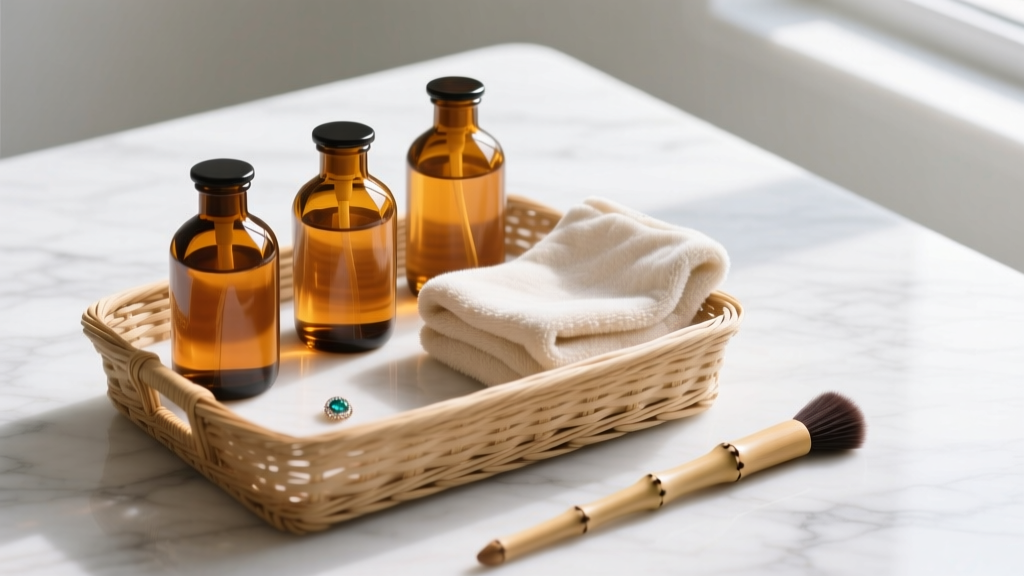
Bridesmaids often invest heavily in jewelry for the wedding day. Gift them a "Morning-Of" sparkle kit. Use 2 oz cobalt blue glass dropper bottles filled with the Gentle Gold Emulsion. Pair this with a 100% cotton flannel polishing pouch and a bamboo-handled detailing brush. Package everything in a reusable acrylic vanity organizer. The aesthetic is clean, spa-like, and highly photogenic for getting-ready photos.
The Anniversary Heirloom Restoration Set
For a milestone anniversary (e.g., 10th or 25th), the recipient likely possesses high-value, sentimental pieces. Create a "Heritage Care" box. Line a walnut wood valet tray with velvet, and include your Diamond & Platinum Power Solution in a premium 4 oz amber Boston round bottle. Include a jeweler's loupe (10x magnification) so they can inspect the prongs of their rings while cleaning, and a high-grade untreated chamois leather for drying. This kit communicates deep respect for their family heirlooms.
The New Graduate 'First Apartment' Essentials
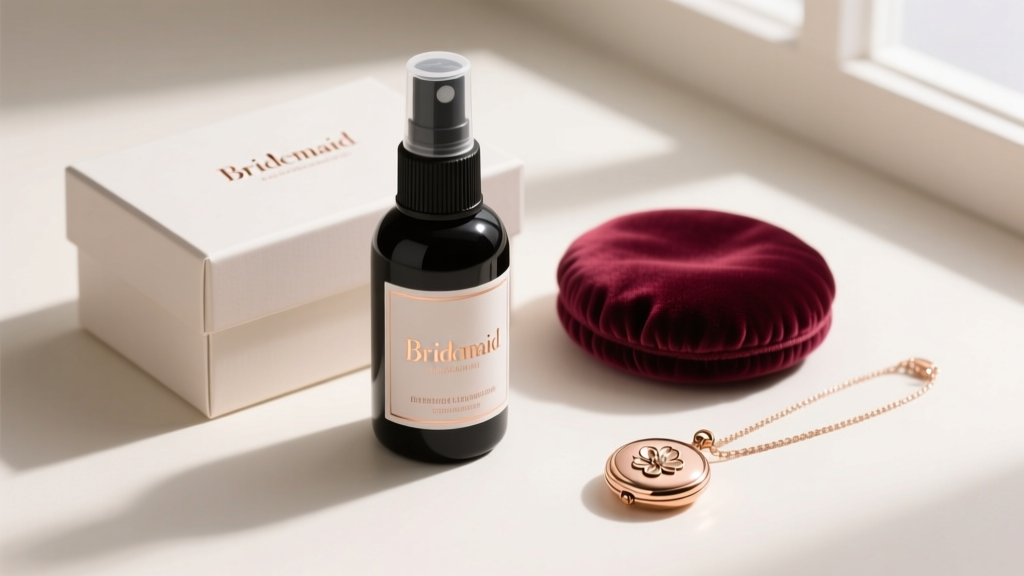
Recent graduates entering the professional world are often building their first fine jewelry wardrobes (like a quality everyday gold hoop or a subtle pendant). A practical, minimalist kit is ideal. Use a sleek, matte-black aluminum spray bottle containing a universal mild-surfactant mix. Include a dual-sided microfiber cloth (one side for washing, one for buffing) and a sleek silicone travel case for their jewelry. It is modern, durable, and perfect for small apartment bathrooms.
Sourcing Premium Packaging & Tools
To ensure your DIY kit feels like a $150 luxury product rather than a science experiment, packaging is paramount. Avoid cheap plastic spray bottles that degrade and leach chemicals into your formulation.
- Bottles: Source amber or cobalt Boston round glass bottles. The dark glass protects the integrity of any natural oils used in your emulsion. Expect to pay around $1.20 to $1.80 per bottle from wholesale suppliers like Specialty Bottle or Berlin Packaging.
- Caps: Always use polycone-lined caps. Standard lids will allow the water content to evaporate over time, leaving behind a concentrated, sticky soap sludge.
- Brushes: Ditch the generic "soft toothbrush" advice. Purchase specialty 0.05mm nylon jewelry brushes with tapered bamboo handles. They reach deep into pavé settings without scratching the gold alloy.
- Labels: Use waterproof, matte-finish vinyl labels. Include the formulation date, the exact ingredients (for allergy safety), and a minimalist logo or monogram.
Final Presentation & Gifting Etiquette
When presenting your bespoke jewelry cleaner kit, always include a beautifully typeset instruction card. Detail the exact soaking times, the proper brushing technique (always brush from the back of the setting forward to push debris out, not deeper in), and the crucial material safety warnings.
By mastering how to make jewelry cleaner at home, you are not just giving a liquid in a bottle; you are gifting the preservation of memories, the restoration of brilliance, and a commitment to sustainable luxury. In 2026, the most memorable gifts are those that combine artisanal craftsmanship with everyday utility, ensuring your present remains a cherished part of their daily ritual for years to come.
Pro-Tip for Gifting: Never pre-clean the recipient's jewelry for them as a surprise. Some vintage pieces have loose prongs or degraded adhesives that can fail when submerged in liquid. Always gift the kit and let them perform the care ritual themselves.


