Does Alcohol Clean Jewelry Safely? 2026 Guide & Warnings
Does rubbing alcohol clean jewelry safely? Step-by-step guide for rings, chains & gemstones—plus what to avoid. Protect your pieces with pro tips!

The Short Answer: Does Alcohol Clean Jewelry?
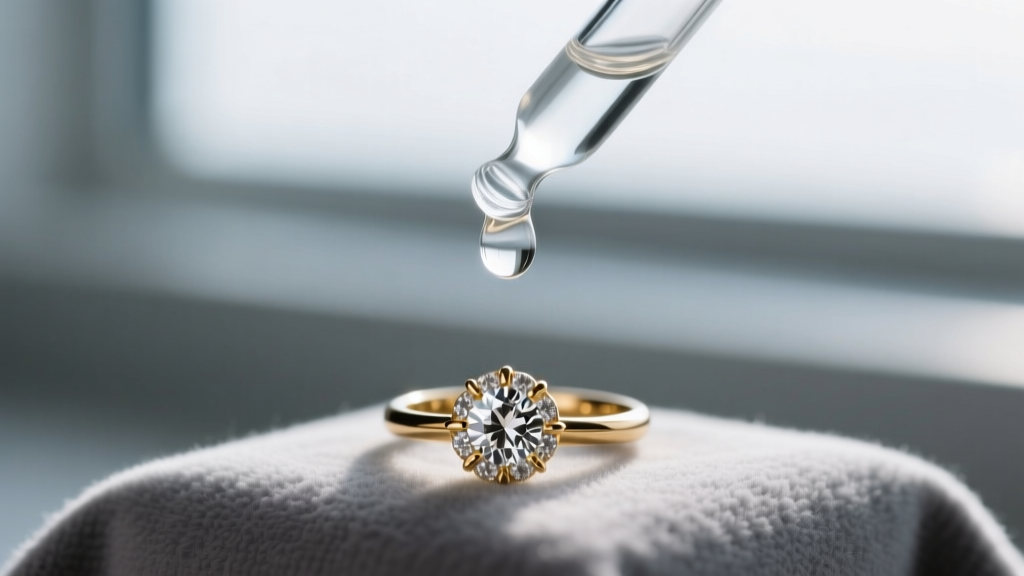
When you are staring at a cloudy diamond or a smudged gold band, the question does alcohol clean jewelry often comes to mind. The short answer is yes, but with severe caveats. Isopropyl alcohol (IPA) is a highly effective solvent that rapidly cuts through sebum, cosmetic lotions, and everyday grease. However, it is not a universal cleaner. While it is perfectly safe for hard, non-porous metals and certain gemstones, it can catastrophically damage organic gems, porous stones, and treated minerals.
As a general rule for 2026 jewelry care, rubbing alcohol should be viewed as a targeted degreaser rather than an all-purpose bath. Understanding the chemical interaction between IPA and your specific jewelry materials is the difference between restoring a brilliant shine and permanently ruining a family heirloom. Below, we break down the exact material compatibilities, provide a step-by-step cleaning protocol, and explain the science behind alcohol-induced gemstone damage.
Material Compatibility Chart: What Can and Cannot Touch Alcohol
Before you unscrew the cap on that bottle of rubbing alcohol, cross-reference your jewelry materials with this compatibility matrix. The Gemological Institute of America (GIA) strictly warns against using harsh solvents on porous or treated stones.
| Material | Alcohol Safe? | Expert Notes & Failure Modes |
|---|---|---|
| Platinum & Palladium | Yes | Highly resistant to solvents; alcohol safely removes skin oils without affecting the metal's patina. |
| 14k, 18k, & 24k Gold | Yes | Safe for all colors (yellow, white, rose). Will not strip rhodium plating on white gold if used briefly. |
| Sterling Silver (925) | Caution | Can strip anti-tarnish coatings. Prolonged soaking may accelerate oxidation if the alloy contains high copper. |
| Titanium & Niobium | Yes | Excellent for sanitizing body jewelry (e.g., 14-gauge septum clickers) before insertion. |
| Diamonds, Rubies, Sapphires | Yes | Hardness (Mohs 8-10) and lack of porosity make them completely immune to IPA damage. |
| Emeralds | NO | Strips fracture-filling oils, causing immediate clouding and highlighting internal fissures. |
| Opals & Moonstones | NO | Dehydrates the stone's internal water content, leading to irreversible crazing (micro-cracks). |
| Pearls, Coral, Amber | NO | Dissolves the organic calcium carbonate structure and strips the natural luster permanently. |
Step-by-Step: How to Clean Safe Metals with Isopropyl Alcohol
If your piece consists entirely of safe metals and hard gemstones (like a plain gold wedding band or a platinum diamond solitaire), follow this precise protocol for optimal results.
- Select the Right Concentration: Use 70% isopropyl alcohol, not 91% or 99%. The 30% water content in the 70% solution slows down the evaporation rate, giving the solvent adequate time to break down lipid bonds and dissolve stubborn lotion buildup on the metal.
- Prepare the Bath: Pour roughly two ounces of 70% IPA into a small glass bowl. Never use plastic, as high-concentration alcohols can sometimes degrade soft plastics over time, leaving a cloudy film on your jewelry.
- The 5-Minute Soak: Submerge the jewelry for exactly 3 to 5 minutes. This is enough time to loosen sebum trapped under the gallery of a ring setting without risking damage to any secondary adhesives (though soldered settings are preferred for alcohol soaking).
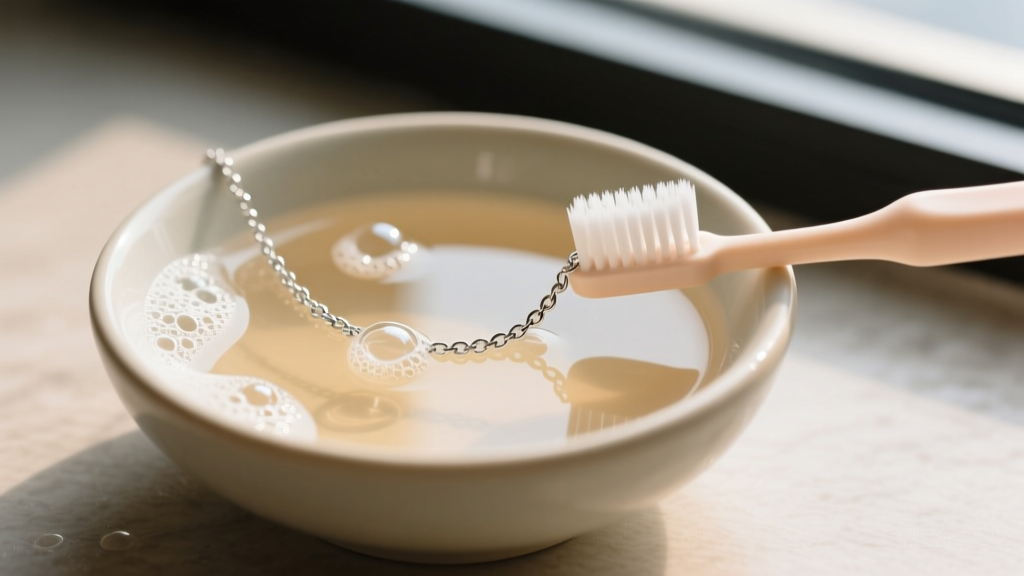
- Mechanical Agitation: Remove the piece and gently scrub the underside of the setting and the band with a soft-bristled baby toothbrush. The bristles must be ultra-soft to prevent micro-scratching on high-polish gold surfaces.
- Evaporation and Buffing: Shake off the excess liquid and let it air dry for 60 seconds. Finish by buffing the metal with a clean, lint-free microfiber cloth to remove any final water spots.
The Danger Zone: Gemstones and Organic Materials
The most common mistake consumers make is assuming that if alcohol cleans a diamond, it will clean an emerald. This misconception leads to thousands of dollars in lapidary repair bills every year. To understand why, we have to look at how these stones are treated before they ever reach the retail market.
Why Emeralds and Opals Degrade in Alcohol
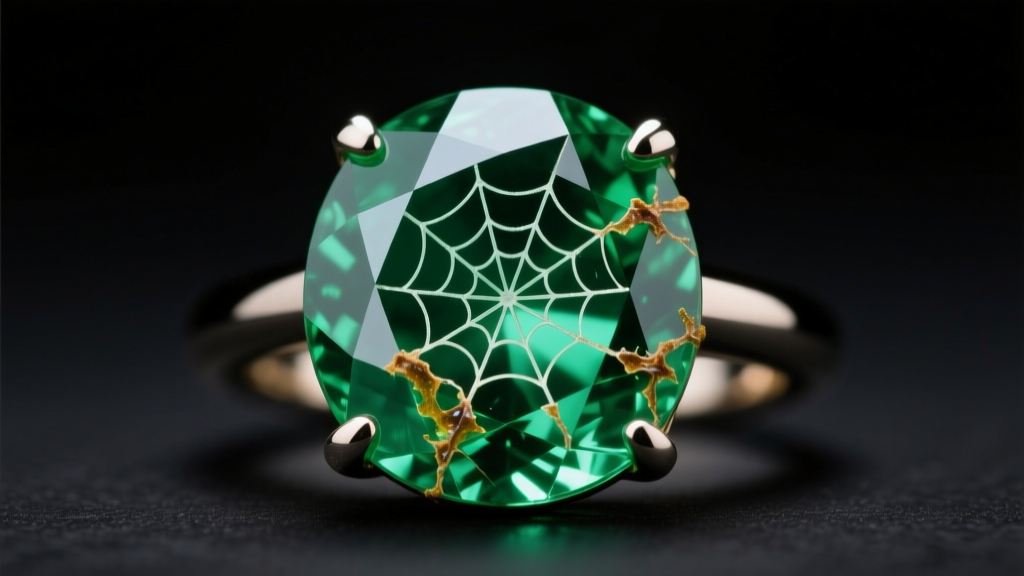
According to the GIA's emerald care guidelines, the vast majority of natural emeralds on the market are heavily included and feature surface-reaching fractures. To improve clarity, lapidaries routinely fill these fissures with cedar oil or synthetic resins like Opticon. Isopropyl alcohol is a potent degreaser; when an oiled emerald is exposed to IPA, the solvent dissolves and extracts the cedar oil. The result is a stone that suddenly appears opaque, heavily included, and fractured with stark white lines. Once the oil is stripped, it must be professionally re-oiled in a vacuum chamber to restore its transparency.
Opals suffer from a completely different failure mode. Precious opals contain anywhere from 3% to 21% water within their silica structure. Alcohol is a desiccant. Submerging an opal in rubbing alcohol forces the internal moisture out rapidly, causing the stone to shrink unevenly. This results in "crazing"—a permanent, spiderweb-like network of internal cracks that completely destroys the stone's structural integrity and play-of-color.
Alternative Solutions for Alcohol-Sensitive Pieces
For the materials listed in the "NO" category on our compatibility chart, you must abandon solvents entirely and rely on gentle, pH-neutral surfactants.
- The Dish Soap Method: Mix three drops of mild, phosphate-free dish soap (like Dawn) into a bowl of lukewarm water. Never use hot water, as thermal shock can fracture opals and shatter treated emeralds.
- Soft Wiping for Organics: For pearls and amber, never submerge them. Dampen a microfiber cloth with the soapy water, gently wipe the surface of the gem, and immediately dry it with a separate soft cloth to prevent water from seeping into the drill holes and rotting the silk thread.
- Ultrasonic Caveats: While ultrasonic cleaners are fantastic for diamonds and plain gold, the high-frequency vibrations will shatter emeralds, opals, and tanzanite. Keep these stones far away from ultrasonic tanks.
Expert Troubleshooting: Fixing Alcohol Damage
If you have already made the mistake of soaking a sensitive piece in rubbing alcohol, do not panic, but act methodically. The damage is often reversible if handled by a professional.
Stripped Emeralds: Do not attempt to re-oil the stone yourself with household oils, as these can turn rancid and yellow over time. Take the piece to a certified gemologist or lapidary. They will clean the stone ultrasonically (if the fracture network allows) and re-infuse it with the appropriate synthetic resin or cedar oil under pressure.
Dulled Sterling Silver: If alcohol has stripped the anti-tarnish coating off your silver chain, the metal will oxidize much faster when exposed to sulfur in the air. To restore the shine, use a treated polishing cloth, such as a Sunshine cloth, which contains microscopic jeweler's rouge. Gently rub the chain to remove the tarnish, then store it in an airtight anti-tarnish ziplock bag with a 3M silica gel tab to absorb ambient moisture.
The Golden Rule of Jewelry Cleaning: Alcohol is a degreaser, not a universal polish. When in doubt about a gemstone's porosity or treatment history, skip the rubbing alcohol and stick to lukewarm water, mild soap, and a soft brush. When the question "does alcohol clean jewelry" arises, always verify the stone's Mohs hardness and treatment record first.


