Does GLD Jewelry Tarnish? The Ultimate Care & Cleaning Guide
Discover if GLD jewelry tarnishes and learn expert cleaning tips for plated, PVD, and solid gold hip-hop chains, pendants, and iced-out pieces.

The Short Answer: Does GLD Jewelry Tarnish?
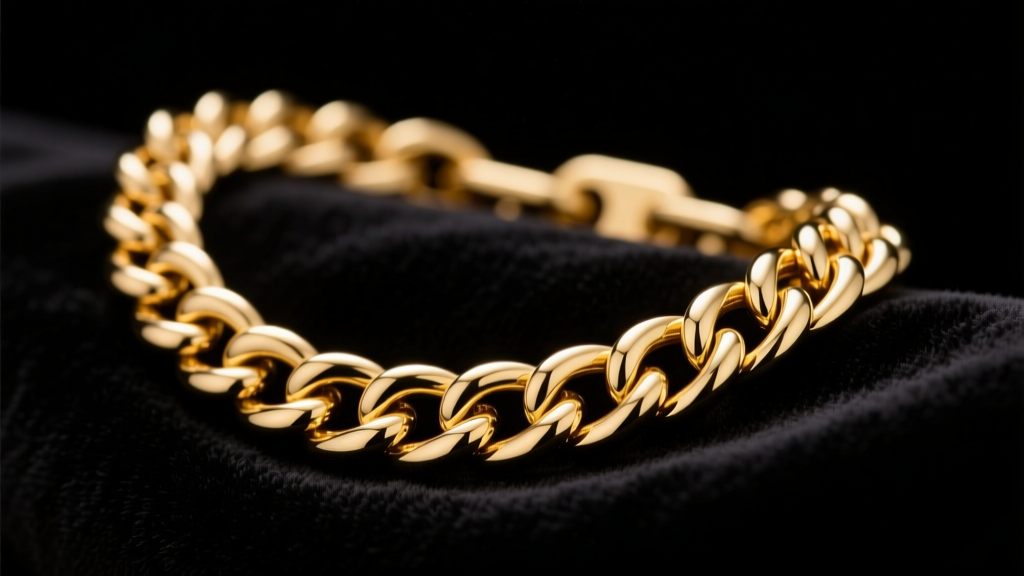
If you have ever browsed the massive catalog of hip-hop chains, iced-out pendants, and tennis bracelets from The GLD Shop, you have likely asked yourself: does gld jewelry tarnish? The short answer is that it depends entirely on the specific material tier you purchase. GLD manufactures its jewelry across three distinct metallurgical categories: gold-plated brass, PVD-coated stainless steel, and solid 10k or 14k gold. While solid gold will never tarnish, gold-plated brass pieces are highly susceptible to oxidation and copper-leaching when exposed to sweat, friction, and environmental sulfur. PVD (Physical Vapor Deposition) stainless steel sits in the middle, offering immense tarnish resistance but requiring specific cleaning protocols to maintain its mirror-like luster.
Understanding the baseline material of your specific GLD piece is the first step in establishing a proper care routine. A 1-micron gold plating over a brass base requires vastly different maintenance than a titanium nitride PVD coating over surgical steel. Below, we break down the exact material science, tarnish timelines, and professional cleaning frameworks required to keep your GLD rotation looking factory-fresh.
Material Breakdown & Tarnish Timelines
Not all GLD chains and pendants are created equal. The brand offers entry-level fashion pieces alongside high-end investment-grade solid gold. Here is a data-driven comparison of their core materials and how they react to daily wear.
| Material Tier | Base Metal | Surface Coating | Tarnish Risk | Expected Lifespan (Daily Wear) |
|---|---|---|---|---|
| Standard Plated | Brass / Copper Alloy | 14k/18k Gold Electroplating | High | 6 - 12 Months |
| PVD Collection | 316L Stainless Steel | PVD Gold (Titanium Nitride) | Very Low | 2 - 5 Years |
| Solid Gold | 10k / 14k Gold Alloy | None (Solid throughout) | None | Lifetime |
The Chemistry of Sweat and Brass Oxidation
Why do entry-level gold-plated pieces tarnish so quickly? The culprit is the brass base metal. Brass is an alloy of copper and zinc. When the thin layer of gold plating wears down due to friction against your neck or chest, the exposed brass reacts with the lactic acid, urea, and salts present in human sweat. This chemical reaction creates copper chloride and copper sulfate, which manifest as a dark, muddy tarnish on the jewelry and often leave a green or black residue on your skin. According to guidelines from Jewelers of America, acidic skin pH levels (below 5.5) can accelerate the breakdown of thin gold electroplating in a matter of weeks.
Daily Maintenance: Preventing Tarnish Before It Starts
The most effective cleaning method is proactive maintenance. If you are wearing GLD's gold-plated brass collections, you must minimize the metal's exposure to corrosive elements. PVD stainless steel is much more forgiving, but it still attracts sebum (skin oils) and dead skin cells that can dull the finish and trap bacteria against the skin.
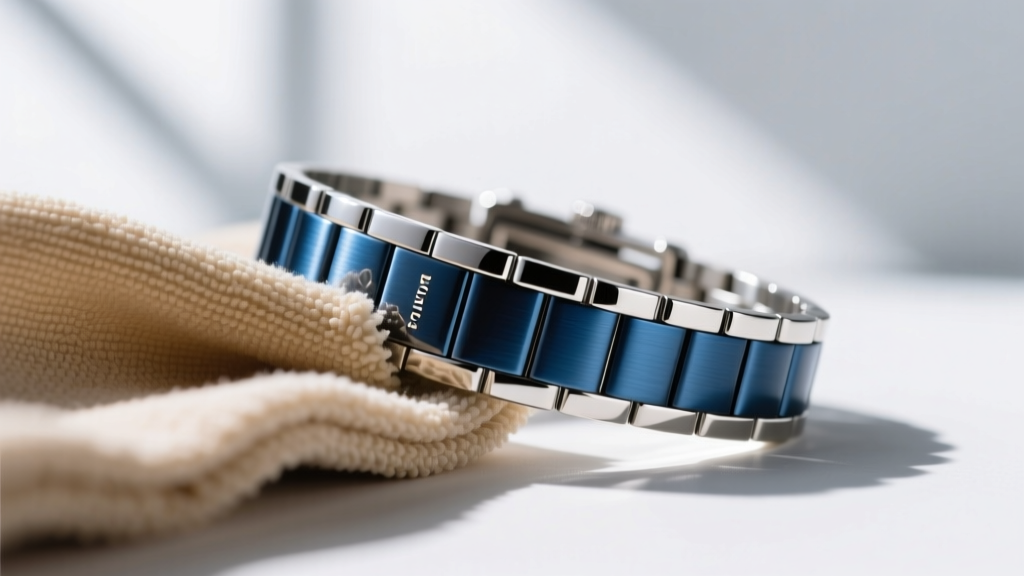
- The Post-Wear Wipe Down: Keep a dedicated, untreated microfiber jewelry cloth near your dresser. After taking off your GLD chain or pendant, spend 15 seconds gently wiping down the links and clasp. This removes microscopic sweat and acidic oils before they have time to etch into the plating or PVD coating.
- The Shower Rule: Never wear gold-plated brass in the shower. Modern shampoos and body washes contain sulfates and chelating agents designed to strip oils from your hair and skin; these same chemicals will strip the microscopic gold layer from your jewelry. PVD stainless steel can survive occasional shower exposure, but hard water minerals will eventually cause cloudy spotting.
- Friction Management: Heavy Cuban links resting against a hairy chest or rough cotton t-shirts create micro-abrasions. Over time, this friction acts like fine sandpaper, wearing through the gold plating down to the brass core. Wear plated pieces over smooth fabrics or directly on bare, clean skin to maximize their lifespan.
Deep Cleaning GLD Pieces: What to Use and What to Avoid
When your GLD jewelry loses its shine or accumulates grime in the intricate link gaps, it is time for a deep clean. However, the internet is full of disastrous DIY jewelry cleaning hacks that will permanently ruin hip-hop pieces.
The Safe DIY Cleaning Solution for Plated & PVD Pieces
Forget baking soda, toothpaste, or lemon juice. Baking soda is highly abrasive and will scratch soft gold plating, while lemon juice is acidic and will accelerate brass oxidation. Instead, use this professional-grade, gentle cleaning recipe:
- Prepare the Solution: Mix one cup of distilled water (never tap water, as chlorine and fluoride cause spotting) with two drops of mild, phosphate-free dish soap (like Dawn).
- The Soak: Submerge your GLD chain or pendant in the solution for exactly 3 to 5 minutes. Do not exceed this time, especially for plated brass, to prevent water from seeping into microscopic pores.
- Agitation: Use a brand-new, extra-soft baby toothbrush to gently sweep the bristles across the links, focusing on the clasp and the underside of the chain where dead skin accumulates.
- The Rinse & Dry: Rinse briefly under a gentle stream of lukewarm distilled water. Immediately pat dry with a lint-free microfiber cloth, and use a hair dryer on the 'cool' setting to blow moisture out of the tight link gaps.
Cleaning Iced-Out CZ & Moissanite Settings
GLD is famous for its fully iced-out pendants and busts. The majority of their accessible collections use precision-set Cubic Zirconia (CZ), while their premium tiers feature Moissanite or natural diamonds. The cleaning protocol changes drastically depending on the stone and the setting method.
Critical Warning: Never use ultrasonic cleaners on GLD's iced-out CZ jewelry. According to the Gemological Institute of America (GIA), the high-frequency cavitation bubbles generated by ultrasonic machines can easily shake loose stones that are secured with jewelry adhesive rather than traditional metal prongs. Furthermore, ultrasonic waves can fracture CZ stones that have internal tension or microscopic surface flaws.
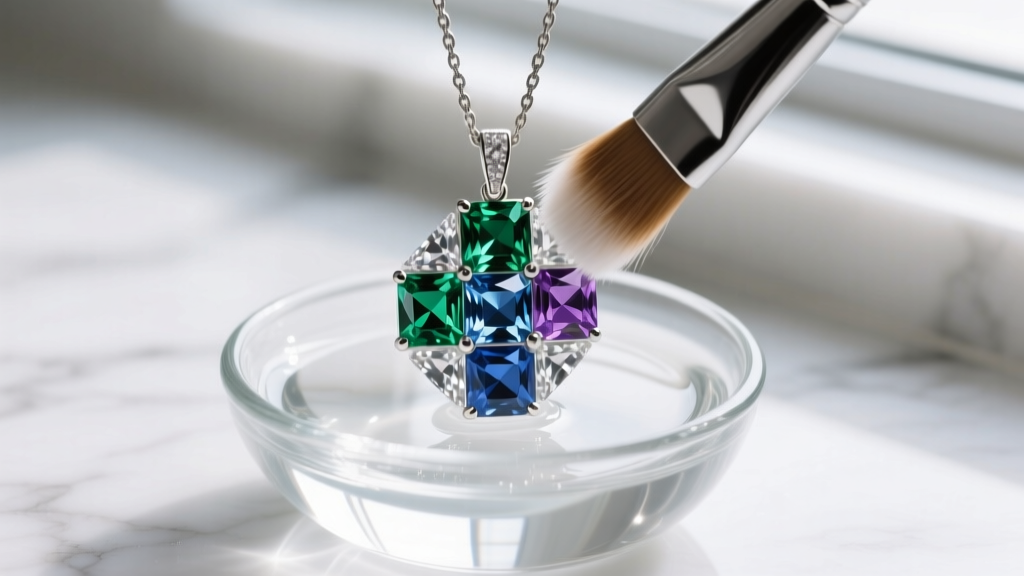
For iced-out pieces, rely entirely on the soapy distilled water soak mentioned above. When brushing around the stones, use a soft makeup brush or a dedicated jewelry brush with ultra-fine bristles to sweep dust and lotion residue away from the pavilion (the bottom of the stone) where light reflection is blocked. If your piece features Moissanite or real diamonds set in solid gold prongs, you can safely use a specialized, ammonia-based diamond cleaning pen to restore maximum brilliance, but avoid getting the ammonia on the gold-plated brass sections of the piece.
Restoring Faded or Tarnished GLD Chains
If your gold-plated GLD piece has already begun to tarnish or show the brassy undertone of the base metal, aggressive polishing will only make the problem worse. Standard silver polishing cloths are treated with micro-abrasives and chemical tarnish-removers designed to strip silver sulfide. When used on gold plating, these cloths will strip the remaining gold layer entirely.
For lightly tarnished plated pieces, a gentle wipe with a jewelry cloth treated specifically with a mild gold-polishing compound may restore some shine. However, if the brass is fully exposed and turning your skin green, the only true restoration method is professional re-plating. Many local jewelers offer electroplating services where they can strip the remaining degraded gold, polish the brass base, and apply a fresh 2-micron layer of 14k or 18k gold, effectively making the chain brand new for a fraction of the replacement cost.
Expert Verdict & Final Storage Protocols
So, does gld jewelry tarnish? Only if you neglect the specific metallurgical needs of the piece you bought. To guarantee the longest possible lifespan for your entire collection, your storage environment is just as critical as your cleaning routine.
Never toss multiple chains into a single drawer where they can tangle and scratch one another. Store each GLD piece in an individual, airtight polyethylene ziplock bag. Squeeze out as much air as possible before sealing to limit oxygen exposure. For an extra layer of protection, drop a 3M anti-tarnish strip or a small silica gel desiccant packet into each bag. The anti-tarnish strip will absorb airborne sulfur compounds before they can react with the metal, while the silica gel eliminates ambient humidity that accelerates brass oxidation. By combining mindful wearing habits, gentle chemical-free cleaning, and airtight storage, your GLD rotation will maintain its heavy, iced-out brilliance for years to come.


