Does Zinc Jewelry Tarnish? A Step-by-Step Cleaning Guide
Discover if zinc jewelry tarnishes and learn expert step-by-step cleaning methods to safely remove oxidation and restore your alloy pieces.

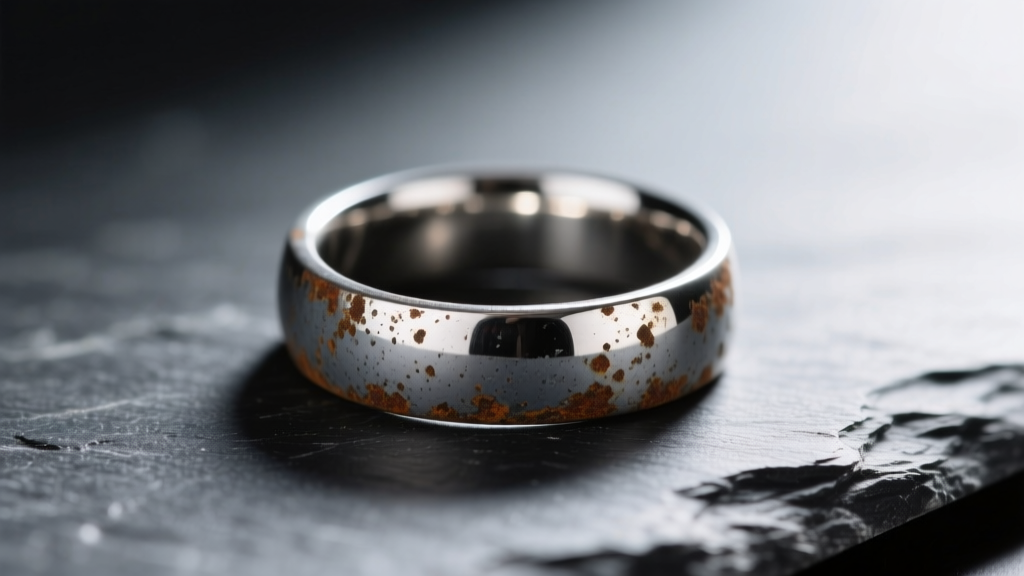
If you have ever looked at a dull, grayish ring or necklace and asked yourself, does zinc jewelry tarnish, the short answer is yes. However, the way zinc tarnishes is fundamentally different from how silver or copper reacts to the environment. Pure zinc is actually quite resistant to deep corrosion, but the vast majority of fashion and artisan jewelry is not made from pure zinc. Instead, it is crafted from zinc alloys—such as brass (copper and zinc), nickel silver, or Zamak (a zinc die-cast alloy containing aluminum, magnesium, and copper). It is these secondary metals, along with environmental factors, that trigger the tarnishing process.
Understanding the exact failure modes of zinc alloys is the first step toward proper restoration. Below, we break down the chemistry of zinc oxidation and provide a meticulous, step-by-step guide to safely cleaning and protecting your jewelry without causing micro-scratches or stripping delicate plating.
Does Zinc Jewelry Tarnish? The Chemistry Explained
When pure zinc is exposed to oxygen, it forms a microscopic layer of zinc oxide. This initial layer is white and powdery, but it actually acts as a passive shield, protecting the metal underneath from further degradation. However, when zinc is alloyed with copper to create brass, or when it is exposed to the carbon dioxide and moisture in the air, it forms zinc carbonate. This compound presents as a dull, grayish, or sometimes greenish-black film that adheres stubbornly to the jewelry's surface.
Furthermore, human skin plays a massive role in accelerating this process. The natural pH of human skin ranges from 4.7 to 5.75. When acidic sweat interacts with the copper content in zinc alloys like brass, it creates copper chlorides and zinc salts, leading to rapid discoloration and the infamous "green skin" effect. According to the Smithsonian Museum Conservation Institute, managing ambient humidity and direct skin contact is critical for preserving mixed-metal artifacts and everyday jewelry.
Step-by-Step Guide to Cleaning Tarnished Zinc Alloys
Because zinc alloys like Zamak and brass are relatively soft—scoring around 2.5 to 3.0 on the Mohs hardness scale—aggressive scrubbing will permanently ruin the finish. Follow this precise protocol to lift oxidation safely.
Step 1: The Gentle Degreasing Wash
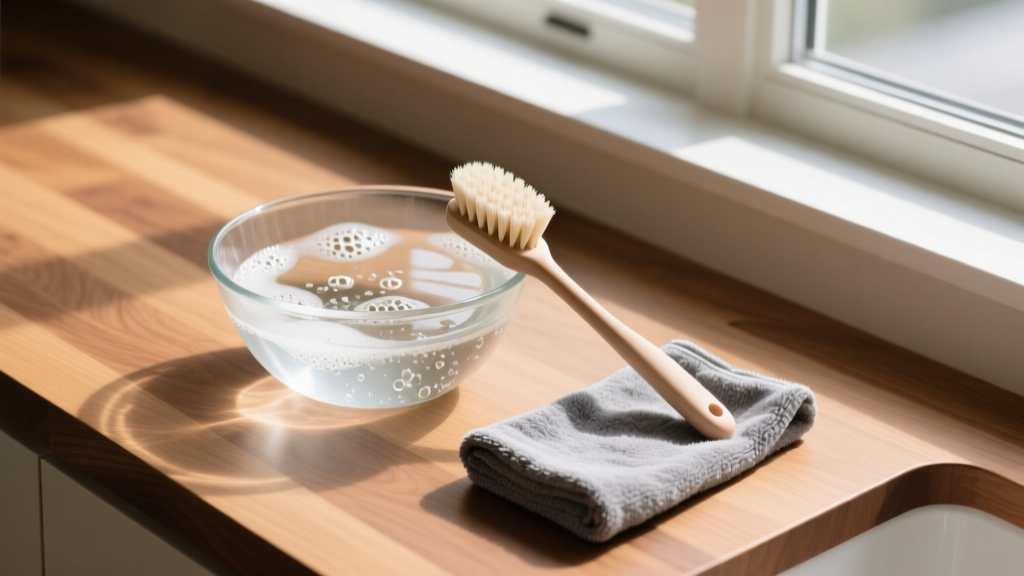
Before tackling the tarnish, you must remove the layer of skin oils, lotions, and sebum that is trapping the oxidation against the metal. Fill a small glass bowl with lukewarm water (never hot, as extreme heat can warp thin zinc die-cast pieces or loosen adhesive-set gemstones). Add three drops of a pH-neutral dish soap, such as Dawn Free & Clear. Submerge the jewelry for exactly 5 to 10 minutes. This loosens the surface grime without triggering a chemical reaction.
Step 2: Targeted Oxidation Removal
Remove the piece from the soapy water. Using an extra-soft baby toothbrush (bristle diameter of 0.1mm or less), gently agitate the crevices where tarnish accumulates. Do not use a standard adult toothbrush, as the stiff nylon bristles will leave microscopic swirl marks on soft zinc alloys. For stubborn, dark oxidation on solid brass or bronze pieces, you can apply a tiny drop of white vinegar to a cotton swab and carefully dab the affected areas. The mild acetic acid will dissolve the zinc carbonate. Rinse immediately with distilled water to halt the acidic action.
Step 3: The Rinse, Dry, and Polish
Rinse the jewelry thoroughly under a slow stream of distilled water. Tap water contains chlorine and trace minerals that can leave water spots or trigger new oxidation. Pat the piece dry with a lint-free microfiber cloth. Once completely dry, use a dedicated jeweler's polishing cloth treated with a mild rouge to buff the surface to a high shine. The Gemological Institute of America (GIA) consistently recommends soft, untreated microfiber for the final buffing of non-precious metals to avoid embedding harsh abrasives into the surface.
Critical Warning: Cleaning Methods That Destroy Zinc
Not all jewelry cleaning hacks are safe for zinc. Because zinc alloys are highly reactive and structurally softer than stainless steel or titanium, you must avoid the following methods:
- Ultrasonic Cleaners: The high-frequency cavitation bubbles generated by ultrasonic machines can cause micro-fractures in porous zinc die-cast (Zamak) jewelry and will instantly strip away thin gold or silver electroplating.
- Baking Soda Pastes: While baking soda is a popular DIY silver cleaner, its crystalline structure is far harder than zinc. Rubbing it on a zinc alloy will result in severe, irreversible scratching.
- Commercial Silver Dips: These contain harsh thiourea compounds designed specifically for silver sulfide. They will chemically burn zinc alloys, leaving a permanent, splotgy pink or gray residue.
- Toothpaste: Toothpaste contains silica abrasives meant for tooth enamel. On a metal with a Mohs hardness of 2.5, silica acts like sandpaper.
Pro-Tip: If your zinc alloy jewelry is plated (e.g., gold-plated brass or rhodium-plated zinc), skip all chemical cleaners and acidic home remedies entirely. Stick strictly to the mild soap wash and a dry microfiber buff to prevent wearing through the micron-thin plating layer.
Tarnish Resistance Comparison by Alloy Type
To properly care for your collection, you must identify which zinc alloy you are working with. The table below outlines how different zinc-based metals behave over time.
| Alloy Type | Composition | Tarnish Profile | Cleaning Difficulty |
|---|---|---|---|
| Pure Zinc | 99.9% Zinc | Forms a dull, protective gray patina; rarely turns black. | Low (Requires only mild soap) |
| Brass | Copper + Zinc | Highly prone to dark brown/black oxidation and green skin transfer. | Medium (Requires mild acid or specialized brass polish) |
| Nickel Silver | Copper + Nickel + Zinc | Tarnishes to a dull gray; less yellow than brass. | Medium (Responds well to gentle polishing cloths) |
| Zamak (Die-Cast) | Zinc + Aluminum + Magnesium + Copper | Prone to "white rust" (powdery corrosion) if the plating chips. | High (Cannot be polished once pitted; requires re-plating) |
Long-Term Protection and Storage
Once you have successfully restored your zinc jewelry, the final step is sealing it against future environmental attacks. Because zinc alloys are so reactive to humidity and skin acids, creating a physical barrier is the most effective preventative measure.
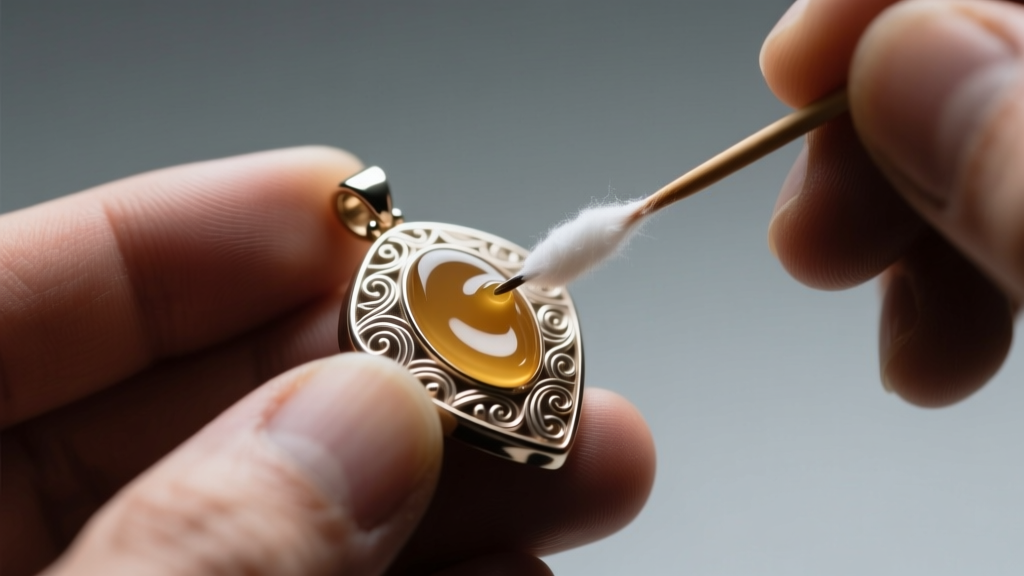
For solid, unplated zinc alloys like brass or bronze, apply a microcrystalline wax, such as Renaissance Wax. This museum-grade conservation wax was originally developed by the British Museum to protect metal artifacts. Apply a microscopic amount with a cotton swab, let it dry for 10 minutes, and buff it gently. This creates an invisible, moisture-proof barrier that will not yellow or crack over time.
For everyday wear, especially on rings and bracelets that experience high friction, you can use a specialized jewelry shield lacquer or a thin coat of clear, non-yellowing polyurethane nail polish on the interior band. This prevents the metal from directly contacting your skin's acidic oils, effectively stopping both the tarnishing process and the green skin transfer.
Finally, store your zinc pieces in an airtight container with anti-tarnish strips (which absorb airborne sulfur and moisture) or silica gel packets to keep the ambient humidity below 40%. By combining gentle, precise cleaning with proactive environmental barriers, your zinc alloy jewelry will maintain its brilliant finish for years to come.


